Belon-machinery-gear-manufacturing-company-gear-solutions-providerBelon-machinery-gear-manufacturing-company-gear-solutions-provider
Contact Us
lapping-bevel-gear-custom-gear-supplier-belon

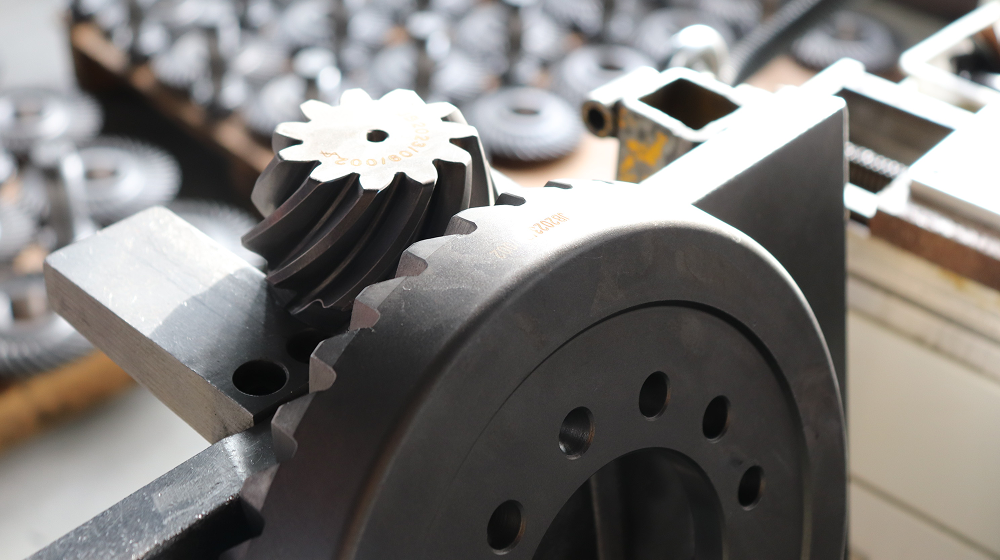
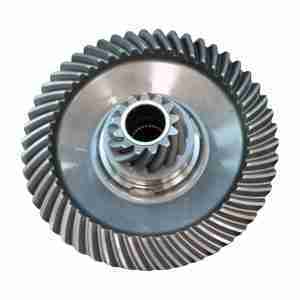
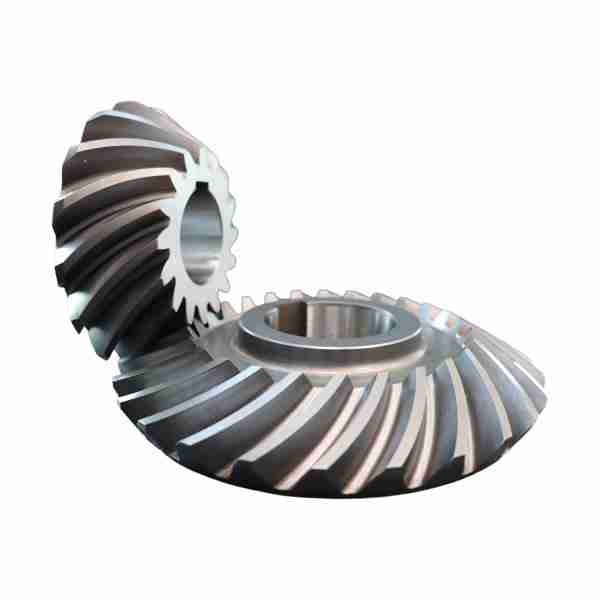
Lapped Bevel Gear

A lapped bevel gear is not a different type of gear. It is a standard bevel gear that has been subjected to an additional finishing process called lapping. This process transforms a good gear into a significantly better one, with measurable improvements in noise, vibration, wear life, and break-in time. For applications where grinding is too expensive and cutting alone is insufficient, lapping occupies the ideal middle ground.

The fundamental problem that lapping solves is surface irregularity. When a bevel gear is cut by any conventional gear cutting machine, the tooth surface is not perfectly smooth. Even with the best cutting tools and the most rigid machines, microscopic ridges, feed marks, and high spots remain. These imperfections are not visible to the naked eye, but they have a profound effect on gear performance. Under load, the high spots carry a disproportionate share of the force. They become localized stress concentrators. They generate heat. They break through the lubricant film. They wear rapidly. And as they wear, they create debris that accelerates wear on the rest of the tooth surfaces.

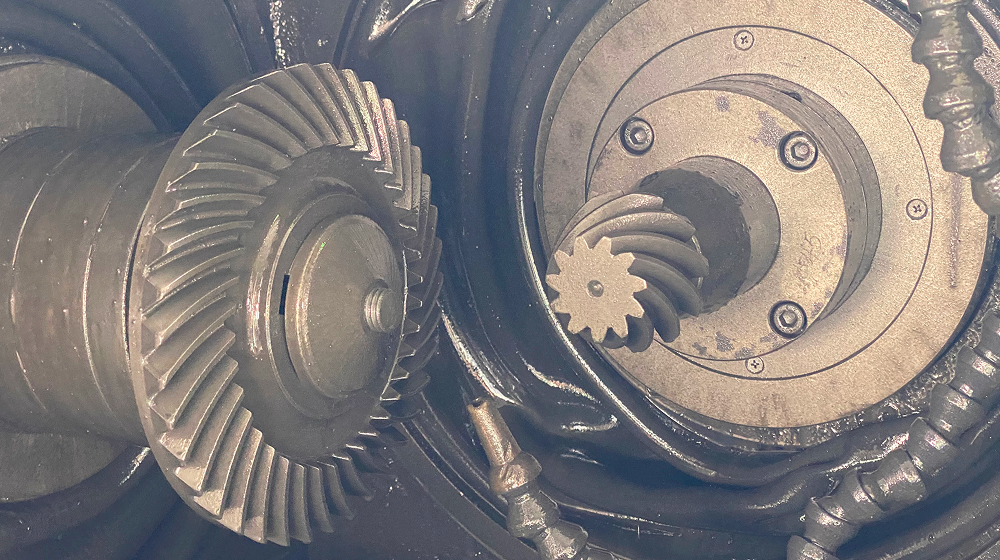
Lapping eliminates these high spots by running the gear against its mating gear with an abrasive compound between the teeth. The abrasive particles are harder than the gear material. As the gears rotate, the abrasive removes material only where contact occurs. The high spots, which contact first and contact hardest, are removed preferentially. As they are removed, more of the tooth surface comes into contact. The process continues until the contact pattern is uniform across the tooth width and height. At that point, the gears are said to be “lapped in.”

The results are measurable and meaningful. Noise levels typically drop by 3 to 5 decibels, a clearly noticeable reduction. Vibration levels decrease proportionally. Contact stress is reduced because the load is spread across more of the tooth surface. Wear life extends, often by 30 to 50 percent or more, depending on the application. Break-in time, the period during which a new gear set must be run at reduced load to avoid damage, is drastically shortened. A non-lapped gear set may require 20 to 50 hours of break-in. A lapped gear set can often go directly to full load.

Lapping is not the answer for every application. For very low-speed, very light-load applications, a cut gear is perfectly adequate. For ultra-high-speed or ultra-high-precision applications, grinding is necessary. But for the vast majority of industrial, mining, marine, and automotive applications, lapped bevel gears offer the best balance of performance and cost.

Specification
Module
7.26
Application
Gearbox
Material
20CrMnTi
Heat Treatment
Carburization 58-62HRC
Accuracy
8
Contact Us

Lapping Process – How A Standard Gear Becomes A High-Performance Component


The lapping process for bevel gears is deceptively simple. In concept, it is merely the act of running two gears together with an abrasive between them. In practice, however, successful lapping requires careful control of multiple variables, including lapping pressure, rotational speed, abrasive type and concentration, cycle time, and contact pattern evaluation. When done correctly, lapping produces a gear set with significantly improved contact characteristics and surface finish.

The process begins after the gears have been cut and heat-treated. Cutting establishes the basic tooth geometry, including profile, lead, and spacing. Heat treatment hardens the tooth surfaces to 58 to 62 HRC. After heat treatment, the gears are cleaned to remove any scale, oil, or debris. They are then mounted on a lapping machine. The lapping machine holds both gears in their correct relative positions, simulating the mounting arrangement in the final gearbox.

An abrasive compound, typically consisting of aluminum oxide or silicon carbide particles suspended in an oil or grease carrier, is applied to the tooth mesh. The gears are brought into contact under a light load, typically 5 to 10 percent of the gear set’s rated torque. The machine rotates the gears at low speed, usually between 50 and 300 RPM. The direction of rotation is alternated periodically to ensure both tooth flanks are lapped evenly.

As the gears rotate, the abrasive particles roll and slide between the tooth surfaces. The particles are harder than the gear steel. They indent and cut the surface microscopically. Material removal occurs preferentially at the high spots because those are the points of highest contact pressure. The lapping action is self-limiting. As the high spots are removed, the contact area increases, contact pressure decreases, and the rate of material removal slows. The process naturally tends toward a uniform contact pattern.

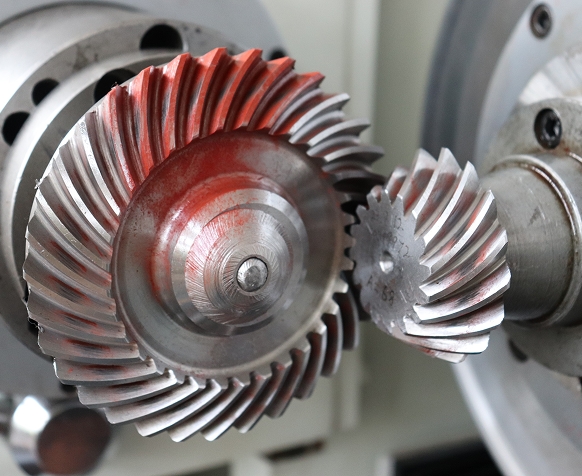
The operator monitors progress by applying marking compound to the gear teeth and examining the resulting contact pattern. The goal is a smooth, even pattern centered on the tooth flank, covering at least 60 percent of the tooth width and 50 percent of the tooth height. When this pattern is achieved, the lapping cycle is complete. Total cycle time typically ranges from two to five minutes per gear set.

After lapping, the gears are thoroughly cleaned to remove all traces of abrasive. Residual abrasive would act as a grinding compound in service, causing rapid wear. Cleaning is typically done in a solvent bath followed by high-pressure washing. The finished gear set is then inspected, marked with matching serial numbers, and packaged for shipment.

Lapping does not correct errors in tooth profile, lead, or spacing. It only improves surface finish and contact pattern. A gear that is poorly cut cannot be saved by lapping. But a gear that is correctly cut and heat-treated can be made significantly better through lapping, at a fraction of the cost of grinding.

gear-lapping-process-custom-bevel-gear-manufacturer-Belon
Production process

9-Step Production Process

Forging
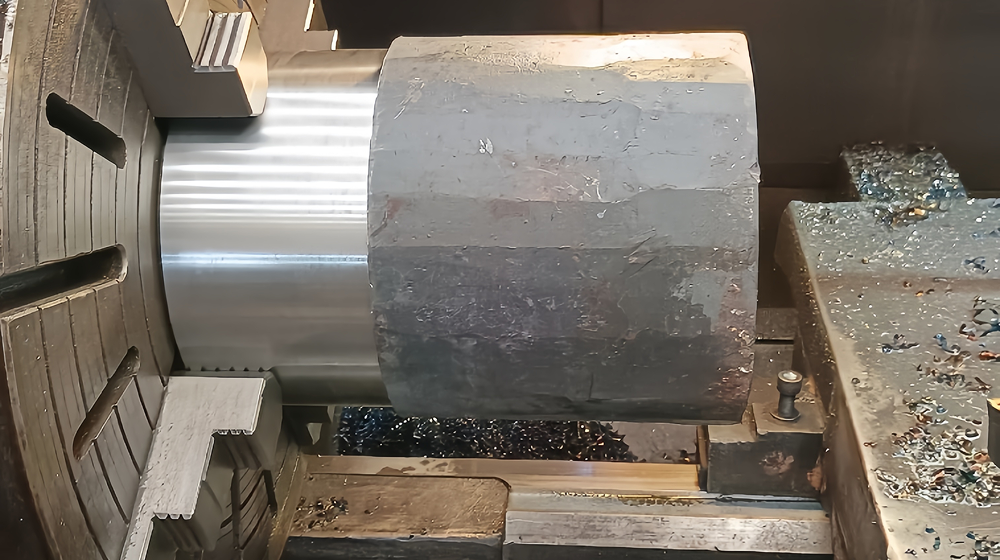
Turning
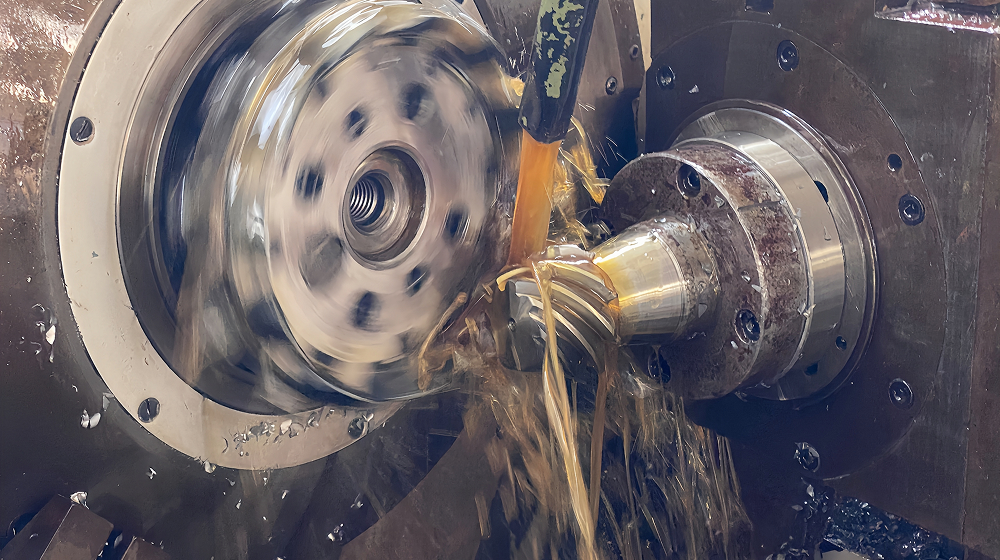
Gear Milling
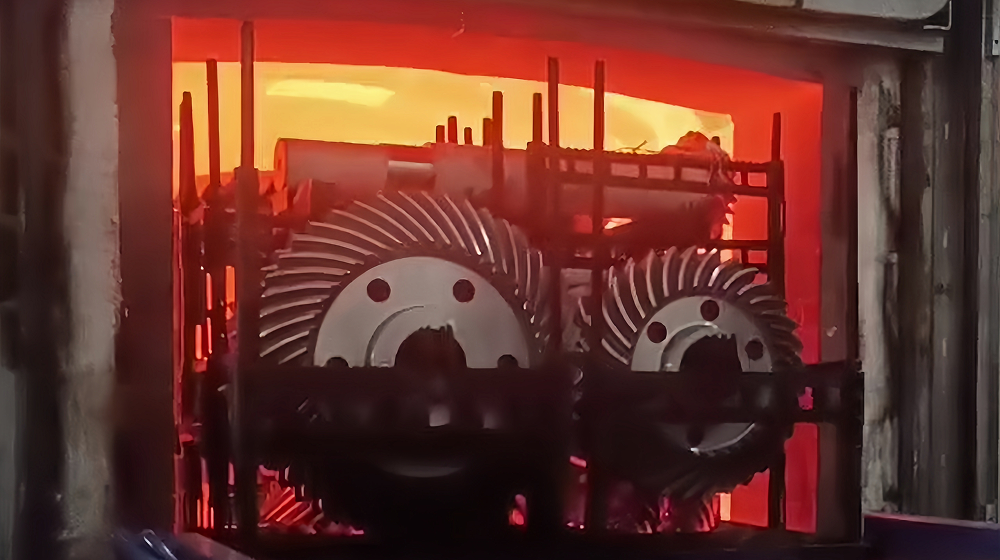
Heat Treatment
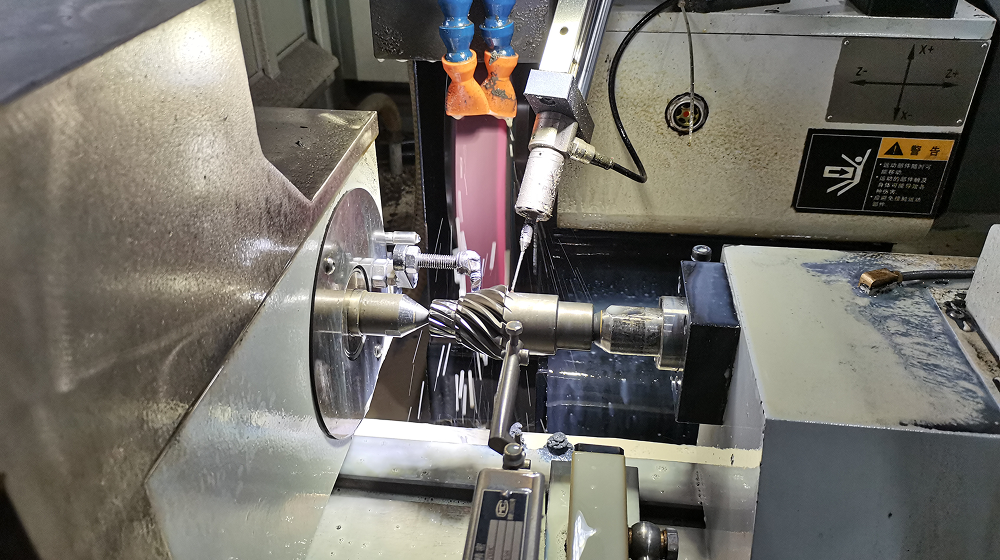
ID & OD Grinding
CNC Machining
Gear Lapping
Marking
Clean & Package
1
2
3
4
5
6
7
8
9
High-precision-forging-gear-production-process-Belon-China-manufacturer

Forging

When gears need high performance that needs to withstand high loads, high stress, impact loads or fatigue loads, forgings are suggested to use. Forging allows metal fibers to be continuously distributed along the gear profile, significantly improving root strength and fatigue life.
High-precision-turning-gear-production-process-Belon-manufacturer

Turning

This is the process of cutting and shaping solid materials into precise parts. It uses tools like lathes, mills, and drills to remove excess material. Machining transforms a simple block of metal into a finished, functional component.
Large-module-lapping-bevel-gear-custom-gear-manufacturer-gear-supplier-Belon

Gear Milling

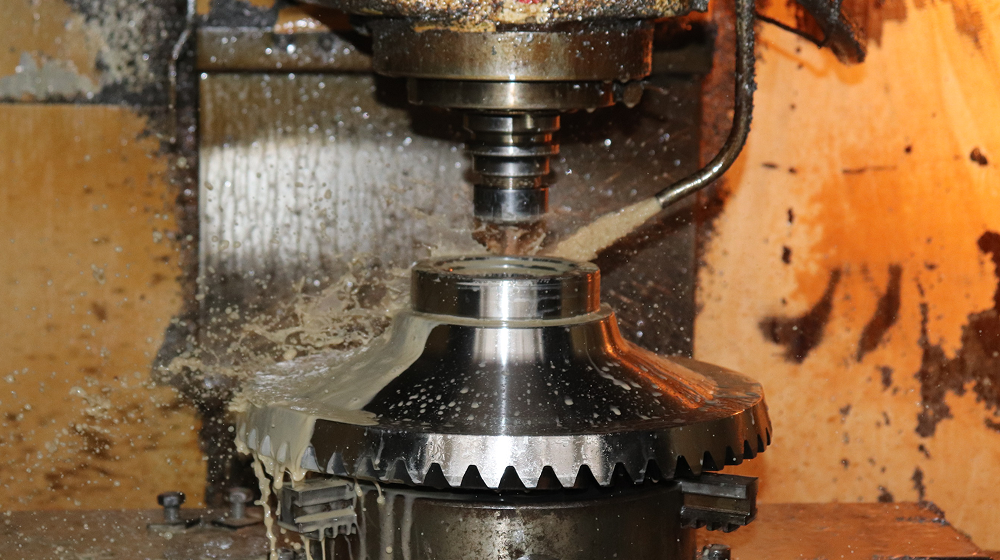
Gear Milling is a gear cutting process that used a rotating from cutter shaped to match the exact space between two gear teeth is plunged into the gear blank. After cutting one tooth space, the blank is indexed to the next position .
Gear-Heat-Treatment-process-Belon-gear-manufacturer

Heat Treatment

Gears need to be running with two gears or above two gears, that makes them easy to be worn-out. That’s why most types of gears need to be harden through heat treatment.
Large-module-lapping-bevel-gear-OD-grinding-process-gear-manufacturer-Belon

ID & OD Grinding

ID grinding, OD grinding, Surface grinding are all belonging to CNC grinding which are the foundational precision abrasive machining processes used to achieve exceptional dimensional accuracy and surface finishes, especially on hardened materials.
Lapping-bevel-gear-Lapped-bevel-gear-supplier-custom-gear-manufacturer-Belon

CNC Machining

CNC machining is a an automated manufacturing process controlled by pre-programmed computer software and code. Normally gears are designed in CAD software. CAM software translates the CAD model into G-Code, a machine language that dictates tools paths, speeds, feeds, and all movements.
Lapping-bevel-gear-supplier-custom-gear-manufacturer-gear-lapping-process-Belon

Gear Lapping

Gear lapping is a process for for finishing hardened bevel gears under gleason profile. This process can greatly improve surface finish and noise, however which could not correct geometric errors. It’s often done in paired sets (gears are lapped together and must remain matched). That is usual to use in high-volume bevel gears, where quiet operation is paramount.
Marking-process-straight-bevel-gear-supplier-custom-gear-manufacturer-Belon

Marking

Precision laser marking permanently engraves traceability data (part numbers, date codes, logos) onto gears, ensuring reliable identification and quality tracking throughout the product lifecycle.
Carton-outside-straight-bevel-gear-manufacturer-gear-solutions-Belon

Clean & Package

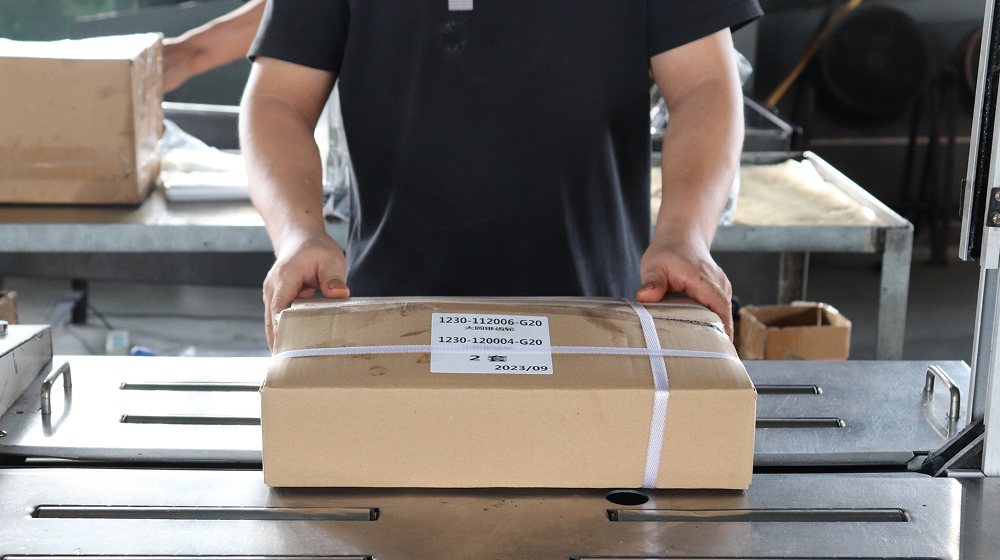
Before shipment, every gear is carefully cleaned, dried, and rust-protected – ensuring they arrive in optimal condition, ready for immediate installation.
Inspection

Strict Quality Inspection

Dimension-inspection-gear-manufacturing-process-equipment-Belon

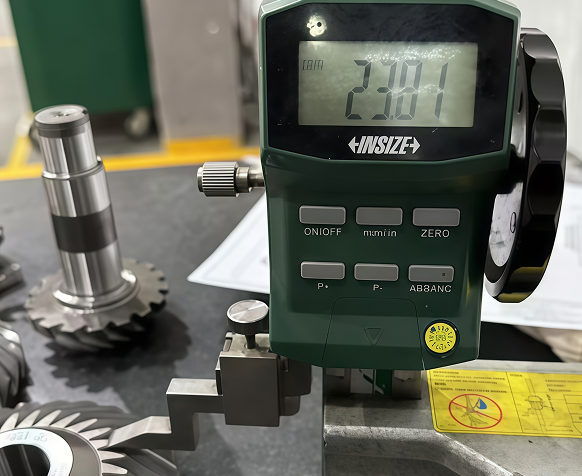
Dimension Inspection

Material-testing-gear-manufacturing-process-equipment-Belon

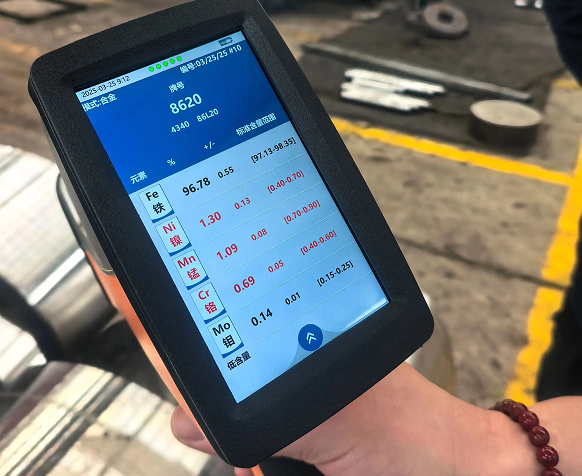
Material Testing

Hardness-inspection-gear-manufacturing-process-belon

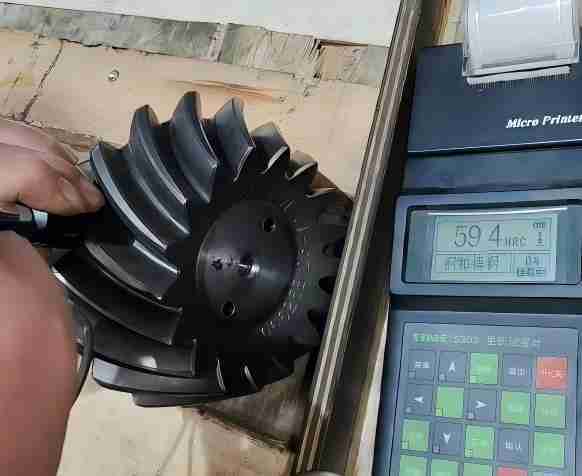
Hardness Inspection

Heat-treatment-testing-gear-manufacturing-quality-control-process-Belon

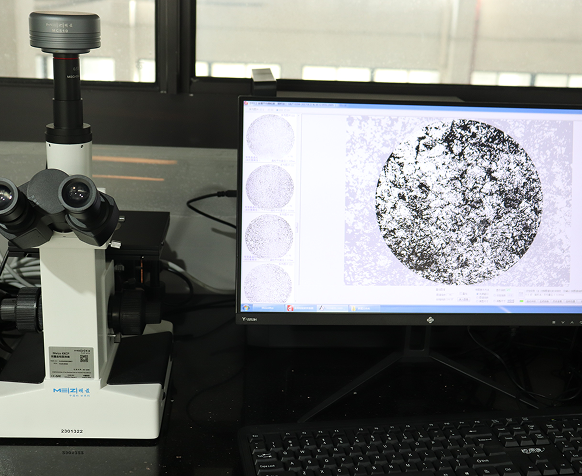
Heat Treatment Testing

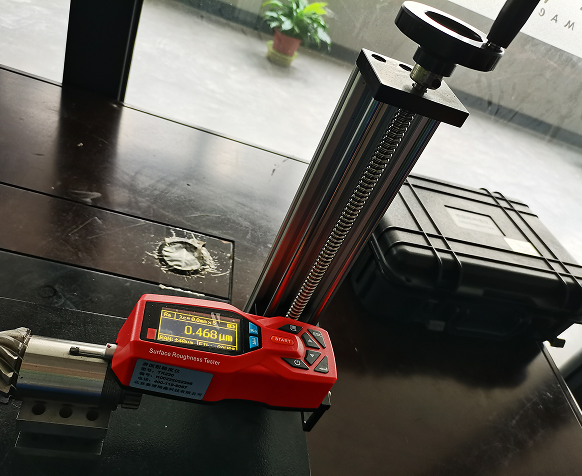
Roughness-test-lapped-bevel-gear-manufacturing-company-gear-supplier-Belon

Roughness Testing

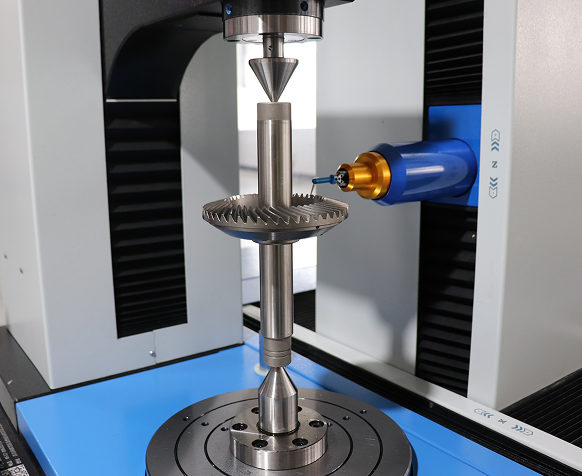
Accuracy-inspection-lapped-bevel-gear-manufacturing-company-Belon

Accuracy Inspection

Lapped-bevel-gear-meshing-testing-gear-manufacturing-company-Belon

Meshing Testing

Dimension-inspection-gear-manufacturing-process-equipment-Belon

Dimension Inspection

Material-testing-gear-manufacturing-process-equipment-Belon

Material Testing

Hardness-inspection-gear-manufacturing-process-belon

Hardness Inspection

Heat-treatment-testing-gear-manufacturing-quality-control-process-Belon

Heat Treatment Testing

Roughness-test-lapped-bevel-gear-manufacturing-company-gear-supplier-Belon

Roughness Testing

Accuracy-inspection-lapped-bevel-gear-manufacturing-company-Belon

Accuracy Inspection

Lapped-bevel-gear-meshing-testing-gear-manufacturing-company-Belon

Meshing Testing

Packages

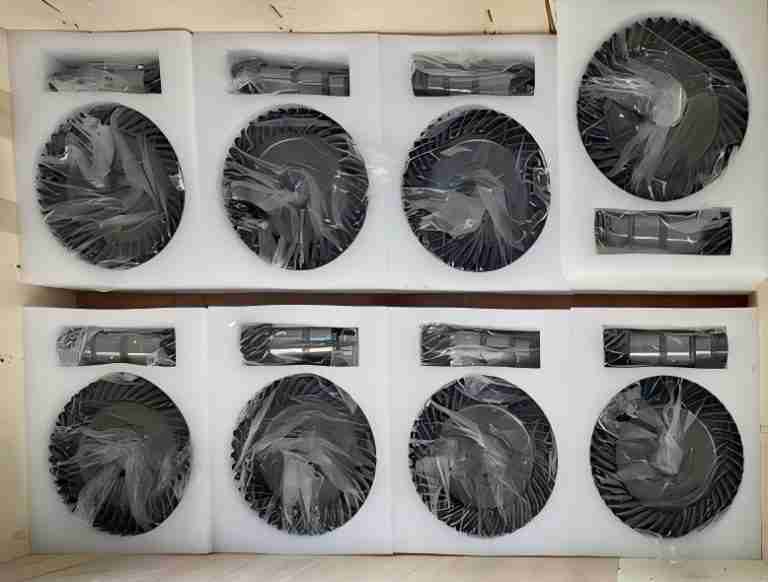
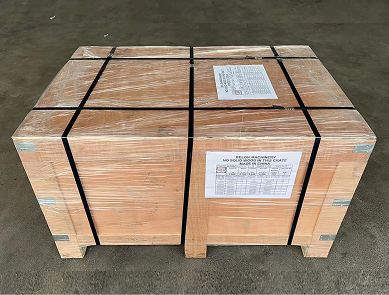
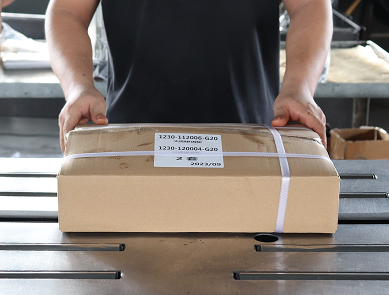
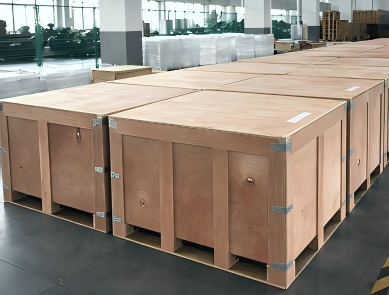
Professional Packaging Safe Arrival

Customized cost-effective packages for products protection. We select multi-model solutions, combining air, sea, or land freight for the optimal balance of cost, speed, and reliability.
Gear-product-inner-package-custom-gear-manufacturer-Belon

Inner Package

Crate-straight-bevel-gear-custom-gear-manufacturer-gear-solutions-Belon

Out Package

Carton-Package-Gear-Manufacturing-Company-Belon

Carton

Wooden-package-gear-manufacturer-gear-solutions-Belon

Wooden Package

Similar products

You May Be Interested In

bevel-gear-set-for-robert-custom-bevel-gear-belon

Bevel Gear Set For Robot

  • Material: C45
  • Heat treatment: Quenching and Tempering
  • Accuracy: DIN 9
lapped-bevel-gears-for-gearbox-custom-lapping-gears-belon

Lapped Bevel Gears For Gearbox

  • Material: 20MnCr5
  • Heat treatment: Carburization
  • Accuracy: DIN 7
lapping-gears-lapped-spiral-bevel-gear-custom-gear-supplier-Belon

Lapping Gears

  • Material: 20CrMnTi
  • Heat treatment: carburization 58-62HRC
  • Accuracy: DIN 8
large-module-lapped-bevel-gears-lapping-gears-supplier-Belon

Large Module Lapped Bevel Gear

  • Material: 8620
  • Heat treatment: CARB.CASE HARDEN
  • Accuracy: DIN 8-9
View all product

Your Precision
Transmission Partner

Do you have drawings to be implemented, or problems to be solved? Please feel free to contact us. From initial inquiry and technical specification confirmation to production and delivery, our dedicated team will provide you with one-on-one service, ensuring that every step meets your stringent requirements for precision.
Contact Us