
Material
Gear Material Selection
Gears are wornout components which makes material selecting and preparing critical for gear life which is the starting point of gear manufacturing. BELON provides workwide standards DIN,ISO,GB,JIS.. materials proposes according to customer’s industries, applications and cost budget. How material performed also determines the mechanical properties, cost-effectiveness, and gear quality. BELON tailor the manufacturing process—selecting from Bar Baiting, Tube Baiting or Precision Forging—based on the specific geometry and performance requirements of each gear.
Gear Materials
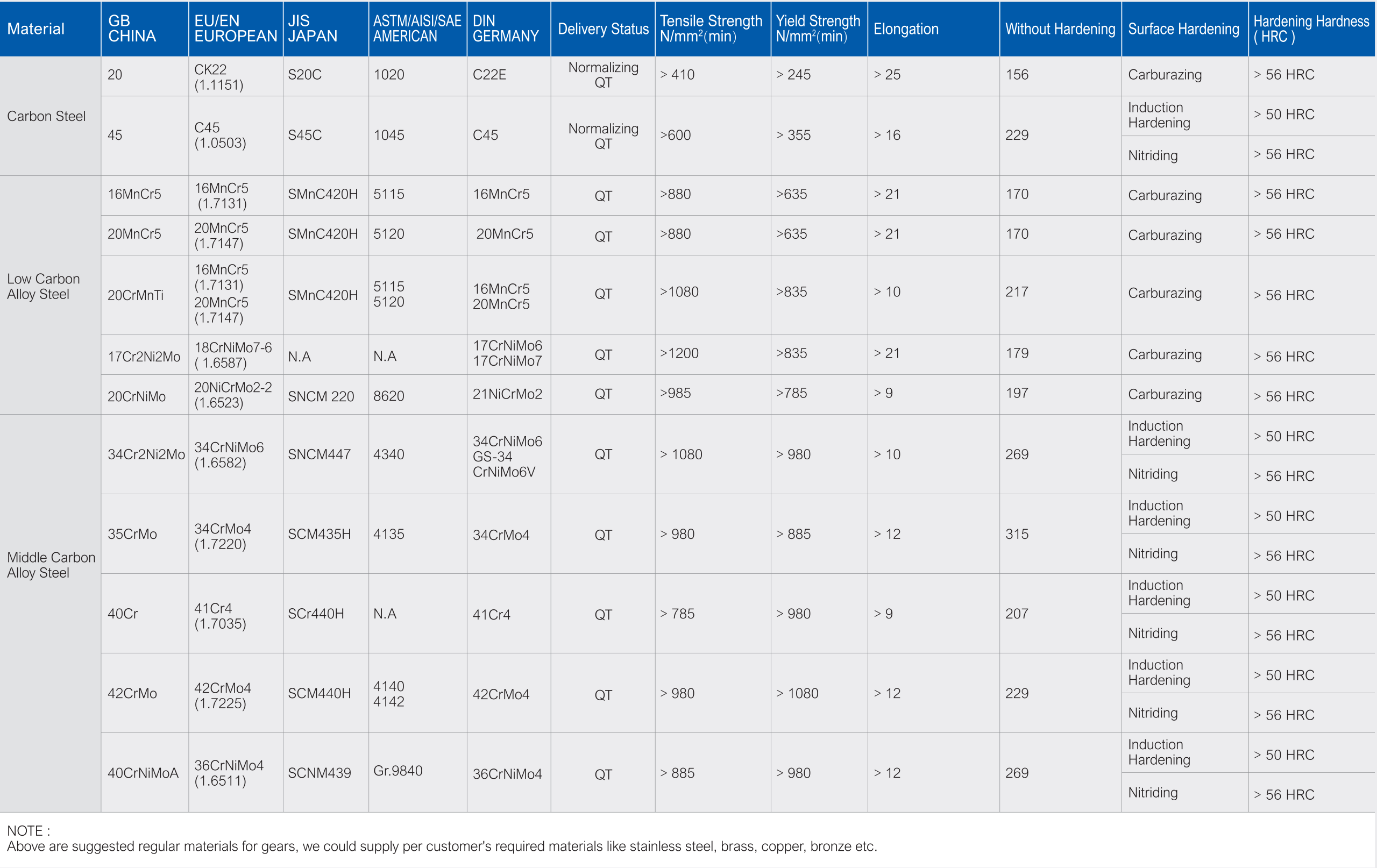
Gear materials selection is very essential for gear strength and gear life .We normally used high quality carbon steels and alloy steel to manufacture custom gears and shafts tailored to your applications following DIN,ISO,GB,JIS worldwide standards .Differnt types of materials matched to different types of heat treatment as well . BELON’s engineering team could give material suggestions and heat treatment propose for your consideration during quotation process in order to make your budget be controlled at the same quality level of gears .
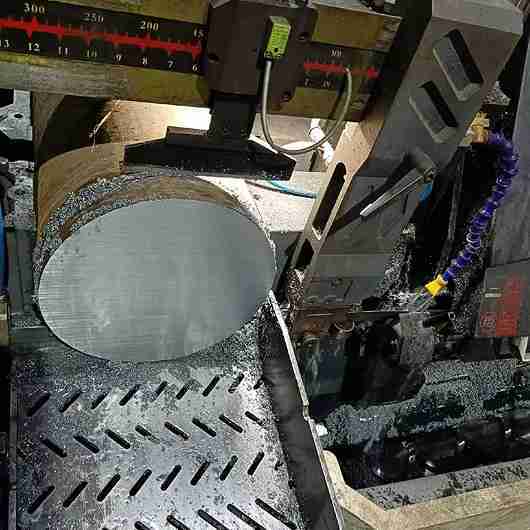
Bar Baiting
When the gear design is solid, simple and does not involve a wide range of diameters, bar baiting is often the most cost-effective raw material choice. For example the smaller diameters less than 150-200mm and also which is in low load application and non-extreme operating conditions. It can be cut to the required length and then rough-turned, streamlining the initial production stage of gear manufacturing.
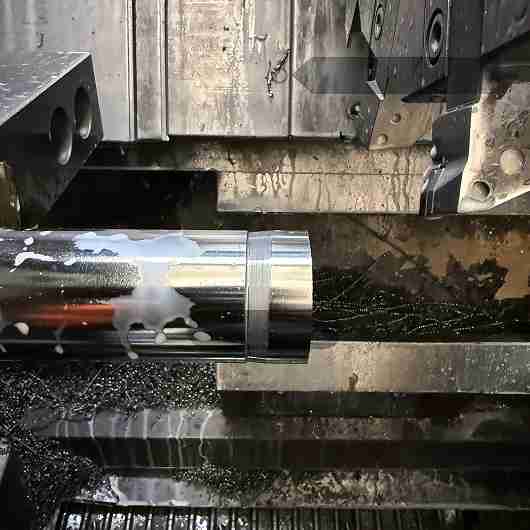
Tube Baiting
When the gears with internal cavities or requiring a hollow structure, tubes are often the most cost-effective raw material choice for example :the large ring gears which is with big outer diameters, the gears used in applications where weight is a critical factors such as aerospace and vehicle transmission components. This process prepares hollow, tube-shaped metal stock that has been cut to the exact length and diameter required. Tube baiting can significantly save material, reduce machining time and removal, thereby lowering overall cost and weight.
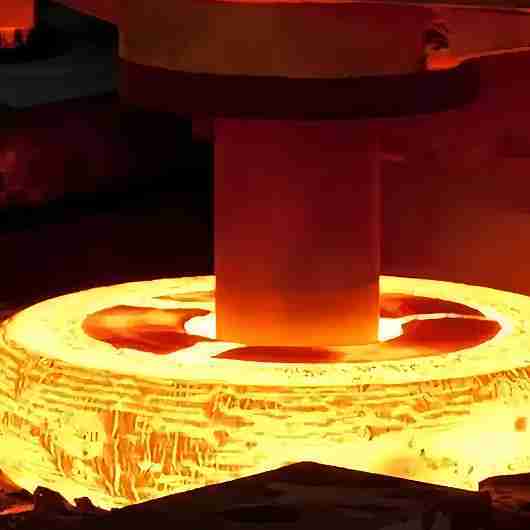
Gear Forging
When gears need high performance to withstand high loads, high stress, impact loads or fatigue loads, gear forgings are strongly suggested. Forging gears allows metal fibers to be continuously distributed along the gear profile, significantly improving root strength and fatigue life. When gears are in large production, forgings are suggested which could improve production efficiency and amortize mold cost by lowering unit price in the future batches. Forgings could be divided into:
- Open Die Forging
- Close Die Forging
- Roll Forging
Open die forging is more used in single piece, small batches or giant gears which has simple shapes with large machining allowance, closed die forging is more used in mass production which has shapes are closer to the finished product with smaller machining allowance, higher material utilization and best performance.
Transmission Partner