Belon-machinery-gear-manufacturing-company-gear-solutions-providerBelon-machinery-gear-manufacturing-company-gear-solutions-provider
Contact Us
lapped-bevel-gears-for-gearbox-custom-lapping-gears-belon

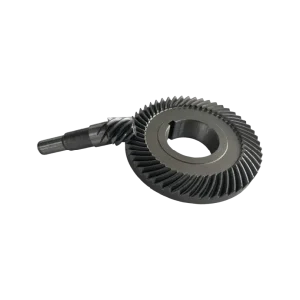
Lapped Bevel Gears For Gearbox

Lapped bevel gears for gearbox represents a sophisticated surface finishing process that fundamentally transforms the functional performance of heavy-duty gear sets by refining tooth surfaces to exceptional smoothness and establishing geometric harmony that conventional cutting operations alone cannot achieve. The process involves applying a precisely formulated abrasive compound, typically composed of silicon carbide or aluminum oxide particles suspended in a specialized carrier fluid, between the mating teeth of a bevel gear pair, and then rotating the gears together under controlled load and speed parameters, allowing the abrasive particles to roll and slide across the tooth flanks, microscopically removing minute peaks and irregularities while establishing an intimately matched contact interface between the two gears. This self-correcting mechanism is one of the most remarkable aspects of lapping, because the process inherently tends to produce a gear pair that meshes optimally with each other under real-world operating conditions, rather than merely adhering to theoretical geometric standards, which means the finished gear set exhibits a contact pattern that distributes load uniformly across the tooth width and eliminates high-pressure concentrations that would otherwise initiate premature surface fatigue in heavy-load applications.

The lapping operation is typically performed in multiple stages, beginning with coarser abrasives for rapid stock removal and surface leveling, followed by progressively finer compounds that refine the surface to near-mirror finishes with roughness values consistently below 0.4 microns Ra, and throughout this sequence, operators carefully monitor parameters such as lapping pressure, rotational speed, cycle duration, and compound flow rate to achieve the optimal balance between material removal and surface integrity for each specific gear geometry and material grade.

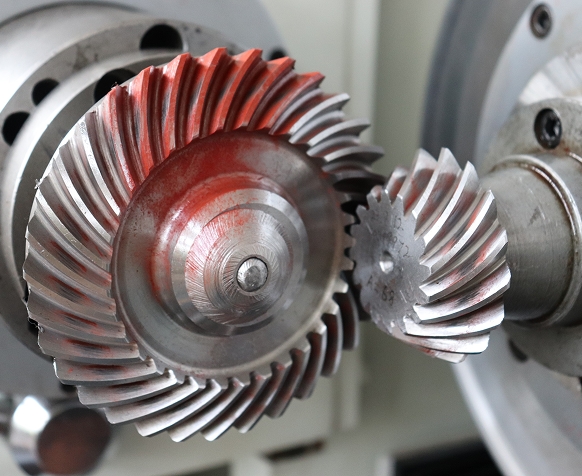
One of the most critical control elements in the lapping process is the contact pattern inspection, where specialized marking compounds are applied to the gear teeth to reveal the actual contact area under simulated load conditions, enabling operators to precisely adjust lapping parameters until the contact pattern matches predetermined specifications that guarantee optimal performance under real operating loads, shaft deflections, and housing deformations.

The abrasive compounds used in industrial lapping are available in a broad spectrum of grit sizes and chemical compositions, allowing manufacturers to tailor the process to different gear materials ranging from conventional alloy steels to case-hardened grades such as 20CrMnTi and even powder metal components, each requiring specific abrasive characteristics to achieve efficient cutting without damaging the tooth profiles or introducing surface anomalies. Unlike grinding, which relies on rigid wheels and can introduce localized heat damage or micro-cracks if improperly applied, lapping employs free-flowing abrasives that act gently upon the tooth surfaces, producing a beneficial compressive residual stress layer that actually enhances surface fatigue resistance rather than compromising it, a characteristic that makes lapping particularly advantageous for hardened gears where surface integrity is paramount in demanding mining applications.

Specification
Module
2.32
Application
Gearbox
Material
20MnCr5
Heat Treatment
Carburization
Accuracy
DIN 7
Contact Us

Manufacturing Process – Lapping Parameters, Equipment, and Quality Control for Bevel Gear Finishing


The successful execution of the lapping process for bevel gears demands meticulous control of multiple interdependent parameters, specialized equipment configurations, and rigorous quality assurance protocols that together ensure consistent attainment of the performance enhancements that make lapping a preferred finishing technology for heavy industrial applications.

The primary process parameters include lapping pressure, which typically ranges from 200 to 500 Newtons depending on gear size and material hardness, and must be precisely regulated to achieve the optimal material removal rate without generating excessive heat that could degrade the gear’s metallurgical structure or introduce surface distortion that compromises the contact pattern. Rotational speed is another critical variable, generally maintained between 100 and 300 RPM for bevel gear lapping, with the gear pair alternately driven in both forward and reverse directions to ensure uniform material removal across both tooth flanks and establish symmetrical contact patterns that perform consistently regardless of the direction of torque transmission during actual operation. The lapping cycle duration varies substantially based on gear size, initial surface condition, material hardness, and the required final surface finish, typically ranging from 30 seconds for light finishing operations to several minutes for heavily lapped gears that require significant stock removal and contact pattern optimization. The abrasive compound delivery system, consisting of a pumping and metering unit that continuously supplies the abrasive slurry to the gear mesh interface, must maintain a consistent compound flow rate and concentration to ensure uniform lapping results across the entire tooth surface while preventing abrasive starvation that would cause localized preferential lapping and compromise the final contact pattern. Machine design for bevel gear lapping incorporates load-controlled spindles that maintain constant pressure independent of mechanical wear or thermal expansion, adjustable backlash settings to control the contact pattern positioning, and programmable cycle controls that enable the lapping parameters to be varied automatically throughout the process to optimize material removal rates and surface finish quality for each specific gear set.

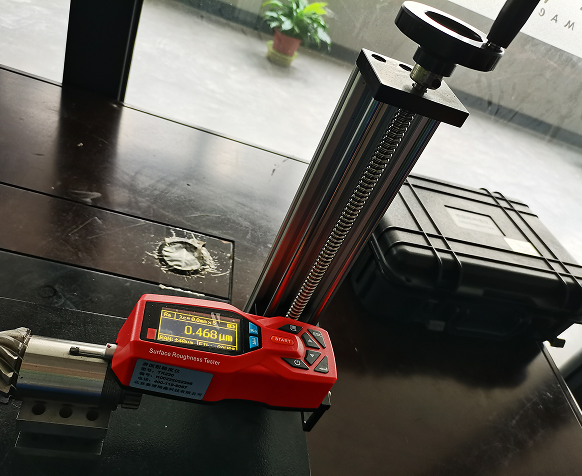
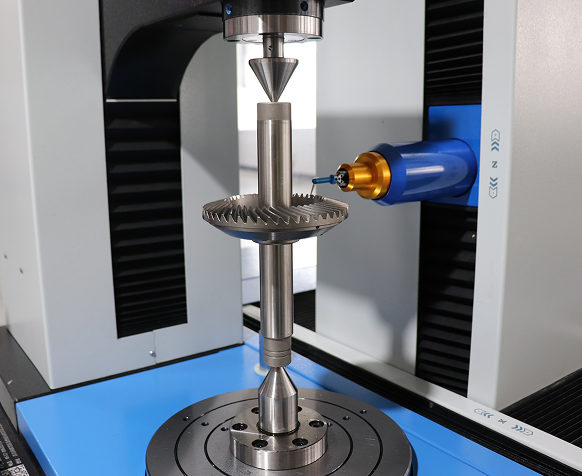
Quality control following lapping involves multiple inspection techniques, with the most critical being contact pattern verification using marking compounds that reveal the actual contact area under simulated operating loads, surface roughness measurement using profilometers to confirm Ra values below 0.4 microns, and gear runout and tooth spacing measurements to ensure lapping has not introduced geometry deviations that would compromise proper meshing.

Additionally, many modern lapping systems incorporate in-process monitoring sensors that measure lapping torque and acoustic emissions during the operation, providing real-time indications of process stability and enabling early detection of anomalies such as abrasive compound deterioration, excessive pressure, or machine alignment problems that could affect lapping quality. The cumulative effect of meticulous parameter selection and robust quality control protocols is the consistent production of lapped bevel gear sets that exhibit the dramatic performance improvements in noise reduction, temperature reduction, and service life extension that justify the adoption of lapping in critical mining, construction, and material handling applications where gear reliability directly affects operational continuity and profitability.

lapped-bevel-gears-for-gearbox-custom-gear-supplier-belon
Production process

9-Step Production Process

Forging
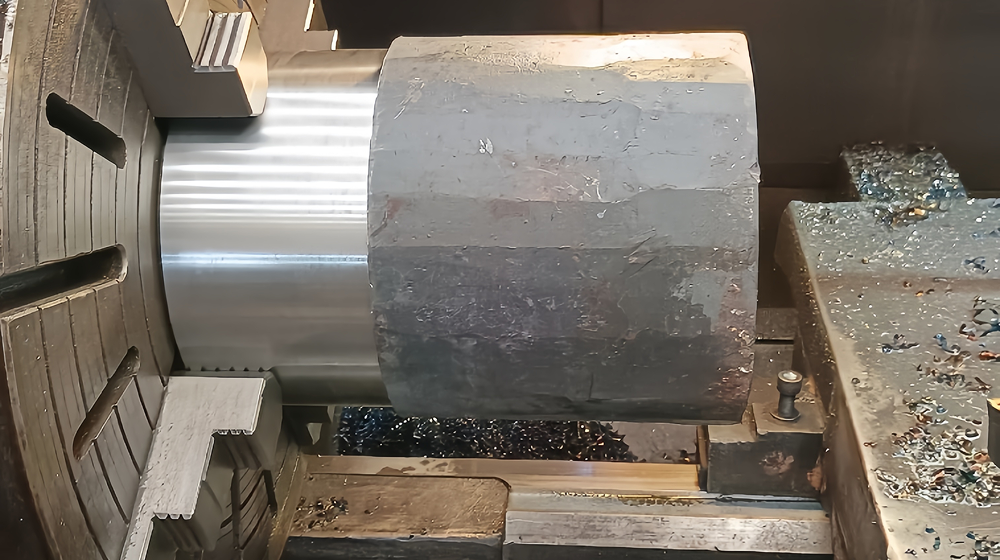
Turning
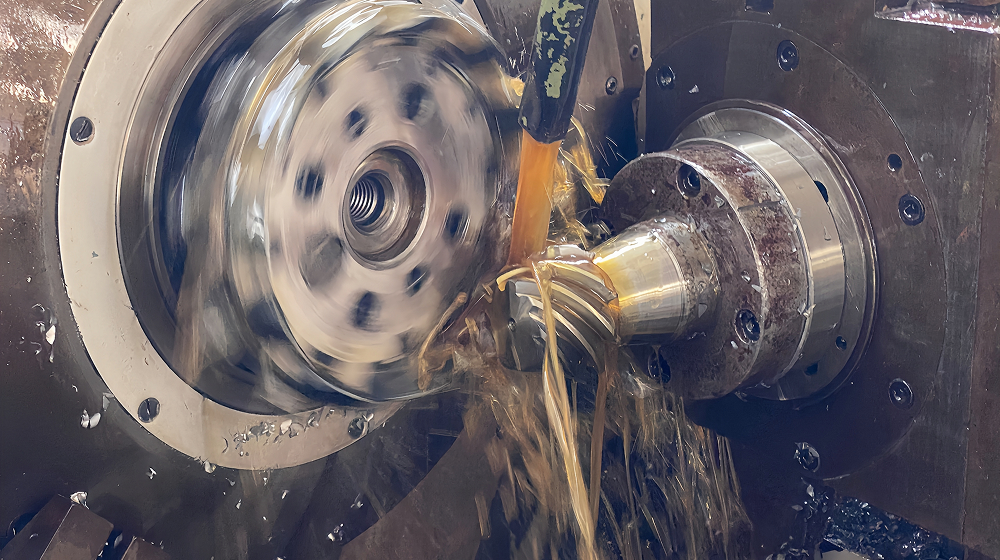
Gear Milling
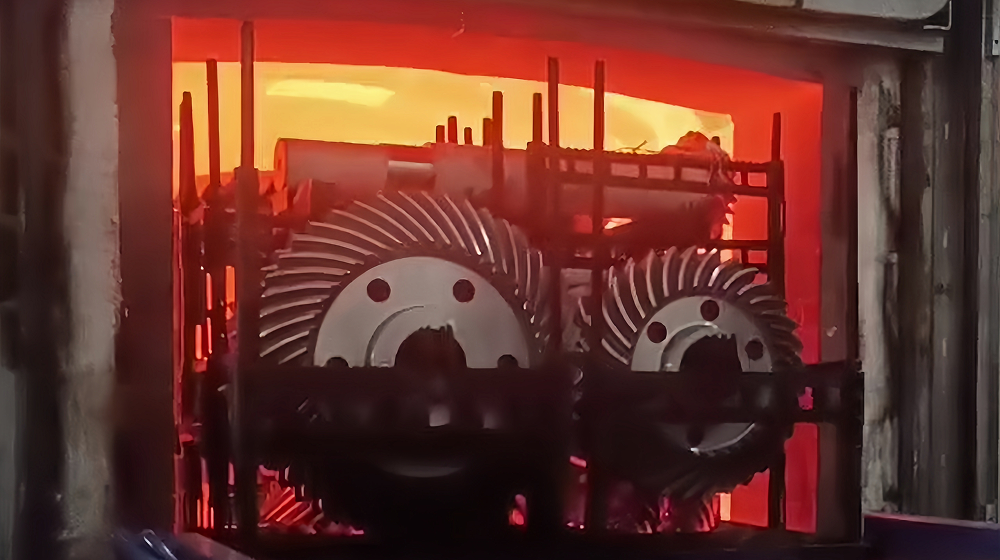
Heat Treatment
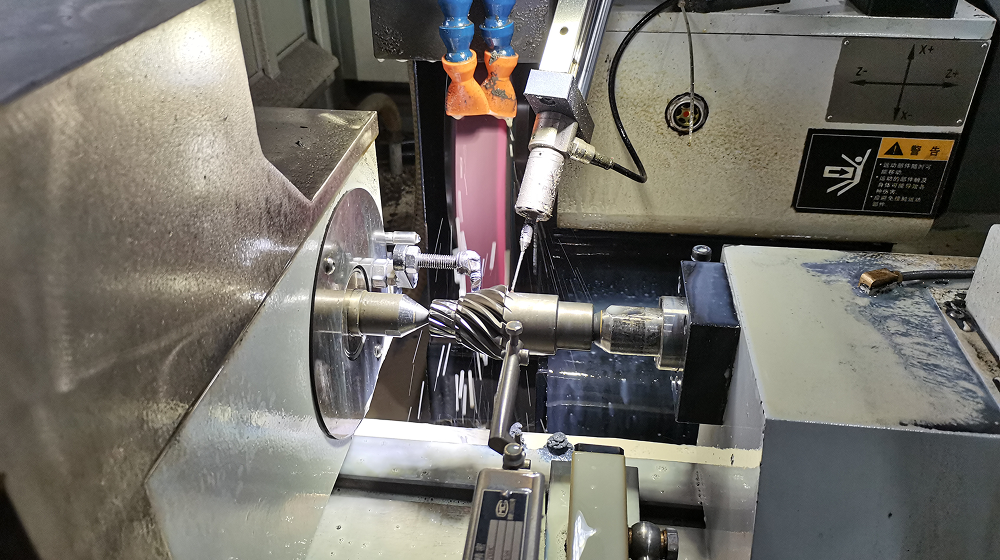
ID & OD Grinding
CNC Machining
Gear Lapping
Marking
Clean & Package
1
2
3
4
5
6
7
8
9
High-precision-forging-gear-production-process-Belon-China-manufacturer

Forging

When gears need high performance that needs to withstand high loads, high stress, impact loads or fatigue loads, forgings are suggested to use. Forging allows metal fibers to be continuously distributed along the gear profile, significantly improving root strength and fatigue life.
High-precision-turning-gear-production-process-Belon-manufacturer

Turning

This is the process of cutting and shaping solid materials into precise parts. It uses tools like lathes, mills, and drills to remove excess material. Machining transforms a simple block of metal into a finished, functional component.
Large-module-lapping-bevel-gear-custom-gear-manufacturer-gear-supplier-Belon

Gear Milling

Gear Milling is a gear cutting process that used a rotating from cutter shaped to match the exact space between two gear teeth is plunged into the gear blank. After cutting one tooth space, the blank is indexed to the next position .
Gear-Heat-Treatment-process-Belon-gear-manufacturer

Heat Treatment

Gears need to be running with two gears or above two gears, that makes them easy to be worn-out. That’s why most types of gears need to be harden through heat treatment.
Large-module-lapping-bevel-gear-OD-grinding-process-gear-manufacturer-Belon

ID & OD Grinding

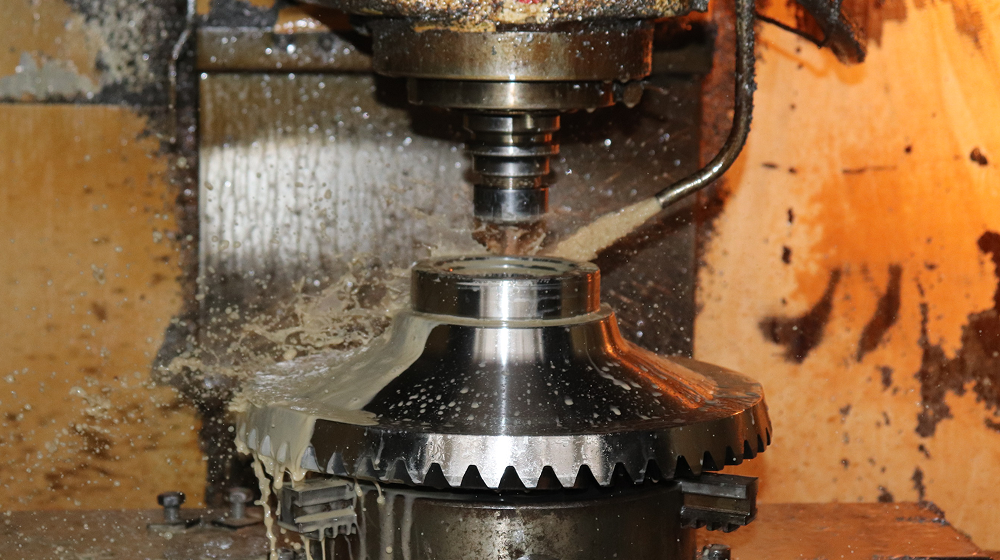
ID grinding, OD grinding, Surface grinding are all belonging to CNC grinding which are the foundational precision abrasive machining processes used to achieve exceptional dimensional accuracy and surface finishes, especially on hardened materials.
Lapping-bevel-gear-Lapped-bevel-gear-supplier-custom-gear-manufacturer-Belon

CNC Machining

CNC machining is a an automated manufacturing process controlled by pre-programmed computer software and code. Normally gears are designed in CAD software. CAM software translates the CAD model into G-Code, a machine language that dictates tools paths, speeds, feeds, and all movements.
Lapping-bevel-gear-supplier-custom-gear-manufacturer-gear-lapping-process-Belon

Gear Lapping

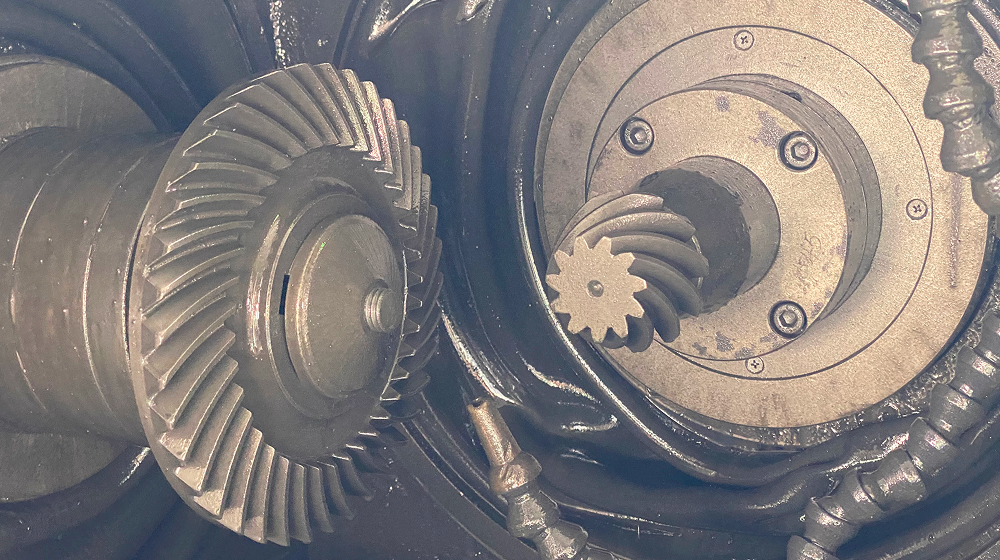
Gear lapping is a process for for finishing hardened bevel gears under gleason profile. This process can greatly improve surface finish and noise, however which could not correct geometric errors. It’s often done in paired sets (gears are lapped together and must remain matched). That is usual to use in high-volume bevel gears, where quiet operation is paramount.
Marking-process-straight-bevel-gear-supplier-custom-gear-manufacturer-Belon

Marking

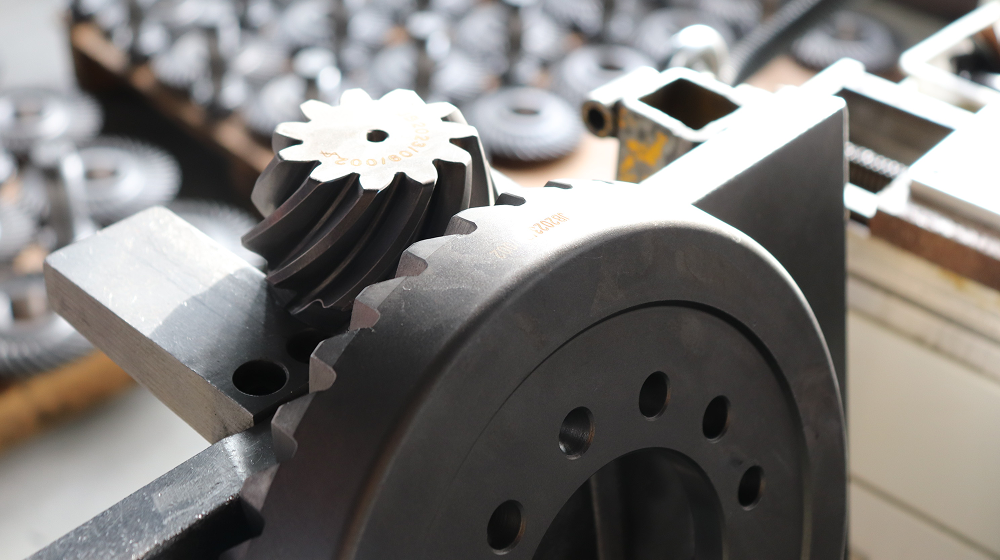
Precision laser marking permanently engraves traceability data (part numbers, date codes, logos) onto gears, ensuring reliable identification and quality tracking throughout the product lifecycle.
Carton-outside-straight-bevel-gear-manufacturer-gear-solutions-Belon

Clean & Package

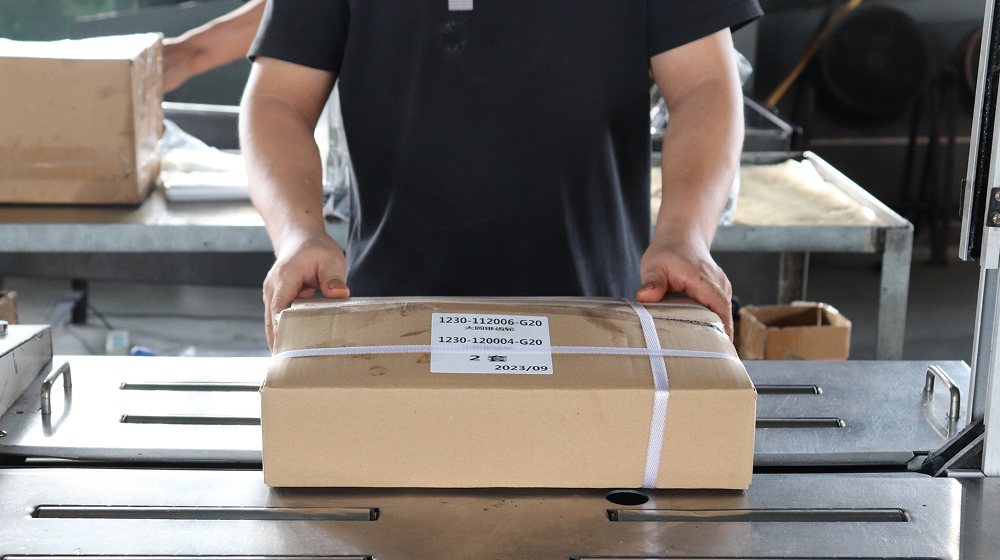
Before shipment, every gear is carefully cleaned, dried, and rust-protected – ensuring they arrive in optimal condition, ready for immediate installation.
Inspection

Strict Quality Inspection

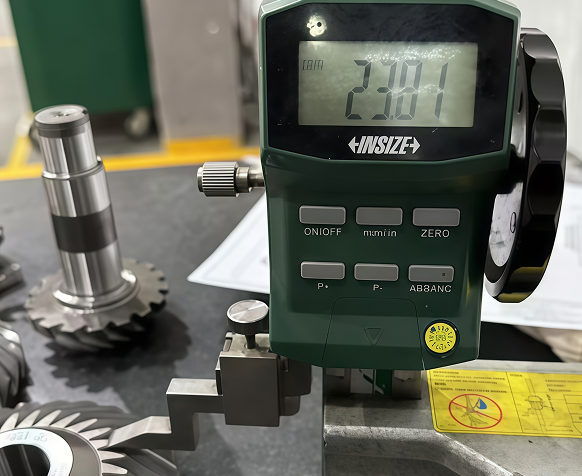
Dimension-inspection-gear-manufacturing-process-equipment-Belon

Dimension Inspection

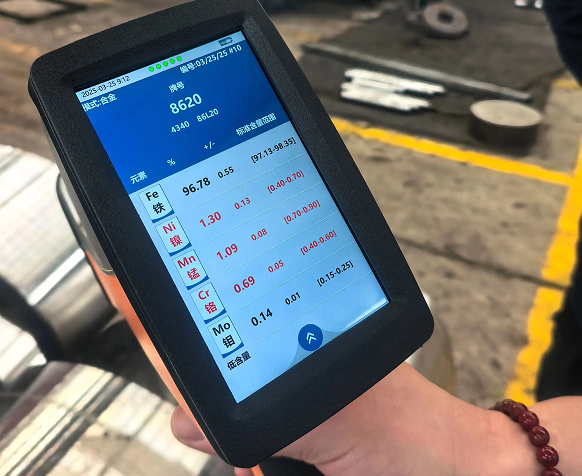
Material-testing-gear-manufacturing-process-equipment-Belon

Material Testing

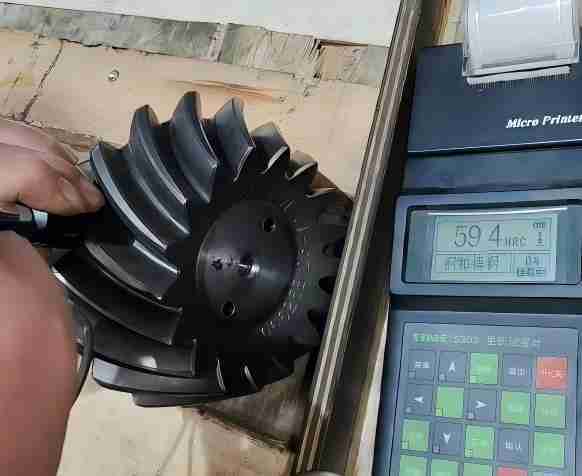
Hardness-inspection-gear-manufacturing-process-belon

Hardness Inspection

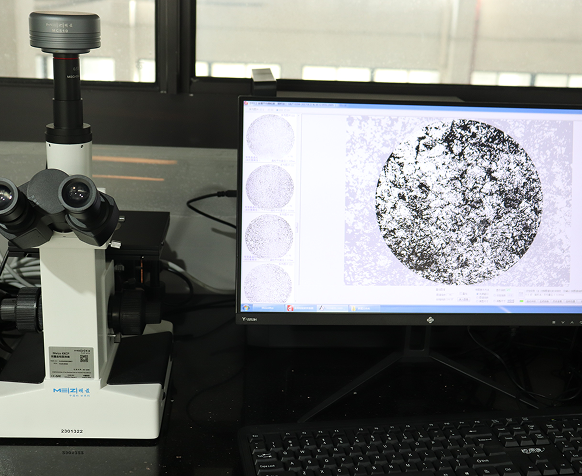
Heat-treatment-testing-gear-manufacturing-quality-control-process-Belon

Heat Treatment Testing

Roughness-test-lapped-bevel-gear-manufacturing-company-gear-supplier-Belon

Roughness Testing

Accuracy-inspection-lapped-bevel-gear-manufacturing-company-Belon

Accuracy Inspection

Lapped-bevel-gear-meshing-testing-gear-manufacturing-company-Belon

Meshing Testing

Dimension-inspection-gear-manufacturing-process-equipment-Belon

Dimension Inspection

Material-testing-gear-manufacturing-process-equipment-Belon

Material Testing

Hardness-inspection-gear-manufacturing-process-belon

Hardness Inspection

Heat-treatment-testing-gear-manufacturing-quality-control-process-Belon

Heat Treatment Testing

Roughness-test-lapped-bevel-gear-manufacturing-company-gear-supplier-Belon

Roughness Testing

Accuracy-inspection-lapped-bevel-gear-manufacturing-company-Belon

Accuracy Inspection

Lapped-bevel-gear-meshing-testing-gear-manufacturing-company-Belon

Meshing Testing

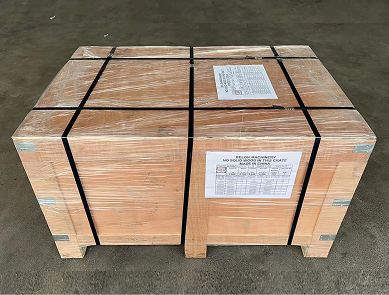
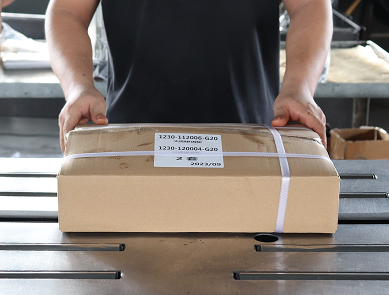
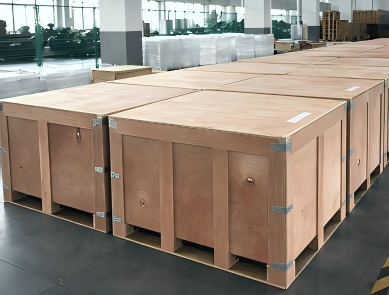
Packages

Professional Packaging Safe Arrival

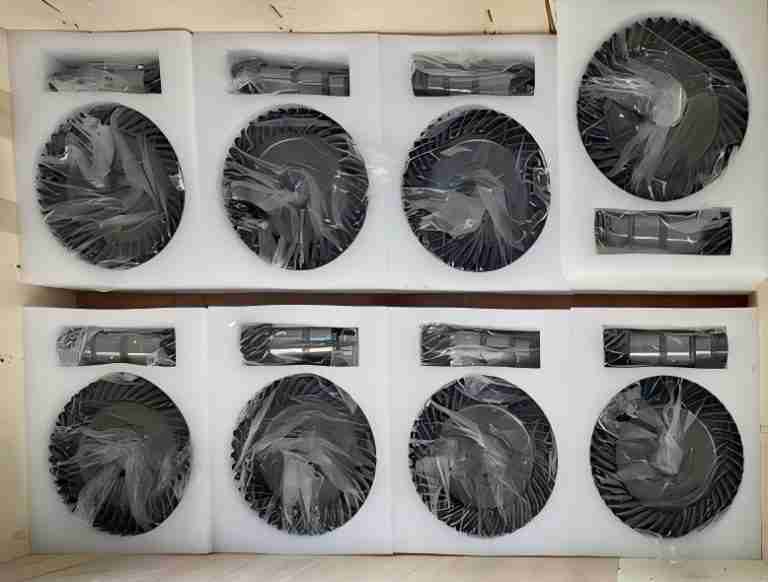
Customized cost-effective packages for products protection. We select multi-model solutions, combining air, sea, or land freight for the optimal balance of cost, speed, and reliability.
Gear-product-inner-package-custom-gear-manufacturer-Belon

Inner Package

Crate-straight-bevel-gear-custom-gear-manufacturer-gear-solutions-Belon

Out Package

Carton-Package-Gear-Manufacturing-Company-Belon

Carton

Wooden-package-gear-manufacturer-gear-solutions-Belon

Wooden Package

Similar products

You May Be Interested In

lapping-gear-used-in-gearbox

Lapping Gear Used In Gearbox

  • Material: 20CrMnTi
  • Heat treatment: Carburization 58-62 HRC
  • Accuracy: DIN8
bevel-gear-set-used-in-gearbox-supplier-belon-machinery

Bevel Gear Set Used In Gearbox

  • Material: 18CrNiMo7-6
  • Heat treatment: Carburizing 58-62HRC
  • Accuracy: DIN 8
lapping-gears-lapped-spiral-bevel-gear-custom-gear-supplier-Belon

Lapping Gears

  • Material: 20CrMnTi
  • Heat treatment: carburization 58-62HRC
  • Accuracy: DIN 8
custom-gear-lapped-gears-spiral-bevel-gears-gears-factory-Belon

Custom Lapped Gears Spiral Bevel Gears

  • Material: 20CrMnTi
  • Heat treatment: Case hardening 58-62 HRC
  • Accuracy: DIN 7
View all product

Your Precision
Transmission Partner

Do you have drawings to be implemented, or problems to be solved? Please feel free to contact us. From initial inquiry and technical specification confirmation to production and delivery, our dedicated team will provide you with one-on-one service, ensuring that every step meets your stringent requirements for precision.
Contact Us