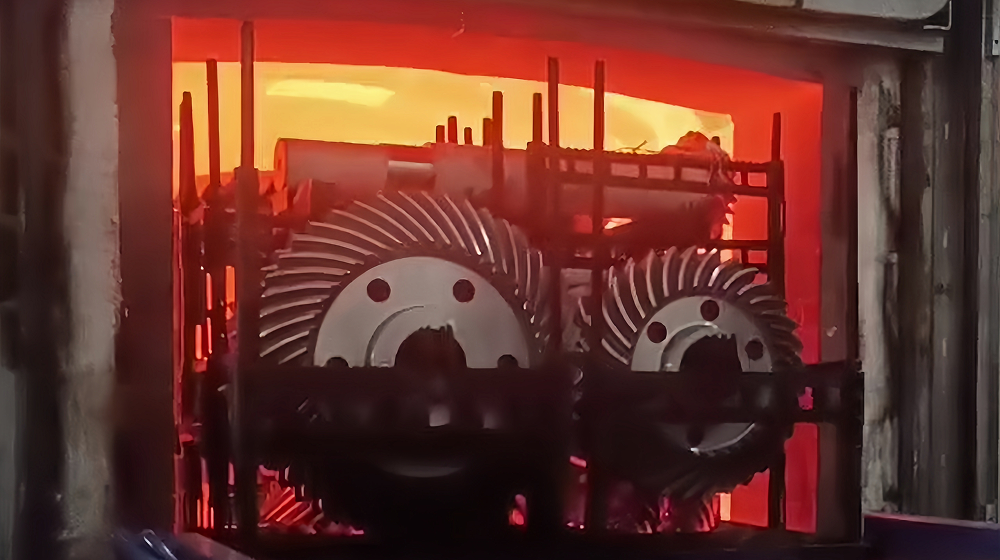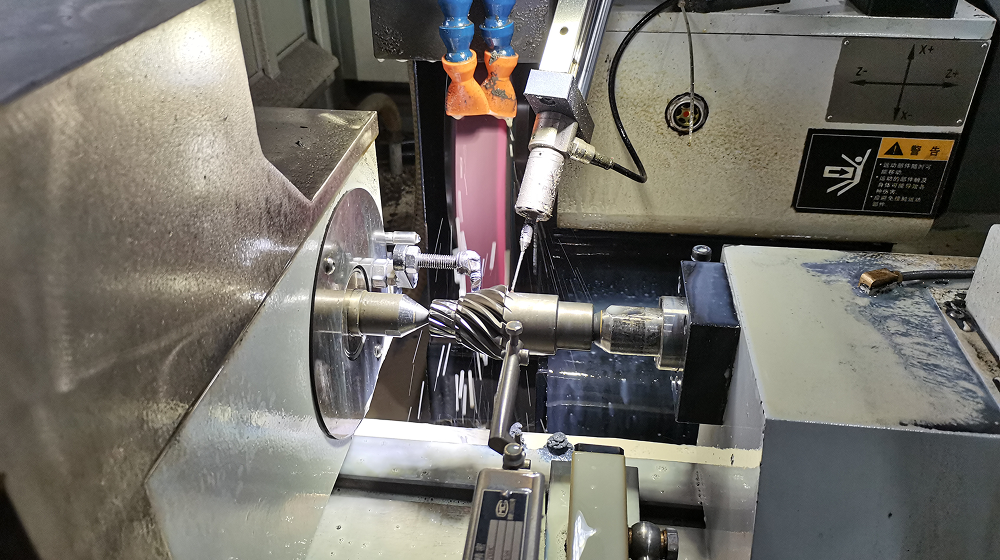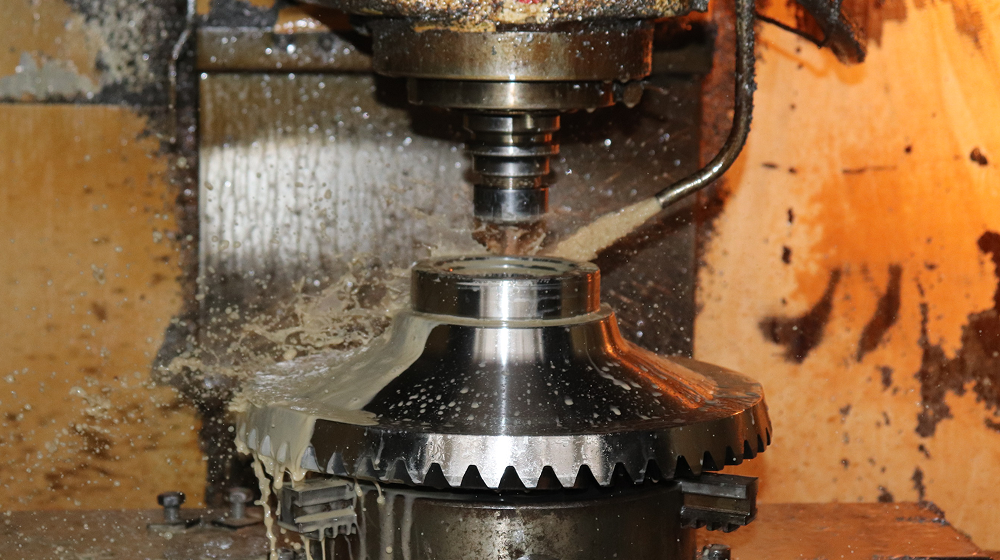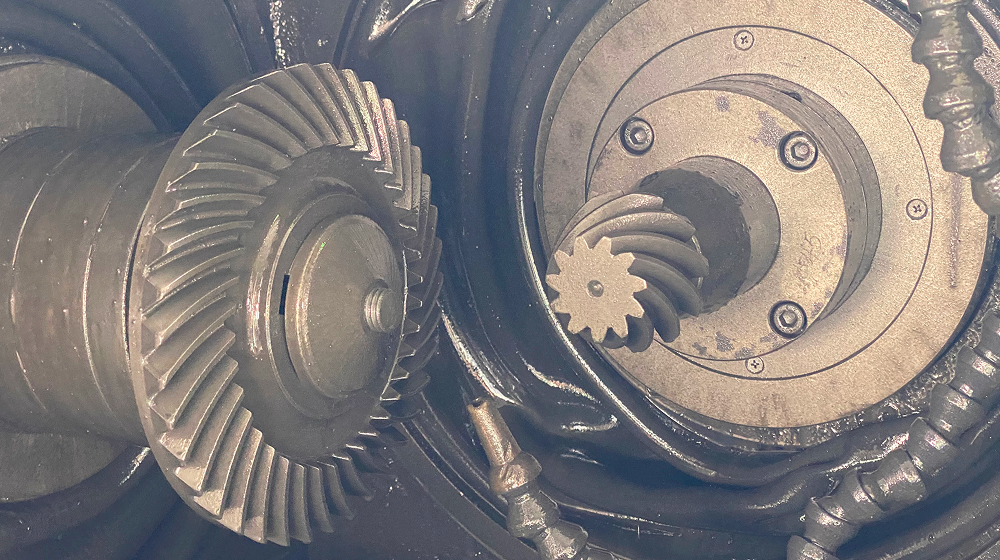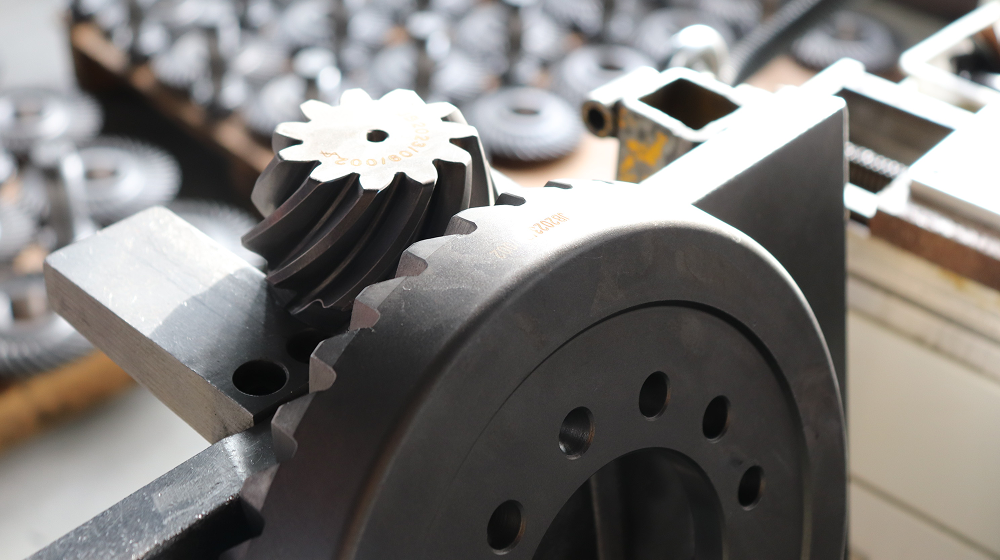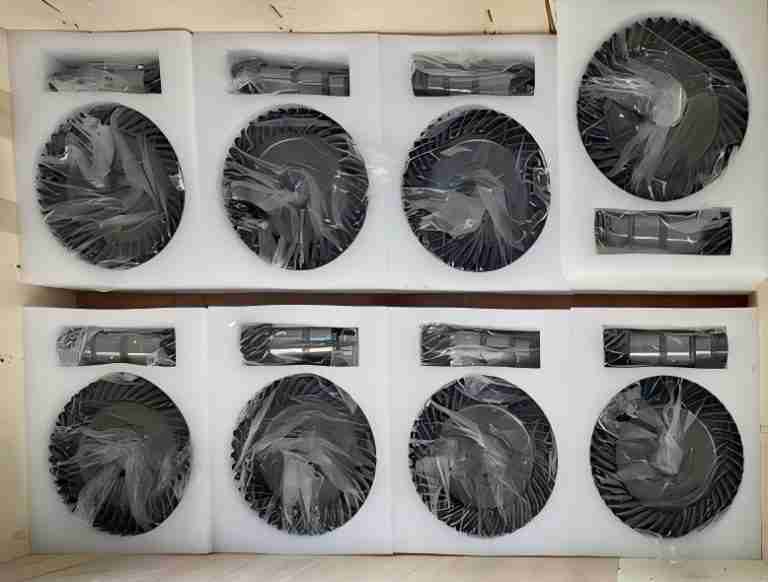
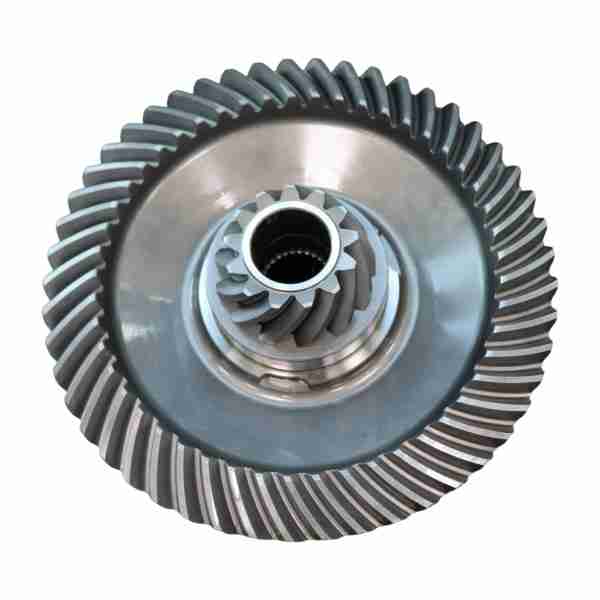
A large module lapped bevel gear is not a special type of gear. It is a standard bevel gear with a large tooth size, typically module 10 or above, that has been finished with the lapping process. Lapping transforms a good gear into a significantly better one by removing microscopic high spots from the tooth surface. For large module gears, lapping is even more important than for small gears. The reason is simple. A large tooth has a larger surface area. Larger surfaces have more high spots and irregularities. When a large module gear is cut, the cutting forces are higher. The tool deflects more. The heat generated is greater. All of these factors create more surface imperfections. Without lapping, these imperfections cause uneven load distribution, high stress, noise, and premature wear. With lapping, the gear runs smoothly, quietly, and for much longer. For heavy-duty applications like mining, cement mills, steel mills, and marine propulsion, large module lapping bevel gears are the standard choice.
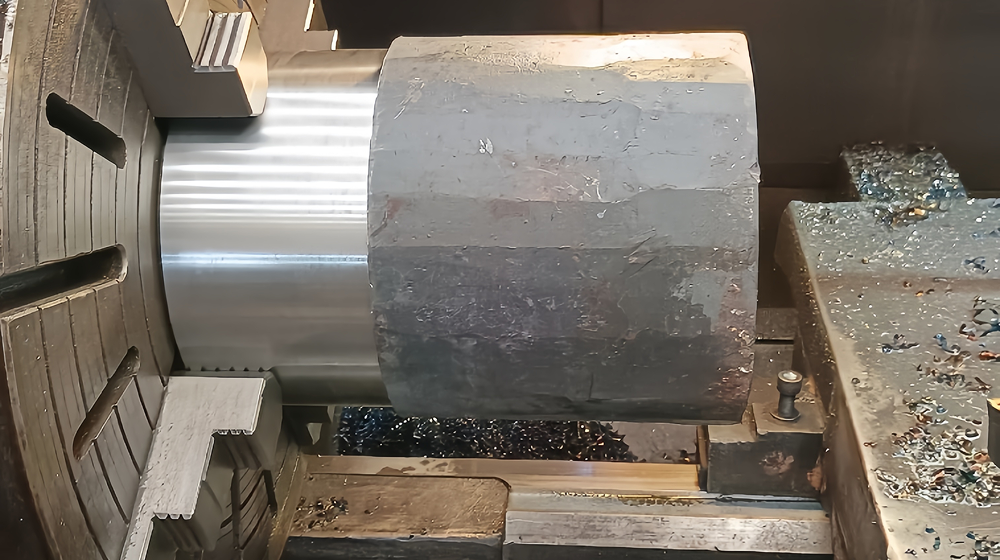
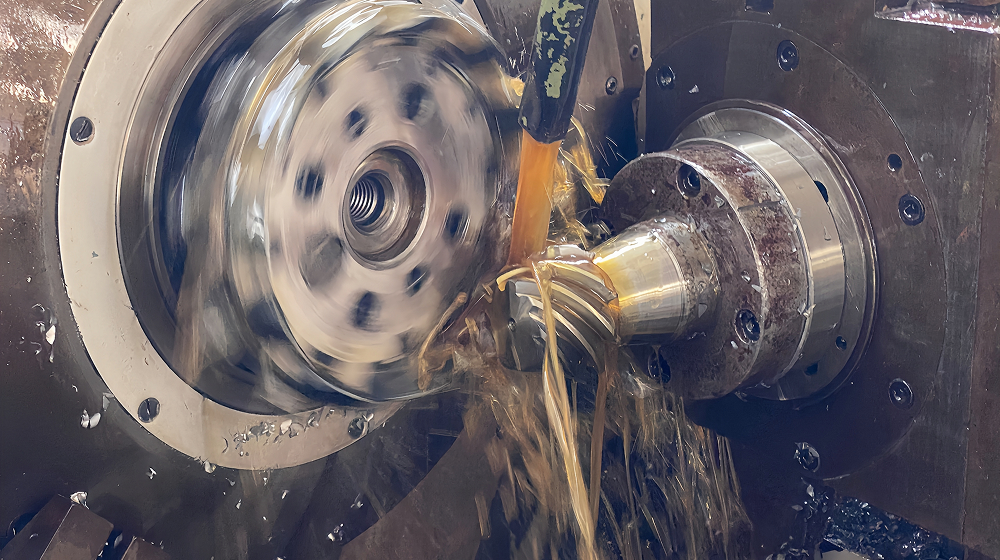
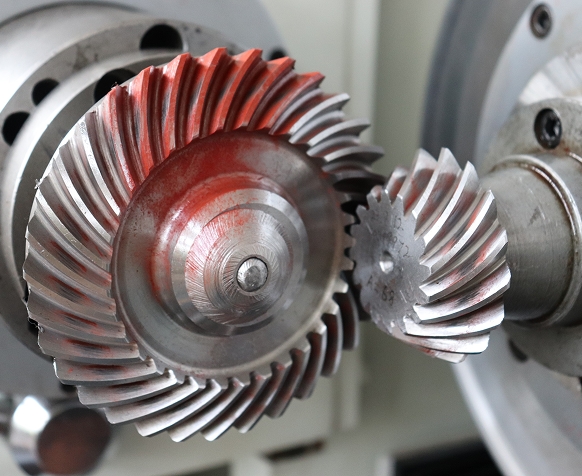
The fundamental problem that lapping solves is surface irregularity. When a large module bevel gear is cut by any conventional gear cutting machine, the tooth surface is not perfectly smooth. This is especially true for large gears. The cutting tool is large. The machine must handle high forces. The gear blank may weigh hundreds or even thousands of kilograms. Under these conditions, microscopic ridges, feed marks, and high spots are unavoidable. These imperfections are not visible to the naked eye, but they have a profound effect on gear performance. Under load, the high spots carry a disproportionate share of the force. They become localized stress concentrators. They generate heat. They break through the lubricant film. They wear rapidly. And as they wear, they create debris that accelerates wear on the rest of the tooth surfaces. On a large module gear, each tooth carries a heavy load. A single high spot can cause a gear to fail months or years before it should. Lapping eliminates these high spots by running the gear against its mating gear with an abrasive compound between the teeth. The abrasive particles are harder than the gear material. As the gears rotate, the abrasive removes material only where contact occurs. The high spots, which contact first and contact hardest, are removed preferentially. As they are removed, more of the tooth surface comes into contact. The process continues until the contact pattern is uniform across the tooth width and height. At that point, the gears are said to be lapped in.
For large module gears, the lapping process is similar to smaller gears but with important differences. First, the equipment is much larger and more powerful. Large lapping machines can handle gears up to two meters in diameter or more. Second, the cycle time is longer. While a small gear might lap in two to three minutes, a large module gear may require ten to twenty minutes or more. The abrasive must work longer to remove high spots from the larger tooth surfaces. Third, the operator must pay close attention to the contact pattern. Marking compound is applied repeatedly during the cycle. The operator examines the pattern and adjusts the lapping pressure and position as needed. The goal is a smooth, even pattern covering at least 60 percent of the tooth width and 50 percent of the tooth height. Fourth, cleaning is critical. Large gears have more surface area to retain abrasive particles. Residual abrasive left on a large gear will cause rapid wear in service. Cleaning is typically done with high-pressure washing followed by solvent baths, sometimes multiple times. The results are measurable and meaningful. Noise levels typically drop by 3 to 5 decibels. Vibration levels decrease proportionally. Contact stress is reduced because the load is spread across more of the tooth surface. Wear life extends, often by 30 to 50 percent or more. Break-in time, the period during which a new gear set must be run at reduced load to avoid damage, is drastically shortened. A non-lapped large module gear set may require 50 to 100 hours of break-in. A lapped set can often go directly to full load. For heavy industry, where downtime costs thousands of dollars per hour, this reduction in break-in time alone justifies the cost of lapping.
Large module lapping bevel gears are not the answer for every application. For very low-speed, very light-load applications, a cut gear is perfectly adequate. For ultra-high-precision applications requiring the highest possible accuracy, grinding is necessary. But grinding large module gears is extremely expensive. The grinding machines are costly. The process is slow. The wheel wear is high. For the vast majority of heavy-duty industrial, mining, and marine applications, lapping offers the best balance of performance and cost. A lapped large module bevel gear performs much better than a cut gear, at a fraction of the cost of a ground gear.