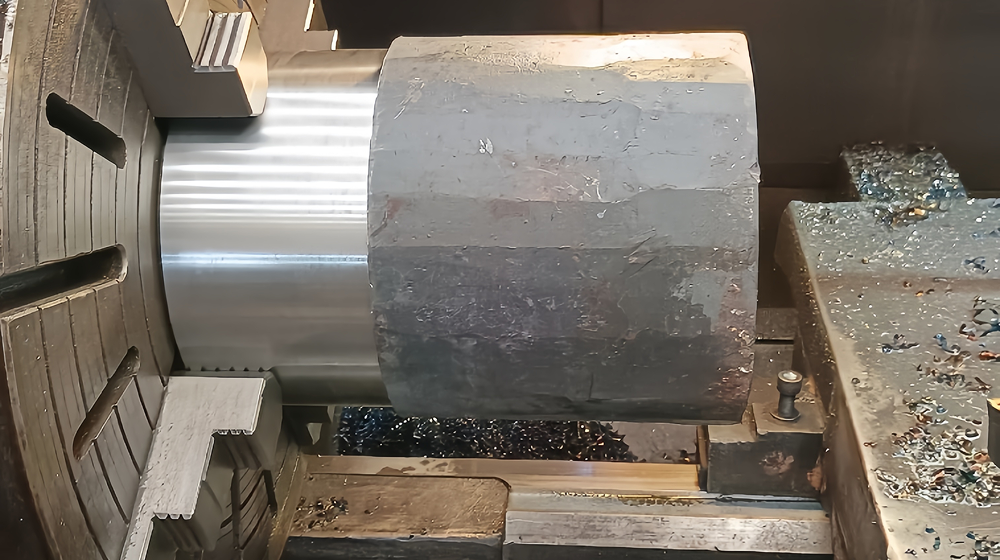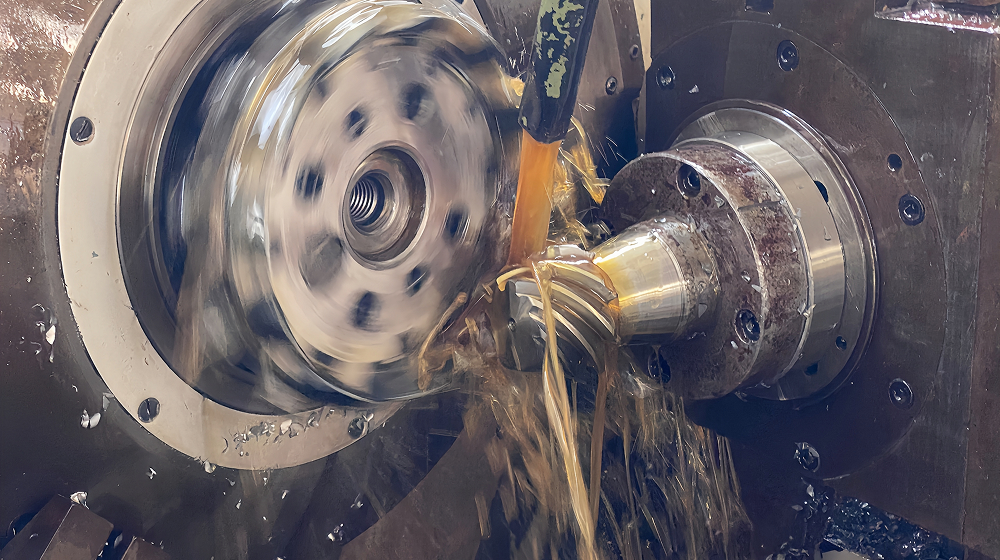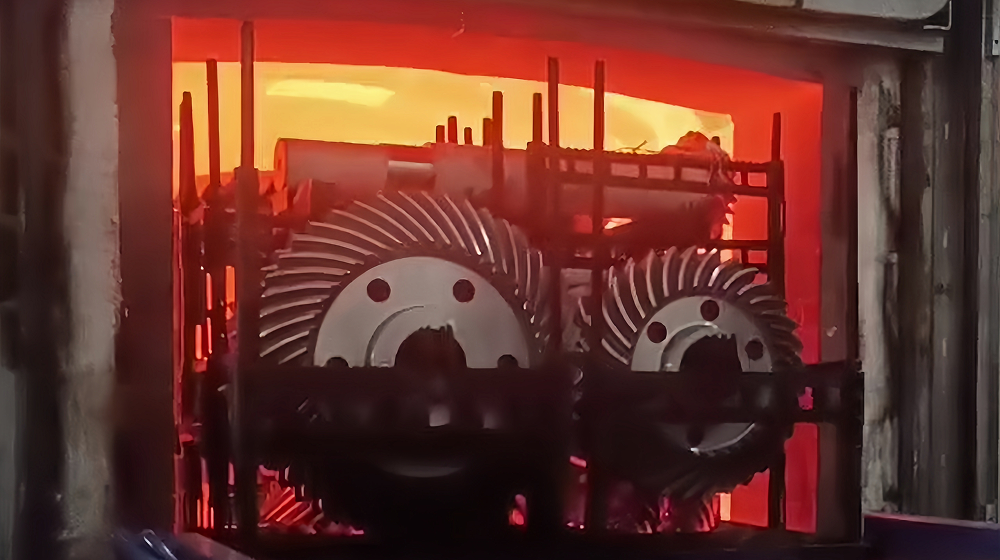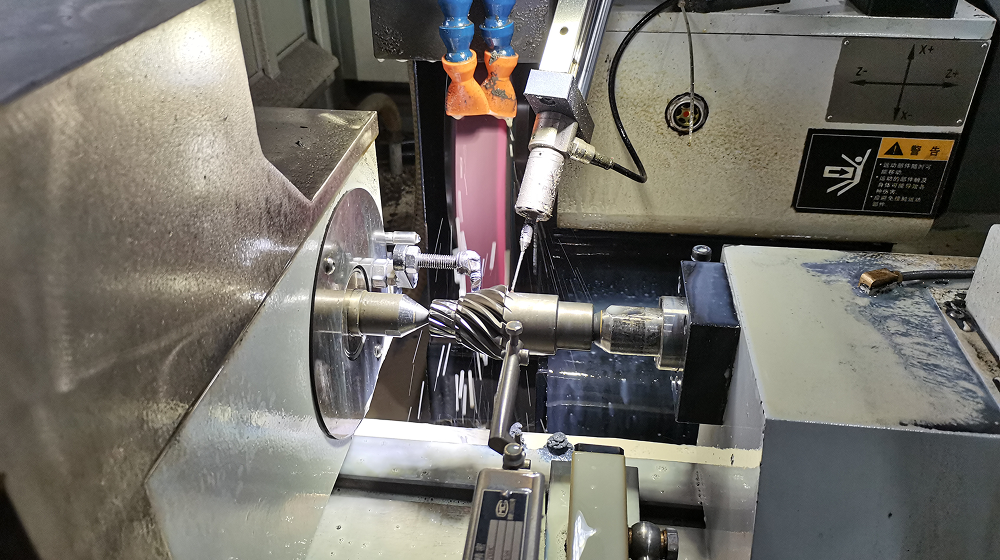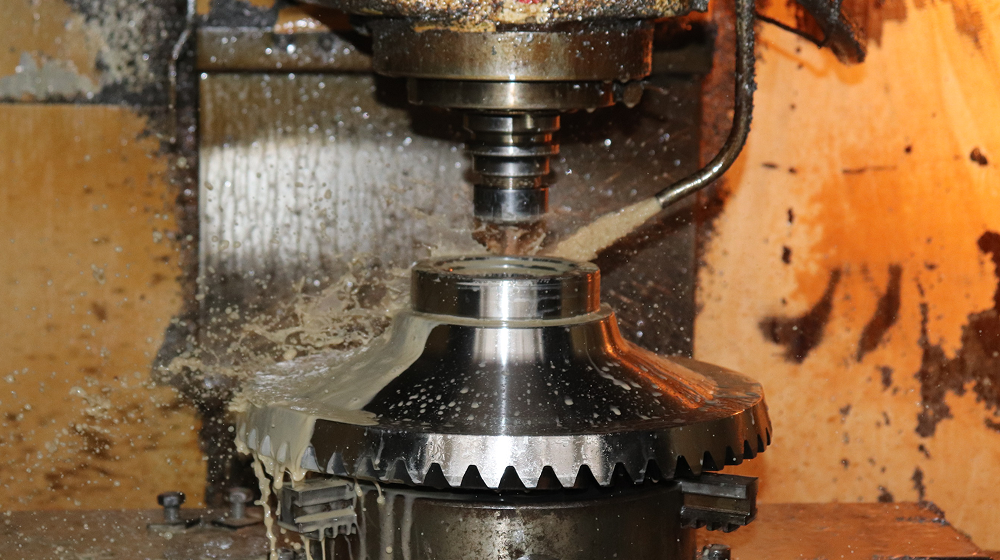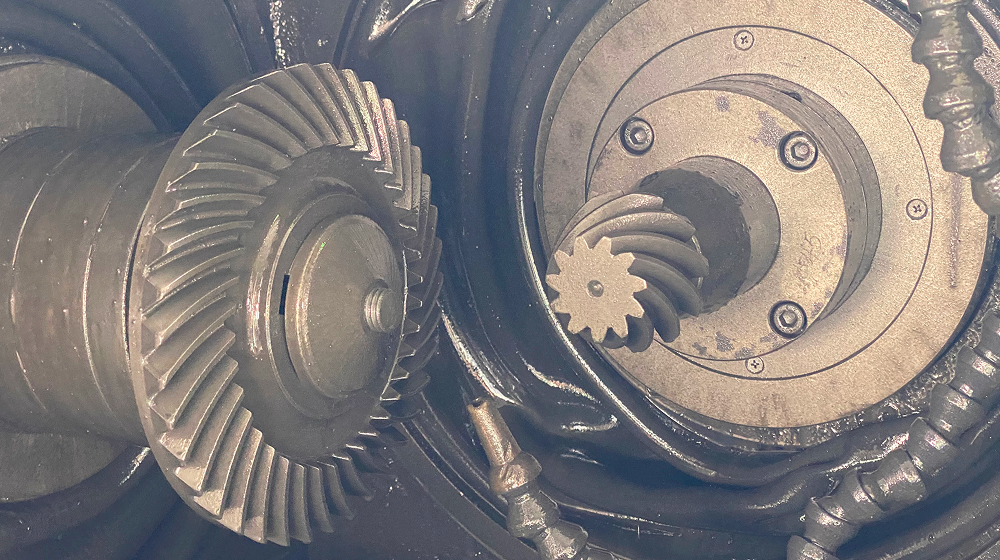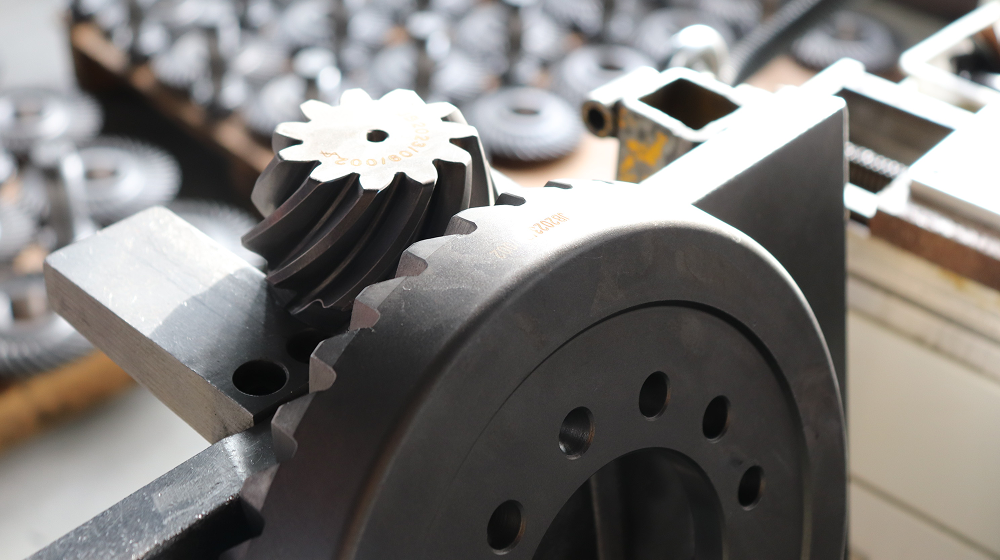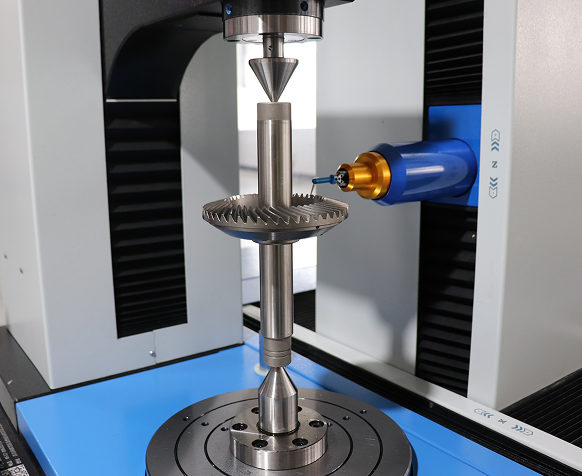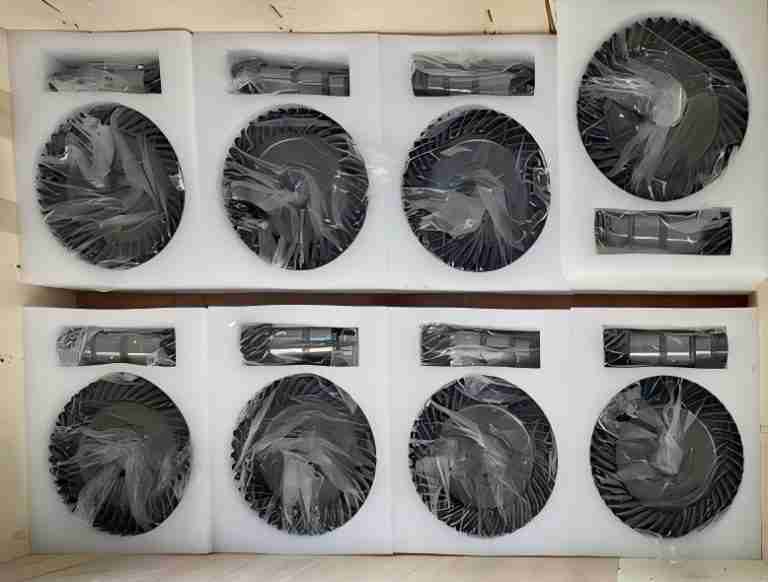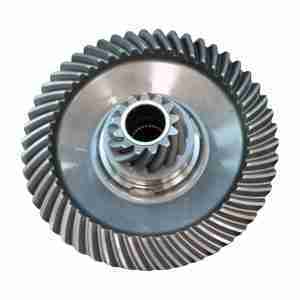
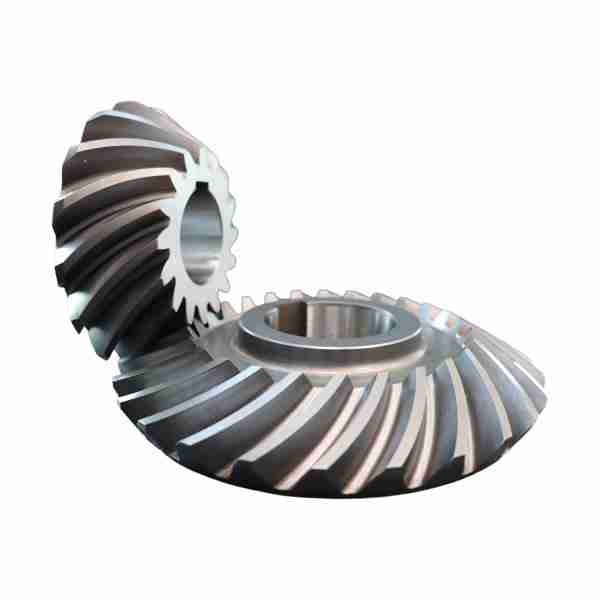
A lapped bevel gear is not a different type of gear. It is a standard bevel gear that has been subjected to an additional finishing process called lapping. This process transforms a good gear into a significantly better one, with measurable improvements in noise, vibration, wear life, and break-in time. For applications where grinding is too expensive and cutting alone is insufficient, lapping occupies the ideal middle ground.
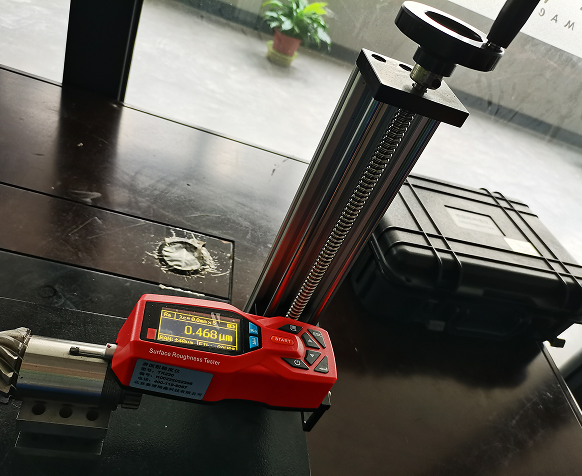
The fundamental problem that lapping solves is surface irregularity. When a bevel gear is cut by any conventional gear cutting machine, the tooth surface is not perfectly smooth. Even with the best cutting tools and the most rigid machines, microscopic ridges, feed marks, and high spots remain. These imperfections are not visible to the naked eye, but they have a profound effect on gear performance. Under load, the high spots carry a disproportionate share of the force. They become localized stress concentrators. They generate heat. They break through the lubricant film. They wear rapidly. And as they wear, they create debris that accelerates wear on the rest of the tooth surfaces.
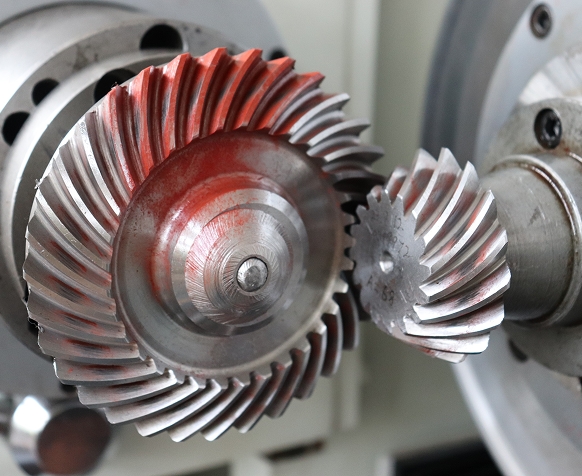
Lapping eliminates these high spots by running the gear against its mating gear with an abrasive compound between the teeth. The abrasive particles are harder than the gear material. As the gears rotate, the abrasive removes material only where contact occurs. The high spots, which contact first and contact hardest, are removed preferentially. As they are removed, more of the tooth surface comes into contact. The process continues until the contact pattern is uniform across the tooth width and height. At that point, the gears are said to be “lapped in.”
The results are measurable and meaningful. Noise levels typically drop by 3 to 5 decibels, a clearly noticeable reduction. Vibration levels decrease proportionally. Contact stress is reduced because the load is spread across more of the tooth surface. Wear life extends, often by 30 to 50 percent or more, depending on the application. Break-in time, the period during which a new gear set must be run at reduced load to avoid damage, is drastically shortened. A non-lapped gear set may require 20 to 50 hours of break-in. A lapped gear set can often go directly to full load.
Lapping is not the answer for every application. For very low-speed, very light-load applications, a cut gear is perfectly adequate. For ultra-high-speed or ultra-high-precision applications, grinding is necessary. But for the vast majority of industrial, mining, marine, and automotive applications, lapped bevel gears offer the best balance of performance and cost.