
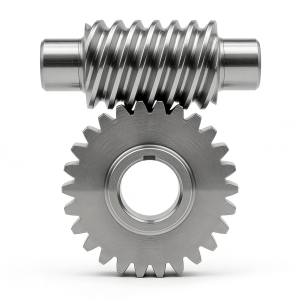
The operating principle of worm gears is meshing of a helical worm with a toothed worm wheel. As the worm rotates, it drives the worm wheel through sliding contact along the helical tooth surfaces. This type of worm gears drive enables a high reduction ratio within a compact space and offers self-locking capabilities (preventing back-driving), along with smooth, low-noise operation. Due to friction, transmission efficiency is relatively low, and lubrication is typically required. The axes of the worm and the worm wheel are perpendicular to each other, enabling right-angle power transmission. Belon is able to produce such precision worm gears for worm gear reducers as per your specific request.

Worm Gears For Worm Gear Reducers
Specification
Module
1
Application
Worm gear reducers
Material
GZ-CuSn12Ni + 16MnCr5
Heat Treatment
NA + 57-61HRC
Accuracy
DIN8 + DIN6
How to Ensure the Quality of Worm Gears?
Ensuring the precision and quality of worm gears is a systematic process involving materials, machining, and inspection.
- Strict Control of Raw Materials
High-quality raw materials and superb machining techniques form the foundation for ensuring precision.
Raw materials must undergo rigorous testing to ensure that parameters such as chemical composition, physical properties, hardness, and microstructure meet specifications. For instance, alloy steel is commonly used for worms, while bronze or cast iron is typically used for worm gears. For alloy steel, heat treatment processes are precisely controlled to achieve the designed surface hardness (e.g., HRC 58–62) and core toughness, while also minimizing deformation.
- Precision Machining
Parameters such as concentricity, profile error, and surface roughness must be strictly controlled during every stage of processing—including turning, milling, drilling, and grinding.
-
- Worm: Precision finishing is generally performed using CNC worm grinding machines to ensure extremely high precision (typically DIN 6).
- Worm gear: Machining is carried out on precision gear hobbing machines (typically DIN 8).
- Comprehensive Quality Inspection
Comprehensive inspection is crucial for verifying precision and identifying issues.
-
- Use specialized instruments to take precise measurements of individual components.
- Inspect tooth profile, pitch, and helix characteristics using gear profile testers and Coordinate Measuring Machines (CMMs).
- Check radial and axial runout using dedicated runout testers.
- Conduct worm gear set meshing tests to evaluate contact patterns, backlash, center distance, noise, and vibration.
- Detect internal defects such as cracks or porosity using methods like ultrasonic testing and magnetic particle inspection.
Production process
9-Step Production Process
Worm Gear Casting
Worm Shaft Baiting
Turning or Machining
Worm Gear Hobbing
Worm Shaft Milling
Worm Shaft Grinding
OD Grinding
Worm Gear Marking
Worm Shaft Marking
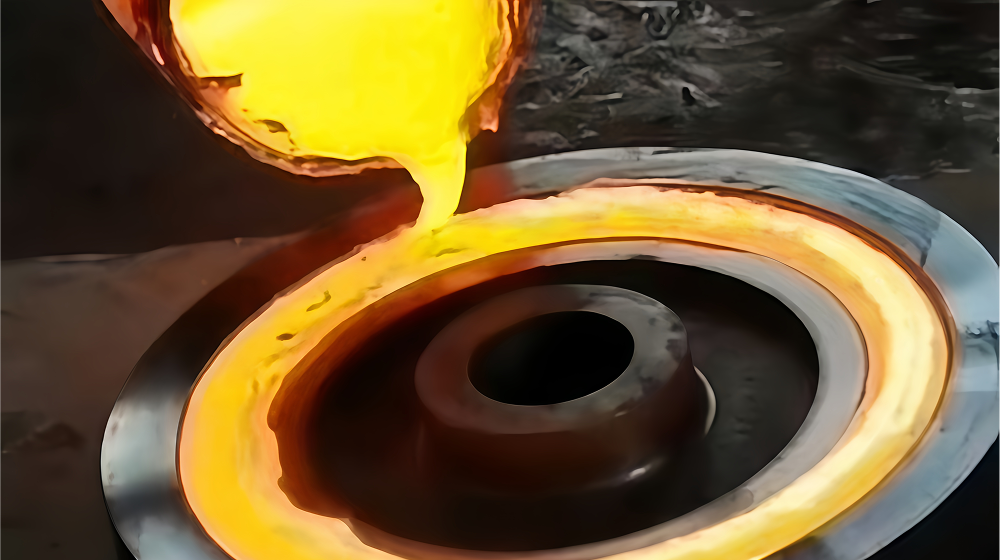
Worm Gear Casting
Worm gear casting uses molten metal poured into precision molds to form worm gears near-net shape, ideal for complex geometries and high-volume production.
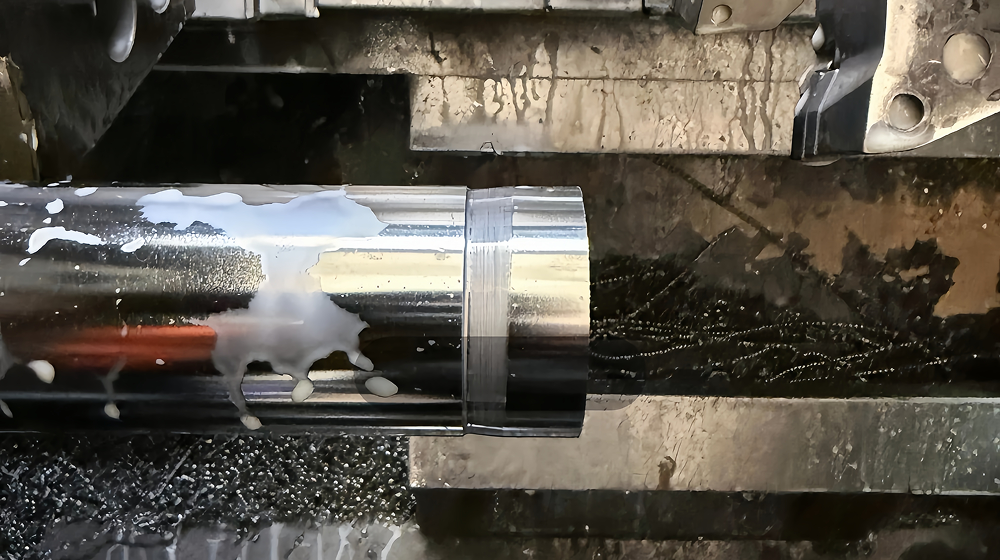
Worm Shaft Baiting
Baiting cuts raw steel bars to precise lengths, preparing consistent blanks for subsequent forging or machining operations.
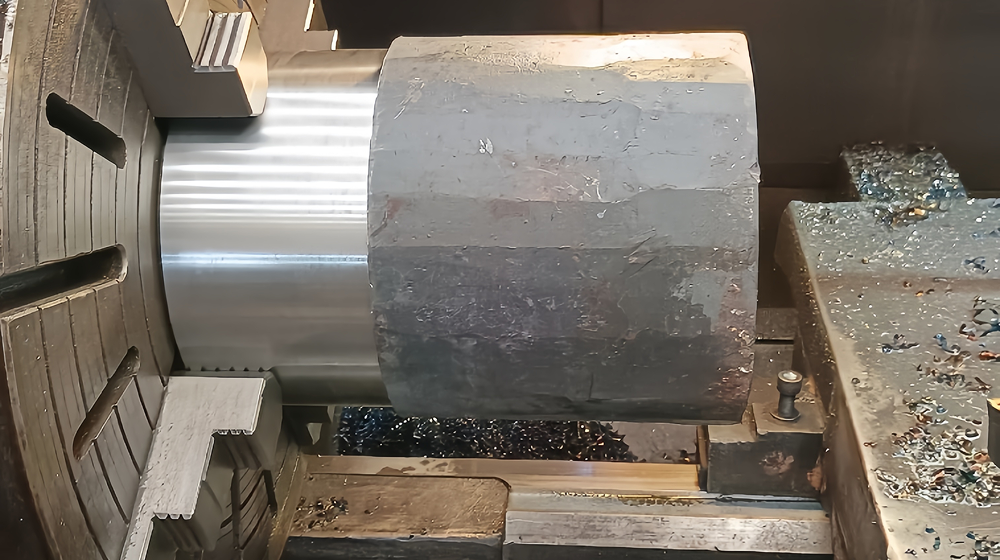
Turning or Machining
Turning or Machining includes rough and fine turning on a lathe, removing bulk material first and achieving final dimensions, tight tolerances and excellent surface finish for gears.
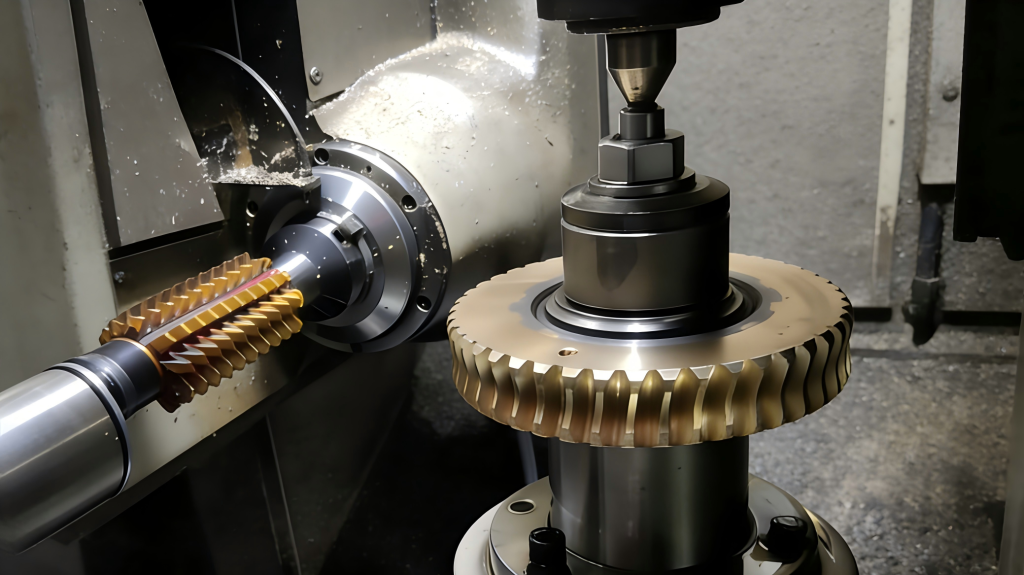
Worm Gear Hobbing
Gear Hobbing is a gear cutting process that used a worm-like cutting tool called a hob cutter meshes with a gear blank in a continuous, synchronized motion (like a worm gear pair).
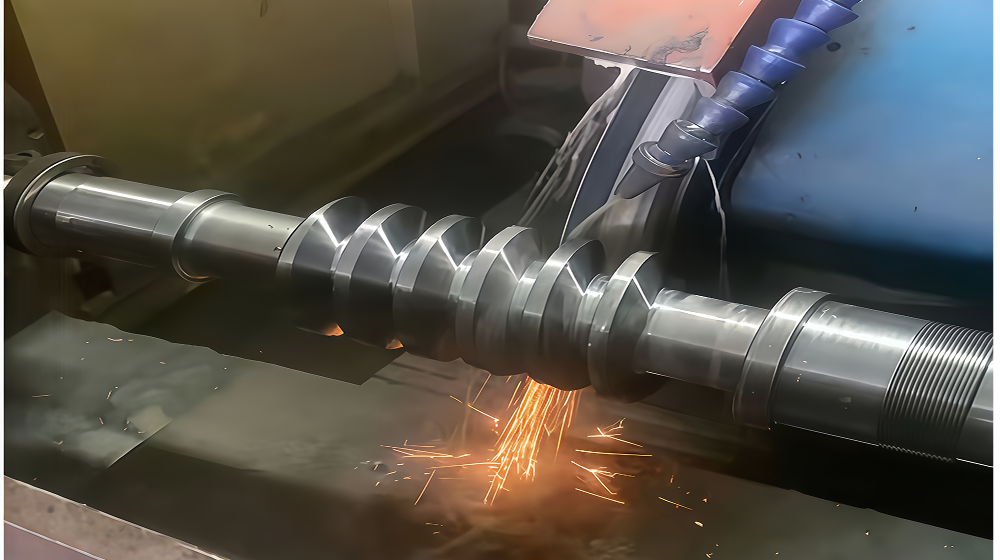
Worm Shaft Milling
In worm shaft milling, a threaded rotating cutter progressively generates the worm profile, ensuring precise thread geometry and surface finish.
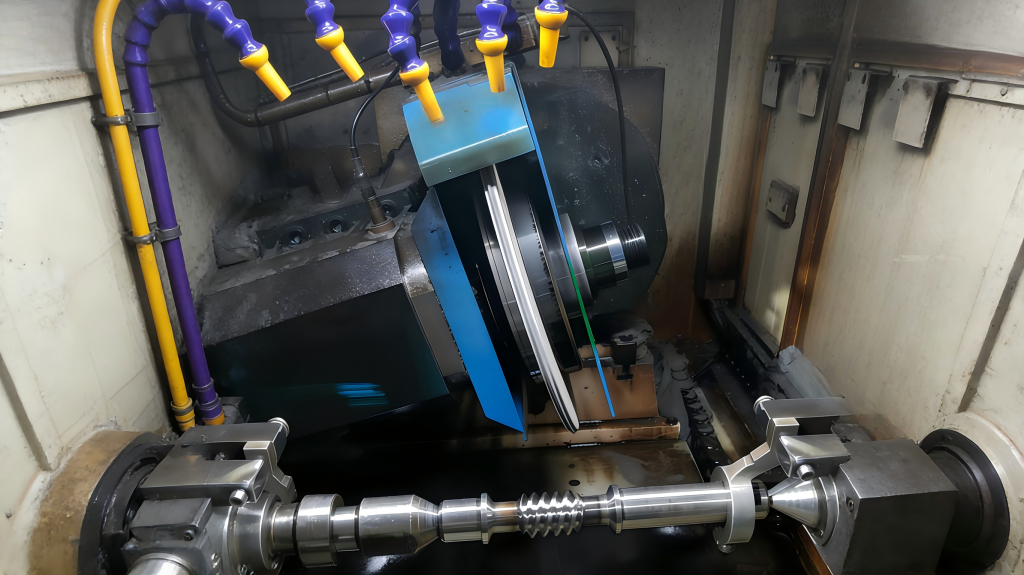
Worm Shaft Grinding
Worm shaft grinding uses a rotating grinding wheel to achieve precise thread geometry and superior surface finish.
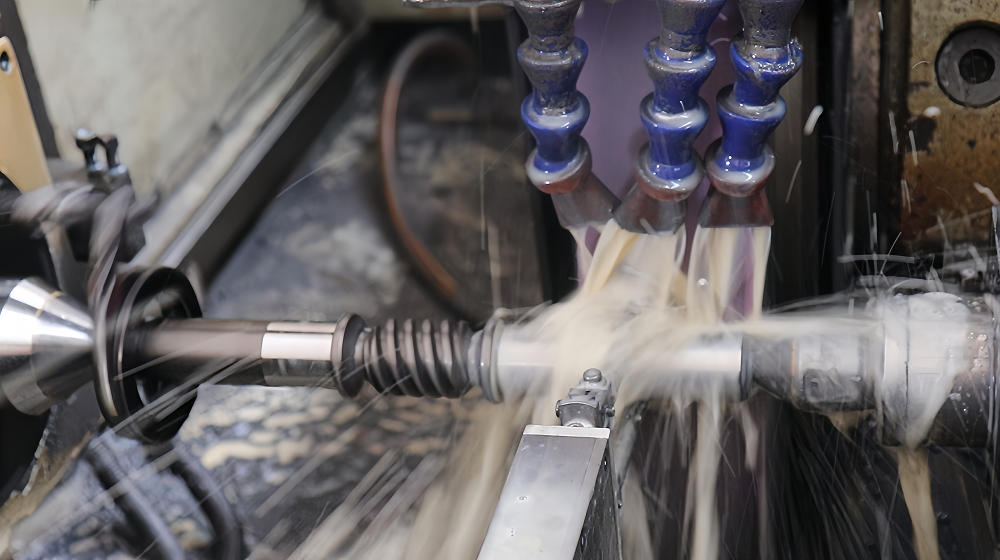
OD Grinding
OD Grinding is also called External Cylindrical Grinding, which is in order to finish the external cylindrical surface of a gear to precise diameter, roundness, and surface finish.
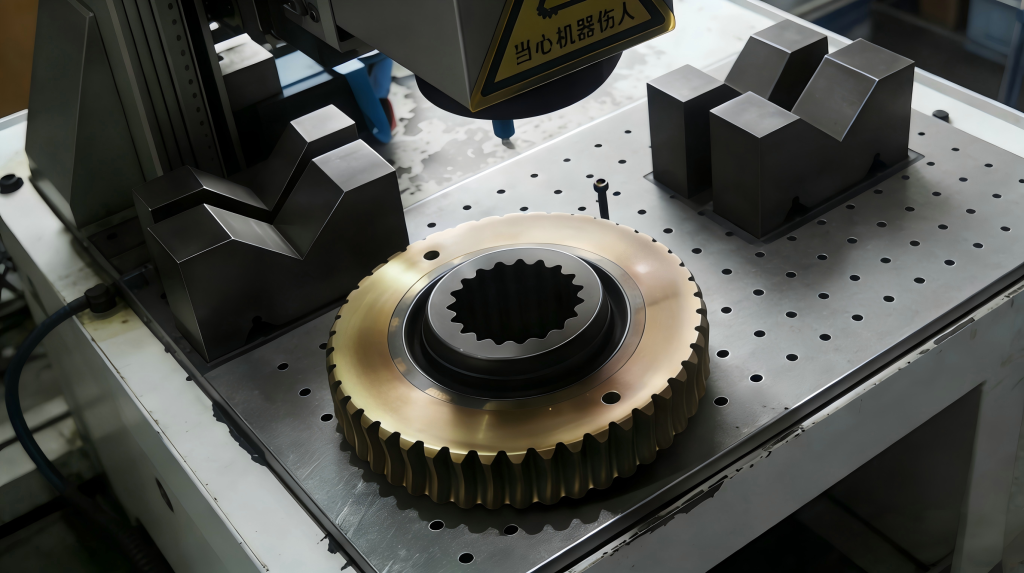
Worm Gear Marking
Precision laser marking permanently engraves traceability data (part numbers, date codes, logos) onto gears, ensuring reliable identification and quality tracking throughout the product lifecycle.
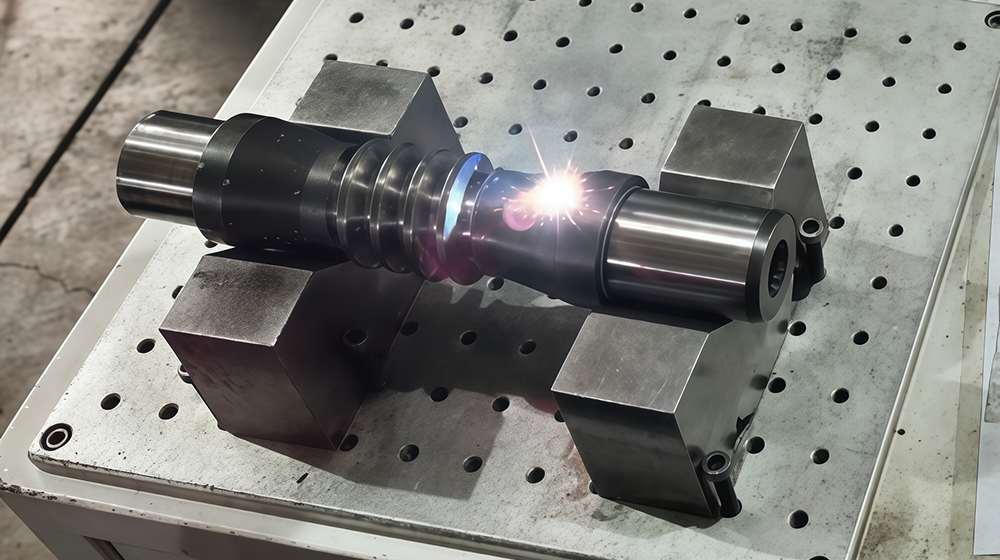
Worm Shaft Marking
Precision laser marking permanently engraves traceability data (part numbers, date codes, logos) onto gears, ensuring reliable identification and quality tracking throughout the product lifecycle.
Inspection
Strict Quality Inspection
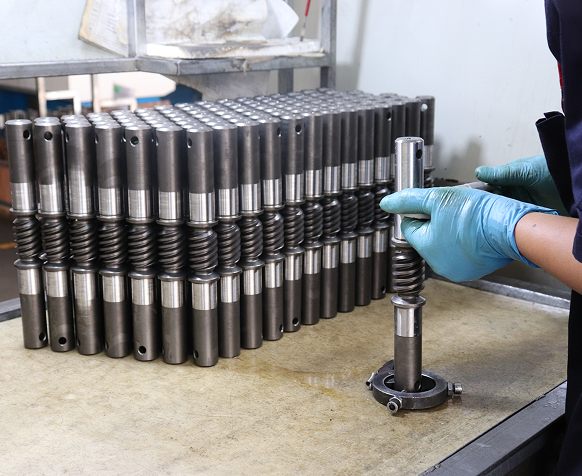
Dimension Inspection
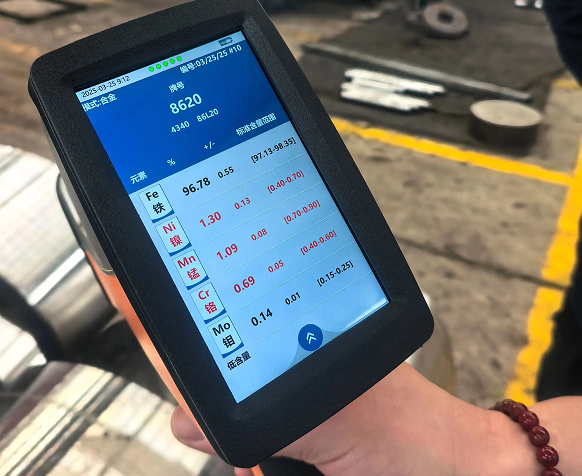
Material Inspection
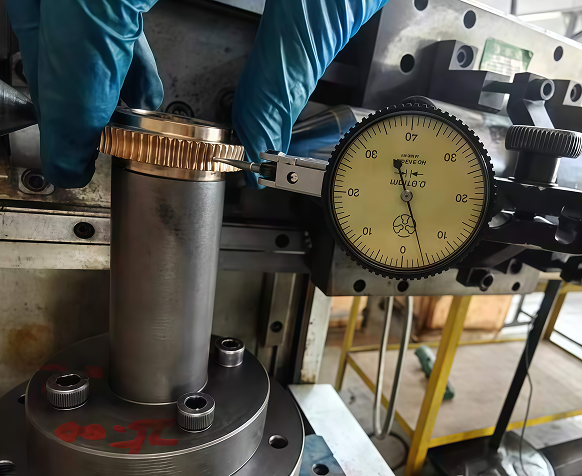
Runout Testing
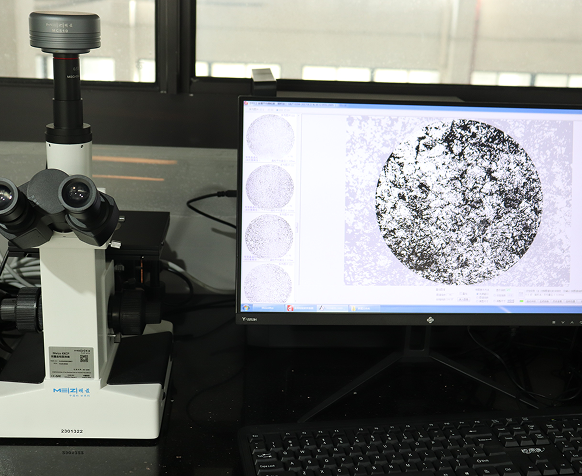
Heat Treatment Testing
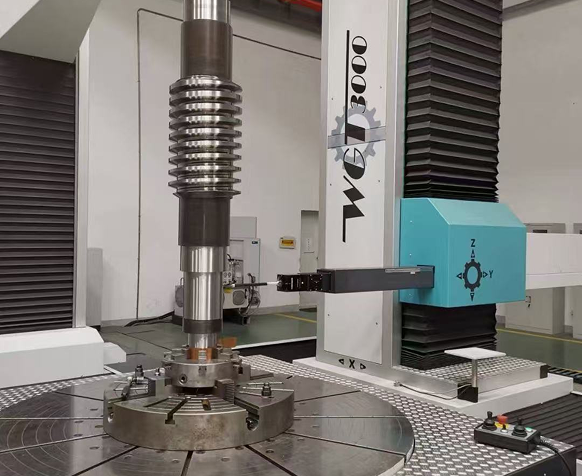
Worm Shaft Accuracy Inspection
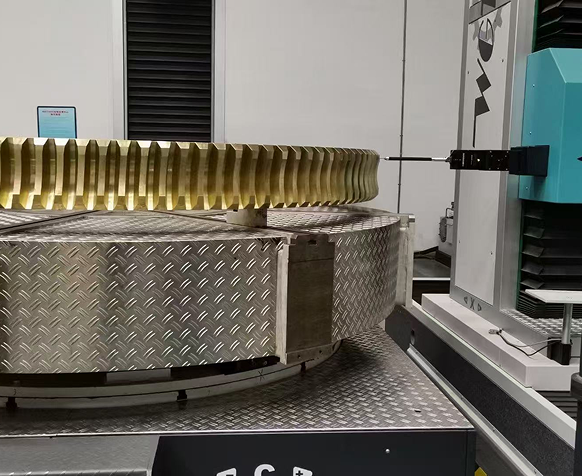
Worm Wheel Accuracy Inspection
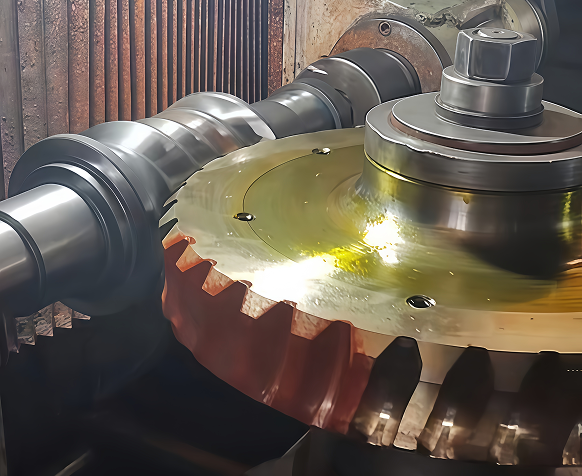
Meshing Testing
Dimension Inspection
Material Inspection
Runout Testing
Heat Treatment Testing
Worm Shaft Accuracy Inspection
Worm Wheel Accuracy Inspection
Meshing Testing
Download
Download To Learn More
Meshing Testing Report
09/03/2026
English
297KB
Worm Gear Dimension Report
09/03/2026
English
2MB
Worm Gear Material Report
09/03/2026
English
783KB
Worm Gear Accuracy Report
09/03/2026
English
1MB
Worm Gear Bubble Drawing
17/03/2026
English
319KB
Worm Shaft Dimension Report
09/03/2026
English
2MB
Worm Shaft Material Report
17/03/2026
English
96KB
Worm Shaft Accuracy report
09/03/2026
English
2MB
Worm Shaft Heat Treatment Report
17/03/2026
English
503KB
Worm Shaft Bubble Drawing
09/03/2026
English
635KB
Packages
Professional Packaging Safe Arrival
Customized cost-effective packages for products protection. We select multi-model solutions, combining air, sea, or land freight for the optimal balance of cost, speed, and reliability.
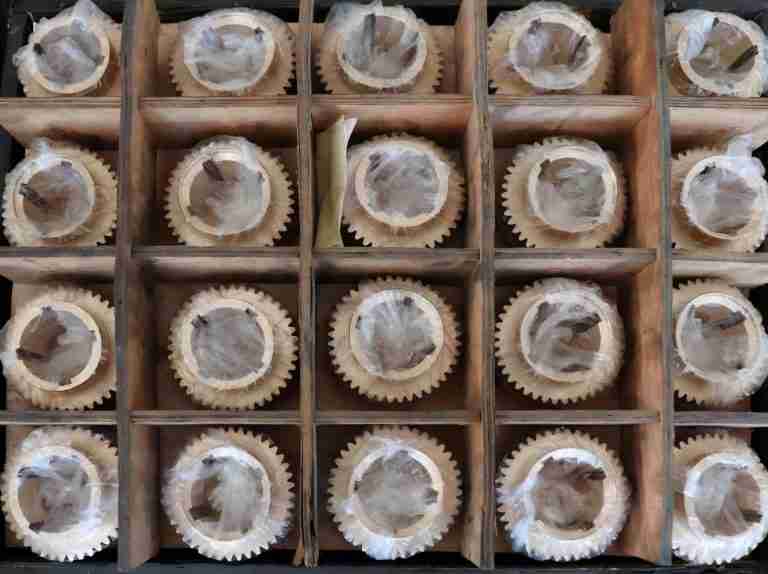
Inner Package
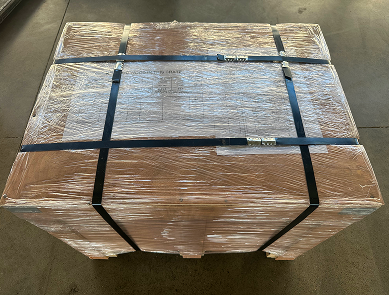
Out Package
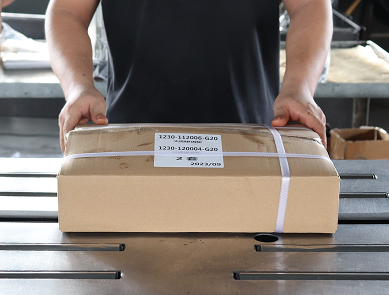
Carton
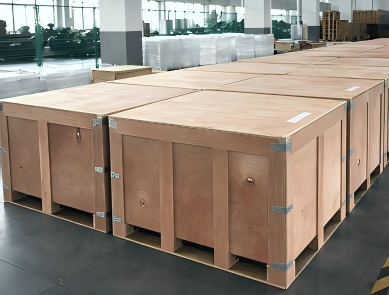
Wooden Package
Similar products
You May Be Interested In
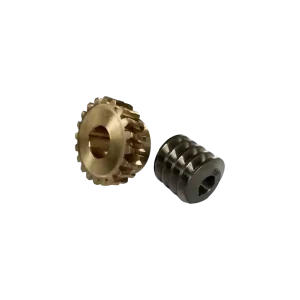
Worms & Worm Gears For Elevator Traction Machine
- Material: 20CrMnTi
- Heat treatment: HRC 58-62
- Accuracy: GB/T 10089
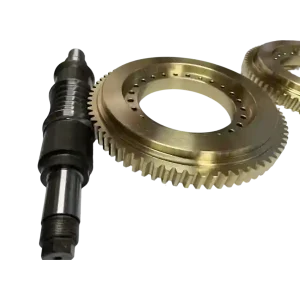
Worm Gear Set For Hoisting Machinery
- Material: ZCuSn10P1
- Heat treatment: HRC 58-62
- Accuracy: GB/T 10089-2018

Medium Worm Gear
- Material: 20CrMnTi + GZ-CuSn12Ni
- Heat treatment: 58-62HRC
- Accuracy: Worm wheel-DIN 8, Worm shaft-DIN6
Your Precision
Transmission Partner
Do you have drawings to be implemented, or problems to be solved? Please feel free to contact us. From initial inquiry and technical specification confirmation to production and delivery, our dedicated team will provide you with one-on-one service, ensuring that every step meets your stringent requirements for precision.
Contact Us