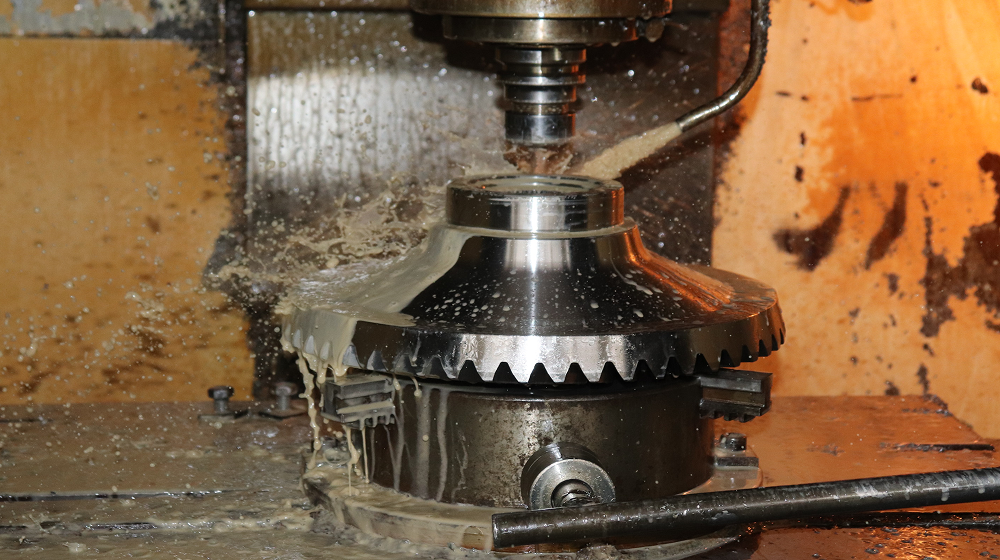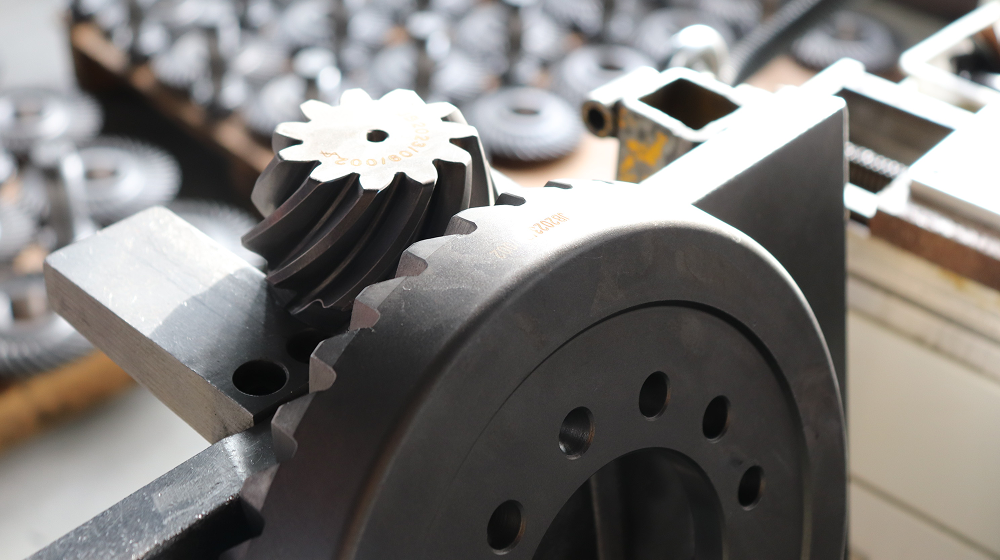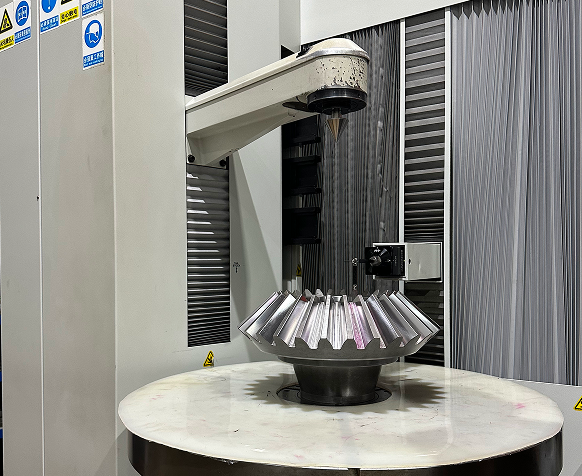

Straight bevel gears occupy a unique position in the spectrum of right-angle power transmission components, distinguished not by the sophistication of their tooth geometry but by the exceptional predictability they offer to design engineers confronting the uncertainties of heavy-industrial operation. The straight tooth trace, converging precisely at the cone apex, generates a mesh that is fundamentally free from axial thrust components under ideal alignment — a characteristic that eliminates the complex bearing preload management and thermal growth compensation that curved-tooth geometries demand, thereby simplifying the drivetrain architecture to its essential mechanical elements. This inherent axial force cancellation, however, represents merely the entry point of their engineering value proposition. The true differentiator lies in the deterministic load path that straight teeth establish: each tooth pair engages and disengages abruptly, creating a clearly defined force transmission chain that allows designers to calculate, with high confidence, the exact stress state at every point of the tooth flank and root under any conceivable loading scenario. This deterministic behavior contrasts sharply with the overlapping engagement of spiral bevel gears, where load distribution depends sensitively on manufacturing tolerances, assembly adjustments, and operating deflections — factors that introduce statistical uncertainty into the stress calculations and necessitate conservative design margins that reduce the effective power density.
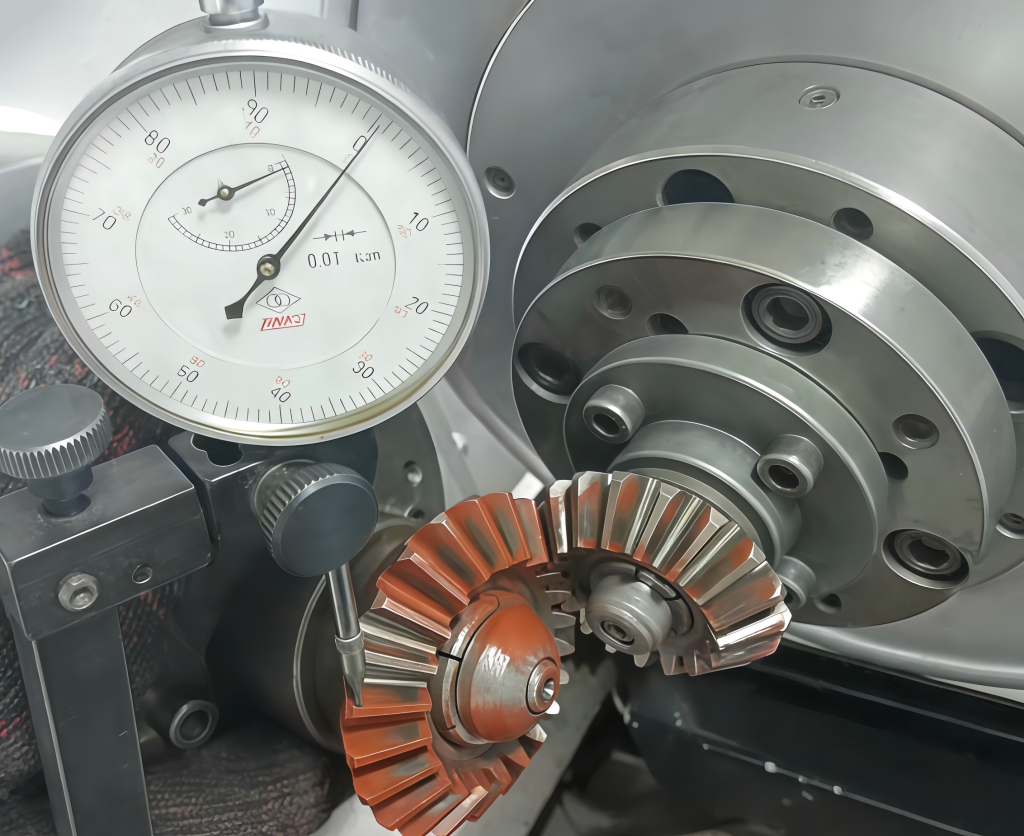
The geometric simplicity of straight bevel gears confers a critical advantage in field service environments where sophisticated diagnostic equipment is unavailable. The tooth surfaces are directly observable along their entire length, enabling maintenance personnel to assess contact pattern quality, surface condition, and wear progression using simple visual inspection and marking compound application, without requiring specialized borescopes or coordinate measurement systems. This inspectability translates to dramatically reduced mean-time-to-repair, as the root cause of abnormal operation — be it bearing wear, housing distortion, or lubricant degradation — can be identified and localized with minimal disassembly. Furthermore, the uniform taper of the tooth section creates a self-revealing wear characteristic: as teeth wear, the contact pattern shifts in a predictable and measurable manner, providing operators with quantitative indicators of remaining service life that enable condition-based maintenance planning. The fatigue response of these gears exhibits a similarly predictable pattern, with bending stresses at the root fillet — governed by the Lewis form factor and validated through extensive empirical testing — providing the primary design constraint that can be modeled with accuracy sufficient to guarantee service intervals within ±10 percent of predictions.
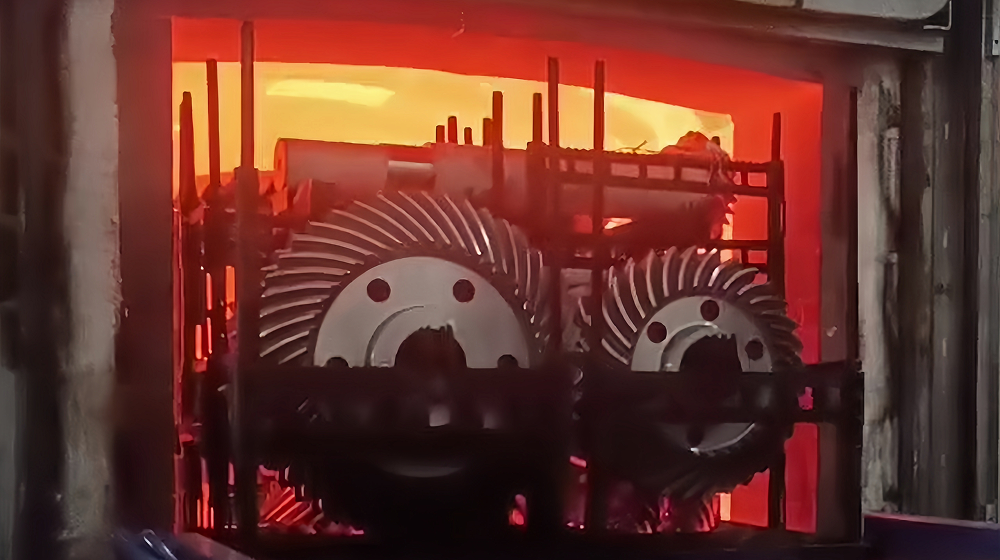
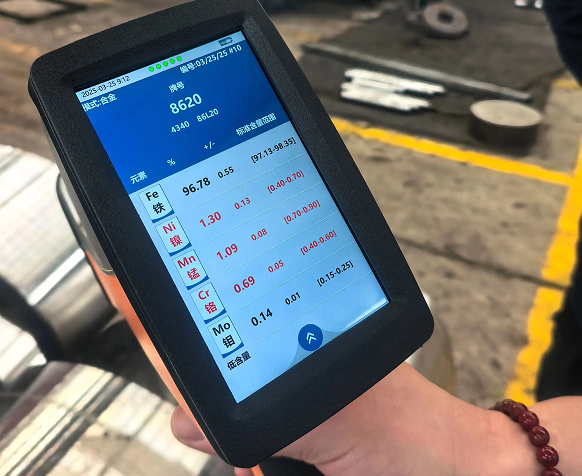
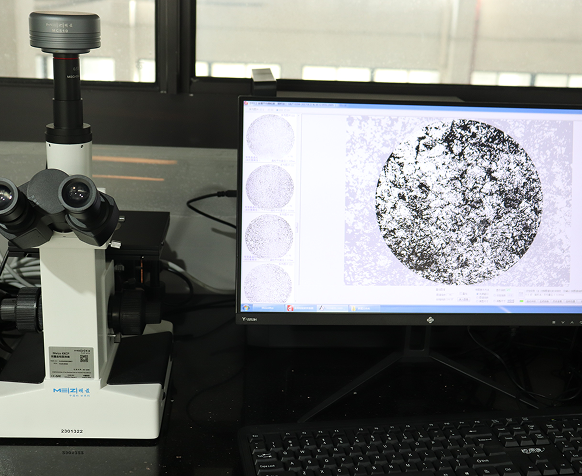
Material and heat treatment selection for these module 2 straight bevel gears follows a damage-tolerance logic that prioritizes fracture resistance over surface durability. The carburizing grades — 20MnCr5, 16MnCr5, and their equivalents — are specified not solely for their achievable surface hardness of 58–62 HRC, but more importantly for their exceptional core toughness, which ensures that even under severe overload conditions where surface fatigue initiates, the resulting cracks will be arrested by the ductile substrate before propagating to catastrophic fracture. This fail-safe characteristic is amplified by the negative tooth root geometry — the absence of the extensive undercut that characterizes modern gear designs — which preserves a generous fillet radius that minimizes stress concentration and provides a favorable residual stress distribution following shot peening. The resulting component embodies a design philosophy that accepts surface degradation as inevitable in heavy service, but ensures that such degradation progresses gradually and observably, without precipitating sudden, unpredictable failure that would endanger operators and immobilize critical equipment.