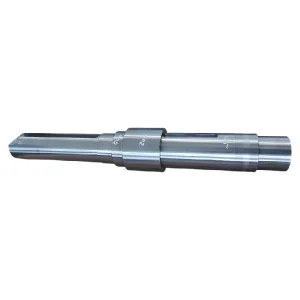

Water scooters are those small, fast personal watercraft that zoom across lakes and oceans. They are fun, they are fast, and they have a lot of parts working together to make that happen. One of those parts is the shaft. A shaft for water scooter is a pretty important piece of metal that does a simple but crucial job.
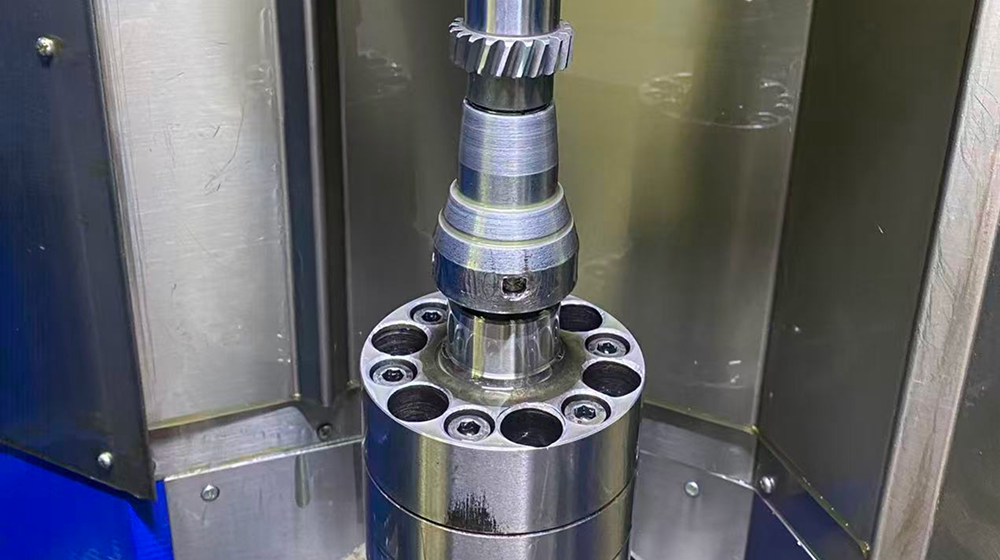
So what does a shaft for water scooter actually do? It connects the engine to the jet pump. The engine spins the shaft, and the shaft spins the impeller inside the pump. That impeller pushes water out the back of the scooter, and that thrust pushes the whole machine forward. No shaft, no spin, no movement. Simple as that.
Now, here is the thing. A water scooter is not like a car. A car drives on dry roads. A water scooter lives in water. Saltwater, fresh water, waves, splashes, spray – everything is wet all the time. That makes the job of the shaft a lot tougher.
- First, the shaft has to be strong enough to handle the engine’s power. Some water scooters have engines that put out a couple hundred horsepower. That is a lot of twist on a metal rod. The shaft has to take that twisting without bending or breaking.
- Second, the shaft has to survive in a wet environment. Regular steel would rust in no time. So most water scooter shafts are made from stainless steel. Stainless steel does not rust, so it can sit in wet conditions all day and still work fine.
- Third, the shaft has to be balanced. It spins at very high speeds – sometimes thousands of revolutions per minute. If it is off balance even a little, the whole machine vibrates. You would feel it in the handlebars. And vibration is not just annoying – it wears out bearings and seals faster.
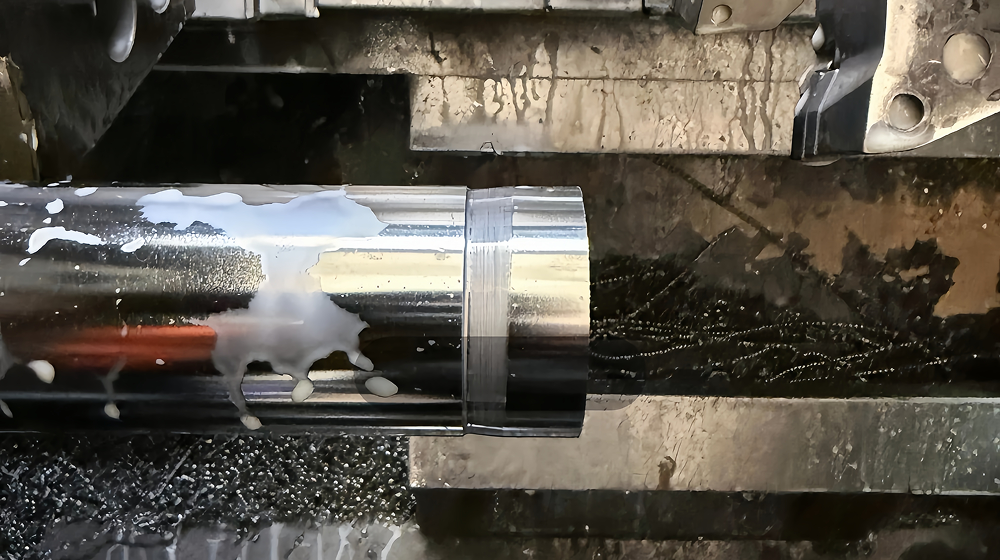
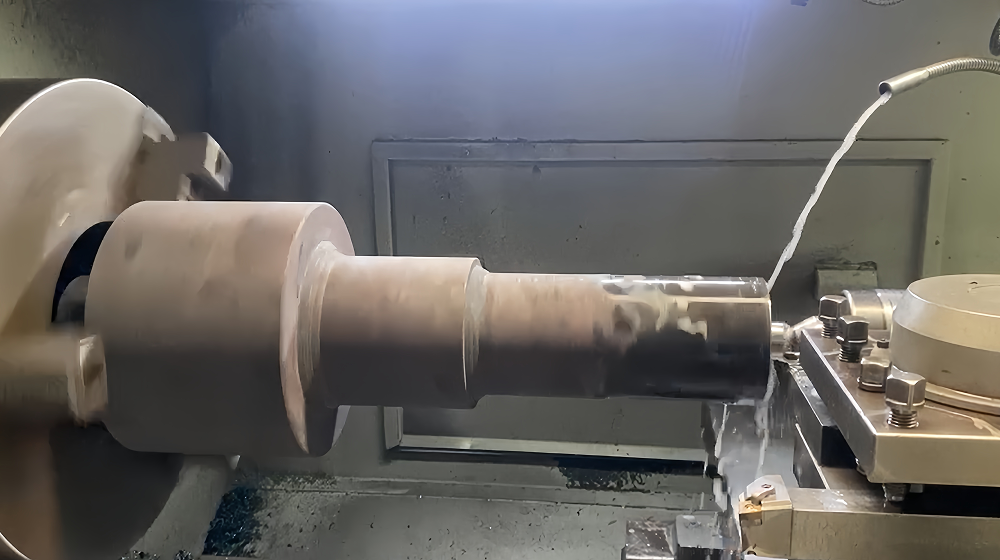
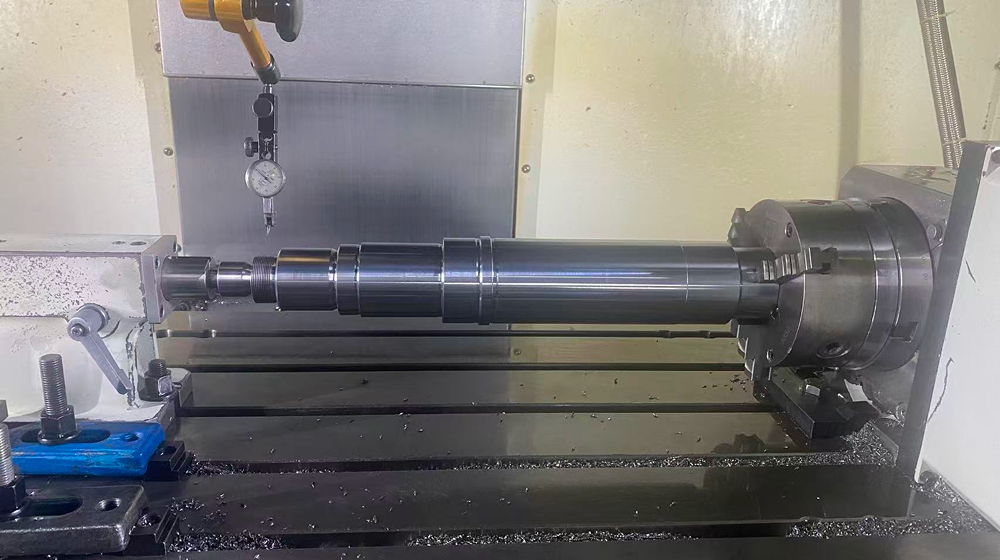
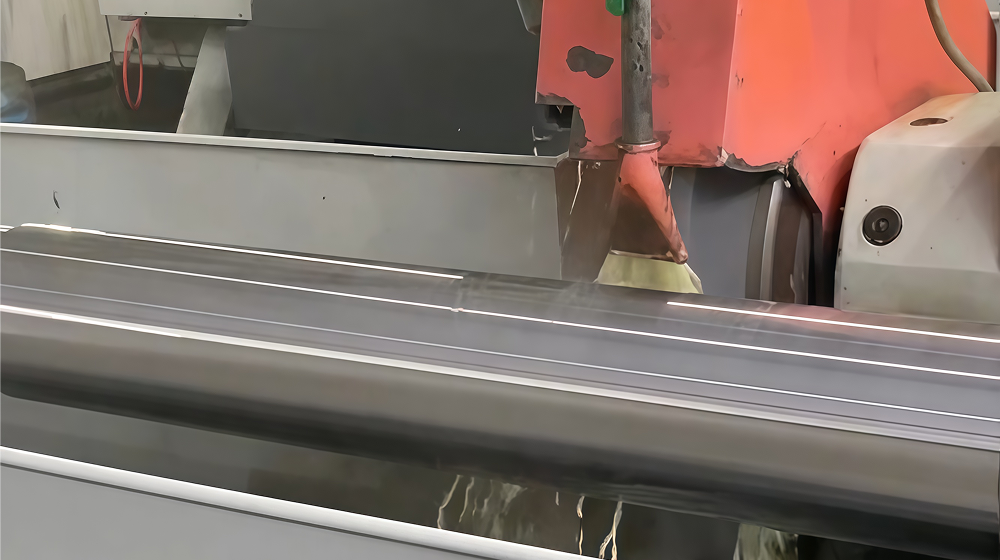
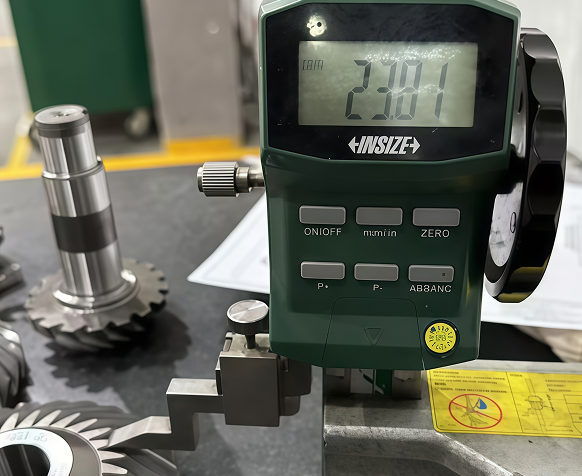
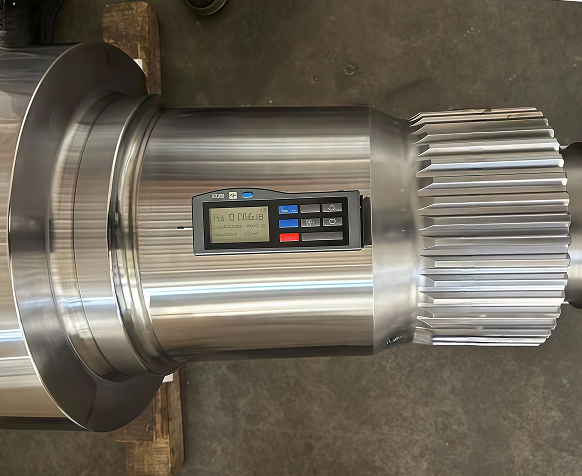
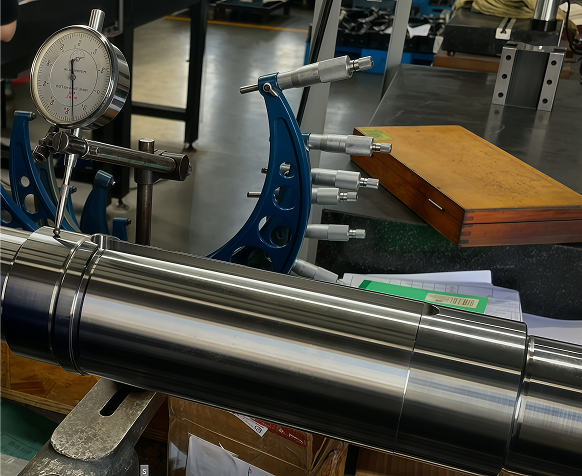
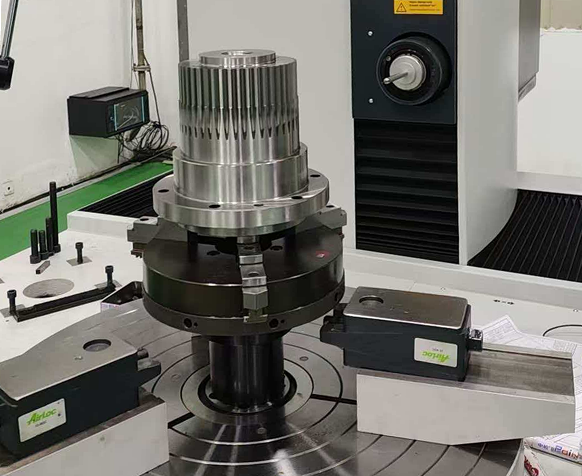
Making a shaft for a water scooter takes some careful work. You start with a bar of stainless steel. Machine it down to the right size. Cut splines on one end to connect to the engine, and splines or threads on the other end to connect to the impeller. Then polish it smooth so the seals fit tight and keep water out of the bearings.
The seals are a big deal. The shaft has to go through the hull of the water scooter. That hole has to be sealed, or water would leak into the inside of the machine. So the shaft has a smooth surface where the seals ride. If that surface is rough or scratched, the seals leak.
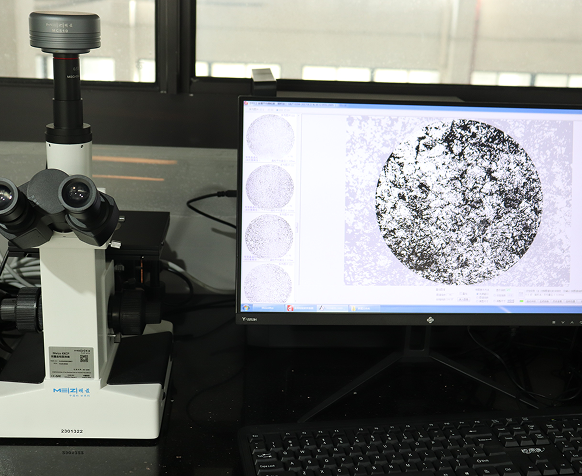
We also heat treat some shafts to make them harder, though stainless steel is already pretty tough. The main thing is getting the dimensions right and making sure everything is straight and smooth.
So next time you see a water scooter zooming across a lake, there is a shaft for water scooter underneath, spinning fast and pushing it forward. You will never see it. You will never think about it. But it is down there, working hard, keeping things moving. Not a bad job for a simple piece of metal.