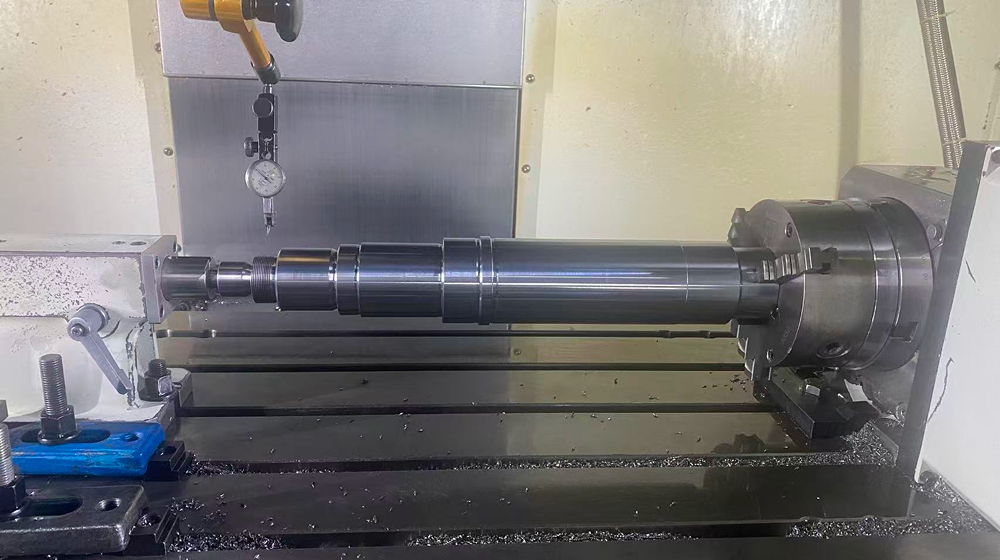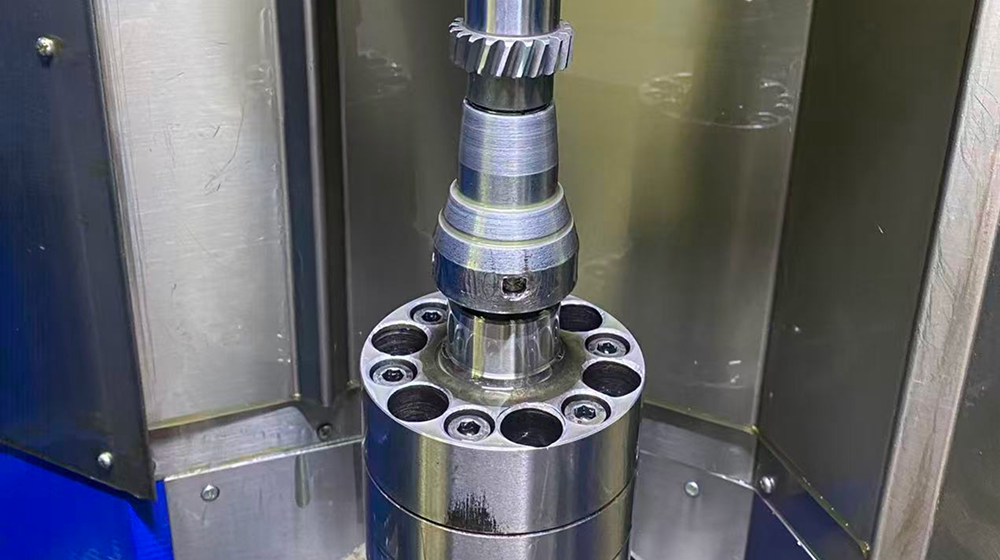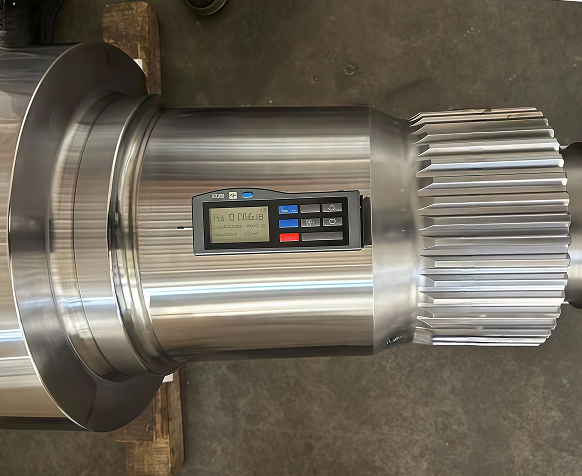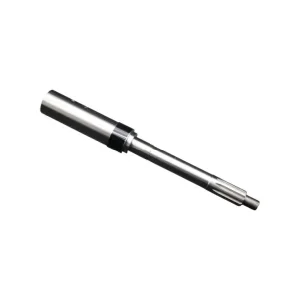

You might be already familiar with mowers. But do you know what a splined shaft for mower is? Yes, a splined shaft for mower is really just a metal rod with grooves cut into it. That is all “spline” means – grooves or teeth running along the shaft. And those grooves have one simple job: they keep the shaft locked tight to whatever it is connected to, like a blade, a pulley, or a gear. No slipping, no wobbling, no extra little parts to lose.
So what does a splined shaft for mower actually do? Same thing any other shaft does – it takes the spinning power from the engine or motor and sends it to the mower blade. The blade has to spin fast to cut grass cleanly. If the shaft slips, the blade slows down or stops. That leaves you with a ragged cut or no cut at all. The splines make sure the connection stays solid, even when the blade hits a thick patch of grass or a hidden rock.
Now, where do you find these things? Mowers come in all shapes and sizes, and lots of them use splined shafts.
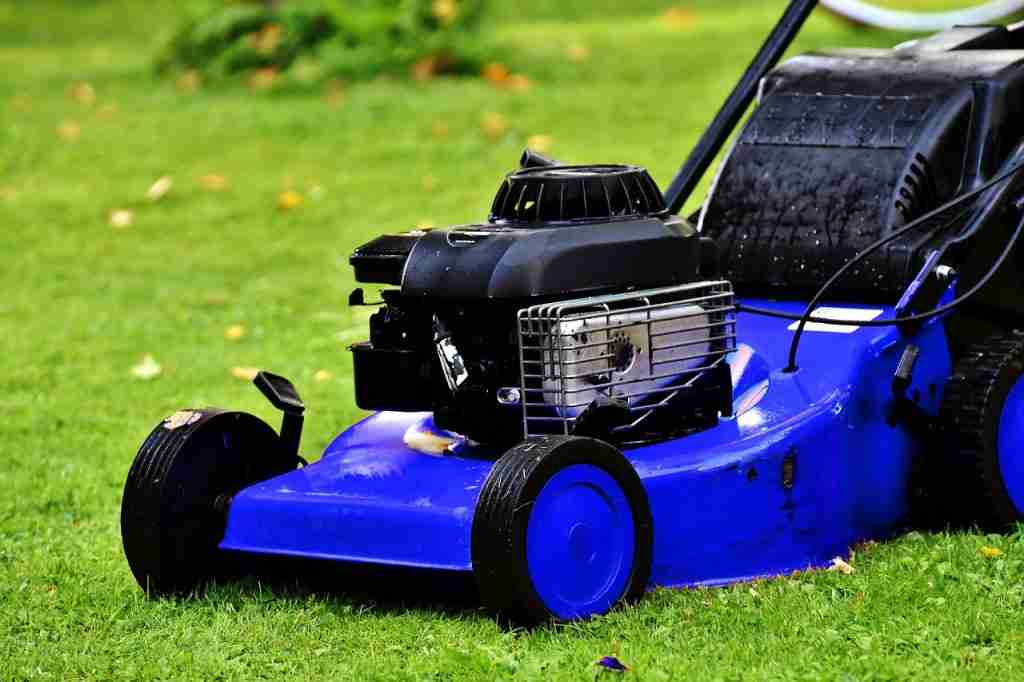
Take a riding lawn mower. Underneath the deck, there is a shaft that connects the engine to the blades. That shaft usually has splines on the end. When you engage the blades, the splines grab hold and start spinning right away. No delay, no slipping. That matters because mowers get started and stopped a lot. Every time you go around a tree or back up, the blades kick on and off. A plain shaft with a key might work loose over time, but a spline shaft stays tight.
Push mowers use them too. The engine sits on top, and the blade is underneath. Between them is a shaft – often a spline shaft for mower applications. The splines keep everything lined up so the blade spins true. If the shaft wobbled even a little, the cut would be uneven and the mower would vibrate like crazy.
Commercial mowers – the big zero-turn ones that landscaping crews use – rely on spline shafts even more. Those mowers run all day, every day, through thick grass, weeds, and tough stuff. The shafts take a beating. A spline shaft for mower holds up better because the load spreads across all those little teeth instead of just one spot.
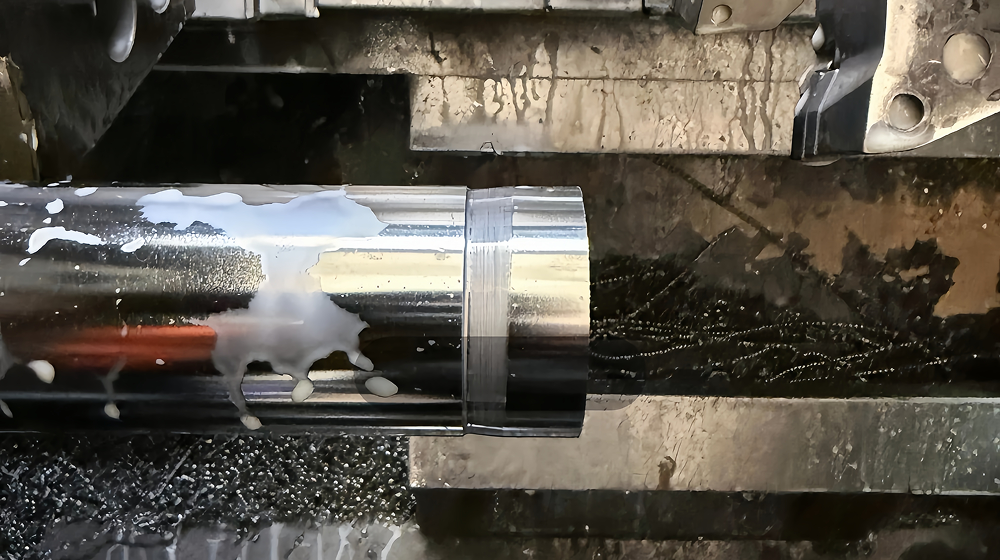
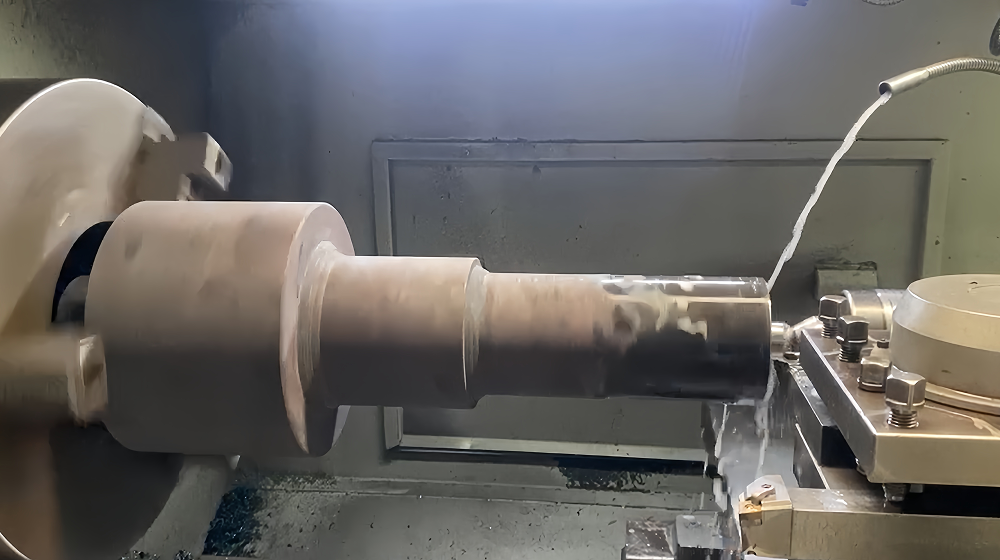
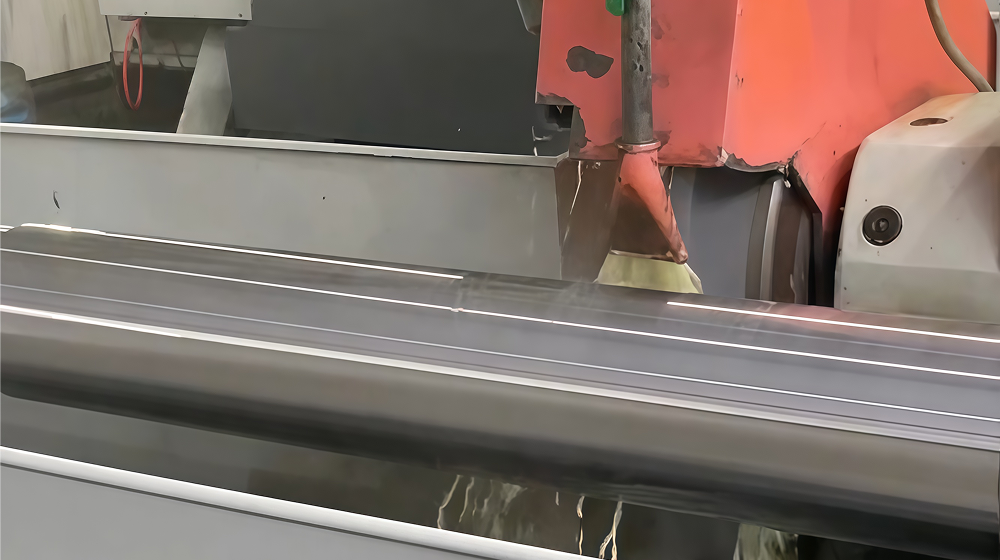
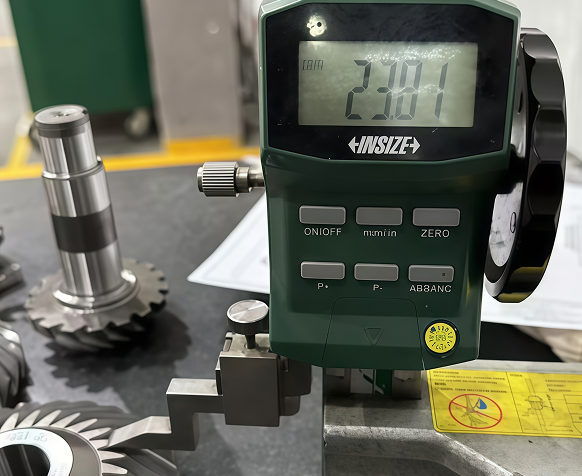
Making one of these shafts is not too complicated. You start with a steel bar, cut it to length, then cut the splines. Most of the time we roll the splines because that makes the metal grain follow the teeth, so the shaft comes out stronger. After that, we heat treat it to harden the surface so the teeth don’t wear down fast. Then maybe a little grinding if the fit needs to be tight.
The steel we use is strong alloy steel – tough enough to handle the torque, hard enough to resist wear. If the mower lives in a wet area or gets washed a lot, we can use stainless steel or add a coating to prevent rust.
So if you are fixing a mower or building one, a spline shaft for mower is a solid choice. Nothing fancy. No complicated engineering. It just sits there and spins the blade, day after day, without giving you trouble. And honestly, that is all you need.