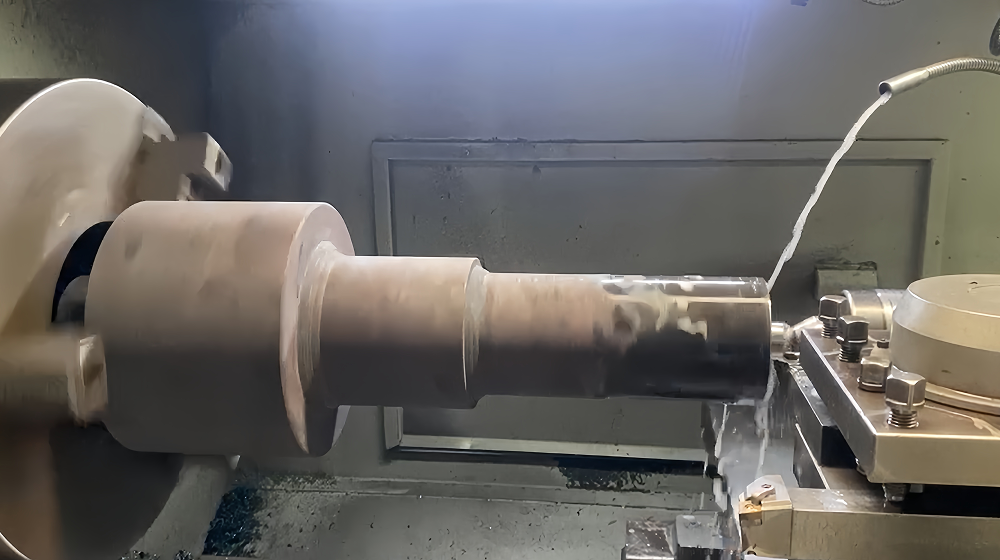

If you have ever watched a lathe in action, you know it spins a piece of metal while a cutter shaves it down to size. Lathes are used to make everything from tiny screws to big industrial rollers. Right in the middle of that machine is a mainshaft – the part that holds the workpiece and makes it turn. On some lathes, that shaft is shaped like a hexagon, so it is called hex shaft. Six flat sides. Not round.
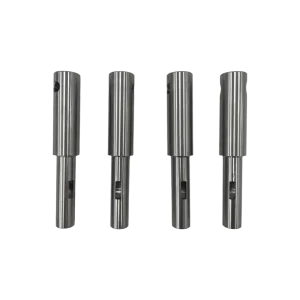
A hex mainshaft for lathe is just that – the main shaft of a lathe with a hexagonal section. It is not a fancy design. It is actually quite old-school. But it works. The flats of the hexagon grip whatever slides onto the shaft, like a gear or a coupling, and keep it from spinning on its own. No slipping. No play.
What does this hex shaft for lathe do? It takes power from the motor and transfers it to the part being machined. The workpiece sits in the spindle and spins. The cutter stays still and takes material off. The hexagon part of the shaft is where the drive connects. It locks in tight, so the torque gets passed along without losing any power.
You mostly see these on older machines or on certain heavy-duty lathes. Back in the day, this shape was a lot easier to make than the splines you find on modern shafts. No need for expensive cutting tools or complex machines. Just a milling cutter or a broach and you have a strong, reliable connection. Some builders still use them because they handle shock loads better than a simple keyed shaft. The load spreads over six flat surfaces instead of being concentrated on one little key.
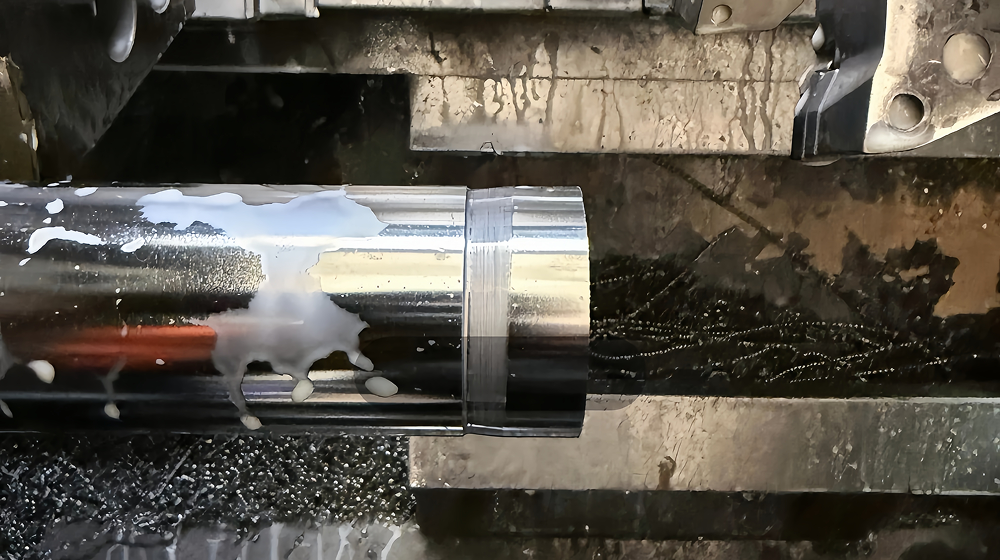
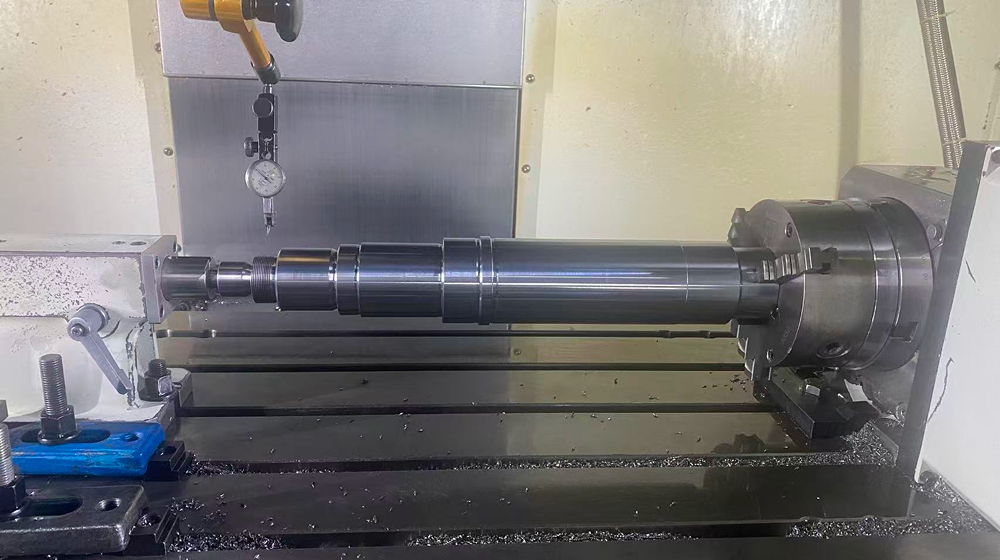
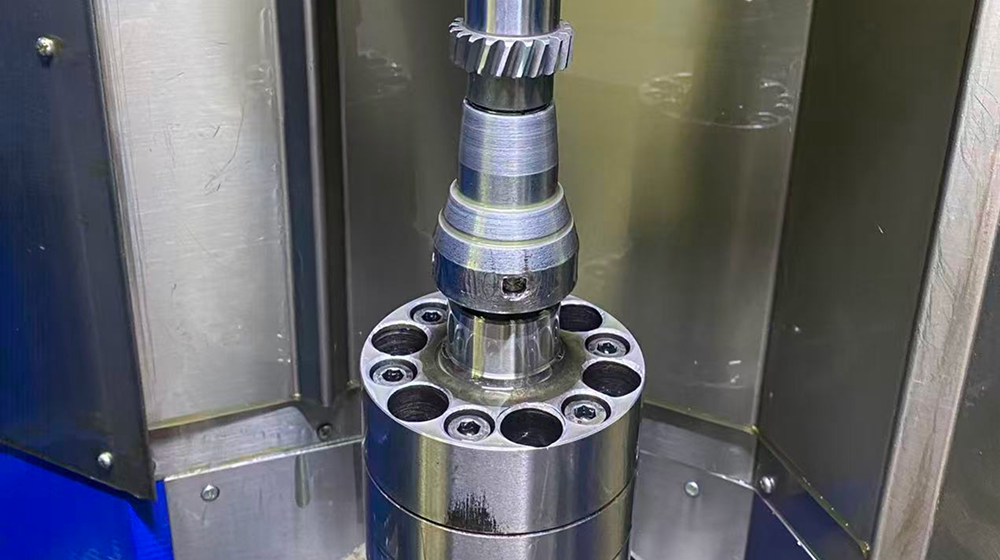
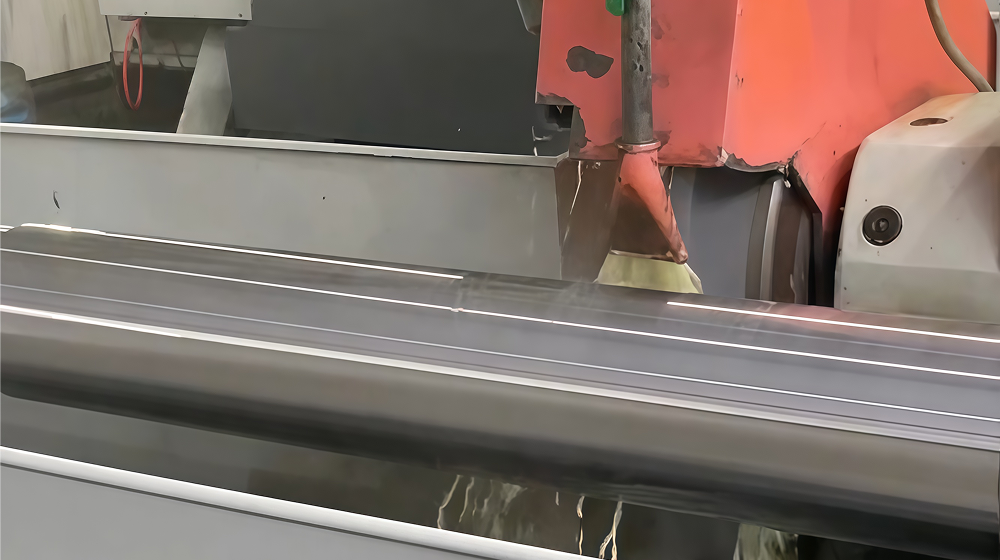
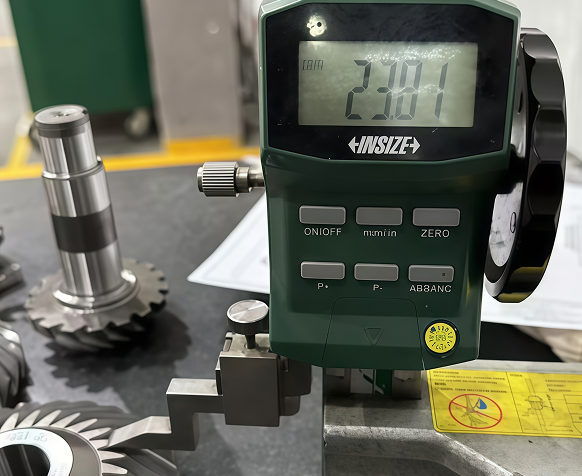
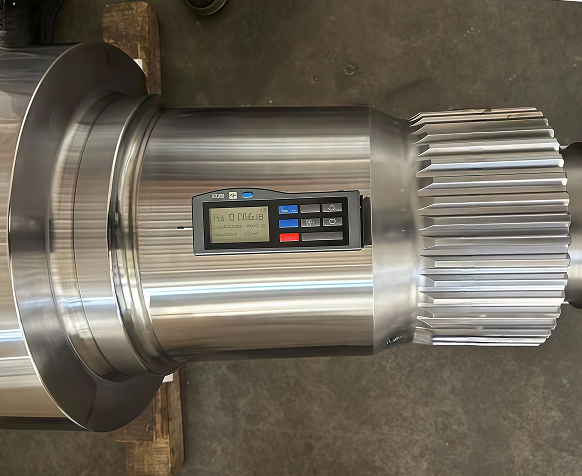
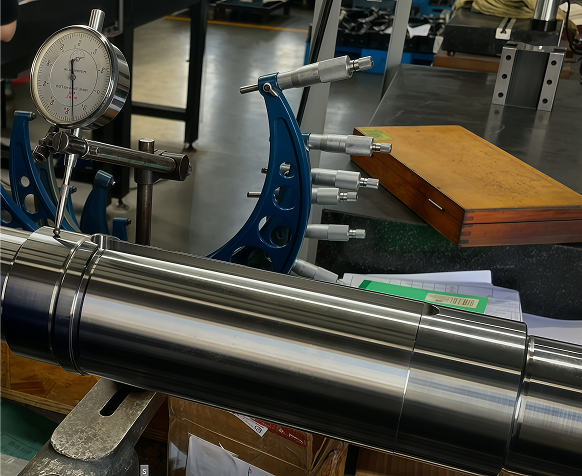
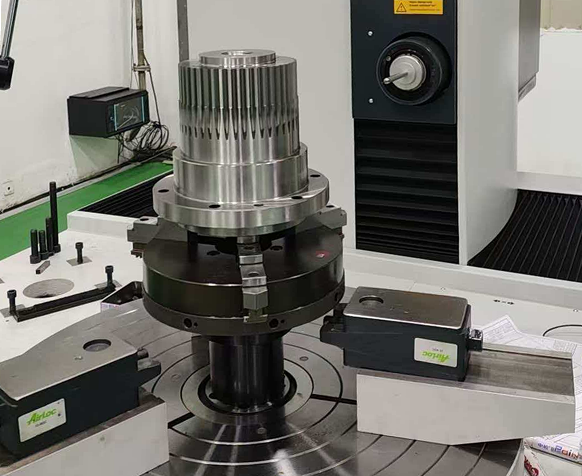
Making a hexagon mainshaft for lathe is not all that complicated. You start with a bar of tough steel. Turn it down to size. Cut or broach the hexagon section. The flats have to be even and straight. If one side is off, the coupling will wobble. That wobble ruins the finish on the workpiece. Then you machine the bearing journals and grind them smooth. These areas have to be round and precise because they carry the bearings that let the shaft spin freely.
After machining, the whole shaft gets heat treated. That gives it a hard outer layer that can handle wear, while the inside stays a bit softer to absorb shocks. Then the bearing journals are ground again to make sure they are exactly the right size and perfectly round.
Lathe work is all about accuracy. The workpiece has to spin without any runout. If the hex shaft has any play or imperfection, it shows up in the final part. A hexagon mainshaft for lathe might not be cutting-edge technology, but when it is made right, it runs true, grips tight, and lasts a long time. It does one job and does it well. Hard to ask for more than that.