
Every machine tool that cuts or shapes metal has one thing in common: a spindle shaft. A lathe spins a piece of metal while a cutting tool shaves it down. A milling machine moves a spinning cutter across a block of steel to carve out complex shapes. All that cutting, drilling, and shaping happens because of one key part – the spindle shaft.
A spindle shaft for machining tools is the main rotating part of a machine tool. It is the shaft that holds the cutting tool or the workpiece and makes it spin. On a lathe, the spindle shaft holds the workpieceMachining Tools and spins it. On a milling machine, it holds the cutting tool and spins that instead. Either way, the spindle shaft is what makes the cutting action happen.
So what does a spindle shaft for machining tools actually do? It takes power from the motor and transfers it to the cutting action. The motor spins the spindle shaft, and the shaft spins whatever is attached to it – a cutting tool, a drill bit, or the workpiece itself. That spinning motion is what allows the cutter to remove material and shape the part.
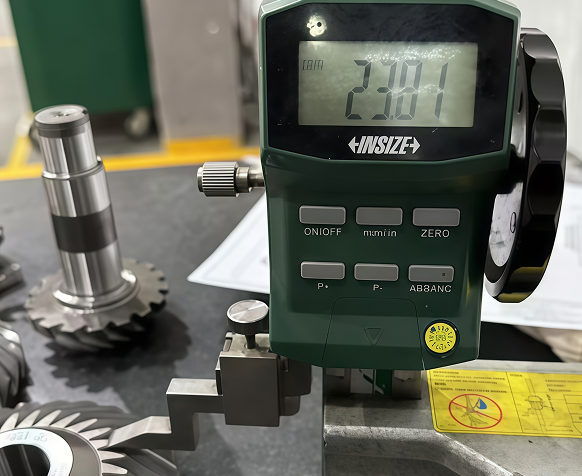
Machine tools work to very tight tolerances. That means everything has to be precise. The spindle shaft has to spin perfectly true. If it wobbles even a little bit, the cutting tool will wander off course. The finished part will be off dimension, and it will be scrap.
The spindle shaft also has to be stiff. Cutting creates a lot of force. The shaft has to resist bending under that load. If it flexes, the cutting tool will not stay on the right path. So the shaft has to be strong enough to handle the cutting forces without deflecting.
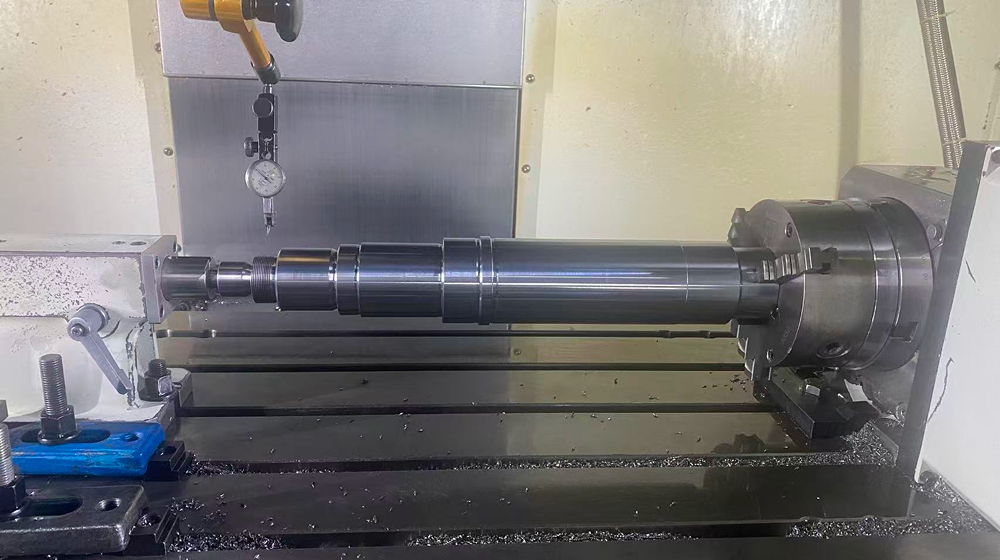
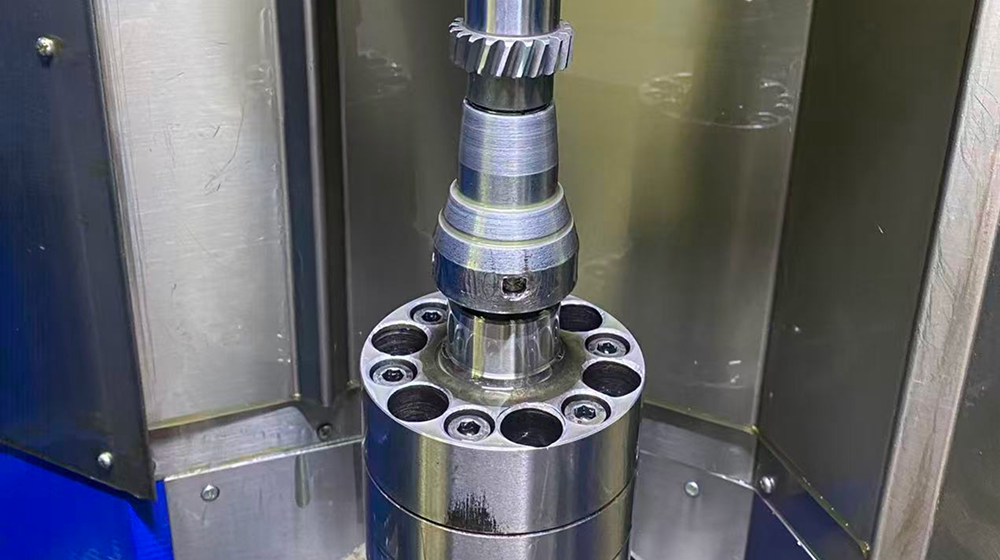
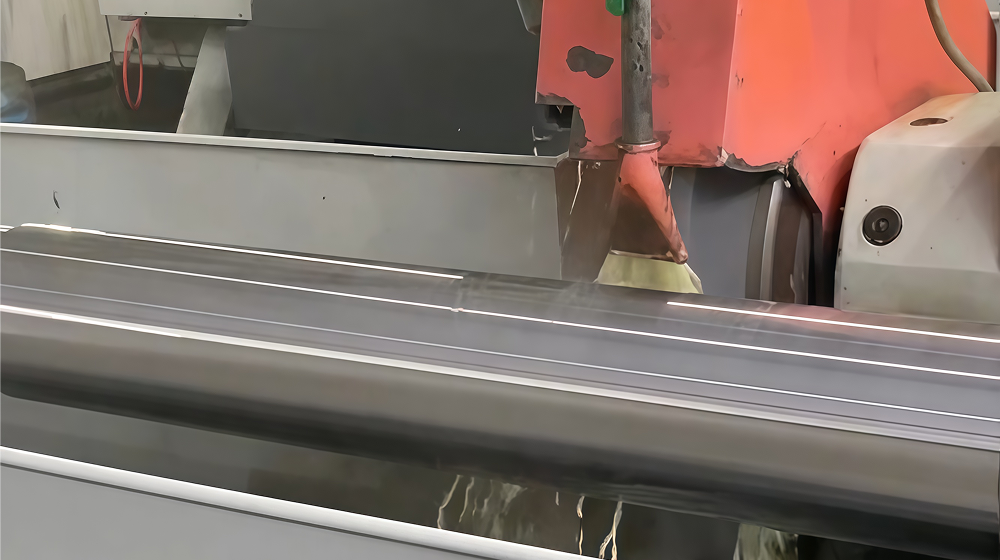
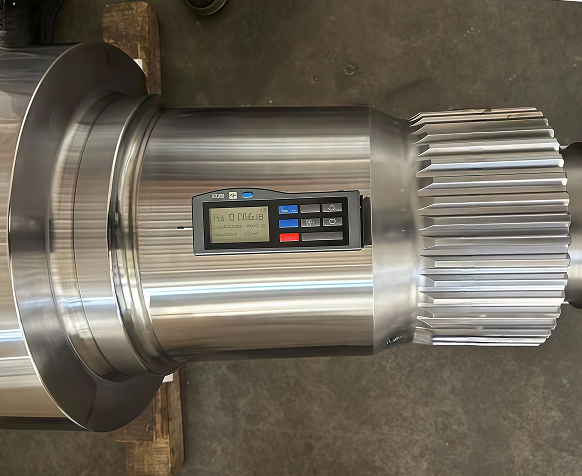
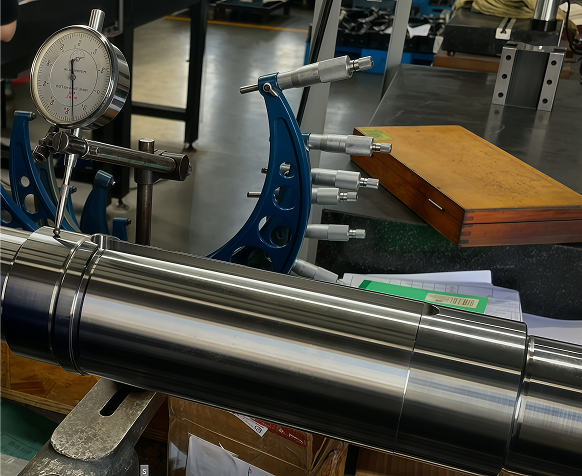
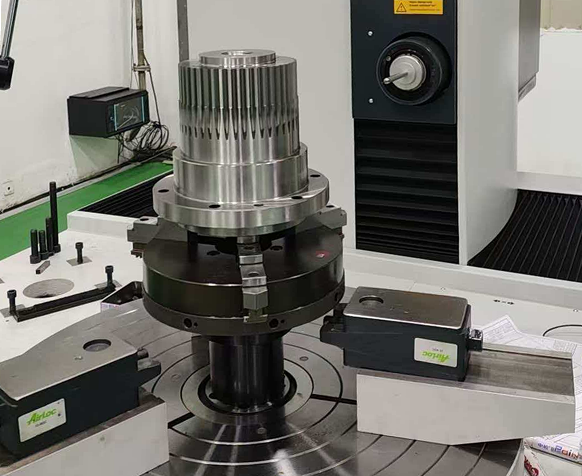
Spindle shafts are made from high-quality steel – usually alloy steel that can be hardened. The steel is machined to size and shape. The bearing journals are ground to a smooth finish so the bearings spin freely and accurately. The taper on the end – where the tool or workpiece mounts – is ground to a precise angle. The whole shaft is balanced so it spins smoothly at high speed.
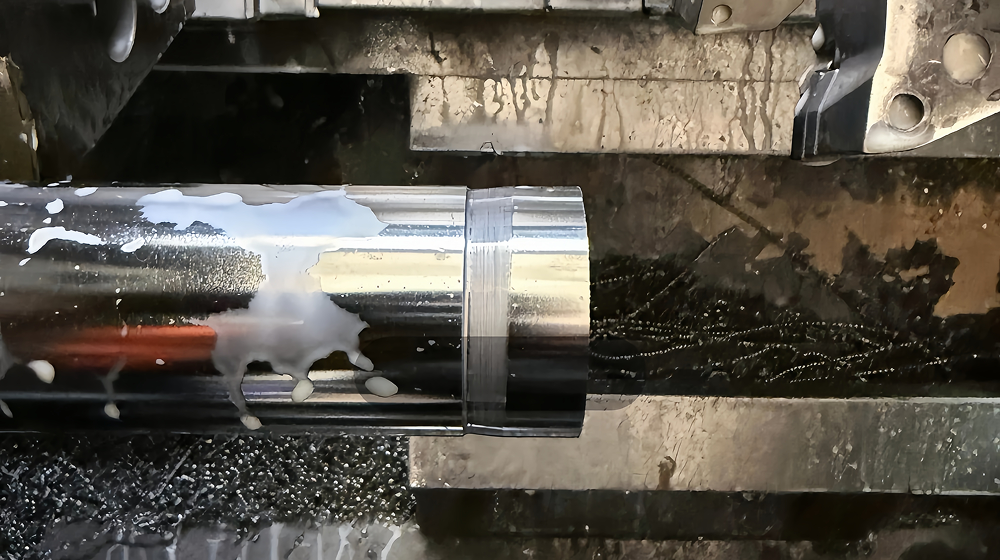
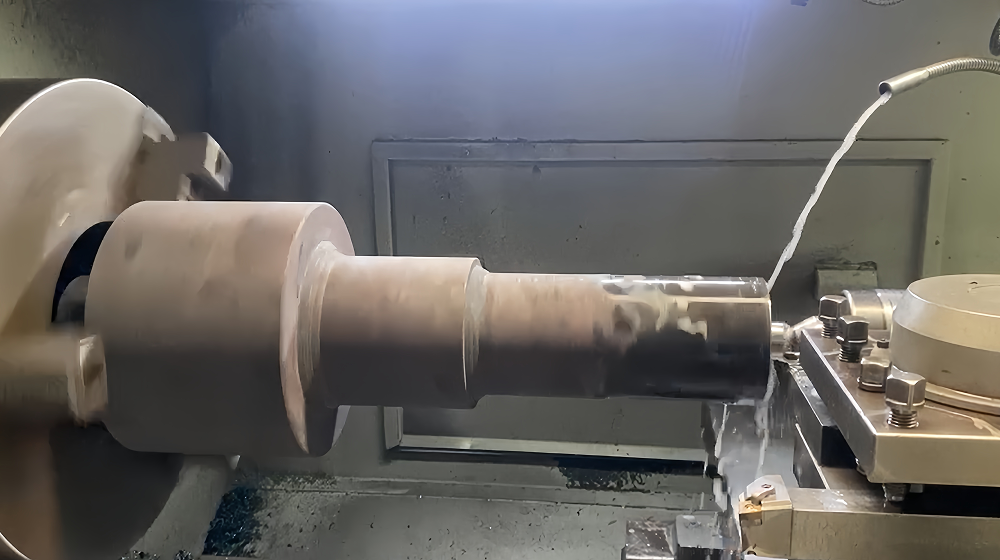
Making a spindle shaft for machining tools takes careful work. You start with a bar of steel. The shaft is machined to its basic shape. The bearing journals are ground to a smooth finish. The taper on the end is ground precisely. Then the shaft goes through heat treatment. This hardens the surface so it resists wear. The inside stays tough so the shaft does not break under shock loads. After heat treatment, the journals are ground again to their final size.
A good spindle shaft is the heart of the machine tool. It spins true, stays stiff, and lasts for years. It does not get much attention. But without it, the machine would not cut anything. And that is exactly what a good spindle shaft does – it just works, quietly and accurately, every time you run the machine.