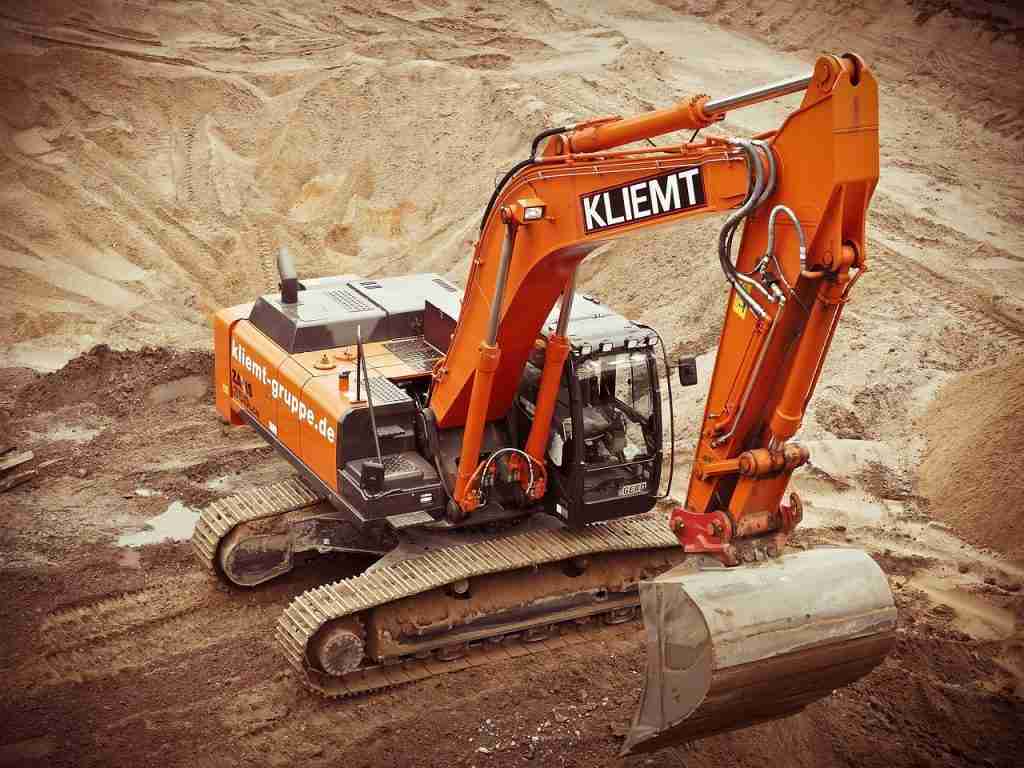
Construction sites are full of big machines. Excavators, bulldozers, cranes, concrete pumps – they all have one thing in common. They need power to move, lift, dig, and push. And inside many of those machines, there is a long shaft for construction doing a lot of the heavy lifting.
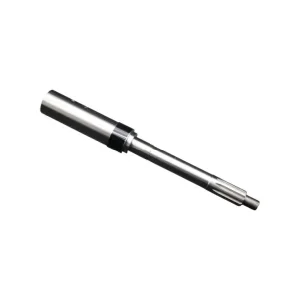
So what exactly is a long shaft for construction? It is exactly what it sounds like – a shaft that is longer than usual. Unlike a short shaft that connects two parts sitting close together, a long shaft runs across a greater distance. It might connect an engine at the back of a machine to a pump or a wheel at the front. Or it might run from a motor up on top to a drive unit down below. These shafts are used all over construction equipment, wherever power needs to travel from one end of a machine to the other.
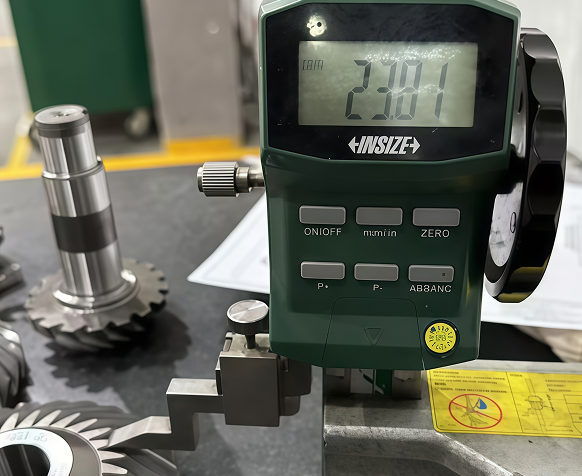
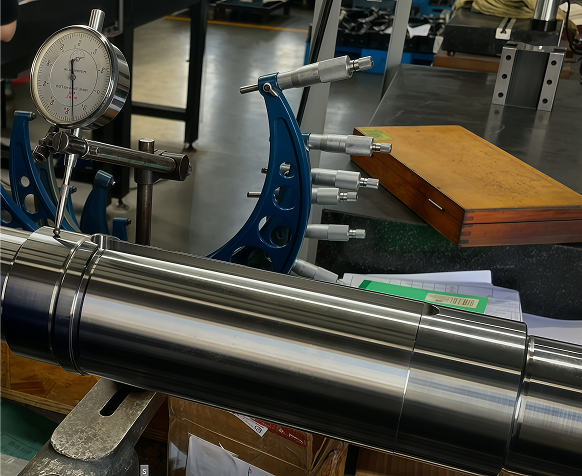
One thing you will notice about a long shaft for construction is that it has to be made right. If it is not, it will cause problems. First, it has to be straight. A long shaft that is even a little bit bent will wobble when it spins. That wobble puts stress on bearings and seals, and they wear out faster. Second, it has to be balanced. A shaft that is out of balance will vibrate at high speed. That vibration shakes the whole machine. Third, it has to be strong. Construction work is rough. Machines hit rocks, lift heavy loads, and run over uneven ground. The shaft has to handle shock loads and twisting without bending or breaking.
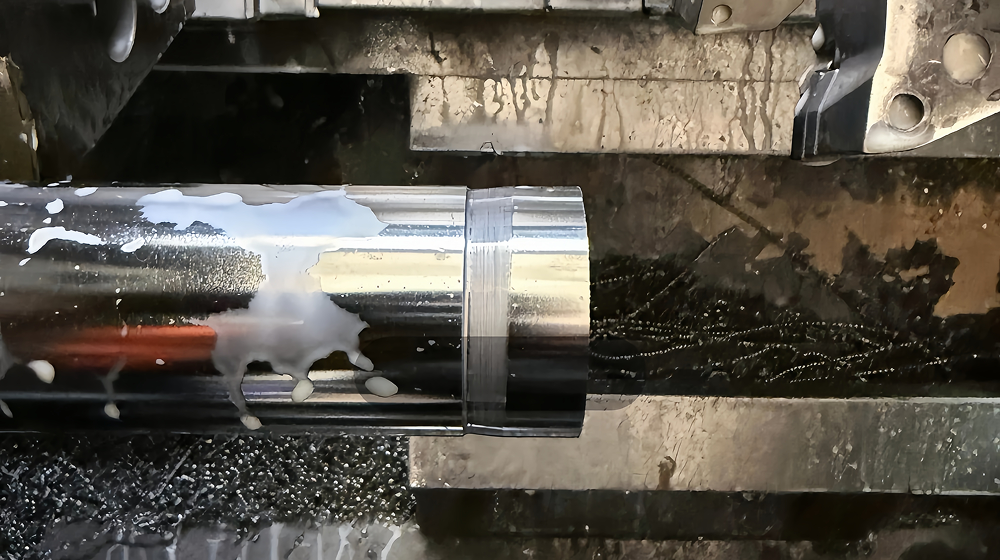
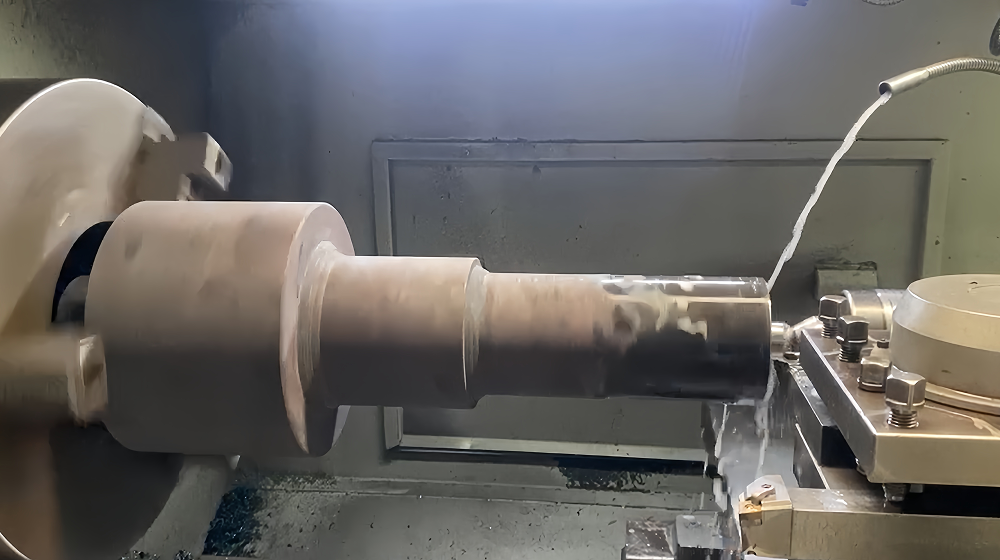
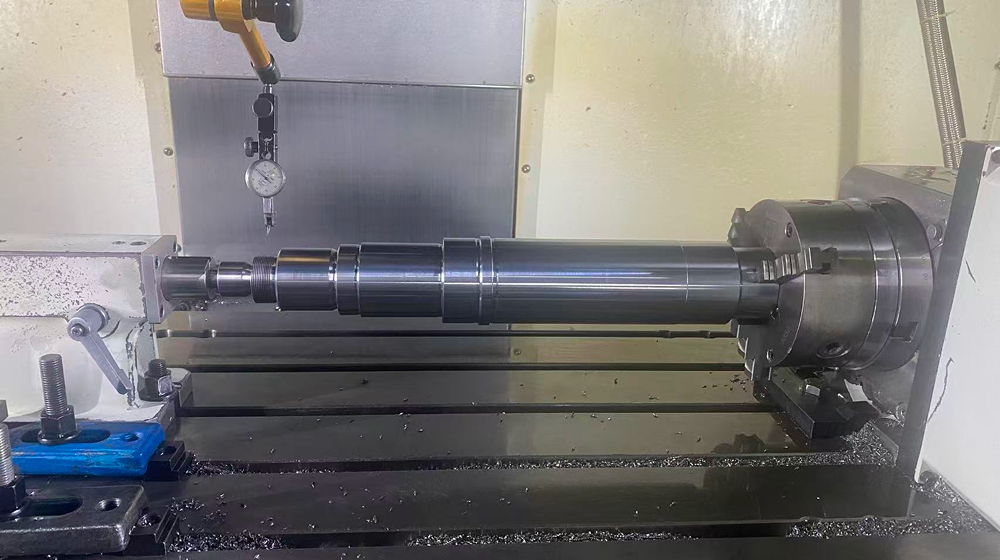
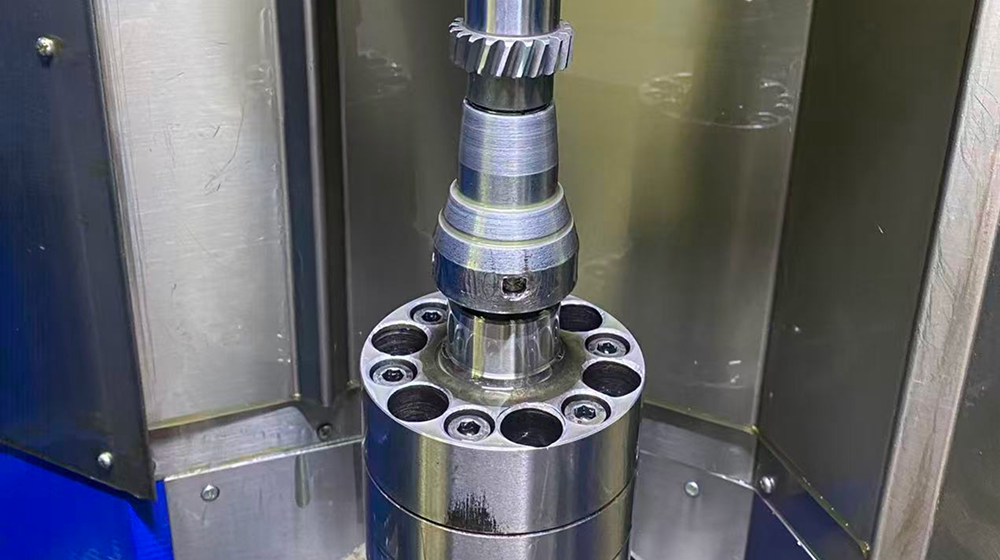
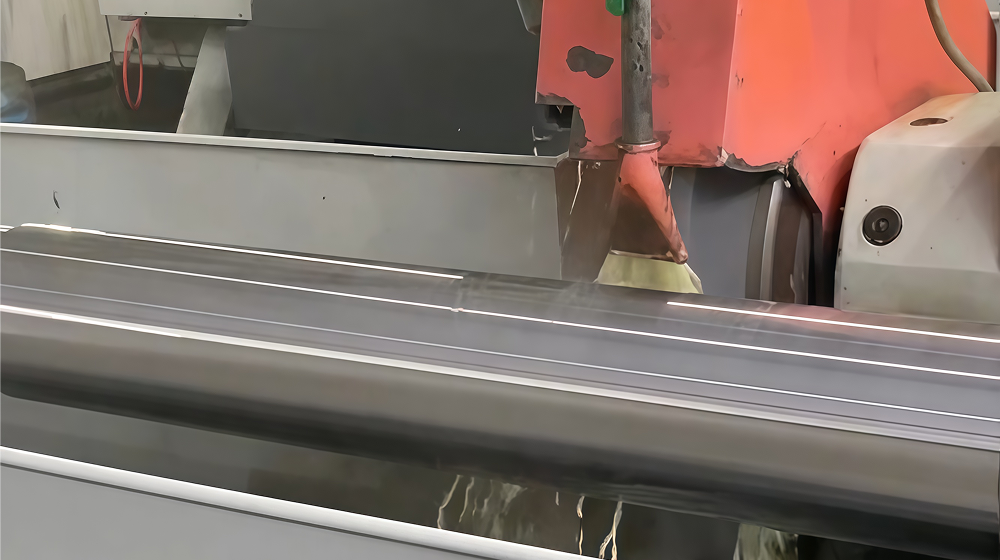
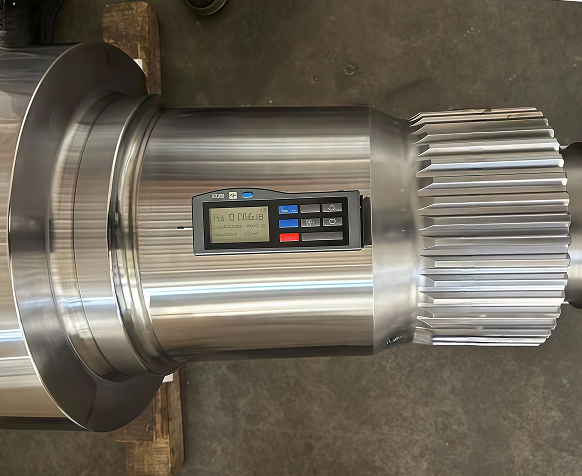
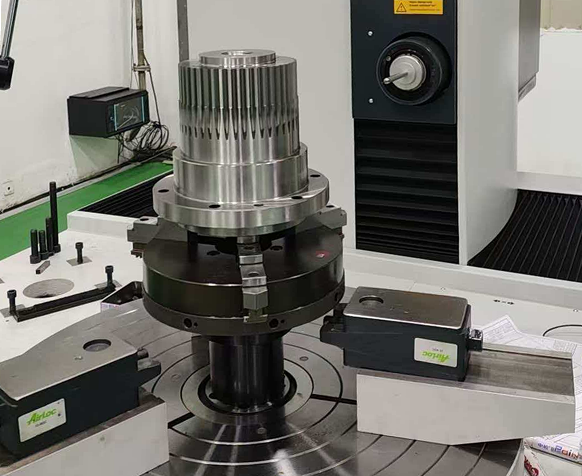
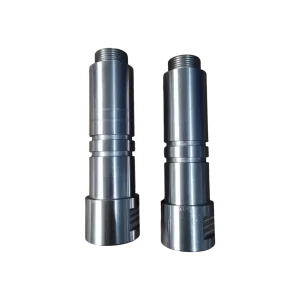
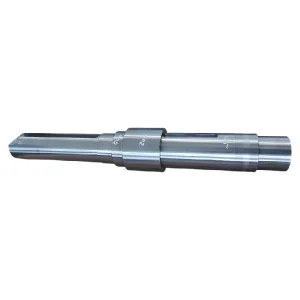
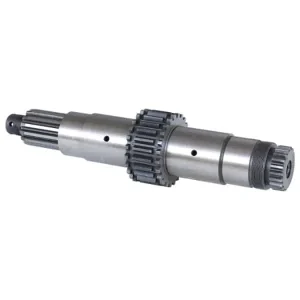
Making a long shaft for construction takes careful work. You start with a solid bar of alloy steel – strong and tough. The steel gets machined down to the right diameter. Then the shaft is turned to length. Some shafts have splines or keyways cut into them to connect with gears or couplings. Others have threads on the ends for locking rings or nuts. After all the cutting is done, the shaft goes through heat treatment. This hardens the surface so it resists wear, while the inside stays tough enough to take a hit. Then the bearing journals are ground to a smooth finish. That is where the bearings ride, so they need to be smooth and accurate.
On a construction site, downtime costs money. When a machine breaks, work stops. That is why a well-made long shaft for construction is so important. It does not get much attention. But it keeps the power flowing, the wheels turning, and the work moving. And on a job site, that is exactly what you need.