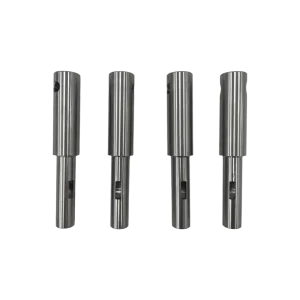

Machine tools are the machines that make other machines. They cut, drill, grind, and shape metal into precise parts. Inside every machine tool, there is a drive shaft that makes all the cutting and moving happen. A drive shaft for machine tool is a simple part, but it is one of the most important ones.
So what is a drive shaft for machine tool? It is a metal rod that carries power from the motor to the spindle, the cutting head, or the moving table. The motor spins, the drive shaft spins, and the cutting tool spins. That spinning motion is what cuts into metal and shapes it into the final part. Without the drive shaft, the motor would just spin by itself and nothing would get cut.
Drive shafts in machine tools come in different sizes and lengths, but they all have the same job. They need to be strong, straight, and balanced. A shaft that is bent will wobble when it spins. That wobble makes the cutting tool wander off course. The part will be scrap. A shaft that is out of balance will vibrate. That vibration shows up as chatter marks on the metal surface. The finish will be rough.
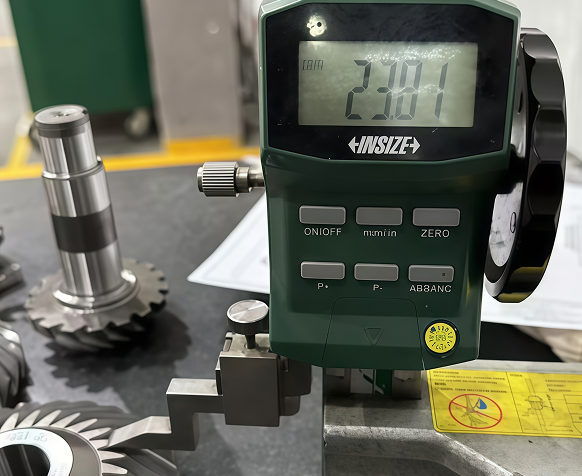
Machine tools work with tight tolerances. That means everything has to be precise. The drive shaft for machine tool has to be made to the same high standards as the machine itself. If the shaft is off by even a little bit, the machine cannot do its job.
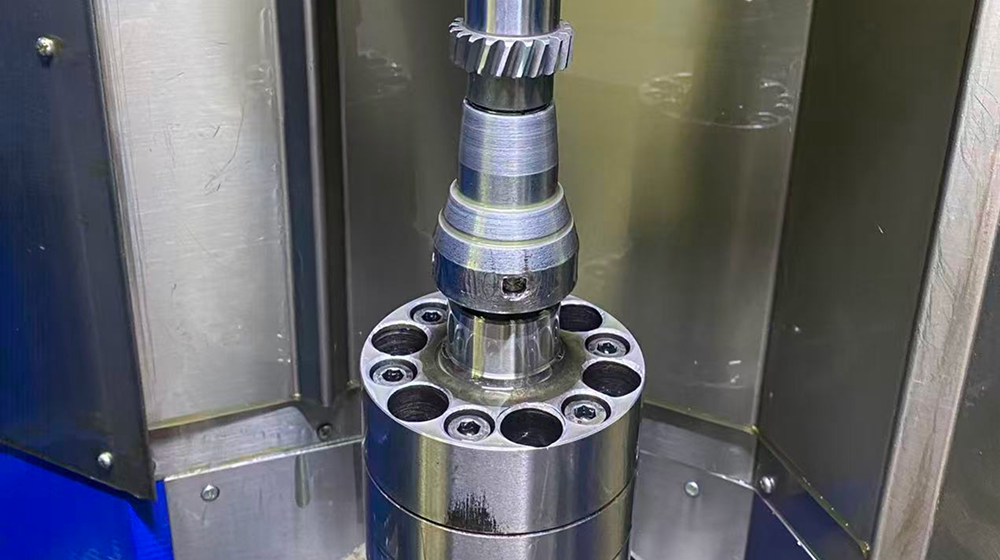
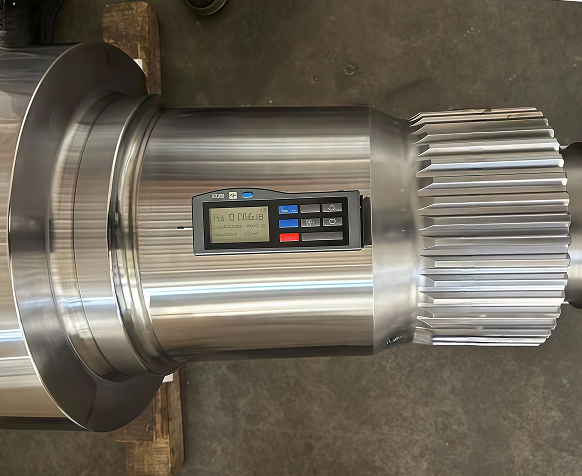
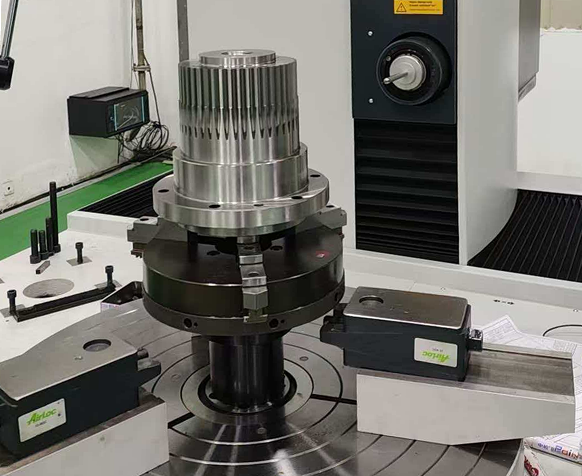
There are a few different types of drive shafts used in machine tools. Some are solid, some are hollow. A hollow shaft is lighter, which helps the machine respond faster. It also lets coolant or wiring pass through the center. Some drive shafts have splines on the ends. Splines are grooves that lock the shaft into gears or couplings so nothing slips. Other shafts have keyways, which are slots that hold keys to keep the shaft tight.
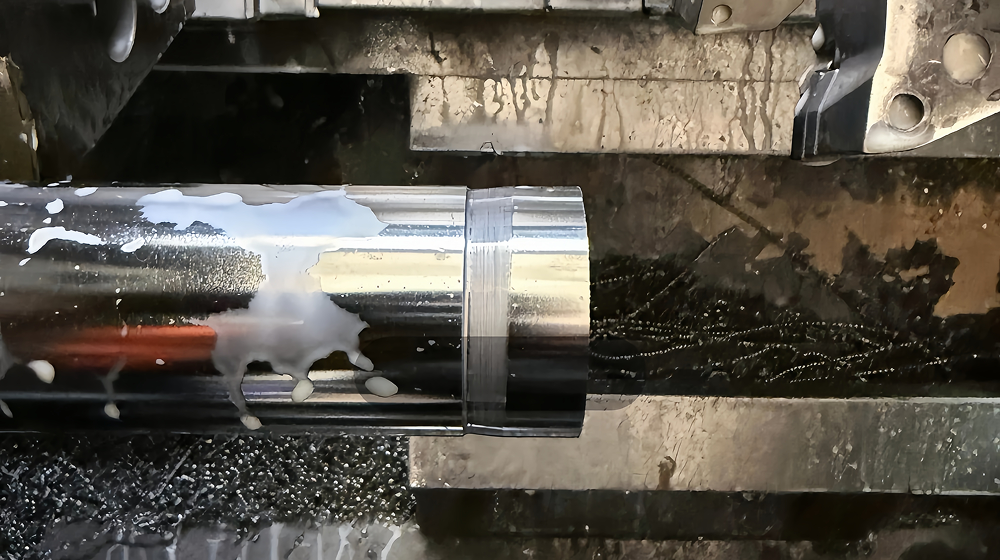
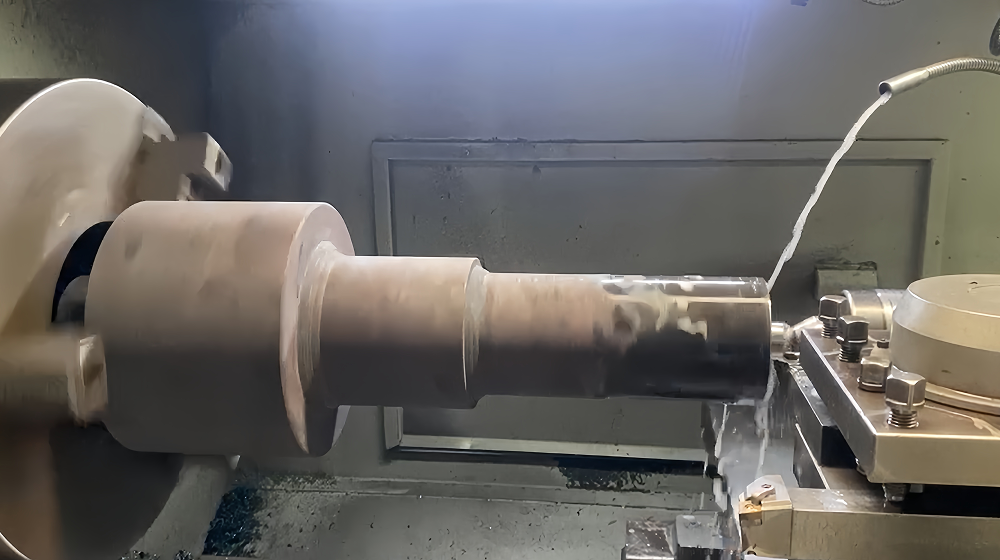
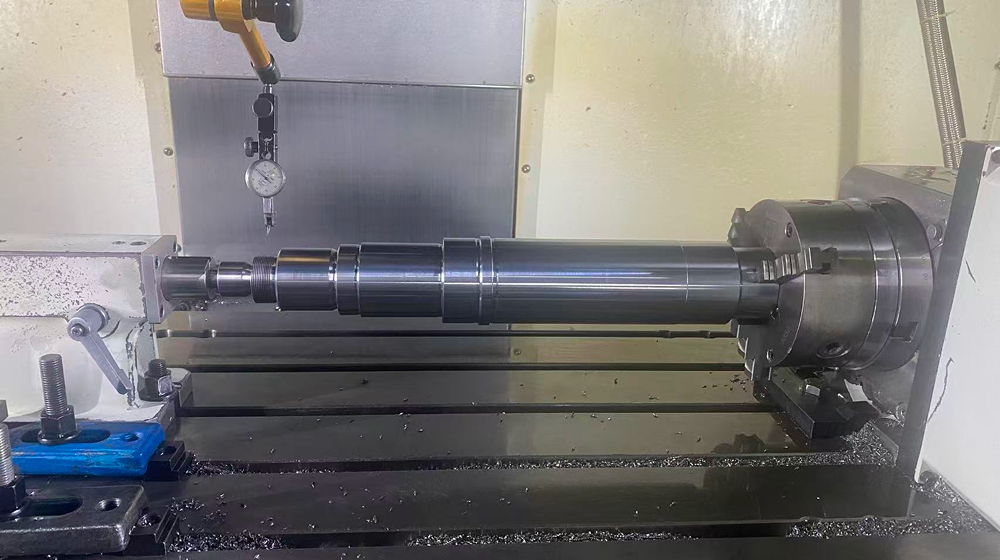
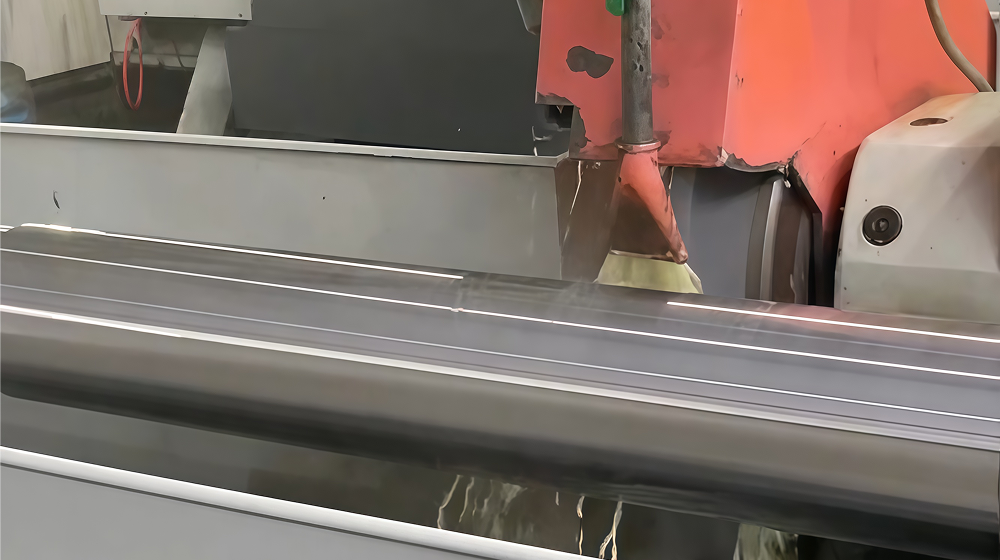
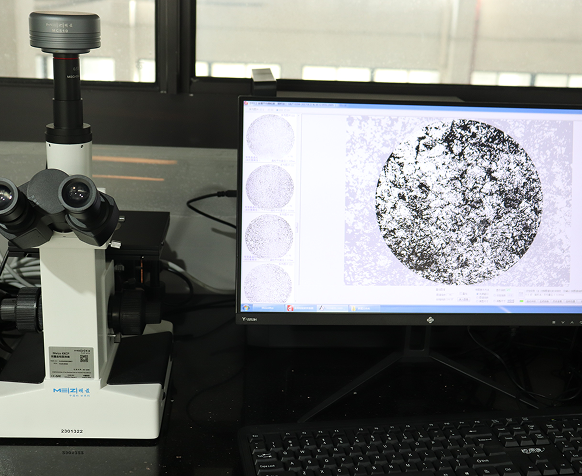
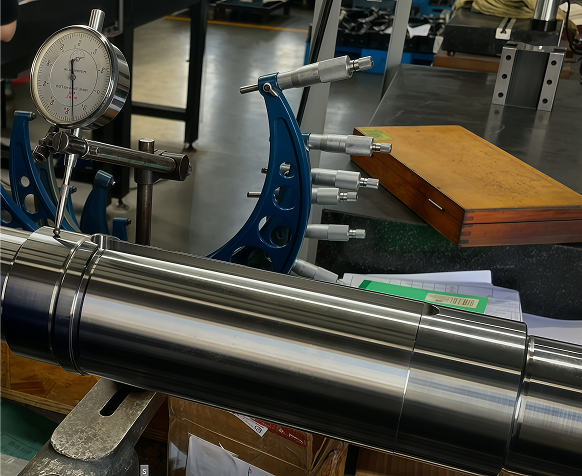
Making a drive shaft for machine tool takes careful work. You start with a bar of good steel – usually alloy steel that can be hardened and ground. The shaft is machined to size. The ends are cut to fit the motor and the spindle. Splines or keyways are cut if needed. Then the shaft goes through heat treatment. This hardens the surface so it resists wear. The inside stays tough so the shaft does not snap under shock. After heat treatment, the bearing journals are ground to a smooth finish. That is where the bearings ride, so they need to be smooth and accurate. The whole shaft is also checked for straightness and balance.
A drive shaft for machine tool does not get much attention. But without it, the machine would not cut, drill, or grind anything. It sits inside the machine, spinning at high speed, doing the work that makes everything else possible. And that is exactly what a good drive shaft does.