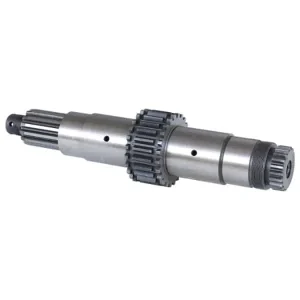

When you think of a motor shaft, you probably picture a solid metal rod. And most of the time, that is exactly what it is. But sometimes, a motor needs something different. Sometimes, the shaft has a hole running right through the middle. That is called a hollow shaft. And it is a lot more useful than it sounds.
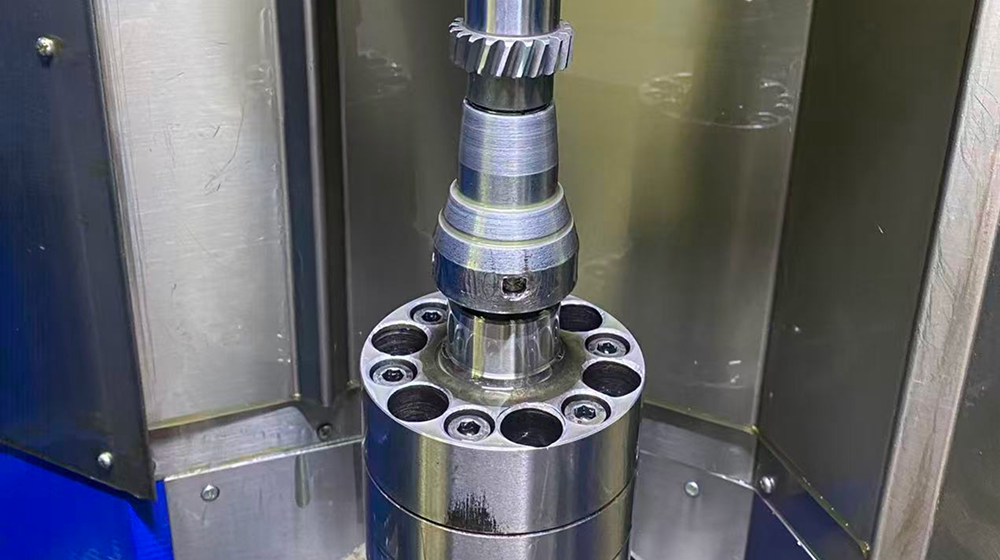
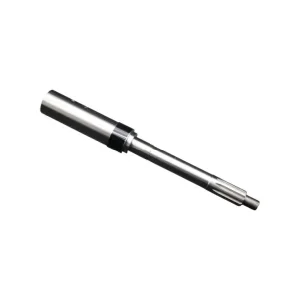
A hollow shaft for motors is exactly what the name says. It is a motor shaft with a hole drilled through the center. The outside looks like a regular shaft. The ends have splines or keyways to connect to gears or couplings. The bearings ride on the outside just like a solid shaft. But inside, there is an empty space.
So why would you want a hole in your motor shaft? There are a few good reasons.
- First, weight. A hollow shaft for motors weighs less than a solid shaft of the same size. That makes a difference when the motor spins. Less weight means less rotating mass. The motor can start and stop faster. It takes less energy to get up to speed. In mobile equipment like electric vehicles or aircraft, every pound matters. Lighter parts help save weight overall.
- Second, the hole gives you a passageway. You can run wires, cables, or cooling fluid right through the center of the shaft. This is useful in robotics, where cables need to pass through the motor to reach the end of the arm. It is also useful in machines that need liquid cooling, where coolant flows through the shaft to carry heat away.
- Third, a hollow shaft can handle vibration better than a solid one. The hollow shape distributes stress differently, so the shaft can flex a little without breaking. For long shafts or high-speed applications, that extra flexibility helps.
You can find hollow shafts for motors in all kinds of equipment. Electric vehicles use them in the drive motor to save weight. Robots use them to route cables through the joints. Machine tools use them to run coolant to the cutting head. In some applications, the hollow shaft is also the housing for a sensor or a measuring device.
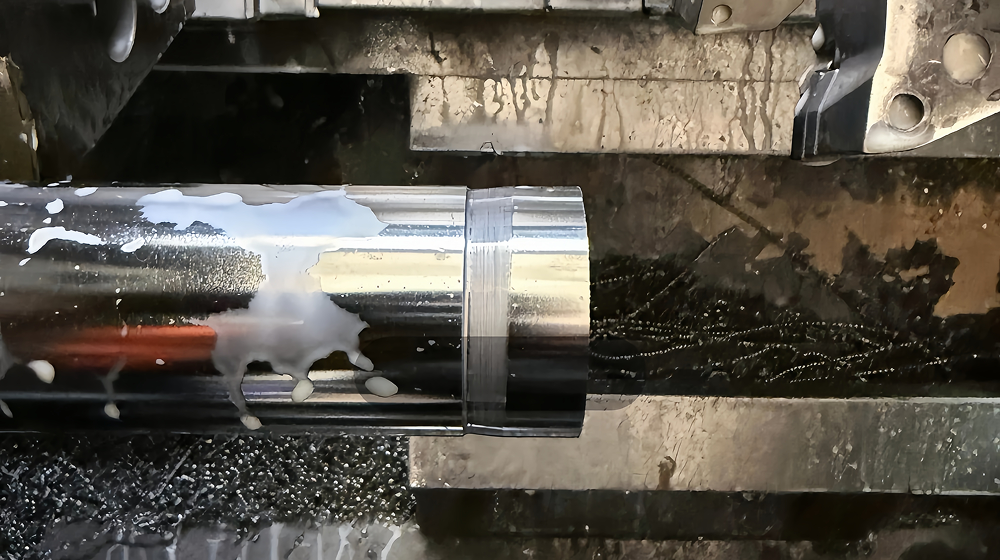
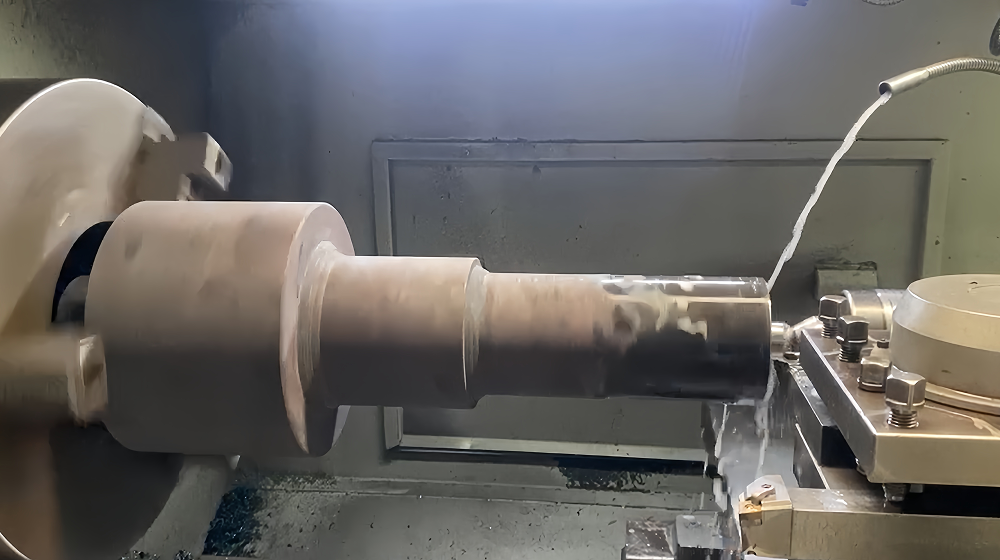
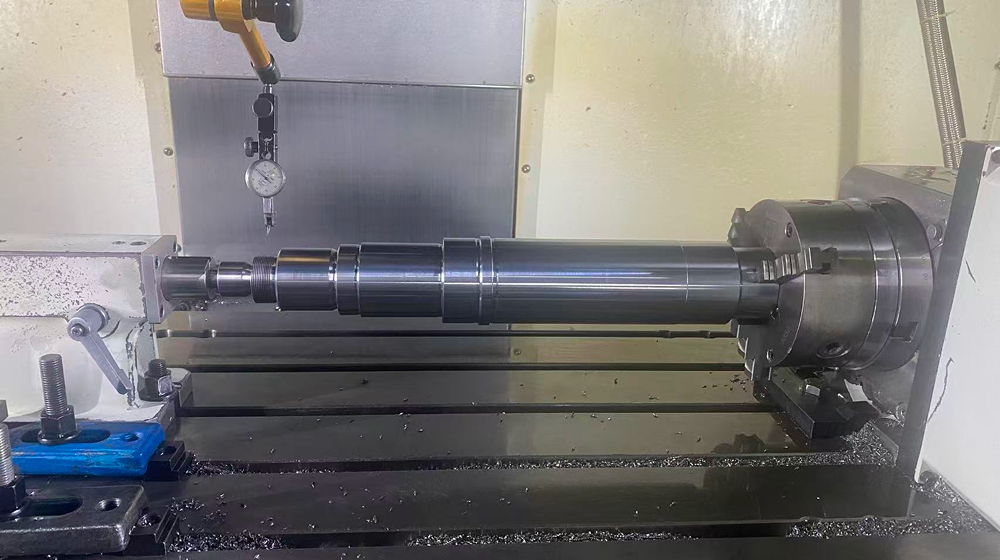
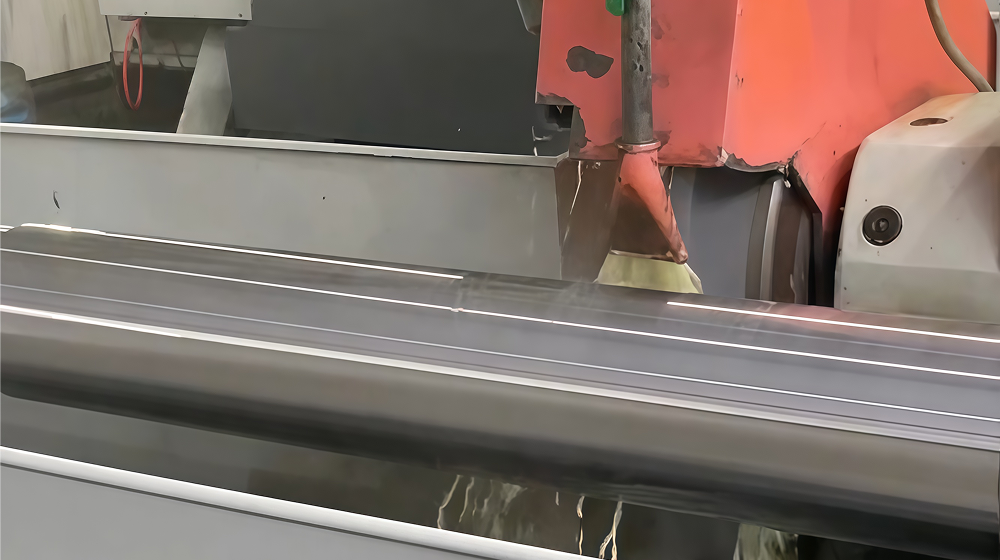
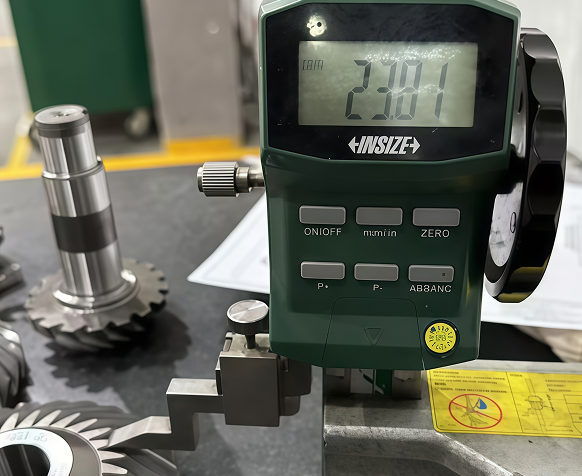
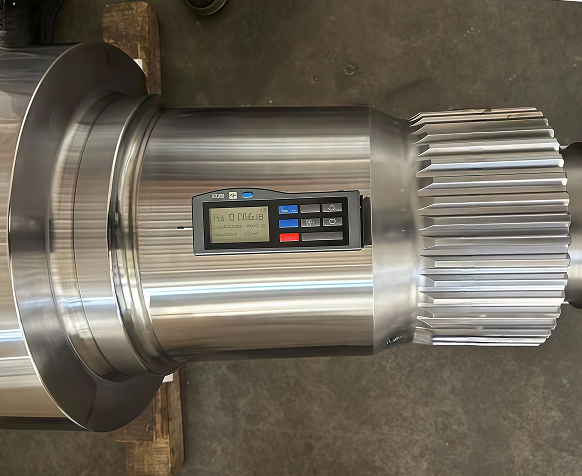
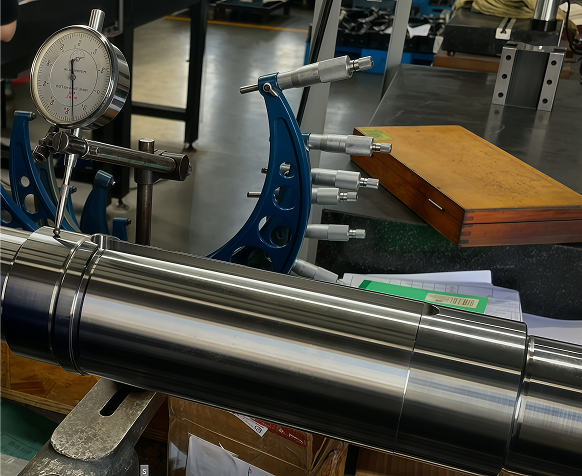
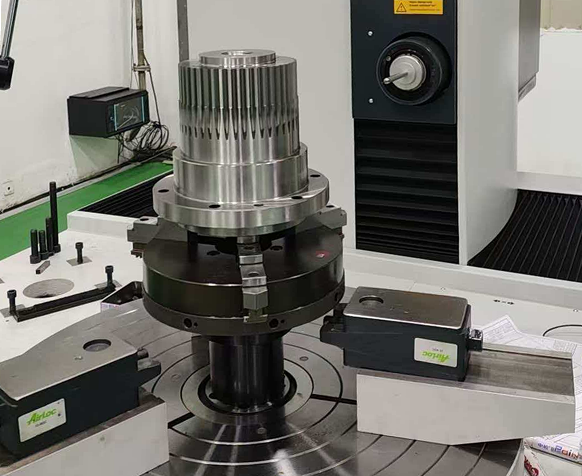
Making a hollow shaft takes a few extra steps compared to a solid shaft. You start with a bar of steel. Then you drill a hole down the center. This has to be straight and centered. If the hole is off-center, the shaft will be out of balance. After drilling, the outside is machined to the right size. Splines or keyways are cut on the ends. The bearing journals are ground smooth. Then the shaft goes through heat treatment and final grinding.
A hollow shaft is not the right choice for every motor. But when you need to save weight, pass something through the center, or reduce vibration, it is a smart option. It does the same job as a solid shaft, but with a hole that makes it more useful. And that is exactly what good design is all about.