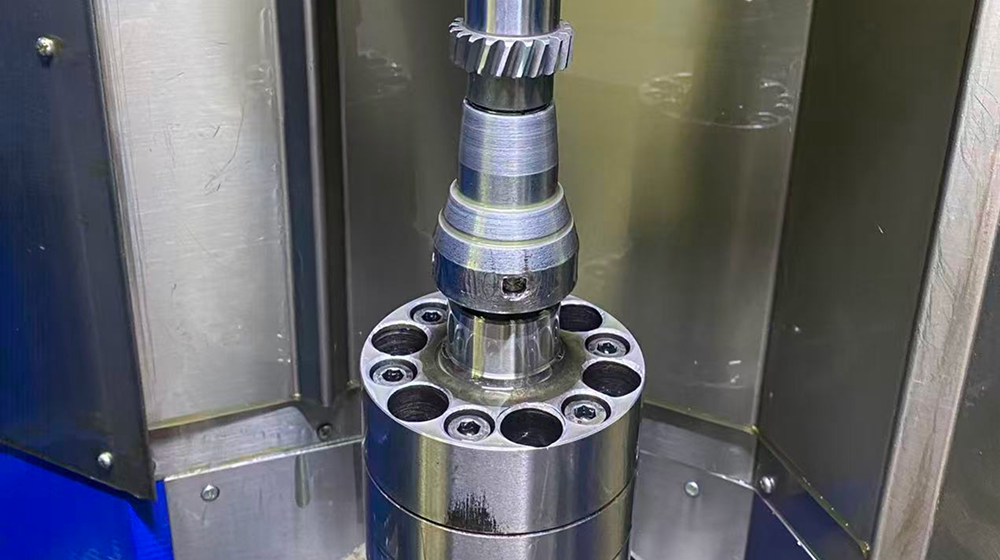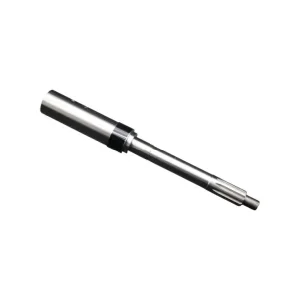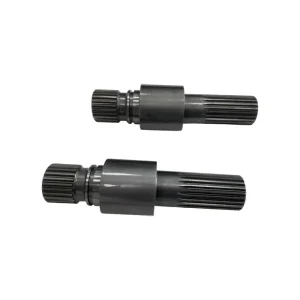

You have probably seen a gear motor before. Correctly, they are on conveyor belts, food processing lines, mixers, and all kinds of industrial equipment. But have you ever thought about what goes into that motor? There is a part called a stainless steel input shaft for gear motors. It is the piece that brings power into the gearbox.
So what does this stainless steel shaft do? The motor spins, and that spinning goes into the shaft. The shaft takes that power and feeds it into the gears inside the gearbox. Those gears change the speed or increase the torque. Then the output shaft on the other side sends that power to do the actual work. The input shaft is the starting point. Without it, the motor just spins and nothing else happens.
Now, why use stainless steel? Regular steel works fine for most jobs. But in wet or dirty places, regular steel rusts. Rust eats away at the shaft, ruins the seals, and can even cause the shaft to break. Stainless steel shaft fixes that problem. It does not rust. So a stainless steel input shaft for gear motors is a better choice when moisture or chemicals are around.
Where do you actually use these shafts? Here are a few examples.
- Food factories use them a lot. The equipment gets washed down with water and cleaning chemicals every day. A regular steel shaft would not last long. But stainless steel handles the washing without rusting.
- Marine equipment is another one. Boats, docks, and offshore machines deal with saltwater all the time. Saltwater is rough on regular steel. Stainless steel handles it fine.
- Chemical plants use them too. Harsh chemicals can corrode regular steel quickly. Stainless steel resists that corrosion and keeps working.
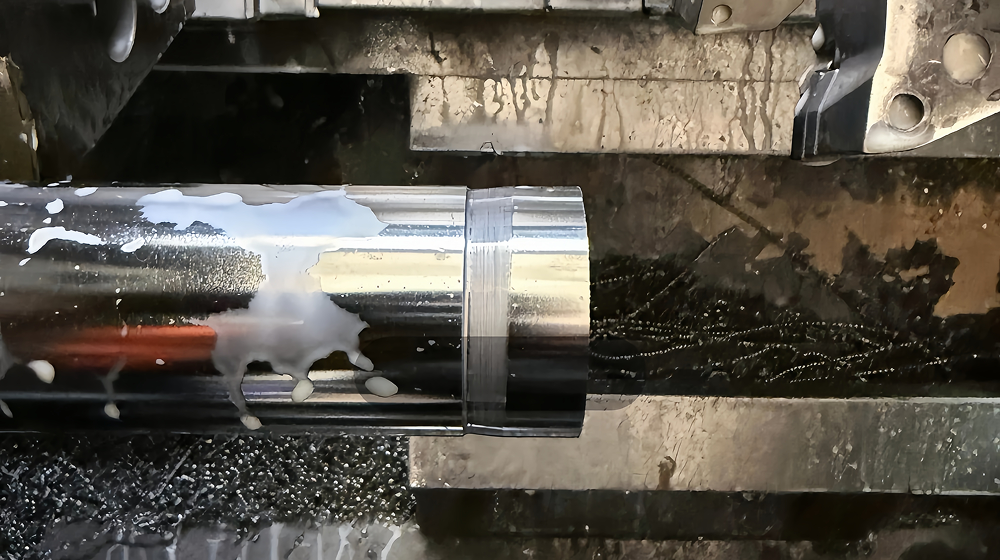
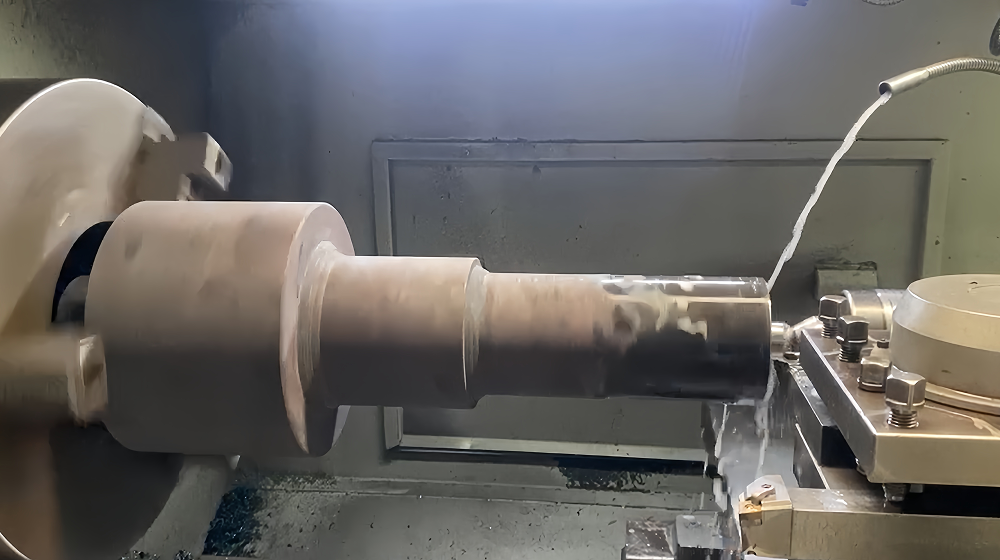
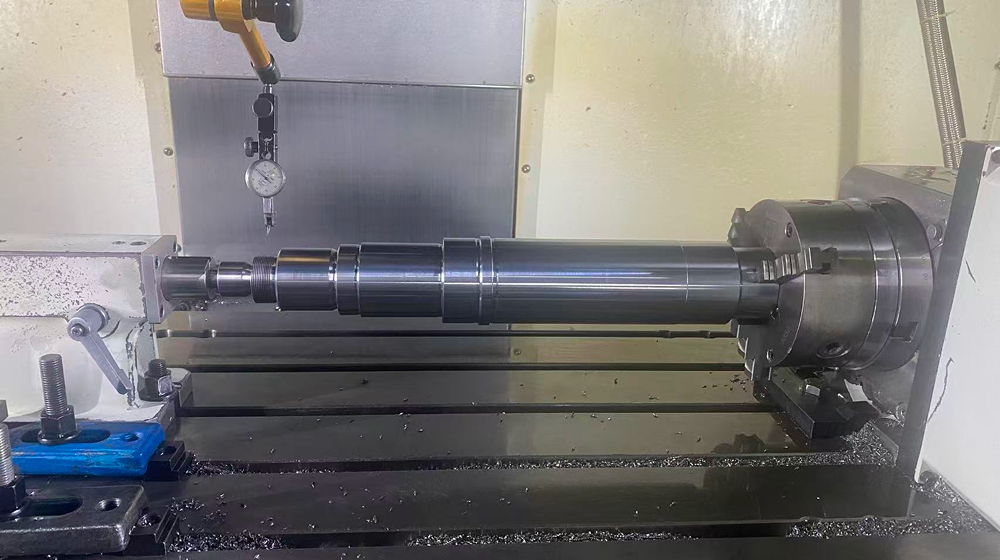
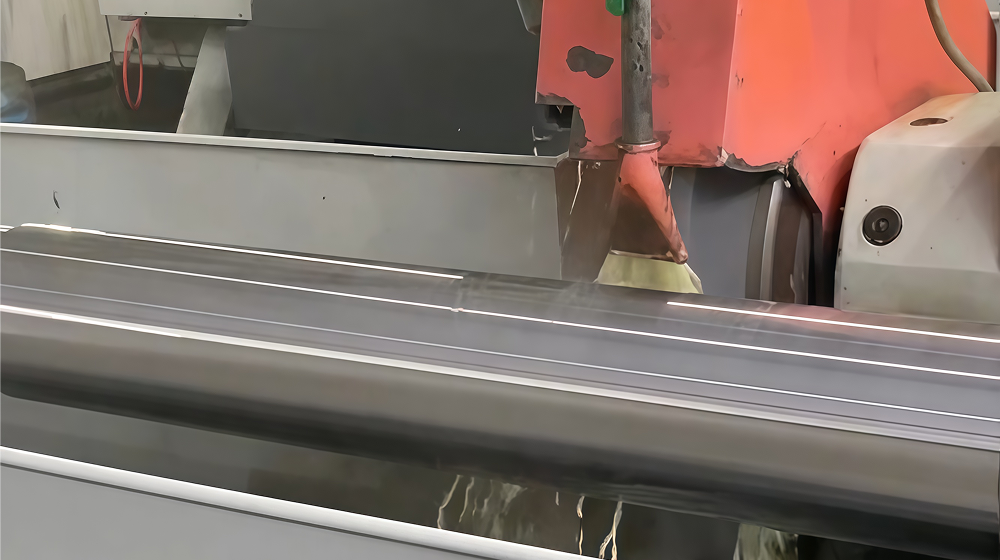
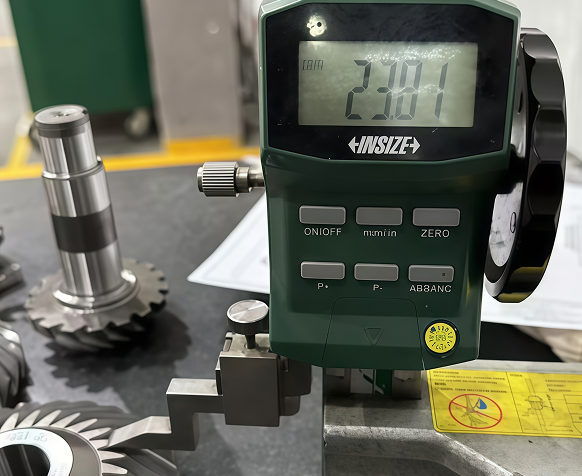
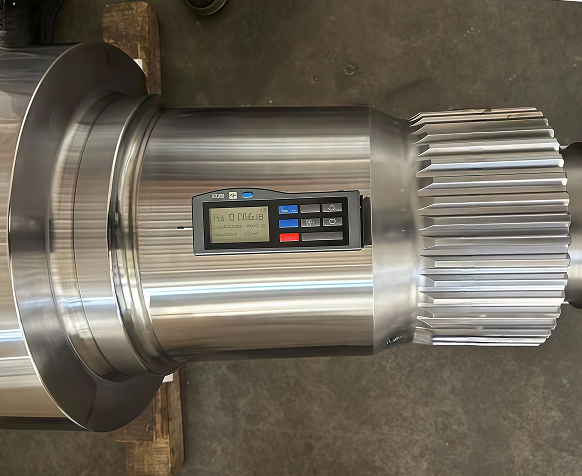
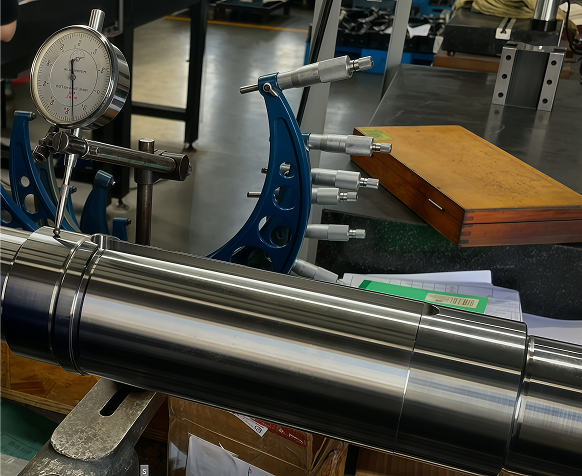
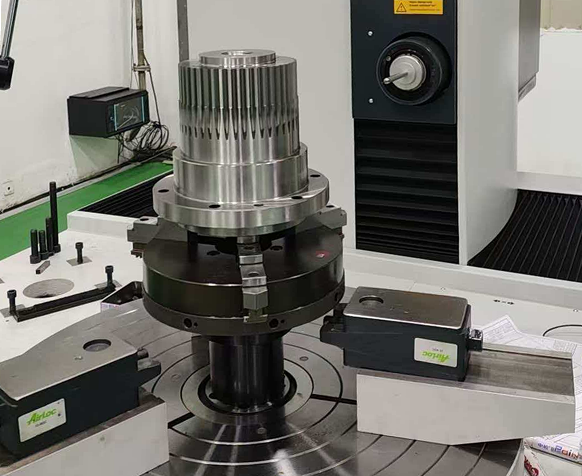
Making one of these shafts is not hard. You take a bar of stainless steel, cut it to length, and machine it to the right size. Some shafts have keyways or splines cut into them. Some have threads on the end. After machining, the shaft gets polished to a smooth finish. That smooth finish helps the seals fit tight and keeps dirt out.
The stainless steel we use is usually grade 303 or 304. Both are good for general use. If the application is tougher, we can use a higher grade.
So if you have a gear motor that runs in a wet or harsh environment, a stainless steel input shaft for gear motors makes a lot of sense. It does not rust. It lasts longer than regular steel. And it keeps your equipment running without unexpected breakdowns.