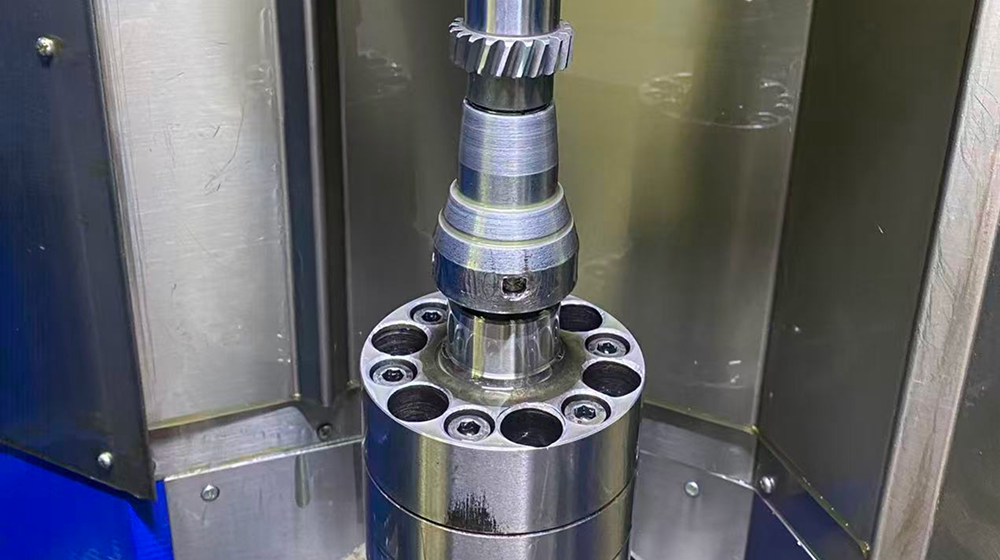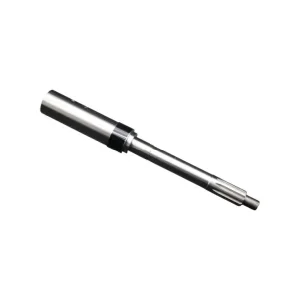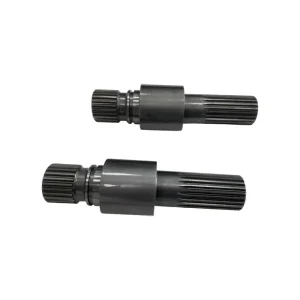

You have probably heard the word “precision” thrown around a lot. But when we talk about a high precision gearshaft, we mean something very specific. It is a shaft that has been made to very tight measurements – so tight that you need special tools just to check if it is right. Everything has to be exact.
So what does a high precision gearshaft actually do? Same thing any gearshaft does – it transfers power from one place to another. But the difference is, it does that job with almost no error. No wobble. No slop. No play. When it spins, it stays perfectly on center. That matters a lot in machines that need to move exactly where they are told.
Think about a CNC machine that cuts metal parts. The spindle spins a cutting tool, and the tool has to follow a path programmed into the computer. If the gearshaft that drives the spindle is even a little bit off, the cutting tool will wander. The part will be scrap. So a high precision gearshaft is not just nice to have – it is required.
Where do you find these shafts? Anywhere accuracy matters.
- In medical equipment, like imaging machines or surgical robots, the shafts have to be very precise. Even a tiny error could affect the image or the movement. So they use high precision gearshafts.
- In aerospace, the tolerances are even tighter. Airplane parts are checked and rechecked. The gearshafts inside flight control systems or engine components have to be exact. There is no room for error.
- In robotics, a high precision gearshaft helps the robot move smoothly and stop exactly where it should. If there is any slack in the shaft, the robot will overshoot or come up short. That can mess up whatever the robot is doing, whether it is welding, picking parts, or assembling electronics.
- In electric vehicles, the motor spins very fast. The shafts inside the drivetrain need to be balanced and straight. A high precision gearshaft helps reduce vibration and noise, and it makes the car run smoother.
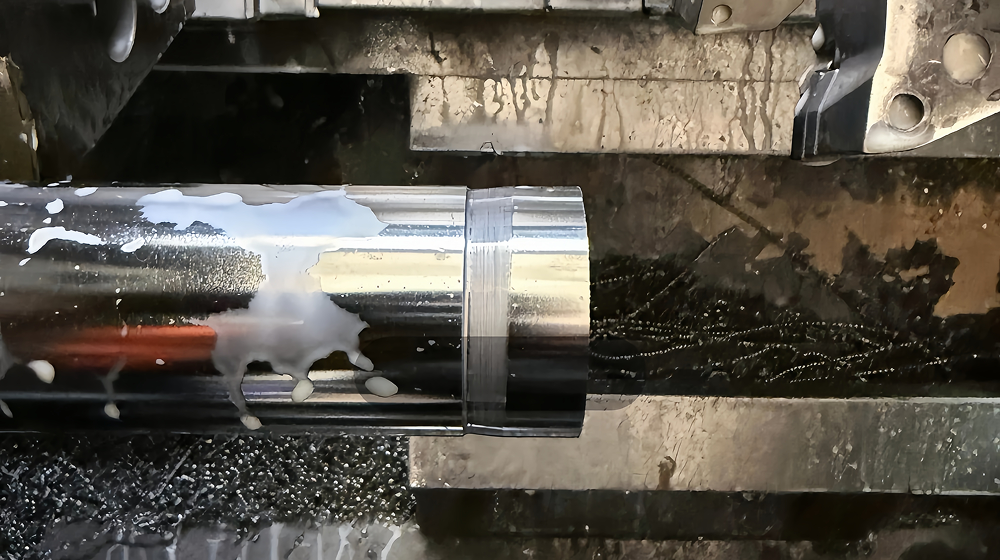
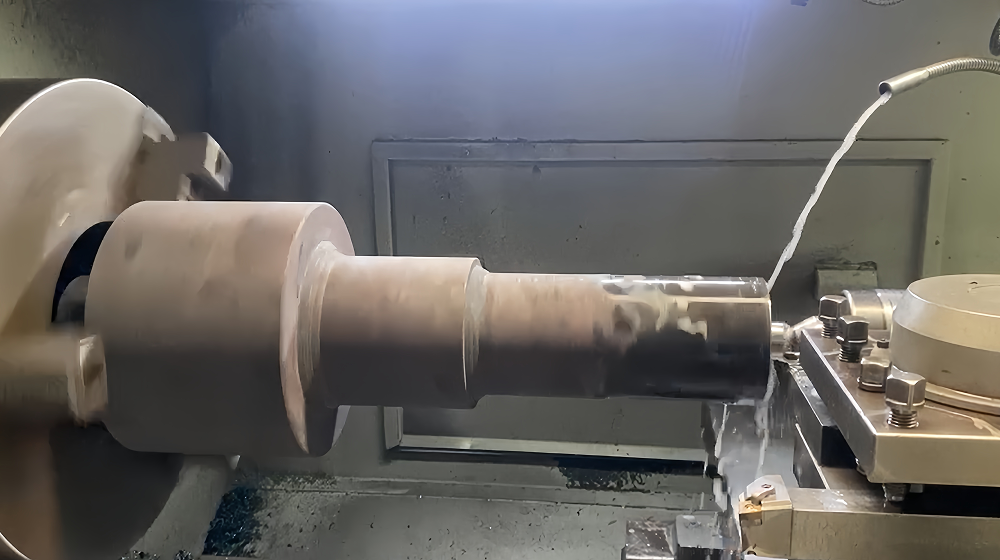
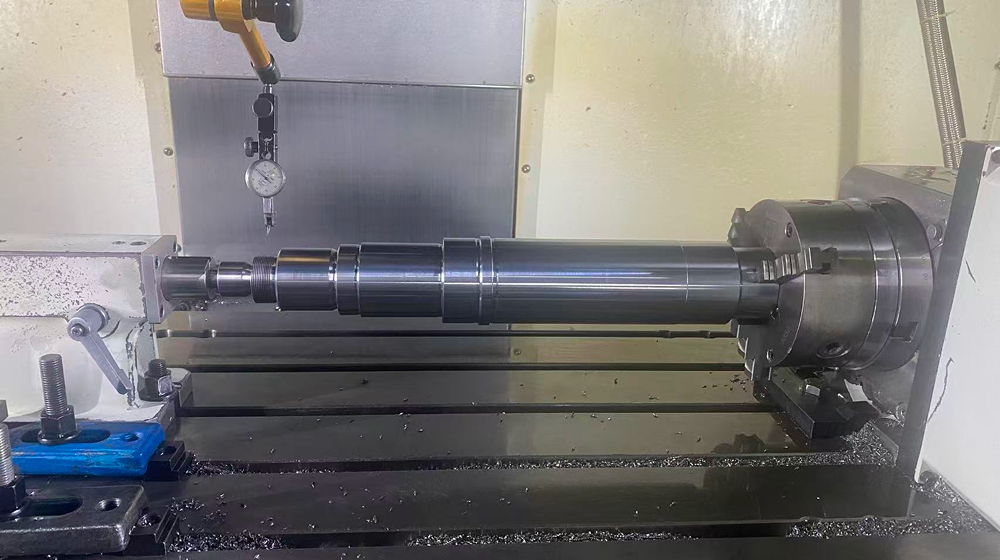
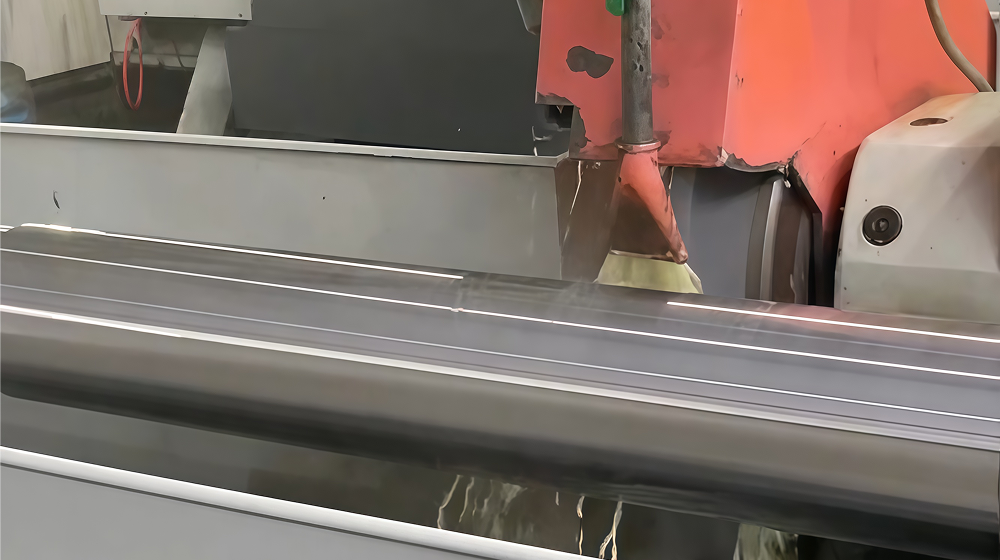
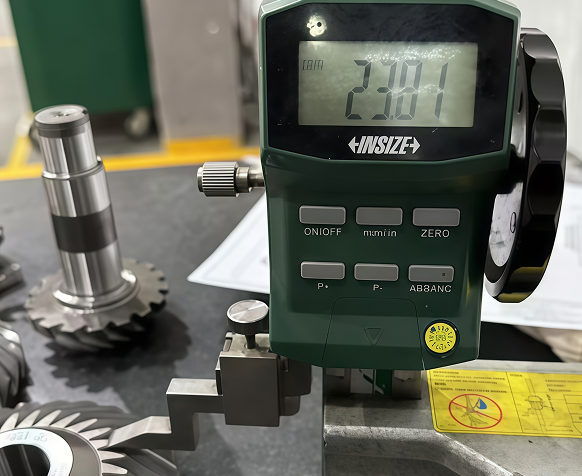
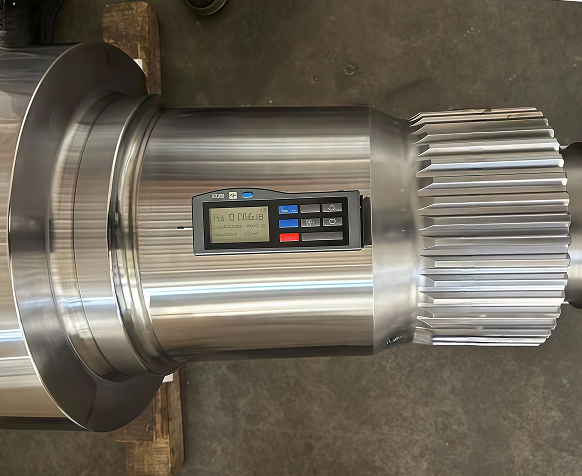
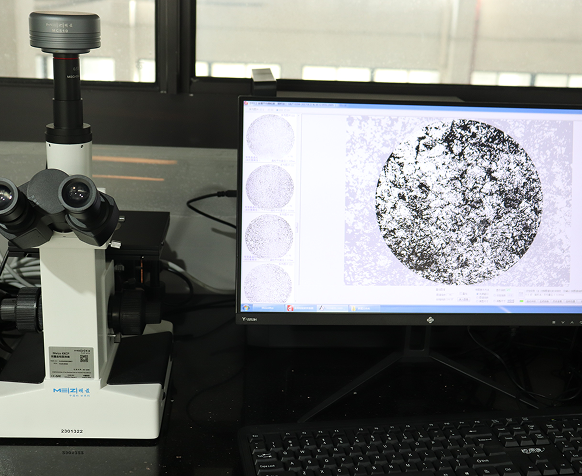
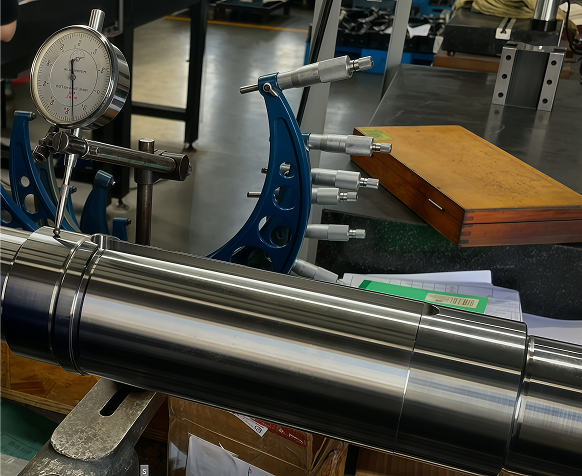
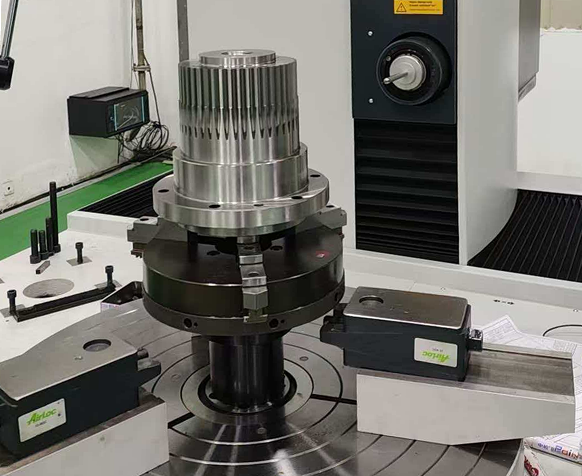
Making a high precision gearshaft takes more steps than a regular shaft. You start with good steel, machine it close to size, then heat treat it. After that, you grind the critical surfaces to the final size. Grinding is a slow, careful process that removes just a tiny amount of material. It is what gives you that precision. Then you inspect everything with gauges that measure in thousandths of a millimeter.
The steel matters too. Most high precision gearshafts are made from alloy steel that can be hardened and ground to a fine finish.
So if your machine needs to move accurately, spin smoothly, and last a long time, a high precision gearshaft is the answer. Nothing fancy about it – just a shaft made right, with no shortcuts. And that is exactly what you need when accuracy counts.