
Material
Gear Material Selection
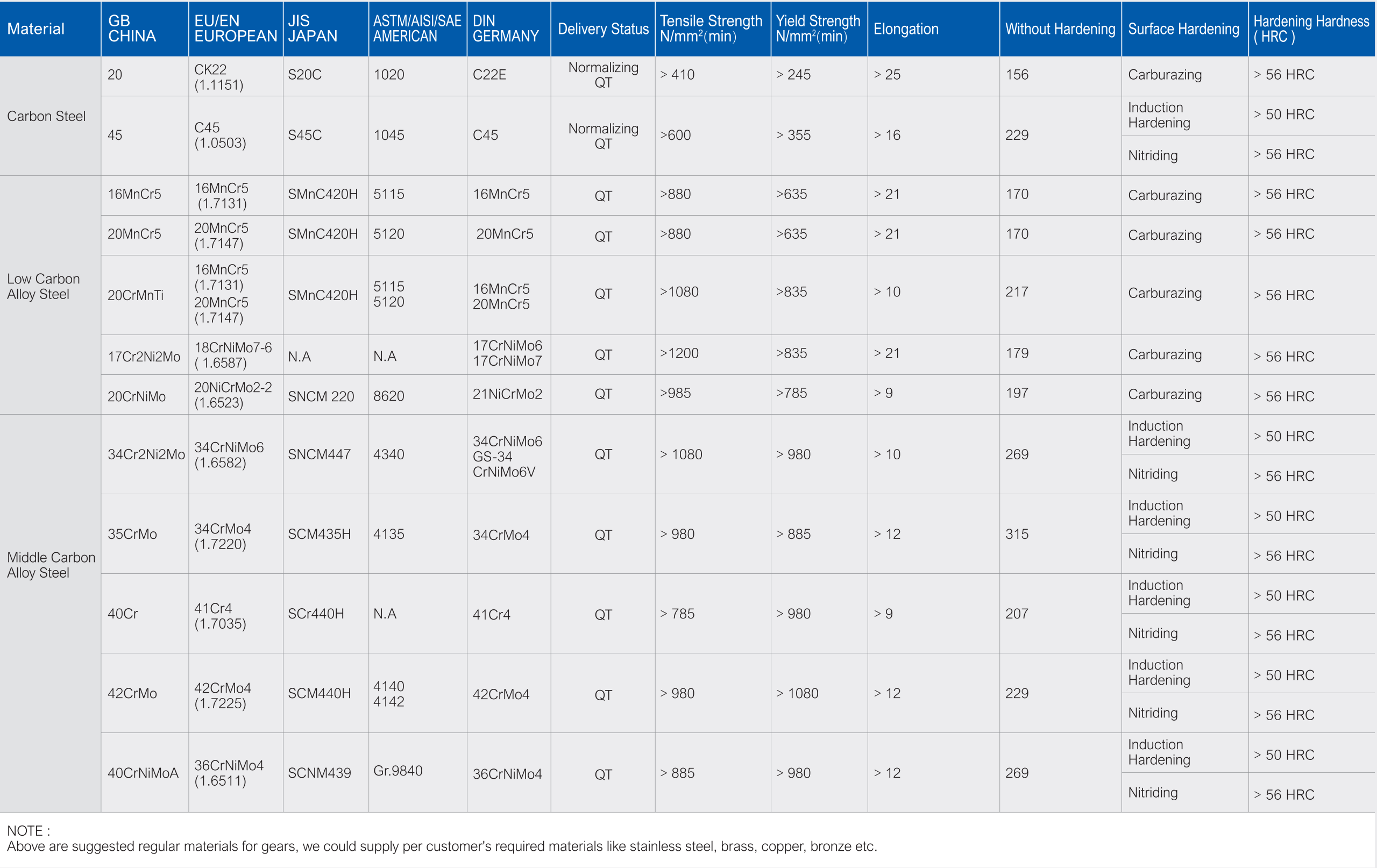
Gears are wornout components which makes material selecting and preparing critical for gear life which is the starting point of gear manufacturing. BELON provides workwide standards DIN,ISO,GB,JIS.. materials proposes according to customer’s industries, applications and cost budget. How material performed also determines the mechanical properties, cost-effectiveness, and gear quality. BELON tailor the manufacturing process—selecting from Bar Baiting, Tube Baiting or Precision Forging—based on the specific geometry and performance requirements of each gear.
Regular Gear Materials
We utilize high-quality alloy and carbon steels for gear production, as they offer an optimal balance of strength and durability. Our material selection is tailored to meet the precise performance and longevity demands of each application. A proper material provides a solid foundation for the entire manufacturing process.
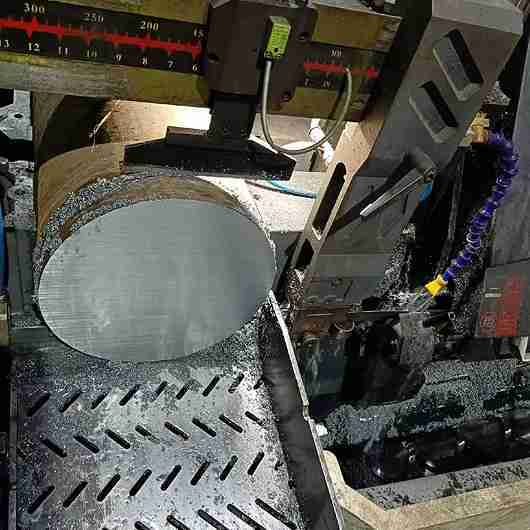
Bar Baiting
When the gear design is solid, simple and does not involve a wide range of diameters, bar baiting is often the most cost-effective raw material choice. For example the smaller diameters less than 150-200mm and also which is in low load application and non-extreme operating conditions. It can be cut to the required length and then rough-turned, streamlining the initial production stage of gear manufacturing.
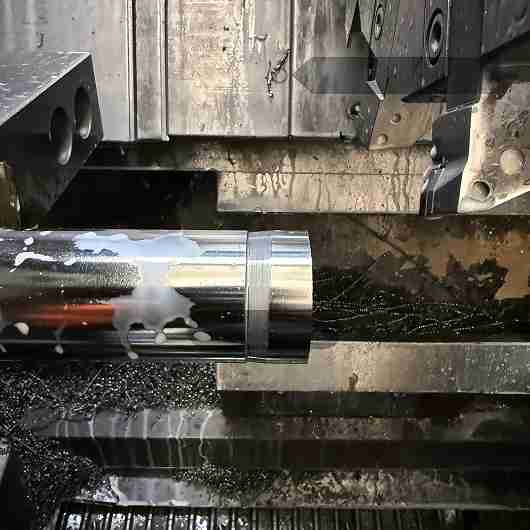
Tube Baiting
When the gears with internal cavities or requiring a hollow structure, tubes are often the most cost-effective raw material choice for example :the large ring gears which is with big outer diameters, the gears used in applications where weight is a critical factors such as aerospace and vehicle transmission components. This process prepares hollow, tube-shaped metal stock that has been cut to the exact length and diameter required. Tube baiting can significantly save material, reduce machining time and removal, thereby lowering overall cost and weight.
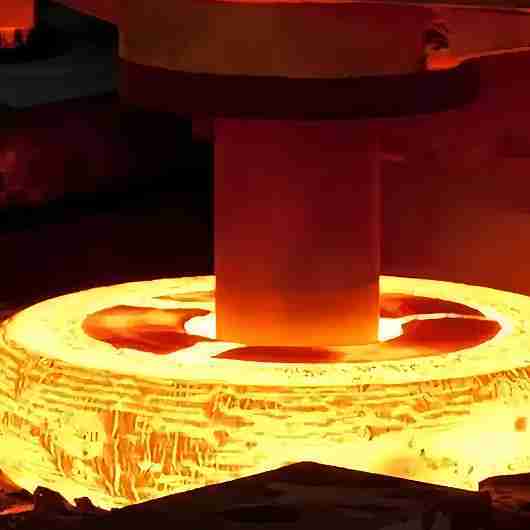
Forging
When gears need high performance that needs to withstand high loads, high stress, impact loads or fatigue loads, forgings are suggested to use. Forging allows metal fibers to be continuously distributed along the gear profile, significantly improving root strength and fatigue life. When gears are in large production, forgings are suggested which could improve production efficiency and amortize mold cost by lowering unit price in the future batches. Forgings could be divided into open-die forging and close-die forging, open-die forging is more used in single piece, small batches or giant gears which has simple shapes with large machining allowance, closed-die forging is more used in mass production which has shapes are closer to the finished product with smaller machining allowance, higher material utilization and best performance.
Transmission Partner