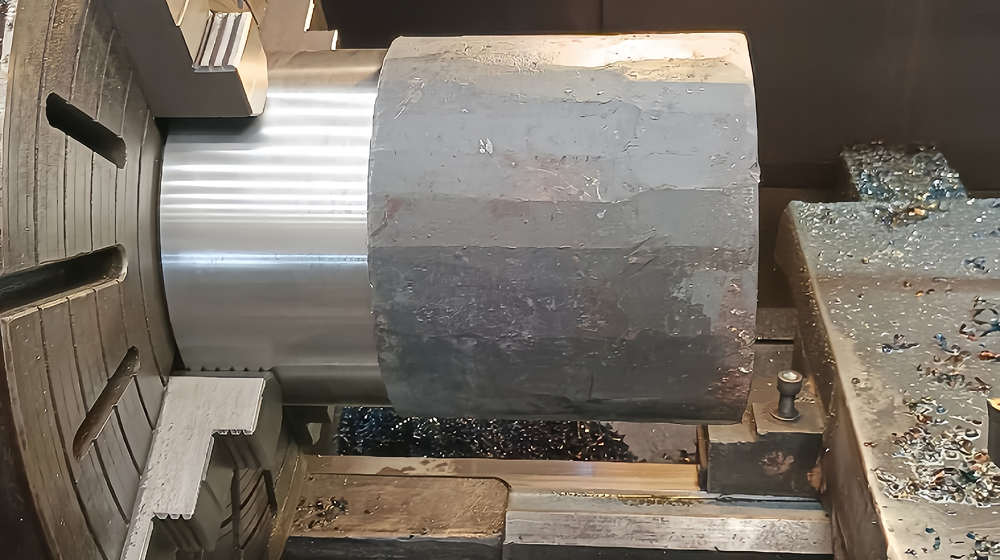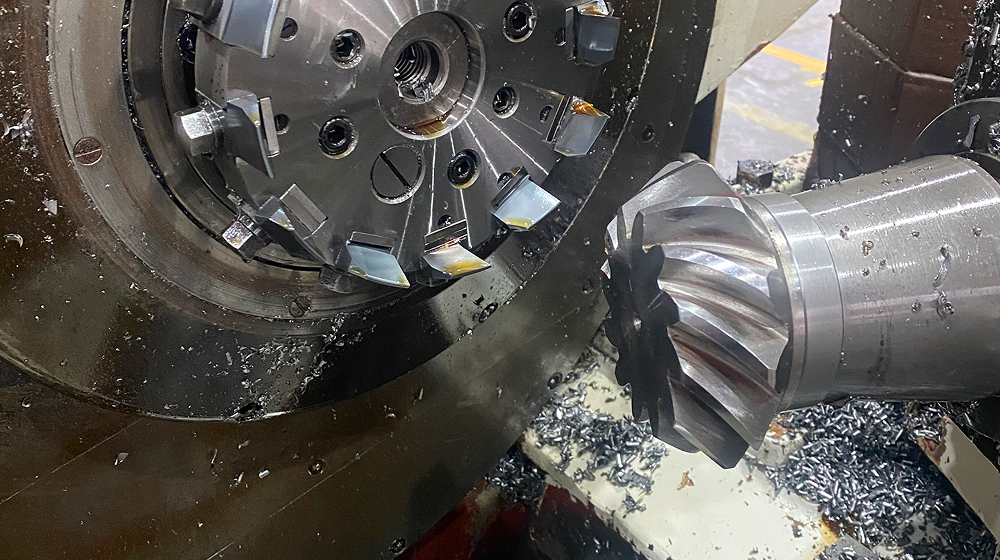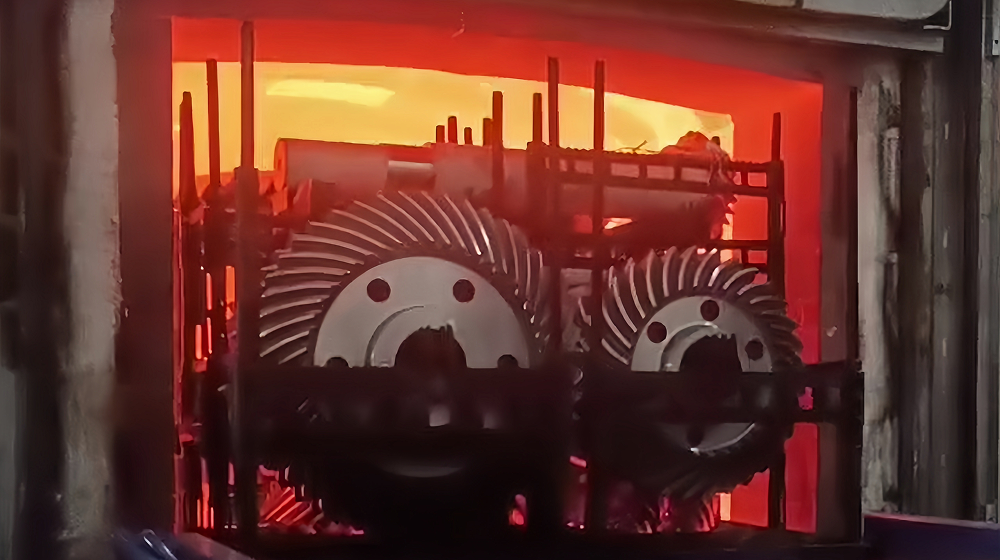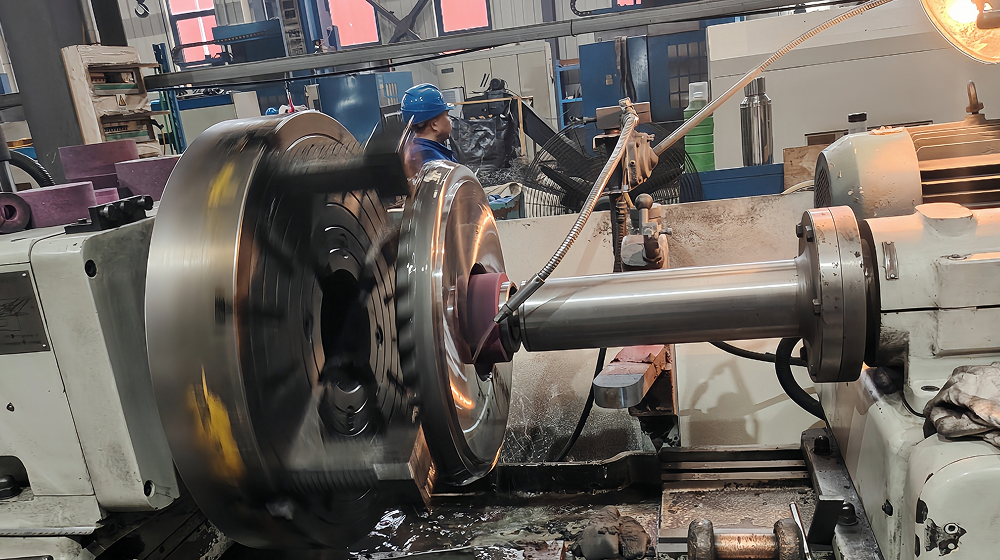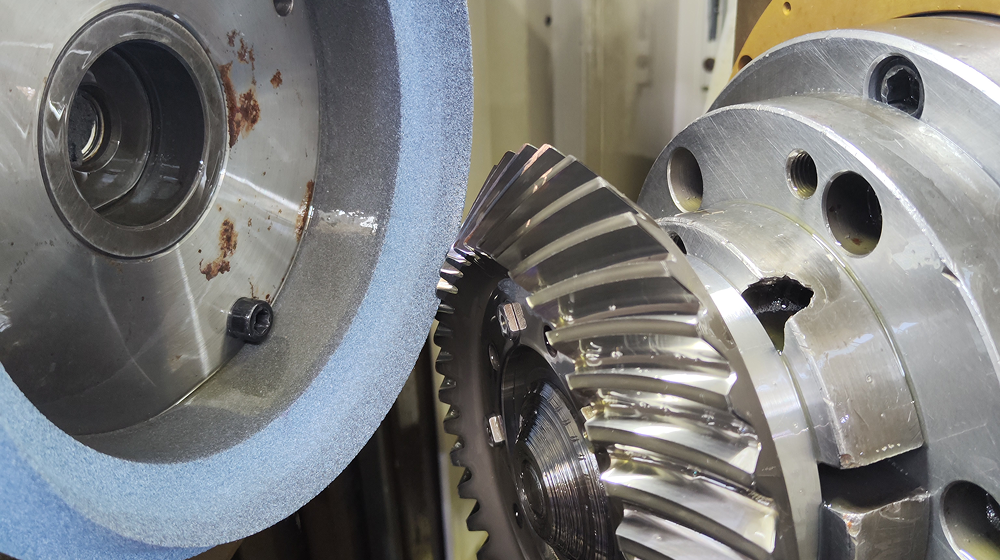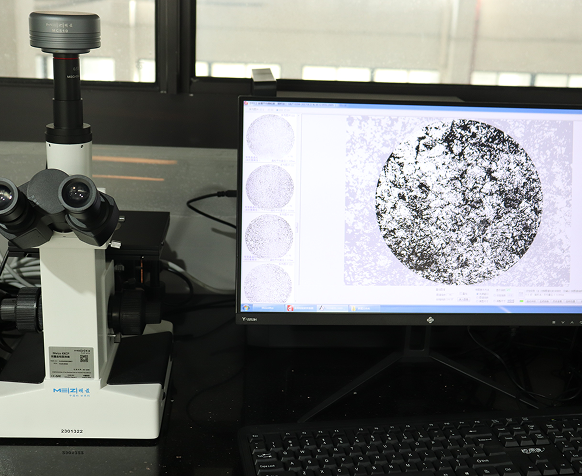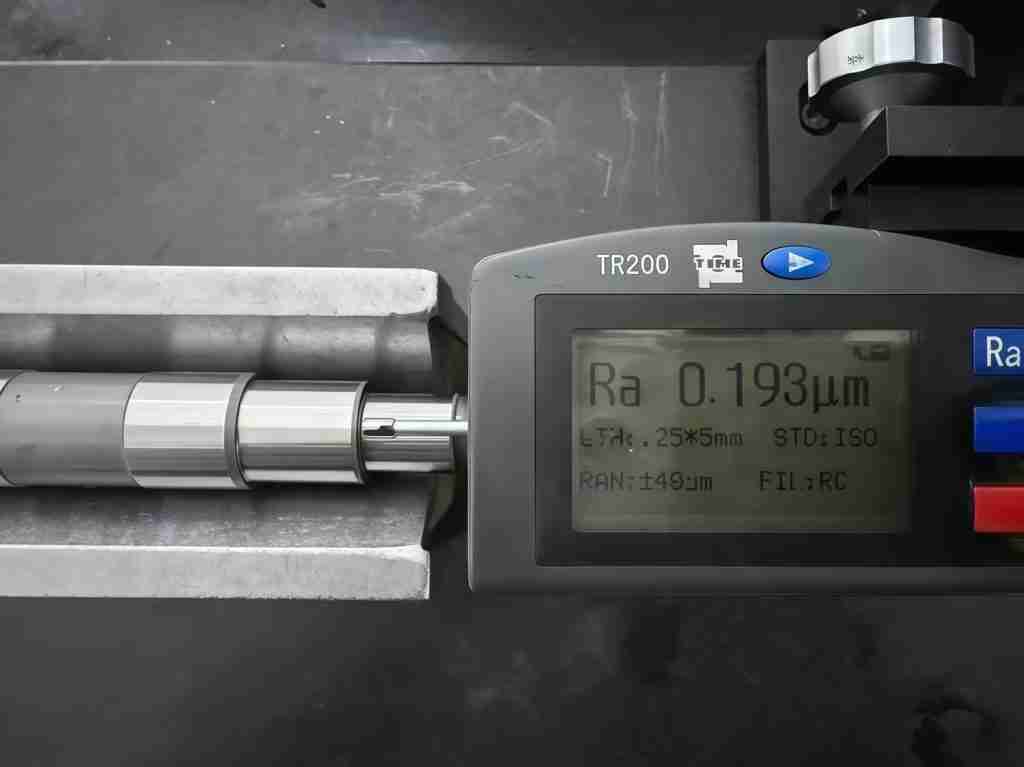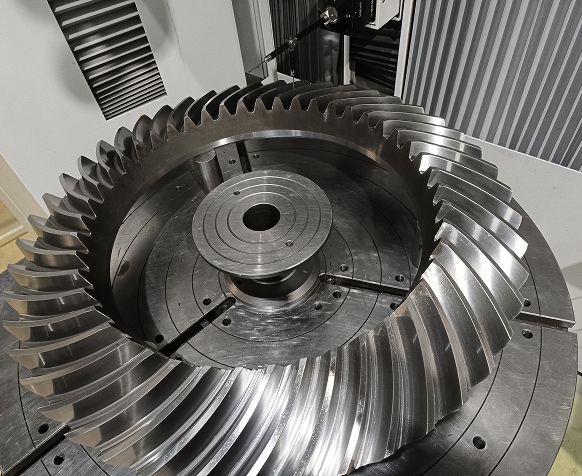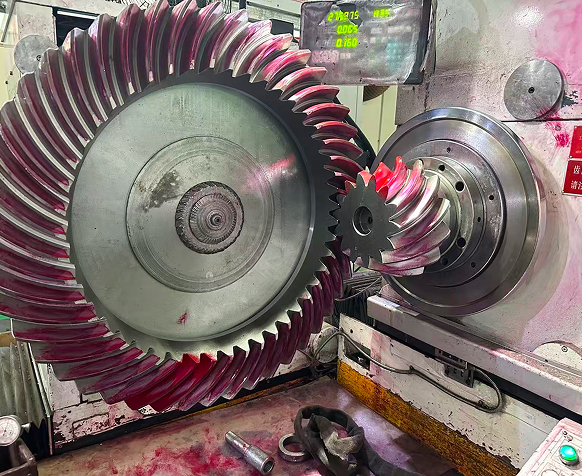

A bevel pinion gear is the smaller conical gear in a bevel gear set, used to transmit power between intersecting shafts, typically at a 90° angle.
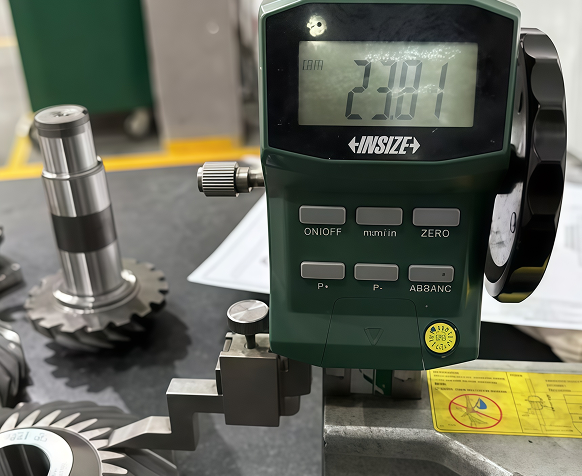
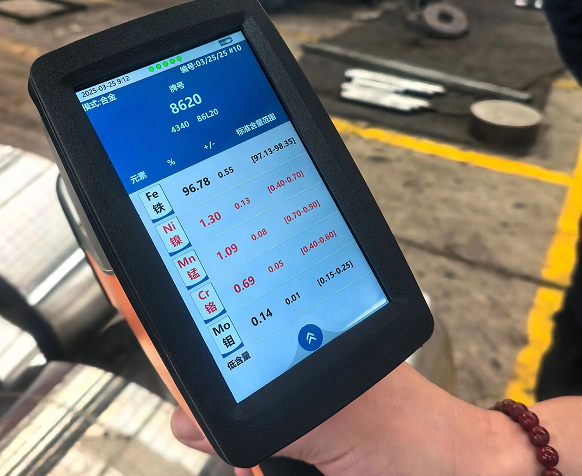
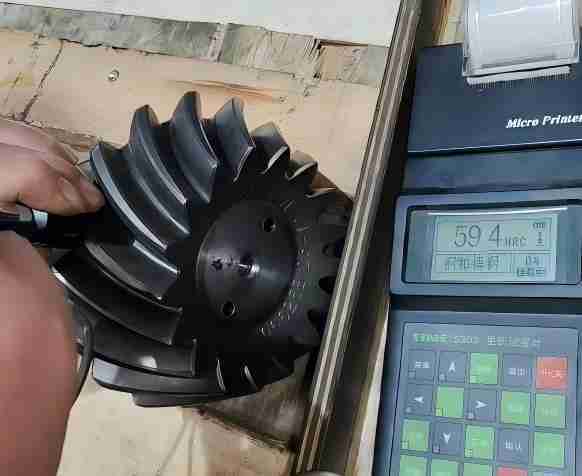
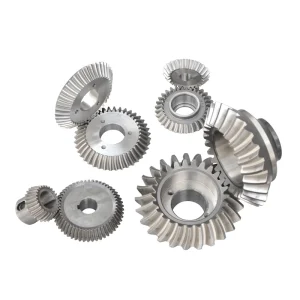
The photo shows a typical example of bevel pinion gears made by BELON used for gearboxes. They belong to zero bevel gears and have the following core characteristics:
- Exceptionally Smooth and Quiet Operation: Due to their spiral tooth design, these zerol gears in gearboxes engage via progressive “rolling contact” involving multiple teeth simultaneously, rather than the abrupt impact characteristic of straight-tooth gears. This results in extremely low operating noise, making them ideally suited for high-speed applications.
- High Load Capacity and Strength: The spiral tooth form of zerol bevel gears in gearboxes creates a longer line of contact and a larger contact area, allowing the load to be distributed evenly. Consequently, their load-bearing capacity is approximately 20%–30% higher than that of straight bevel gears of comparable size, enabling them to withstand significant impact torque.
- High Efficiency: Precision-machined spiral bevel gears typically achieve transmission efficiencies of 96%–98%, ensuring minimal energy loss.
- Generation of Axial Thrust: The presence of the spiral angle generates substantial axial thrust during transmission. Therefore, in engineering designs, corresponding thrust bearings (such as angular contact ball bearings) must be incorporated to accommodate these forces.