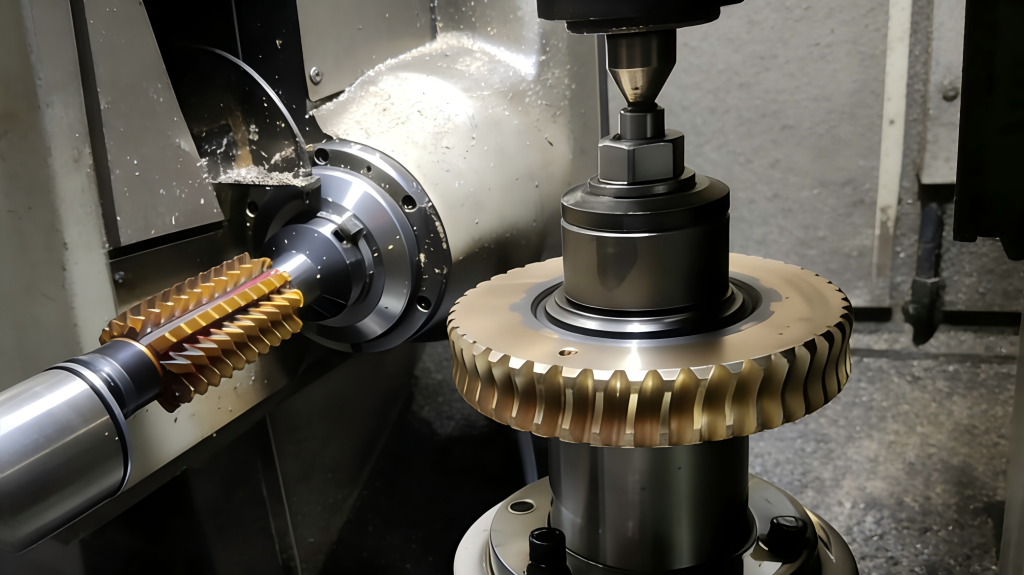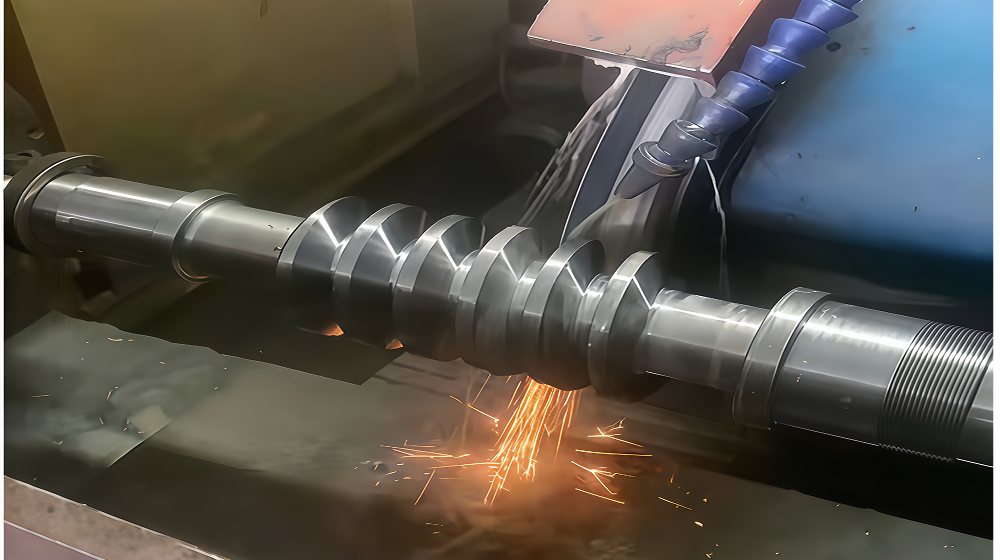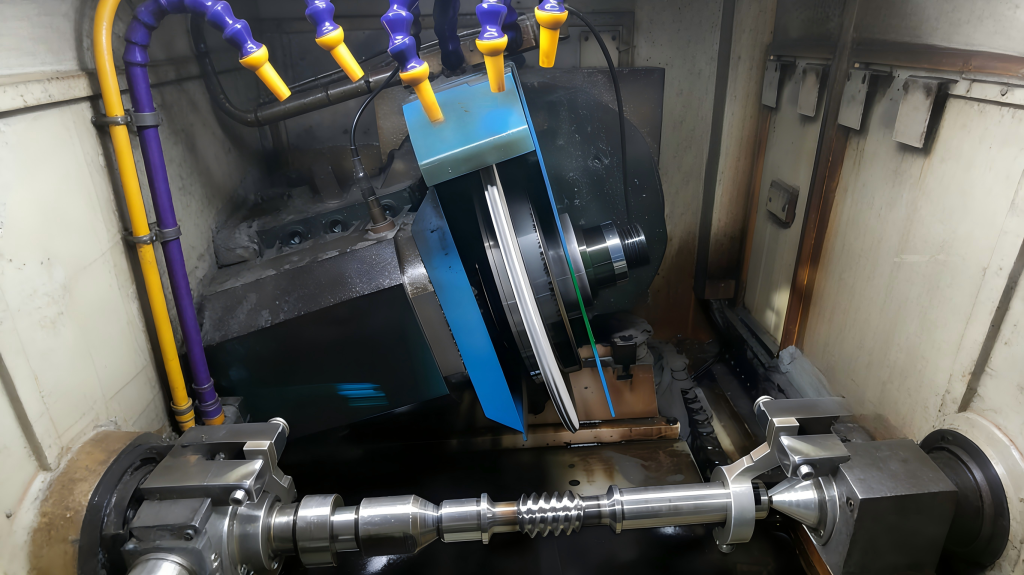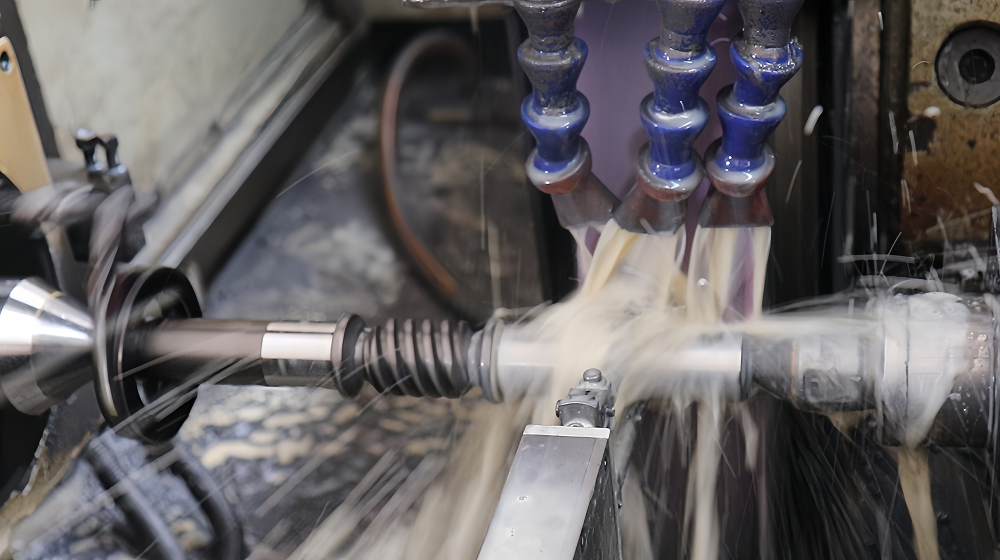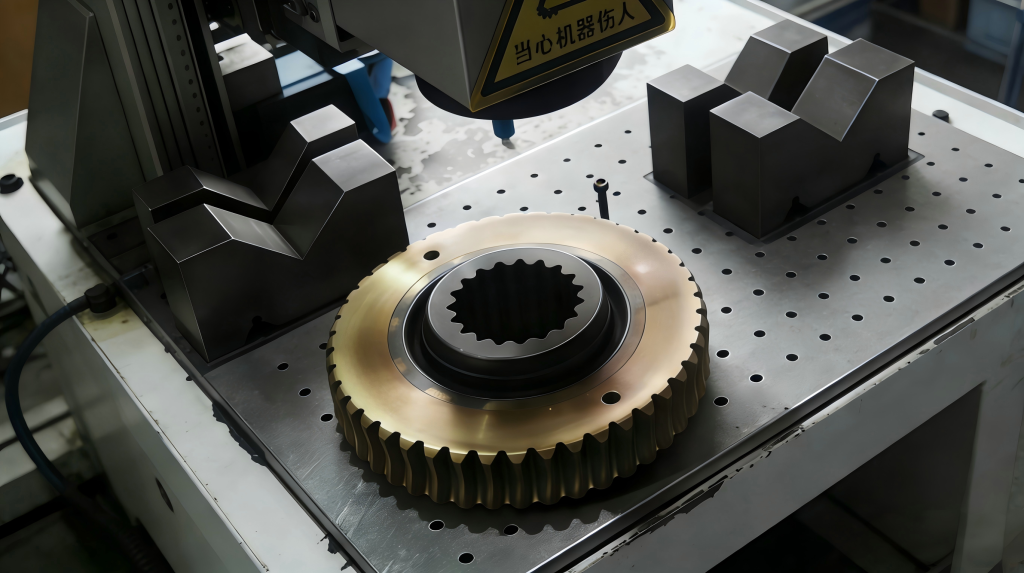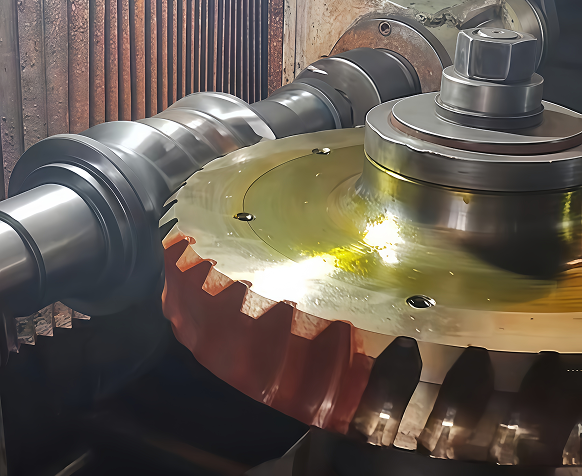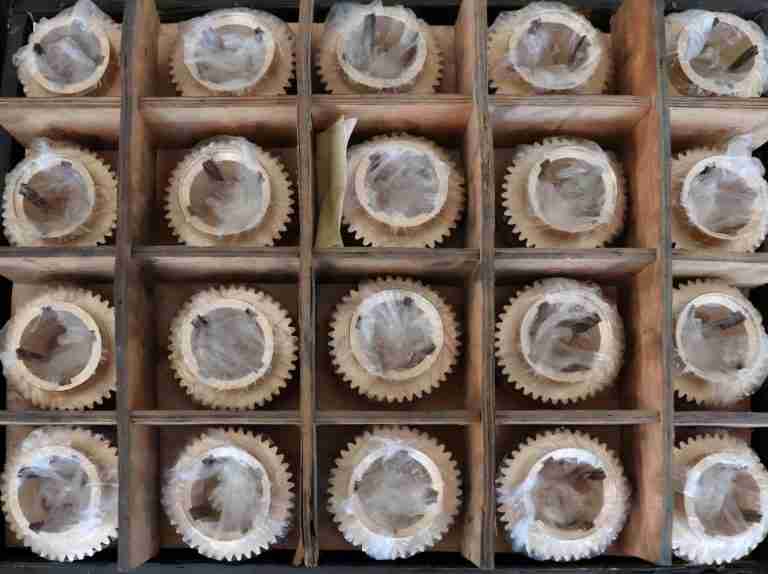

A worm shaft and worm wheel form a complete worm gear set: the threaded worm shaft drives the toothed bronze worm wheel to transmit torque and reduce rotational speed between non-intersecting, non-parallel shafts.
- This matched pair forms a worm gear drive, transmitting power between non-parallel, non-intersecting shafts, commonly with a 90° shaft layout.
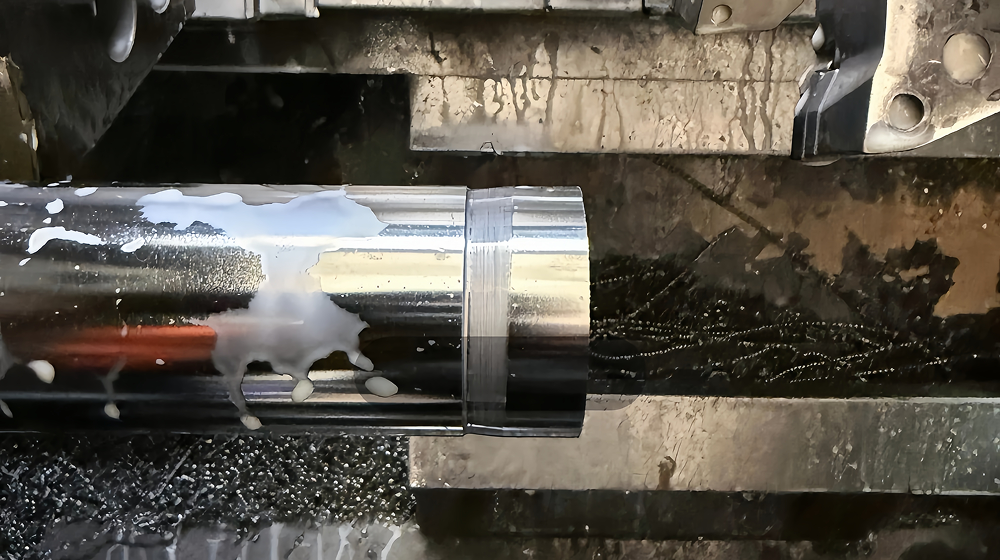
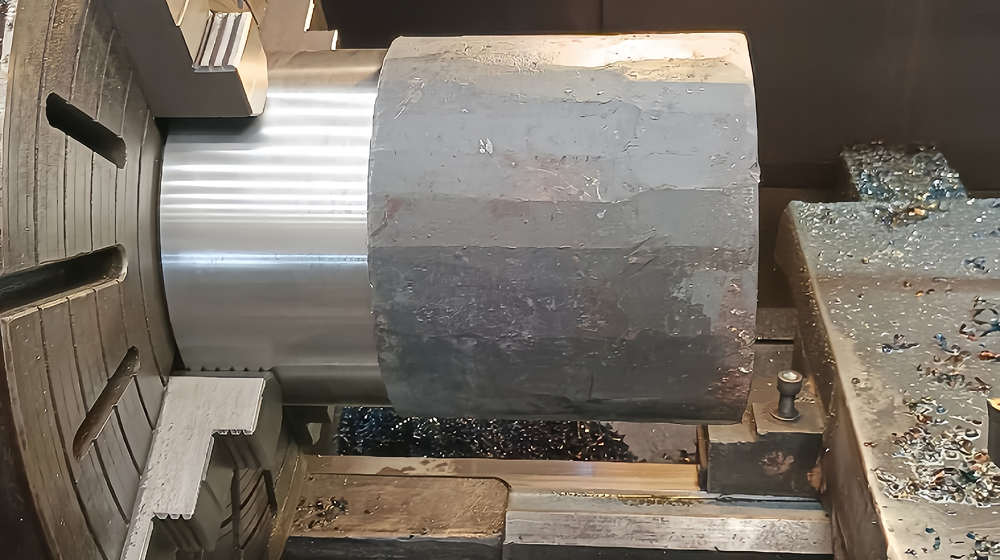
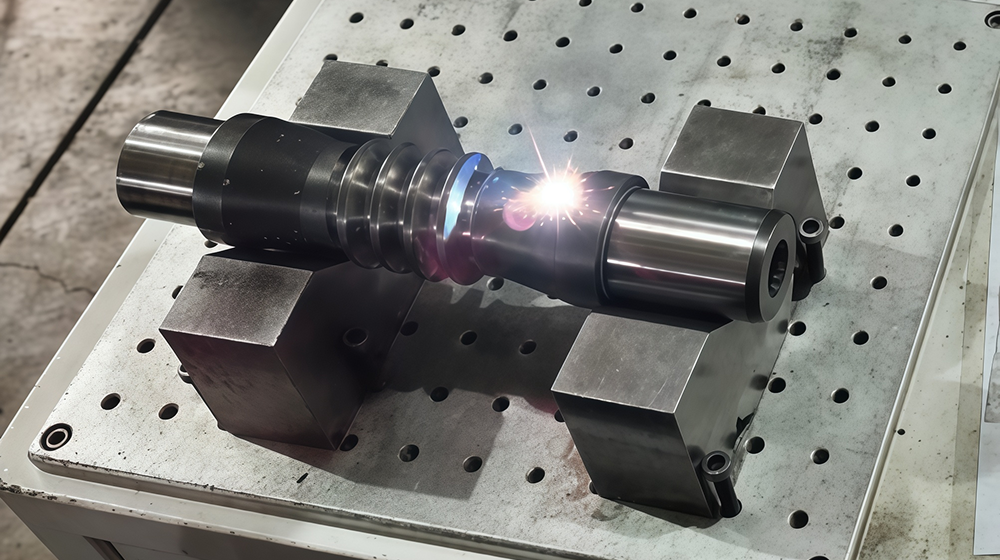
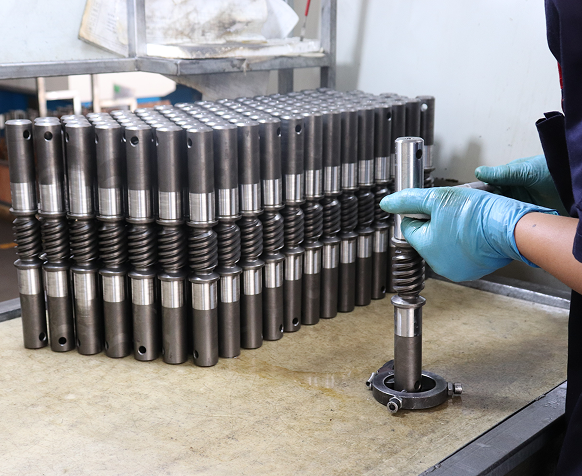
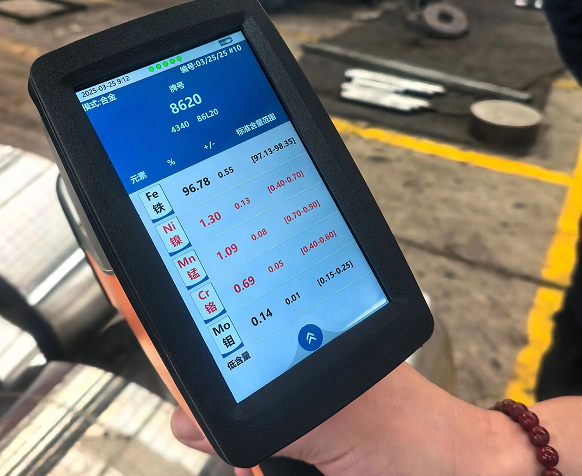
- Worm shaft: The driving component with continuous helical threads (worm starts). It is typically manufactured from alloy steel, carburized, quenched and ground to achieve high surface hardness for low sliding friction.
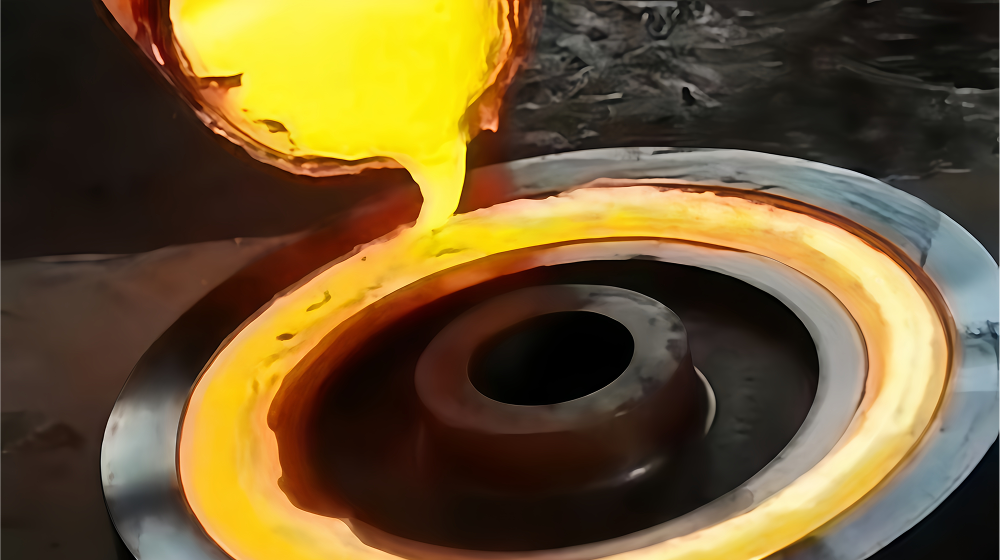
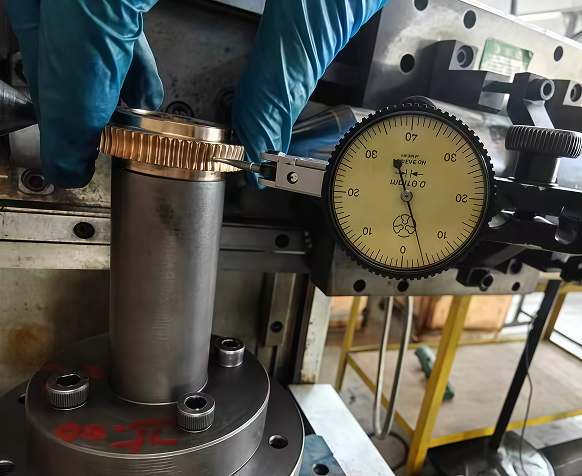
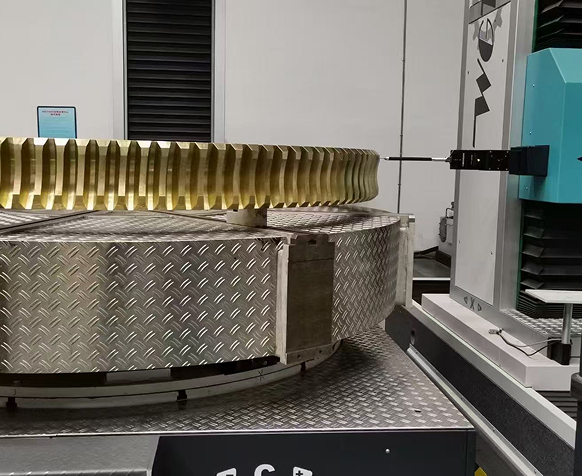
- Worm wheel: The driven bronze toothed gear, usually cast from tin bronze alloys. Its concave tooth profile fits the worm thread for large contact area and good wear resistance.
- High reduction ratios can be achieved within a compact assembly compared with other gear types.
- Meshing relies heavily on sliding friction between threads and tooth flanks, which generates heat; thermal capacity becomes a key limiting factor for continuous-duty operation.
- The material pairing of hardened steel worm shaft and bronze worm wheel resists scuffing and adhesive wear. The softer bronze wheel acts as a sacrificial component to protect the worm shaft under overload.
- Available in multiple configurations: bare worm wheel with plain bore, worm wheel pre-assembled with output shaft, and worm shafts finished with integrated input ends.
- Self-locking property may be achieved depending on the worm lead angle, preventing reverse rotation under certain load conditions.
This photo showcases a typical example of worm shaft and worm wheel made by BELON used for screw jacks. It combines efficient power transmission with a compact structure. It features a precision-engineered assembly of a high-quality alloy steel worm and a wear-resistant bronze worm wheel, ensuring smooth transmission and precise positioning even at high reduction ratios. Its key advantage lies in reliable self-locking capability, which securely supports heavy loads and eliminates the risk of slippage, thereby significantly enhancing operational safety. The optimized tooth profile effectively minimizes frictional loss and heat generation, extending the product’s service life. It supports diverse mounting interfaces and gear ratio configurations, offering flexibility for various industrial applications. With low-noise operation and a maintenance-free lubrication system that reduces operating costs, it serves as an indispensable transmission component for material handling, structural support, and precision adjustment systems.