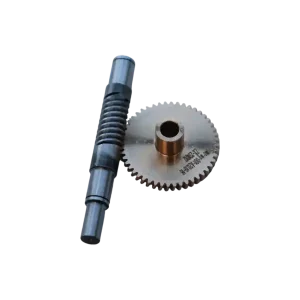
Worm Gear Set Manufacturing Process And Quality Assurance
In addition to the material selection and tolerance grades, the production route is decisive for the reliable performance of this worm gear assembly. The worm wheel is hobbing to DIN 8 quality, while the worm shaft is grinding to DIN 6. This deliberate choice of processes is not arbitrary – it reflects a deep understanding of the functional requirements, material properties, and cost‑effectiveness.
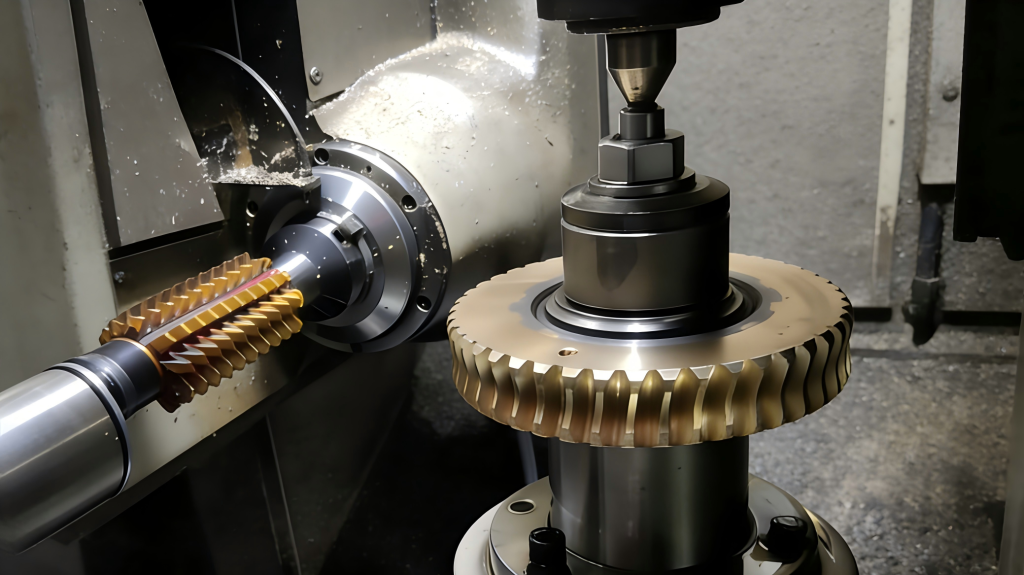
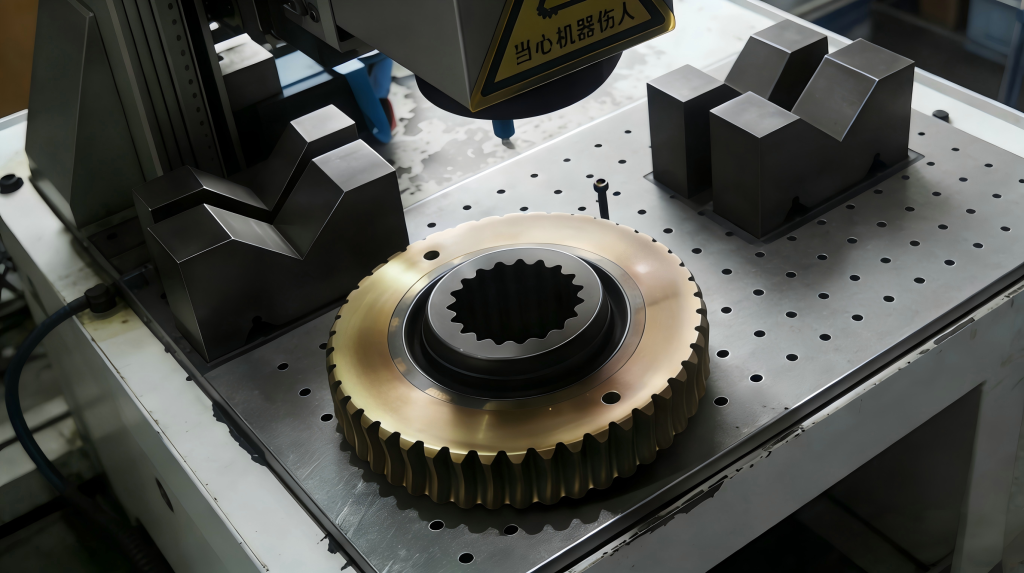
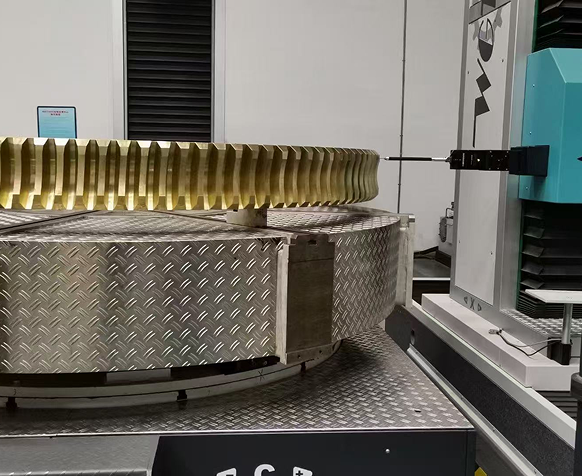
Worm Wheel – Hobbing (DIN 8)
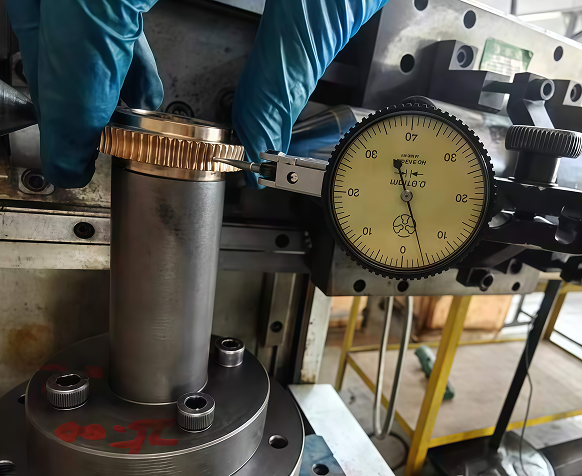
Hobbing is a continuous generating process that uses a helical cutter to produce the gear teeth. For the phosphor bronze worm wheel (C52400), hobbing is high productivity. It’s single‑setup operation ideal for medium to large batch production, ensuring consistent quality across many parts. And the modern CNC hobbing machines can maintain profile, lead, and pitch deviations within DIN 8 limits. The bronze material is soft and machinable, allowing hobbing to generate a smooth flank without the need for subsequent grinding to have economic cost. Hobbing tools have long life and are readily available, making this process the most economical choice while still delivering a reliable gear that meshes well with a high‑precision worm.
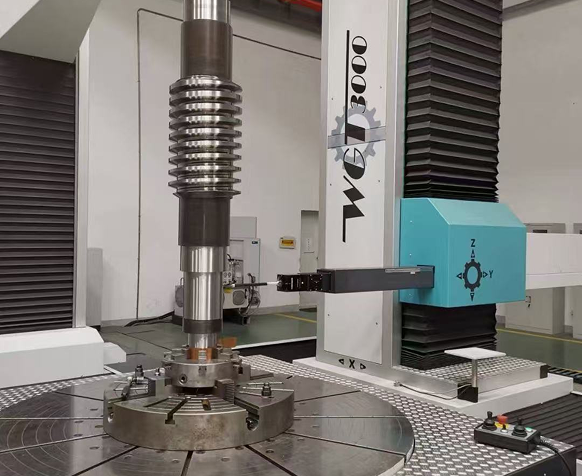
Worm Shaft – Grinding (DIN 6)
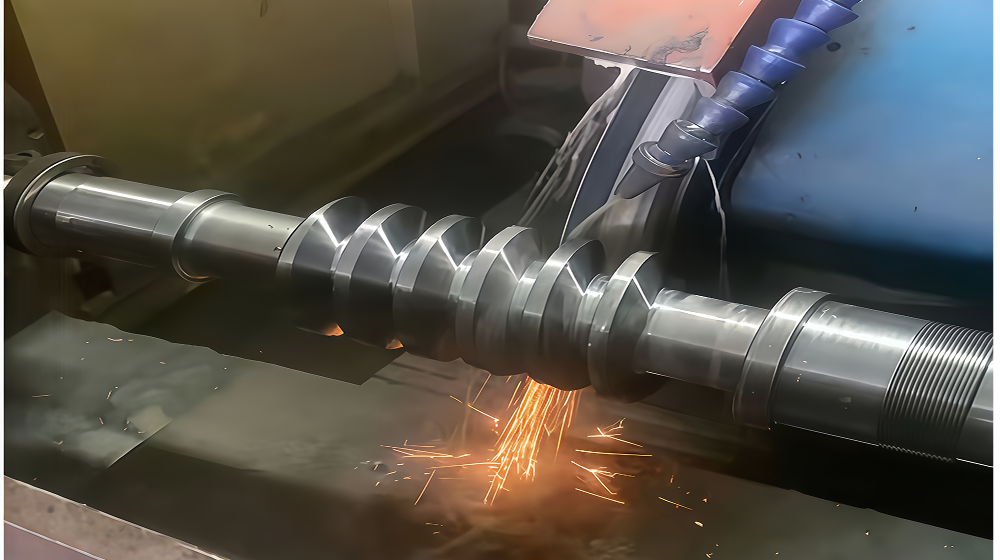
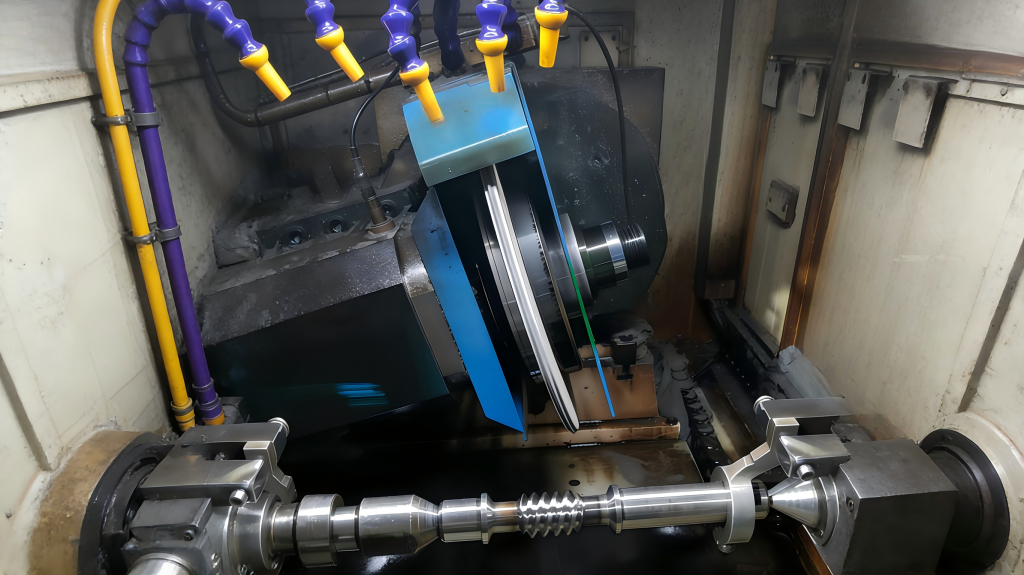
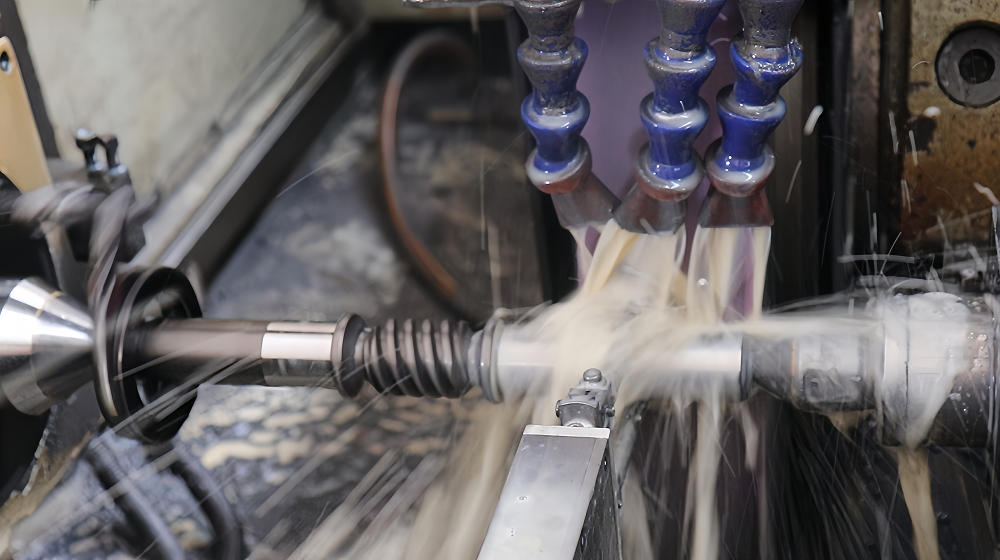
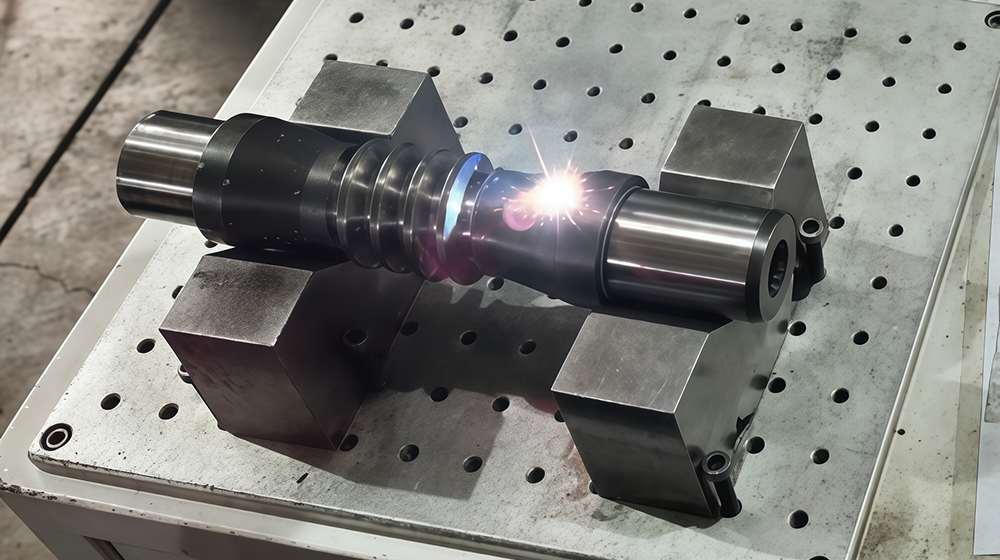
The worm is made of stainless steel with higher hardness and strength. To achieve the tight tolerances required for precise angular positioning, grinding is the choice.
Grinding delivers superior dimensional precision, holding lead and pitch deviations within a few micrometres so that every tooth flank engages the wheel at the exact instant, minimising backlash variation. At the same time, it also can acquire good surface roughness, improve lubricant film retention, and significantly lower wear rates.
Why These Processes?
The choice of hobbing for the worm wheel and grinding for the worm shaft is dictated by both technical and economic factors.
The bronze wheel is soft and does not require heat treatment, so hobbing directly to final size is both feasible and efficient. Grinding would add unnecessary cost and time without appreciable improvement in performance.
In contrast, the stainless steel worm must withstand higher contact stresses and needs a very smooth flank. Grinding is the only way to achieve DIN 6 and the required surface. Moreover, the combination of a lower‑grade wheel and a higher‑grade worm is a recognised design strategy: the worm shaft bears the burden of precision, while the worm wheel can be manufactured with a slightly lower grade without compromising overall system accuracy, because the total error is dominated by the worm’s lead accuracy.