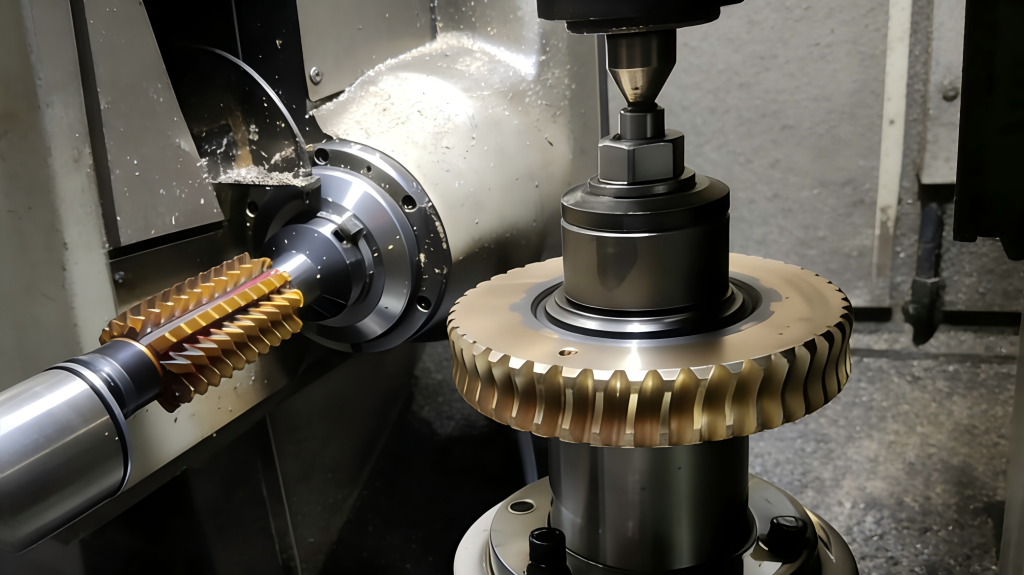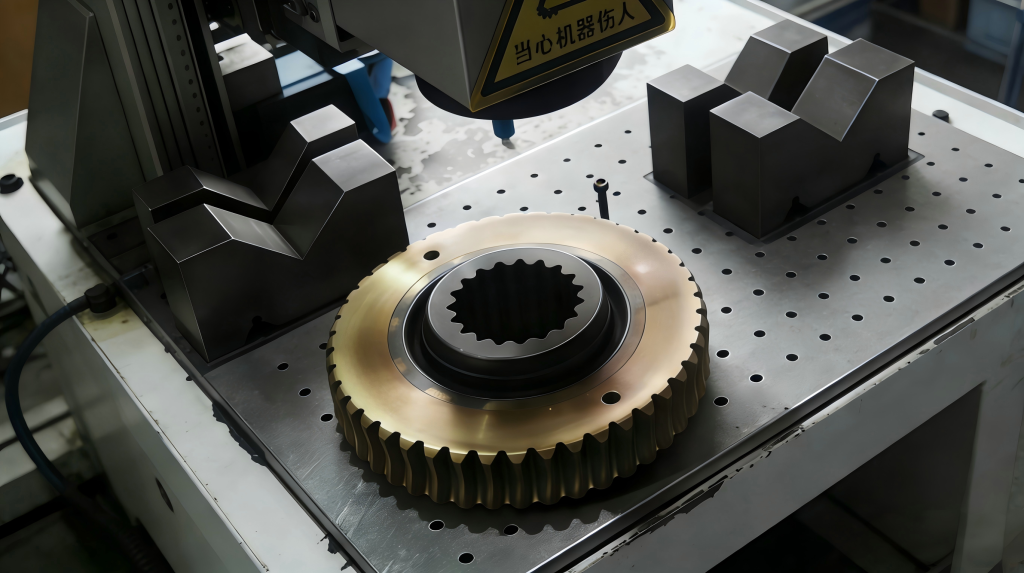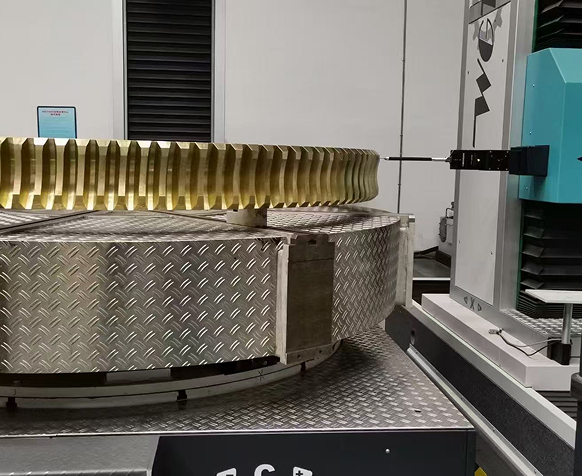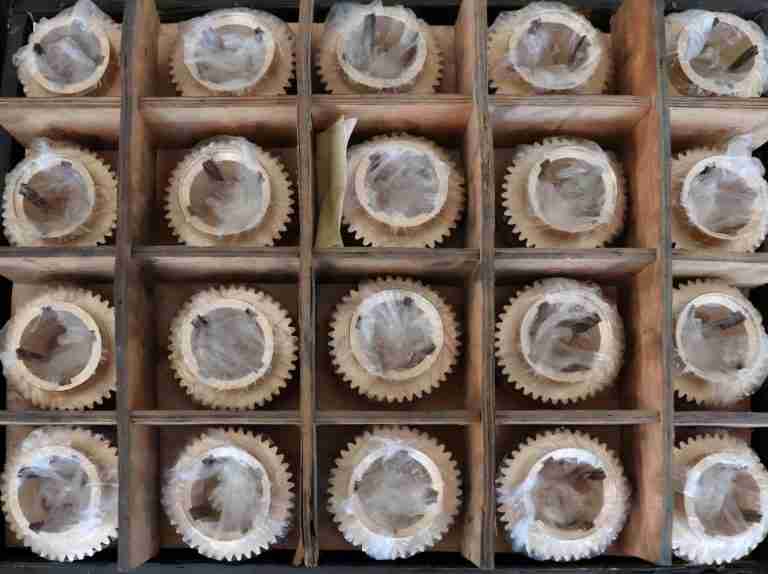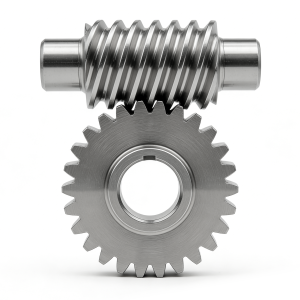

A bronze worm wheel is the toothed driven component of a worm gear, typically cast from tin bronze alloy, engineered to mesh with a hardened steel worm and resist sliding friction, scuffing and wear.
- Constructed from cast bronze alloy, commonly tin bronze or tin-nickel bronze such as GZ-CuSn12Ni, specifically selected to pair with hardened steel worms.
- Excellent resistance to sliding friction, scuffing and adhesive wear, critical for worm drives due to inherent sliding contact between worm and wheel teeth.
- Good bearing capacity under continuous high-torque operation, while maintaining good conformability to compensate for minor assembly misalignment.
- Bronze has natural self-lubricating properties that lower friction heat generation during meshing.
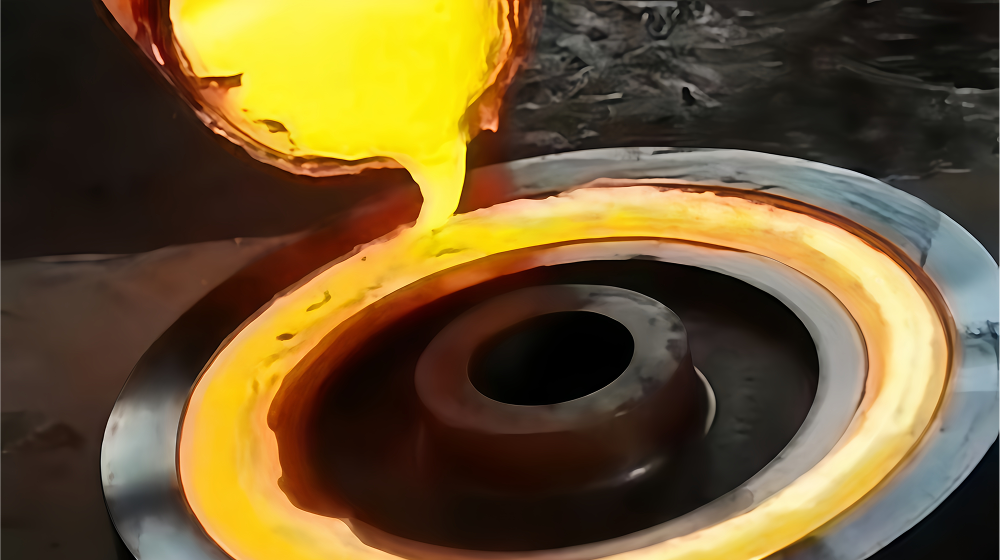
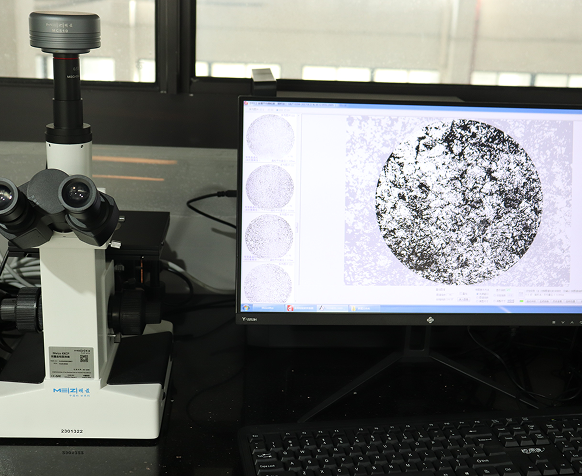
- Can be produced via sand casting or centrifugal casting; centrifugal cast bronze delivers denser microstructure with fewer internal pores for heavy-duty use.
- Softer than the mating hardened steel worm. This protects the expensive worm shaft by preferentially wearing the replaceable worm wheel in case of overload or poor lubrication.
- Available in blank bore form or pre-assembled with output shaft, compatible with various reducer designs.
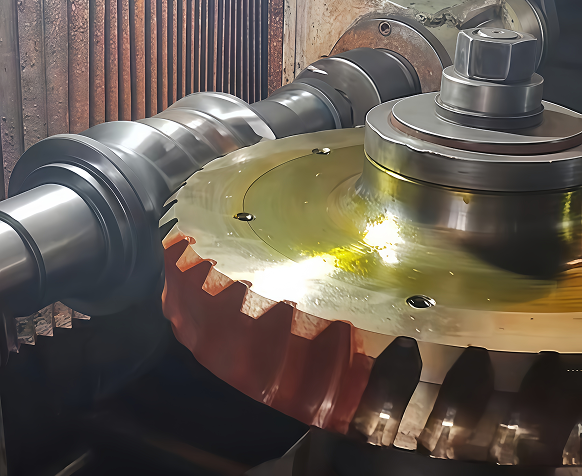
The operating principle of worm gears is meshing of a helical worm with a toothed worm wheel. As the worm rotates, it drives the worm wheel through sliding contact along the helical tooth surfaces. This type of worm gears drive enables a high reduction ratio within a compact space and offers self-locking capabilities (preventing back-driving), along with smooth, low-noise operation. Due to friction, transmission efficiency is relatively low, and lubrication is typically required. The axes of the worm and the worm wheel are perpendicular to each other, enabling right-angle power transmission.
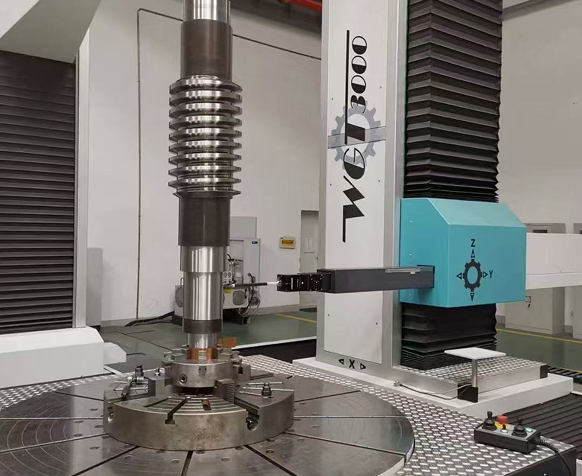
With 35+ countries of gear exporting experience, Belon can deliver you with high precision bronze worm wheel as per your gear drawings or samples.