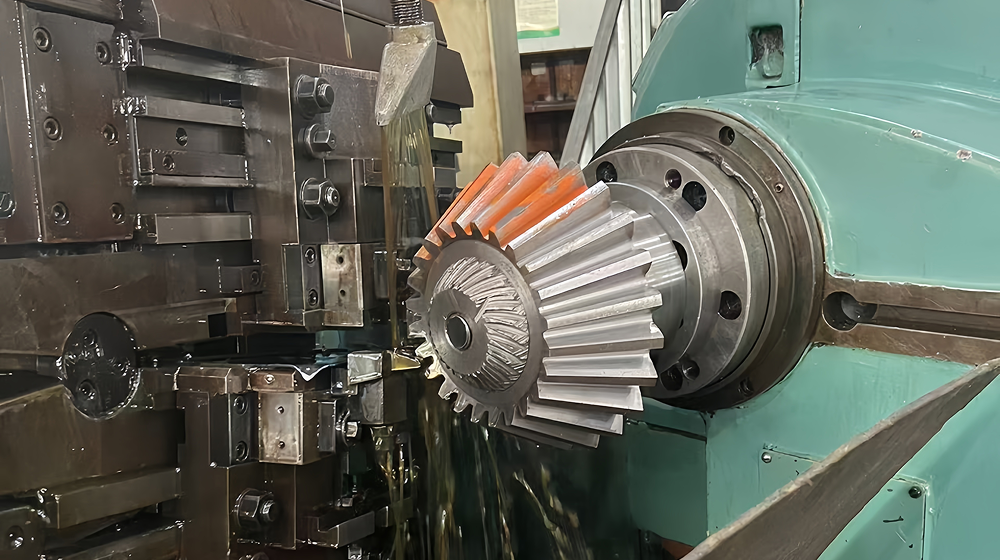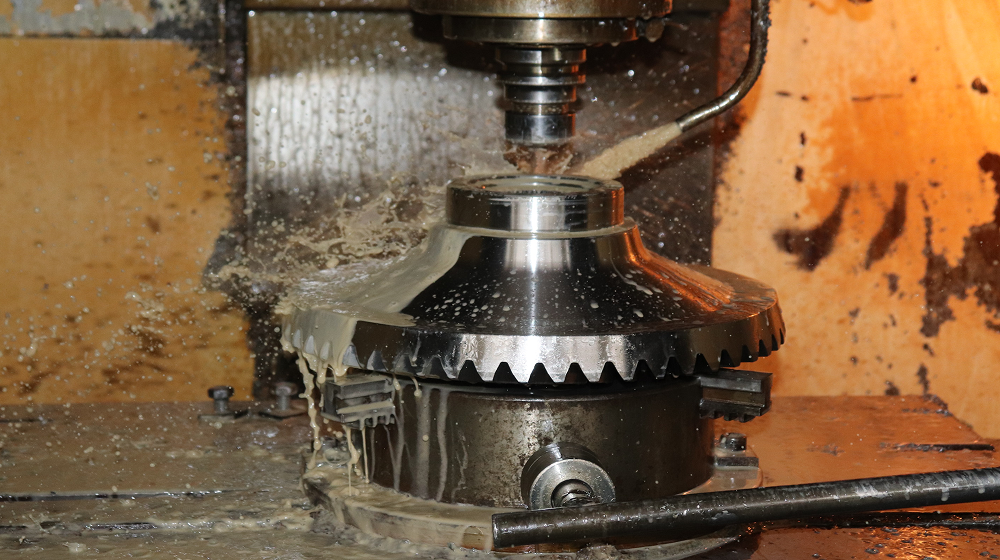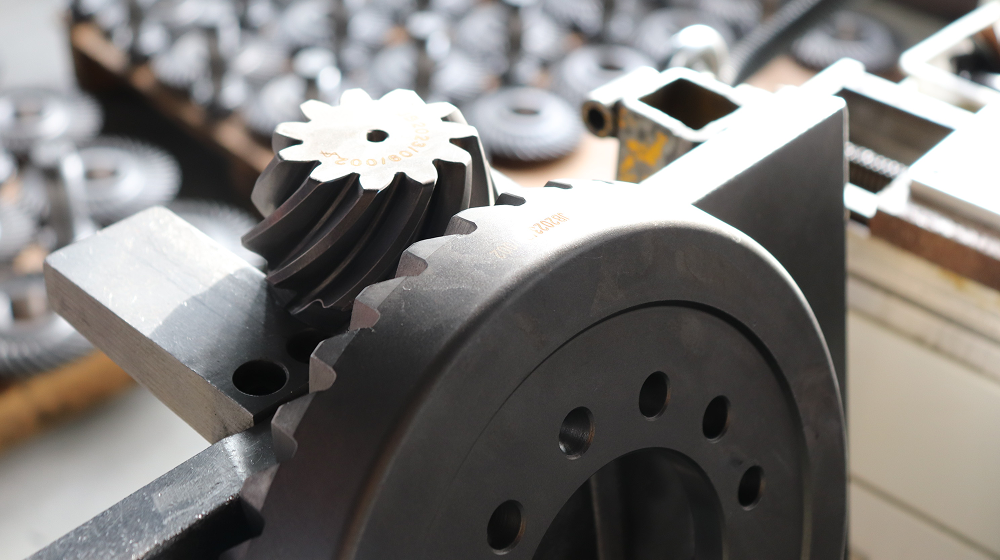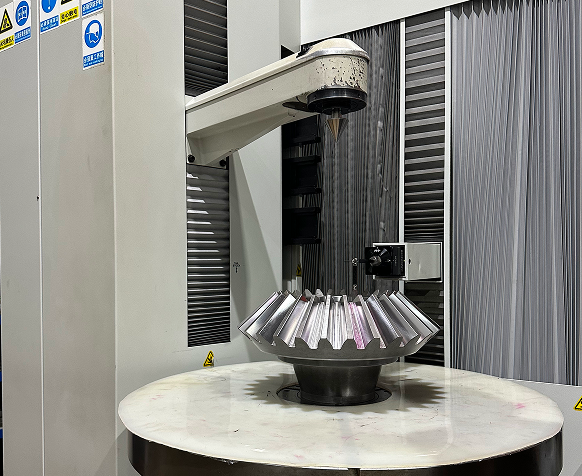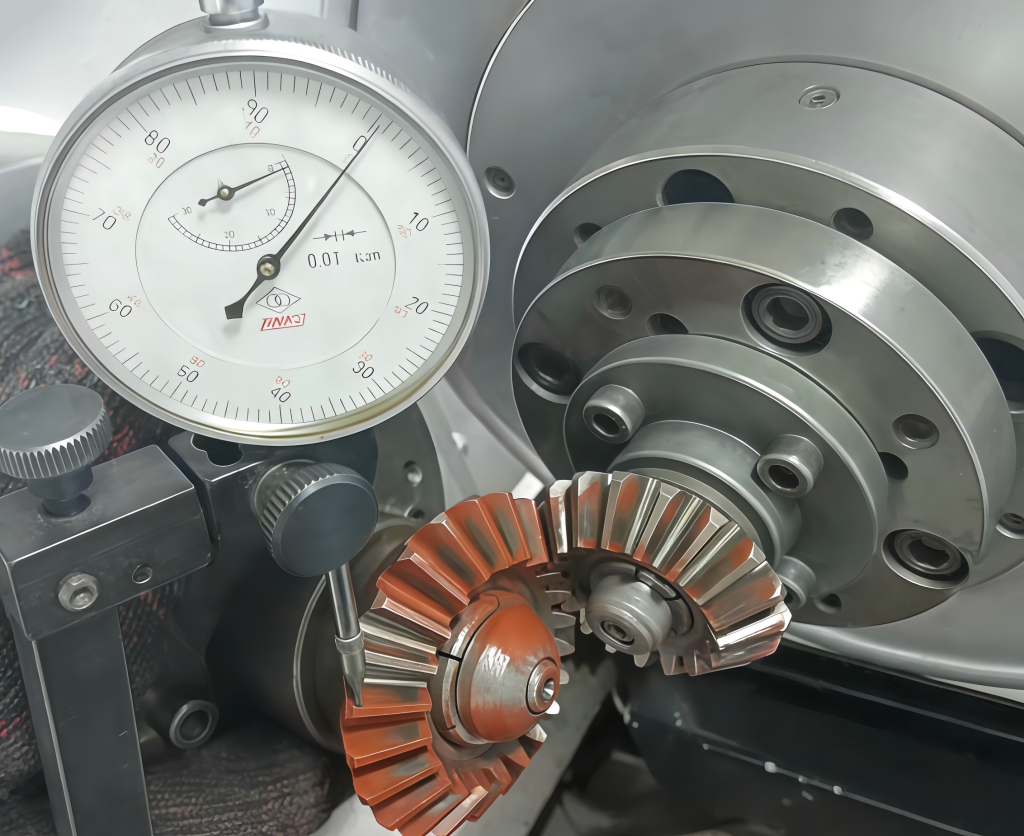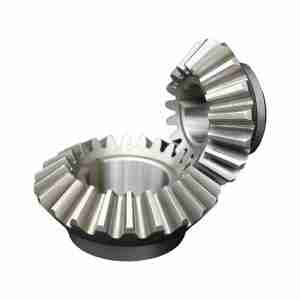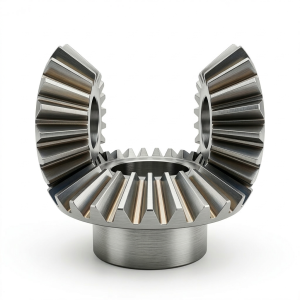

Straight bevel wheels are among the most fundamental and widely utilized mechanical components in power transmission systems, specifically engineered to transmit motion and torque between intersecting shafts, most commonly at a 90-degree angle. Characterized by their straight, radially oriented teeth that are cut along the surface of a conical blank, these gears feature a tooth profile that gradually tapers from the larger outer diameter to the smaller inner diameter, allowing for smooth meshing and effective angular power transfer. Their design is inherently straightforward, which not only simplifies the manufacturing process but also makes them a highly economical choice compared to more complex alternatives such as spiral bevel or hypoid gears. With a standard pressure angle of 20° and teeth aligned with the pitch cone generatrix, straight bevel gears offer predictable and reliable performance across a broad spectrum of operating conditions.
In terms of performance attributes, straight bevel wheels excel in handling high torque loads with exceptional stability, making them a preferred solution for heavy-duty industrial and automotive applications. The nature of their tooth engagement ensures positive, non-slip transmission, which means there is no lag or backlash during operation, thereby delivering consistent rotational accuracy and high overall efficiency. Another significant advantage lies in their minimal axial thrust generation during operation, which substantially reduces the load on supporting bearings and eliminates the need for additional thrust retention mechanisms, simplifying system design and lowering both initial assembly costs and long-term maintenance requirements. The compact conical geometry also allows these gears to be installed in tight spatial environments where other drive solutions may not fit, offering engineers greater flexibility in equipment layout. Furthermore, straight bevel gears exhibit strong resilience to environmental variables such as temperature fluctuations, humidity, and varying lubrication conditions, ensuring durable and dependable service life even in challenging settings like construction sites, agricultural fields, or marine environments.
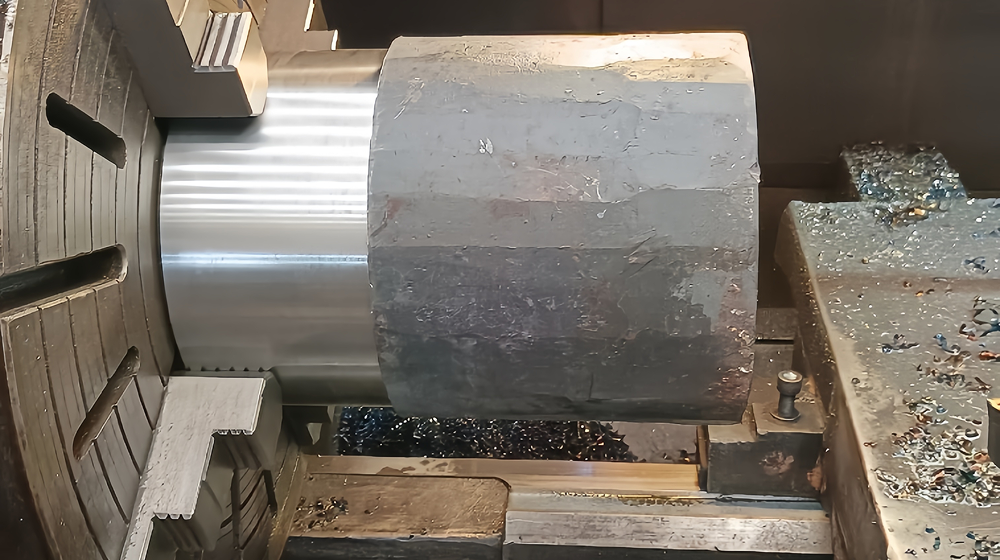
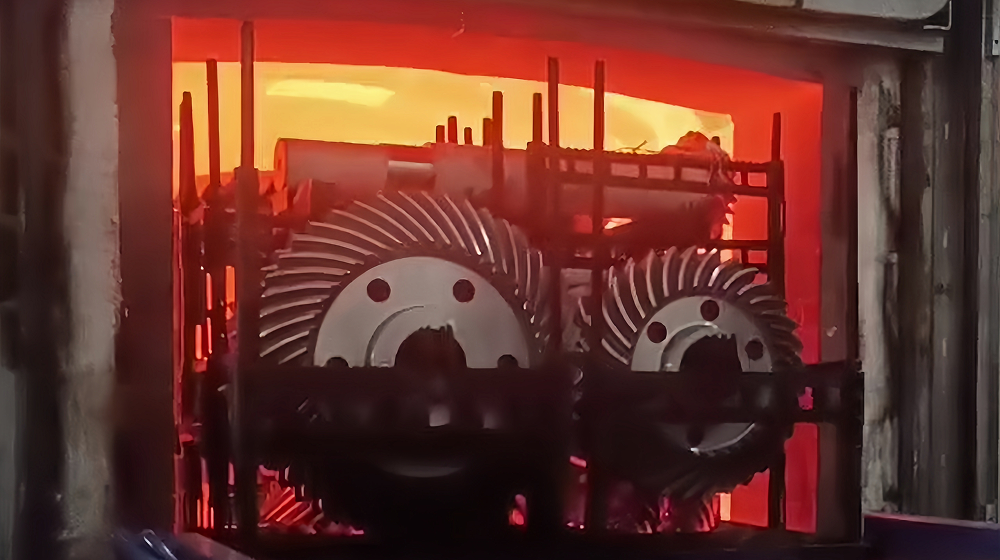
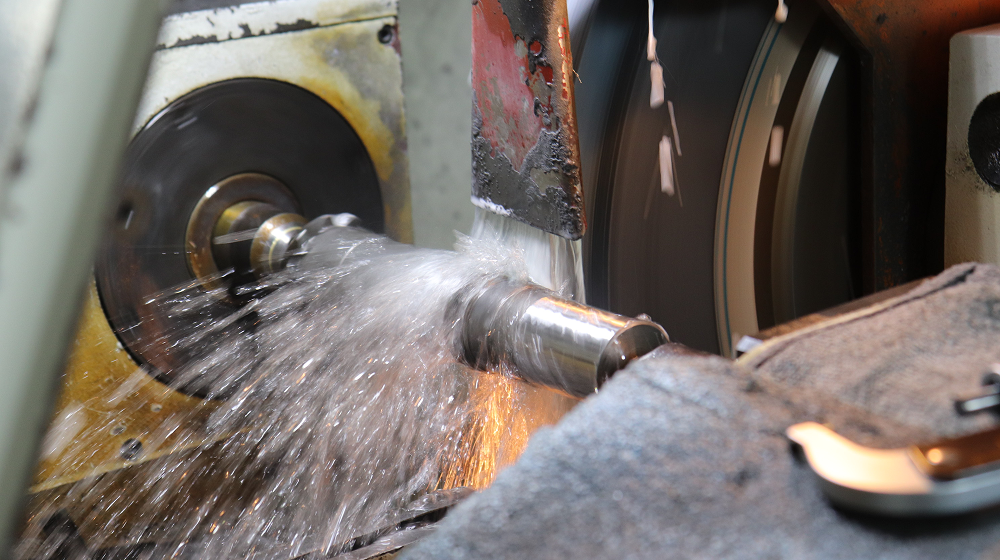
Manufacturing of straight bevel wheels can be accomplished through multiple well-established processes to suit different production volumes and precision demands. Machining methods, including gear planing and shaping, provide excellent flexibility for low-volume batches, prototype development, or customized non-standard specifications, allowing manufacturers to respond quickly to specific customer requirements. On the other hand, precision forging has become the dominant approach for high-volume standardized production, particularly in the automotive differential sector, where forged straight bevel gears can achieve dimensional accuracy up to DIN grades 6 to 8, offering superior mechanical strength, consistent quality, and excellent cost efficiency at scale. The choice between these manufacturing routes depends largely on application needs, quantity, and required accuracy levels, but both approaches are capable of delivering gears that meet rigorous performance standards.
The application landscape for straight bevel wheels is remarkably diverse, spanning numerous critical industries worldwide. In the automotive sector, they are indispensable components in differential assemblies, functioning as planetary and side gears to enable smooth power distribution between driving wheels while allowing necessary speed differentiation during cornering maneuvers. Industrial machinery represents another major field of utilization, with straight bevel gears being integral to industrial reducers, machine tools, printing presses, cooling towers, and conveyor systems, where they provide dependable right-angle power transmission under continuous operation. Agricultural and construction equipment rely heavily on these gears for their rugged construction and ability to withstand shock loads and abrasive environments, while the marine and aerospace industries also employ them in applications demanding lightweight, compact, and highly reliable angular drive solutions. Whether designed for standard off-the-shelf use or engineered to meet unique customer specifications, straight bevel gears consistently deliver a proven combination of strength, precision, and affordability that makes them an enduring choice for engineers and manufacturers around the globe. With their balanced blend of simplicity, durability, and cost-effectiveness, straight bevel gears remain an essential building block in modern mechanical drive systems, supporting everything from everyday vehicles to specialized industrial machinery with unwavering performance and reliability.