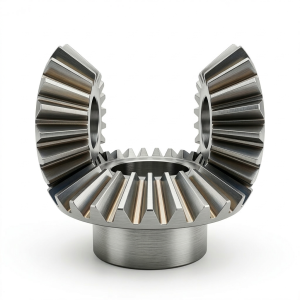

The manufacturing of straight bevel gears for gearbox and other heavy-duty industrial applications employs two primary production routes, each selected based on volume requirements, service criticality, and economic considerations, and understanding the technical and cost distinctions between these methodologies is essential for procurement engineers and manufacturing planners seeking optimal solutions for specific operational needs.
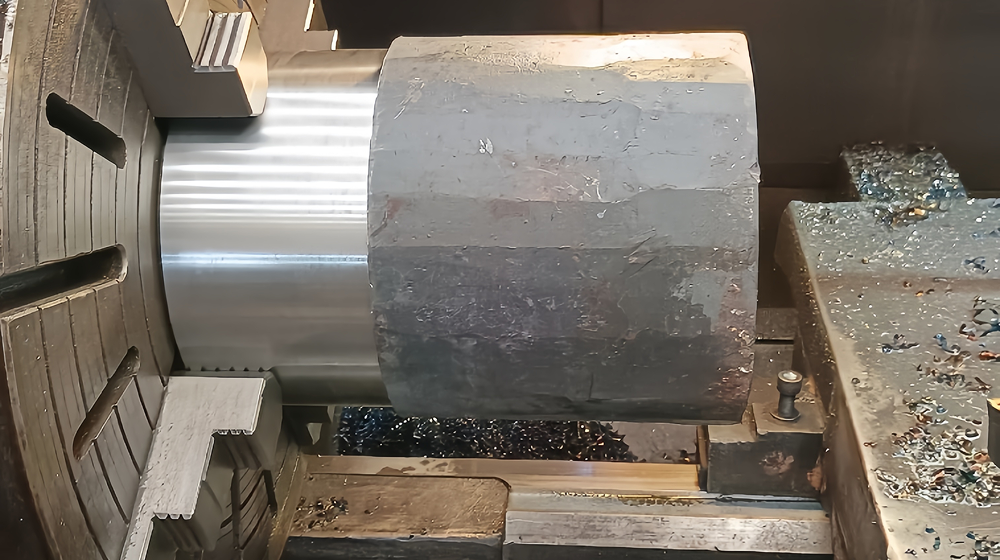
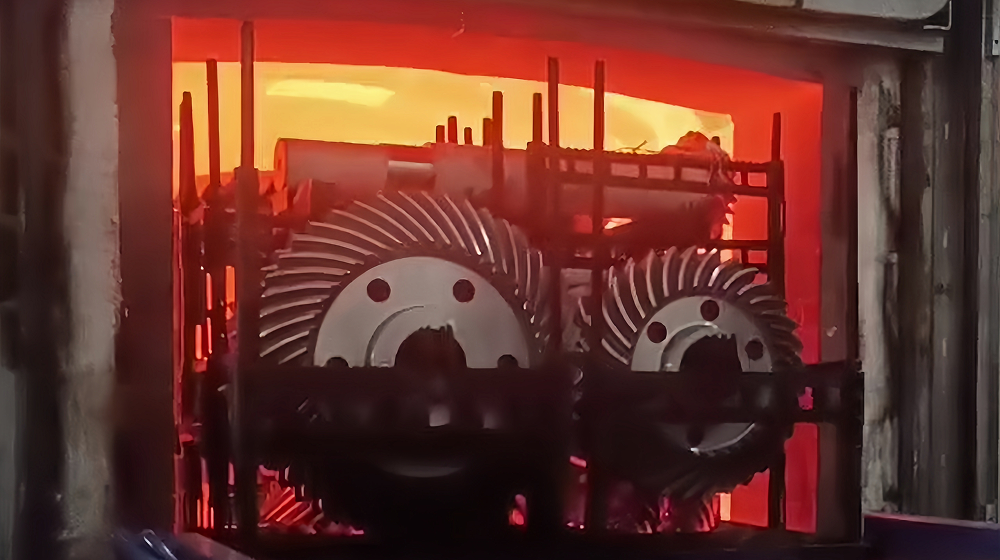
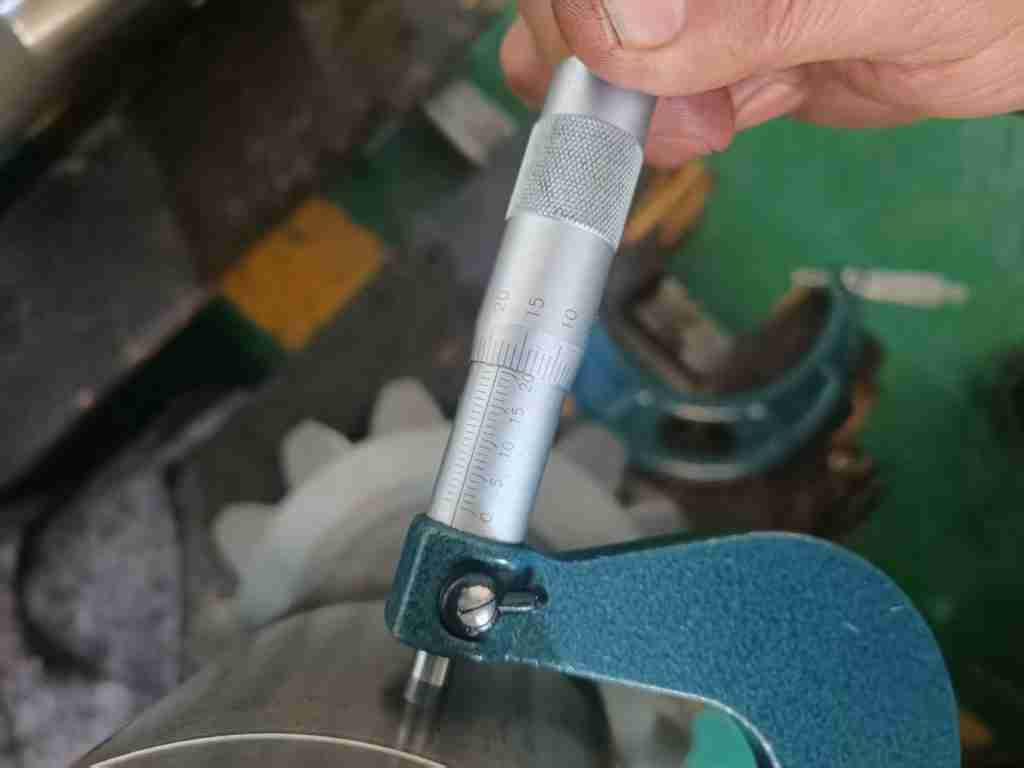
For high-volume standardized production, particularly in drive axles for off-highway trucks, wheel loaders, and large conveyor drive systems, precision forging has emerged as the dominant methodology, consistently achieving dimensional accuracies conforming to DIN grades 6 to 8 while delivering superior mechanical strength through uninterrupted grain flow that follows the contour of the tooth profile, a characteristic that substantially enhances tooth root bending fatigue resistance compared to machined gears where cutting operations sever the material grain structure. The forging process begins with heated billet stock that is formed under immense pressure in closed-die sets, simultaneously shaping the gear blank and establishing the tooth geometry in a single operation that produces minimal material waste, and the high production rates and excellent repeatability of this method translate into outstanding cost efficiency at scale, making forged bevel gears the most economical choice for original equipment manufacturers producing large quantities of standardized gear sets.
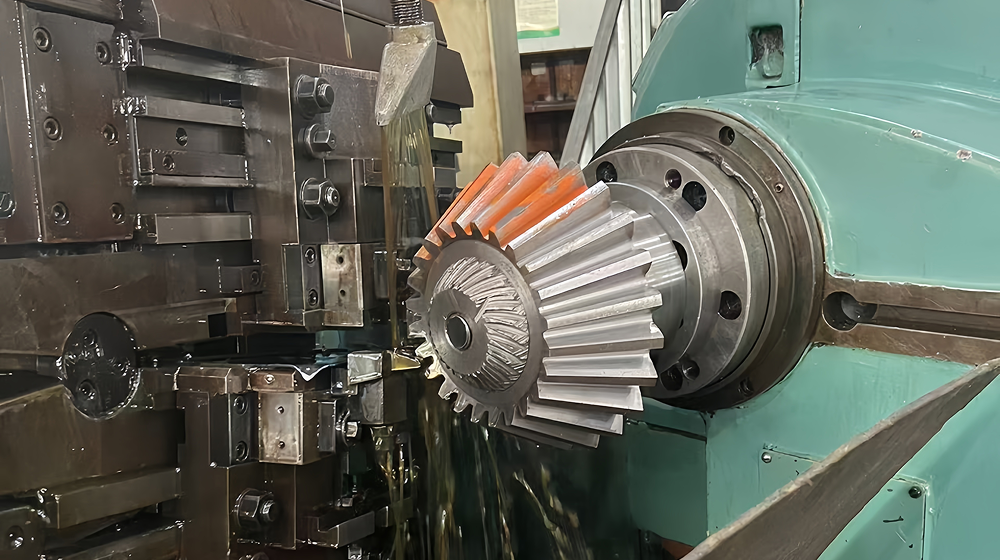
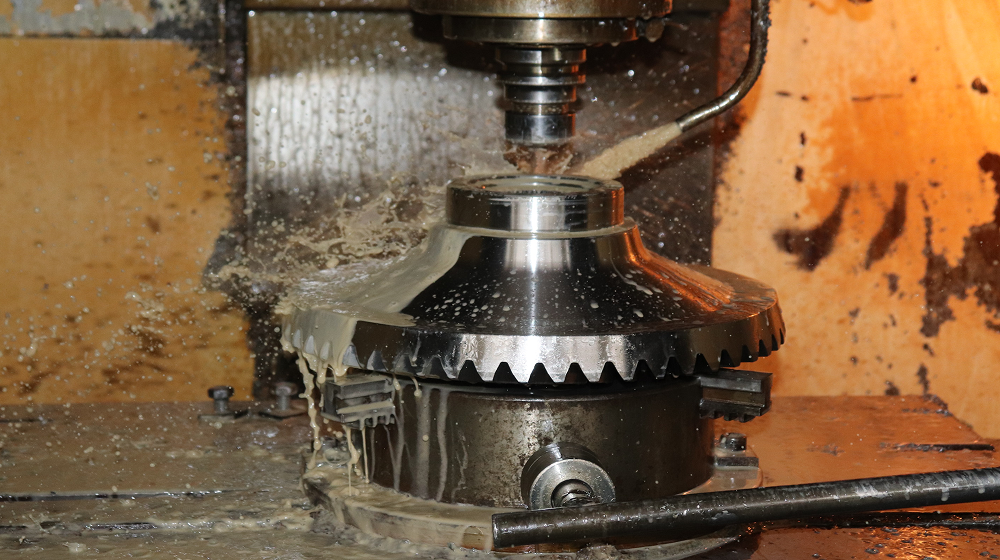
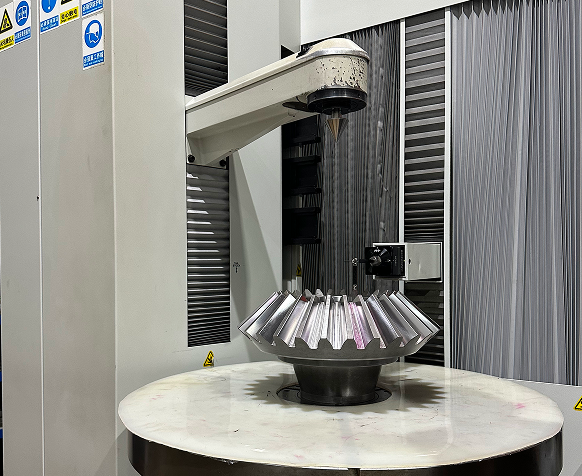
For small-batch, high-customization scenarios such as replacement gears for legacy mining equipment, prototype development for specialized mobile machinery, or applications requiring non-standard pressure angles or modified tooth profiles, gear planing and shaping processes offer excellent flexibility, rapid tooling changeover, and cost-effective response to unique specifications without the substantial upfront investment in forging dies that can render small-batch forging economically prohibitive. The planing process utilizes a reciprocating cutting tool that progressively generates each tooth space by moving across the gear blank, enabling the production of gears with modules up to 20 or more, while shaping employs a rotating cutter with a conjugate tooth profile that cuts the gear through a generating motion, both methods achieving accuracy grades typically ranging from DIN 7 to 9 depending on machine condition and operator skill. While planing and shaping involve longer cycle times and higher per-unit labor costs compared to forging, they offer the distinct advantage of accommodating design changes without expensive tooling modifications, which is particularly valuable in maintenance contexts where original gear drawings may require dimension adjustments to compensate for wear in associated housing components or bearings.
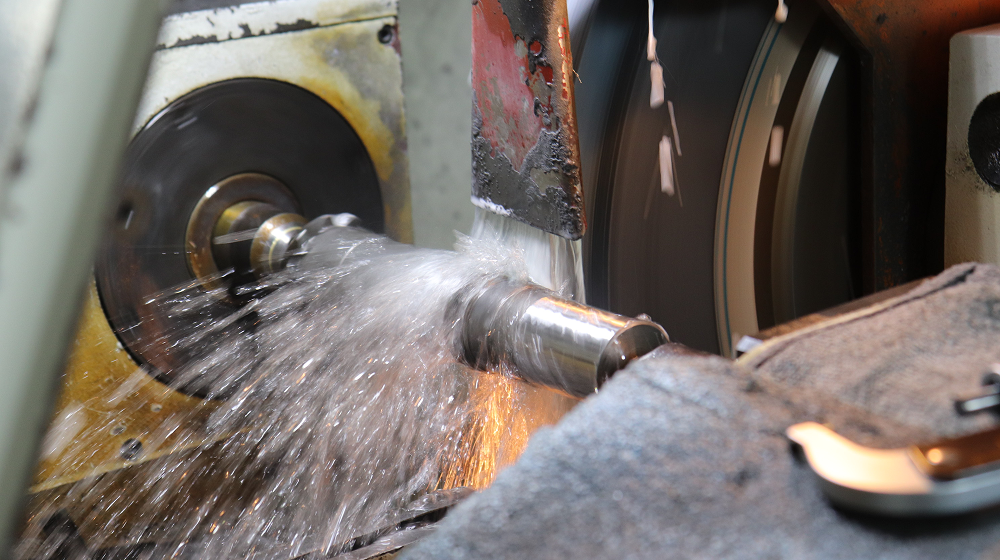
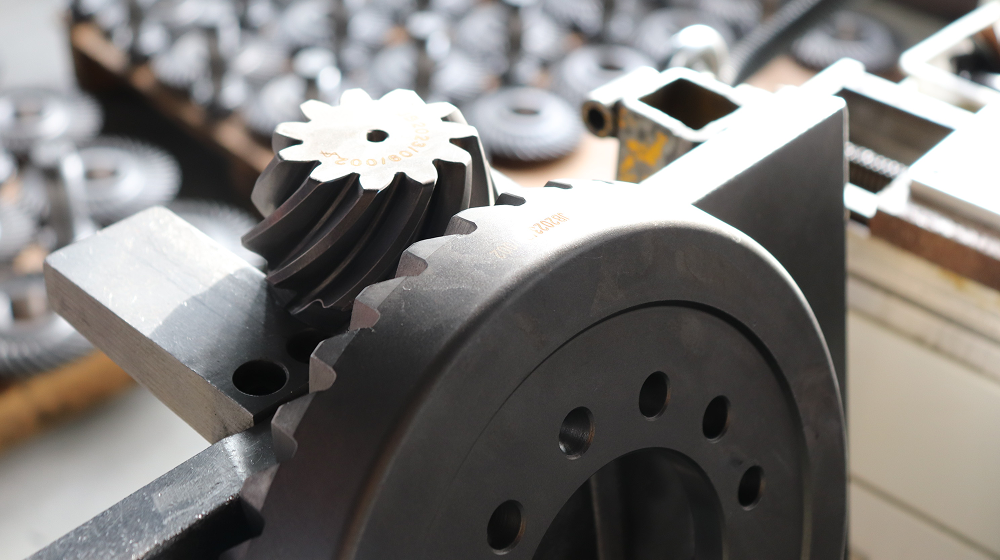
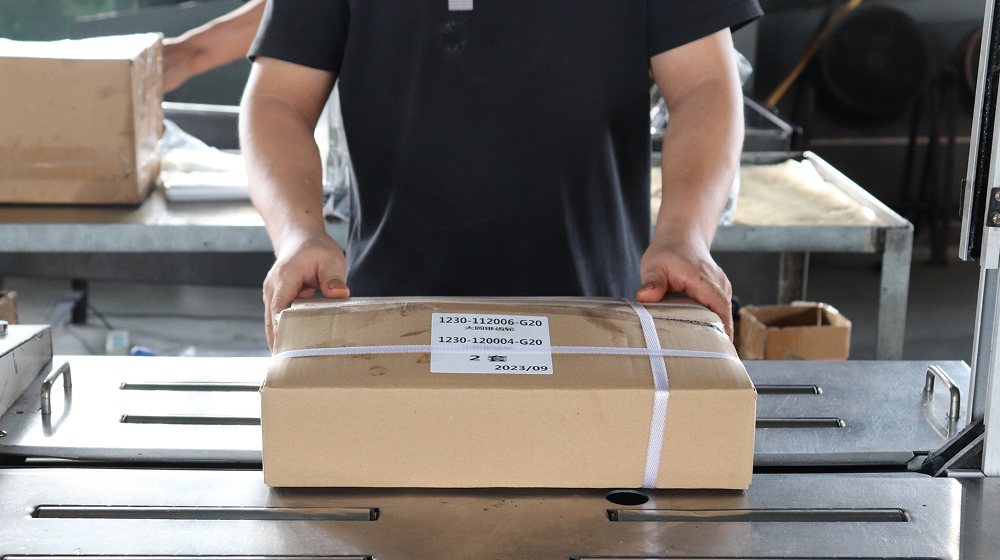
The selection between these manufacturing approaches is ultimately dictated by application-specific demands, production quantities, and required precision levels, yet both pathways reliably yield gears that satisfy the rigorous performance criteria imposed by heavy industrial environments, with the key differentiator being that forging delivers superior fatigue strength at lower unit costs for high volumes, while planing and shaping provide the flexibility and low capital commitment necessary for aftermarket replacement and specialized applications where volume does not justify die investment, making both processes indispensable in the comprehensive supply chain for straight bevel gears across the mining and heavy equipment sectors. Belon can provide you with custom straight bevel gears for gearbox as per your application request from sample to mass production.