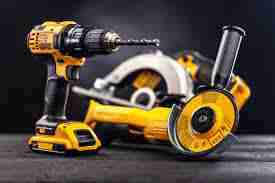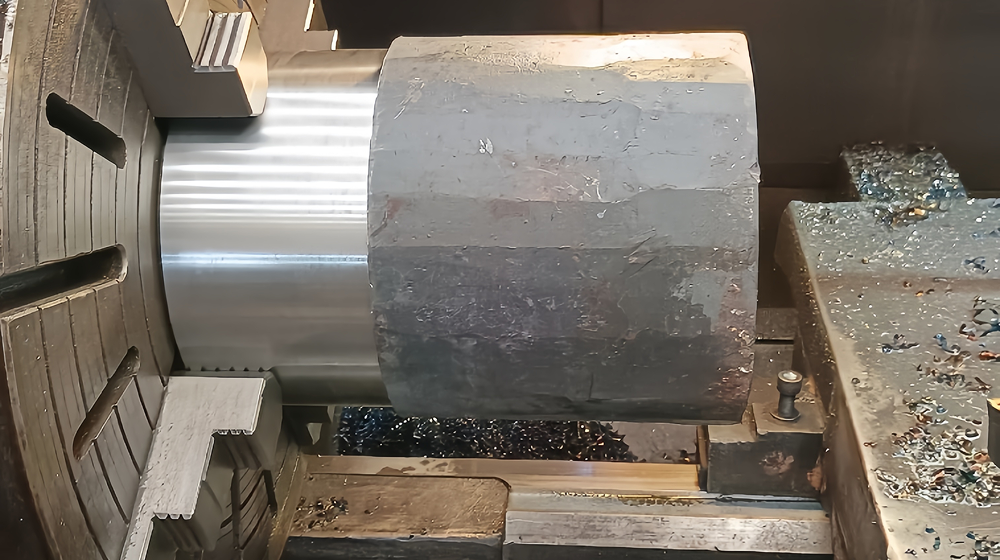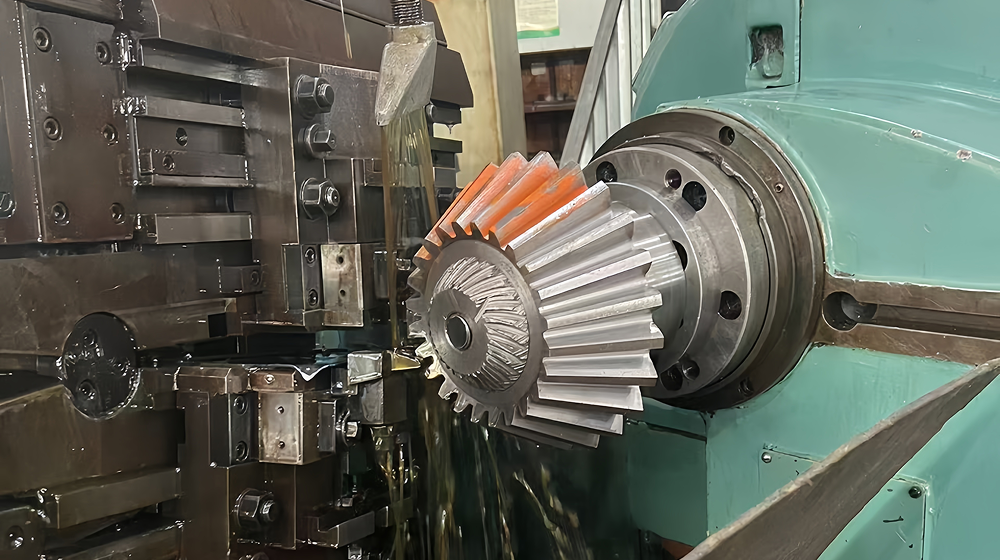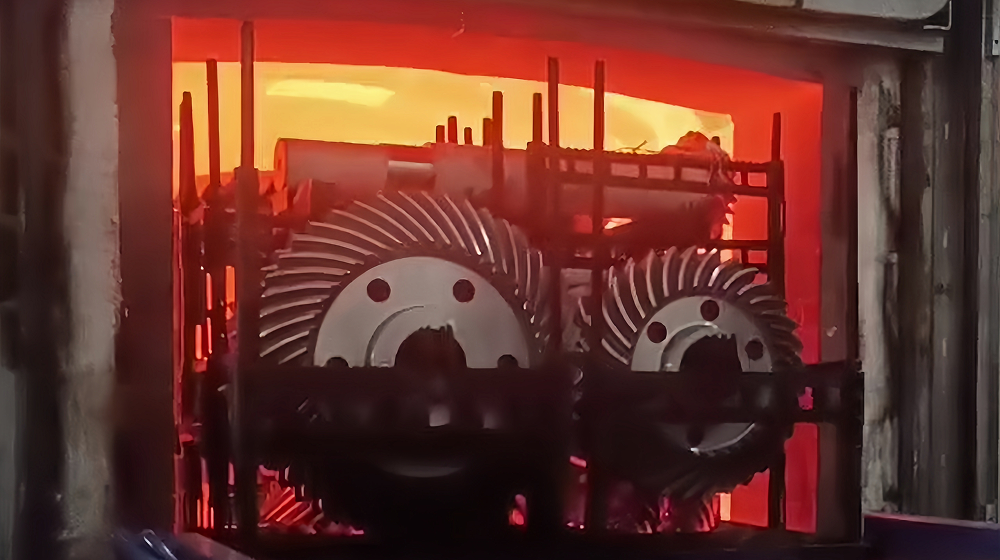
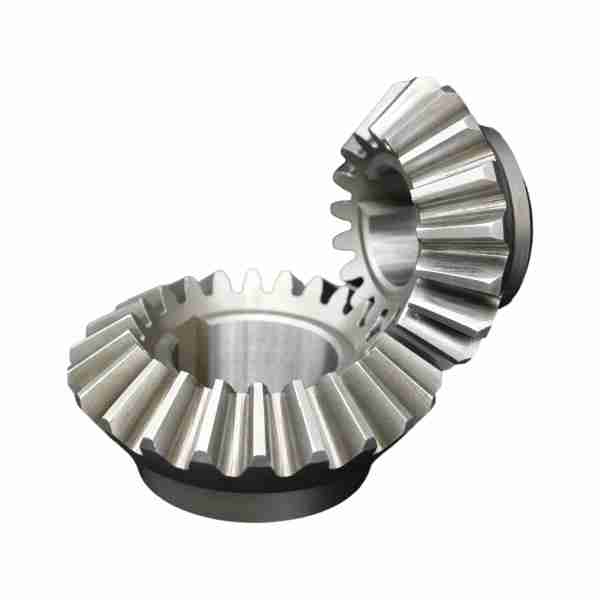
A small straight bevel gear is not a different type of gear. It is simply a straight bevel gear with a smaller size, typically under 50 mm in diameter or under module 2. These small gears are used in light-duty applications where space is limited and loads are low. They follow the same design principles as larger straight bevel gears, but their small size creates unique challenges in manufacturing, handling, and application. For many compact devices like power tools, small robots, instruments, and light-duty mechanisms, the small straight bevel gear is the ideal choice because it is cheap, simple, and widely available.
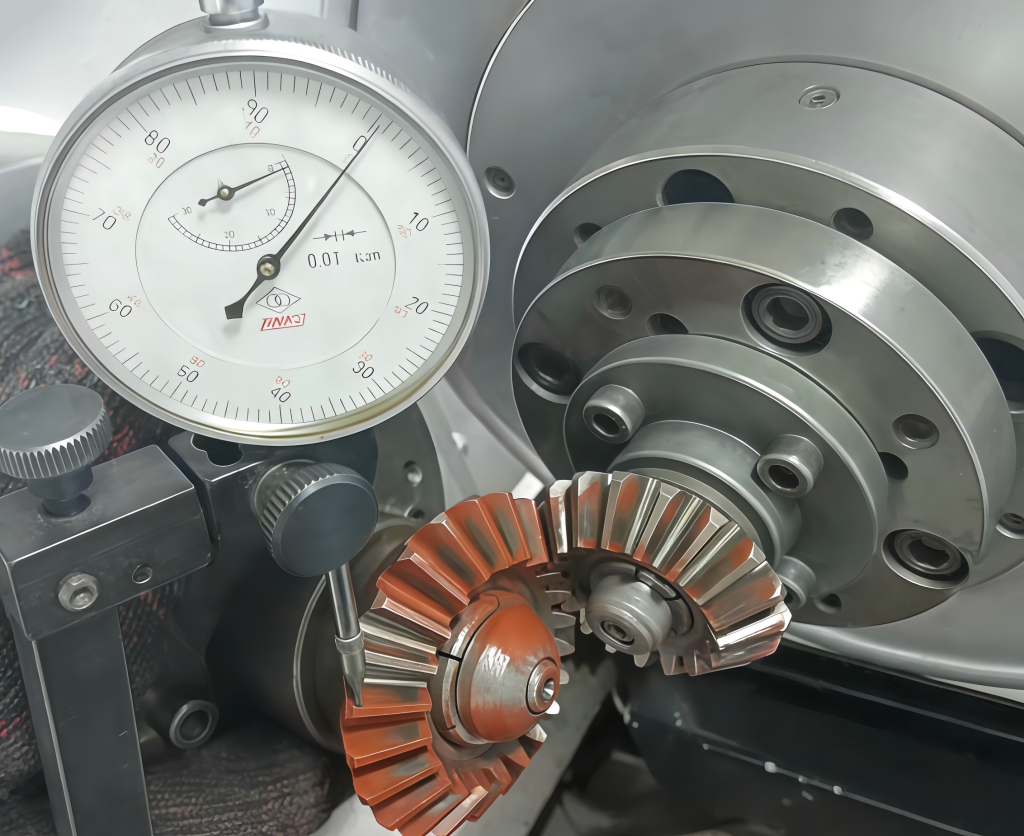
The fundamental difference between a small straight bevel gear and a larger one is the scale of the teeth. When a gear is small, the teeth are small. A small tooth has less material to absorb stress. It is more easily damaged by impact or overload. It is harder to measure and inspect. Small errors in cutting, which would be acceptable on a large gear, become significant on a small gear. A misalignment of 0.1 mm on a large gear might be fine. The same misalignment on a small gear can cause binding, noise, and rapid wear. This means that small straight bevel gears require more precise manufacturing and more careful handling than larger ones. The cutting tools must be sharper. The machine must be more rigid. The inspection methods must be more sensitive. However, when made correctly, a small straight bevel gear is a reliable and effective component.
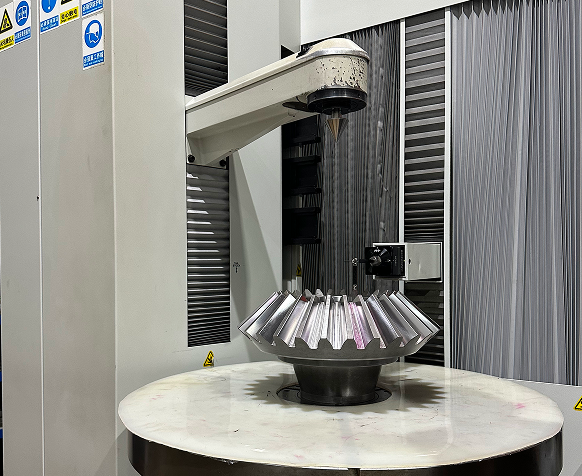
The geometry of a small straight bevel gear is the same as a large one. The teeth are straight and taper toward the cone apex. The axes intersect, most often at 90 degrees. The contact ratio is between 1.0 and 1.5, meaning only one or two teeth carry the load at any time. The characteristic impact of straight bevel gears still exists, but at the speeds and loads typical for small gears, it is rarely a problem. Small gears usually run at higher speeds than large gears because they are used in light-duty applications. A small gear running at 2000 RPM may be noisier than a large gear running at 500 RPM, but the noise level in decibels is often lower simply because the gear is small and has less mass to vibrate. In practice, noise is seldom the limiting factor for small straight bevel gears. Their limitations are more about strength and precision.
The advantages of small gears in straight bevel gears are important for many industries. They are inexpensive to produce in high volumes because the cutting cycle is short and the material cost is low. They are easy to integrate into compact designs because they take up little space. They are widely available as standard parts from many gear suppliers. They can be made from various materials including steel, brass, plastic, and powdered metal, depending on the application requirements. They are simple to replace when they wear out. For applications that do not need high torque, high precision, or long life under heavy loads, the small straight bevel gear offers excellent value.