Belon-machinery-gear-manufacturing-company-gear-solutions-providerBelon-machinery-gear-manufacturing-company-gear-solutions-provider
Contact Us
gearbox-bevel-gear-straight-bevel-gear-supplier-belon

Gearbox Bevel Gear

Straight bevel gears represent the most fundamental and historically established configuration for right-angle power transmission, characterized by straight tooth traces that converge precisely at the cone apex and teeth that taper uniformly from the outer heel diameter to the inner toe diameter, creating a geometrically simple yet functionally effective means of transferring torque between intersecting shafts whose axes typically intersect at 90 degrees. This structurally uncomplicated design for gearbox bevel gears yields a transmission system with zero axial thrust component under ideal alignment conditions—a distinctive advantage that substantially simplifies bearing arrangements and housing structures, eliminating the need for heavy-duty tapered roller bearings typically required to counteract the axial forces generated by curved-tooth geometries, and making straight bevel gears particularly suitable for applications where axial space is severely constrained or where bidirectional load reversals occur frequently without corresponding changes in bearing load direction. The line of action in straight bevel gear meshing generates a complex combination of rolling and sliding motion along the tooth flank, with the sliding velocity reaching its maximum at the toe end where the pitch line velocity is lowest and diminishing progressively toward the heel, while Hertzian contact stresses concentrate near the mid-face width region where the relative radius of curvature is most unfavorable, rendering the gear pair highly sensitive to mounting distance variations, shaft deflection under torsional and bending loads, and thermal expansion differentials between housing and shaft materials that can alter the intended mesh geometry during sustained operation.

Despite their inherent impact excitation and moderate to high noise levels resulting from a contact ratio typically ranging between 1.2 and 1.5—which means that for a significant portion of each meshing cycle only a single tooth pair carries the entire transmitted load—straight bevel gears remain the preferred solution across countless industrial sectors including agricultural tillage and harvesting equipment, manual transmission reverse idler trains, mining scraper conveyor drive heads, port crane slewing mechanisms, and low-speed high-torque mixer drives, primarily due to their manufacturing simplicity, ease of field inspection without specialized instrumentation, and exceptional cost-effectiveness in low-to-medium volume production runs where the capital investment for spiral bevel cutting equipment cannot be justified. The tooth root bending strength, which reaches its theoretical maximum at the heel end where the tooth section modulus is greatest due to the larger circumferential thickness, fundamentally dictates the ultimate load-carrying capacity of the gear set under shock loading conditions, while the toe end presents the highest sliding velocity and consequently the greatest scuffing risk, necessitating careful surface finish control below 0.3 μm Ra and adequate lubrication supply with extreme-pressure additives to maintain a protective boundary film under the most severe operating conditions. Material selection for straight bevel gears in heavy industrial service invariably centers on case-hardening alloy steels such as 20MnCr5, 16MnCr5, or 18CrNiMo7-6, which provide a wear-resistant surface layer of 58–62 HRC capable of withstanding abrasive wear and contact fatigue, combined with a tough, ductile core of 30–40 HRC capable of absorbing the shock loads arising from sudden encounters with rocks, roots, or other foreign objects in off-highway applications, with the heat treatment cycle meticulously tailored to achieve a case depth of 0.6–0.9 mm that optimally balances surface durability against core toughness and distortion control.

Specification
Module
2.3
Application
Gearbox
Material
20MnCr5
Heat Treatment
Carburising (58-62 HRC)
Accuracy
DIN 7
Contact Us

Performance Characteristics & Selection Guidelines of Straight Bevel Gears


The operational behavior and practical limitations of straight bevel gears are governed by a set of interrelated performance attributes that directly influence both their load-carrying capacity and their suitability for specific applications across diverse industrial environments. Bending fatigue strength at the tooth root fillet, determined primarily by the root radius, surface integrity, and residual stress state, represents the most critical limiting factor in shock-load environments where torque spikes can reach three to five times the nominal rating, because the absence of tooth overlap—with a contact ratio typically between 1.2 and 1.5—means that for a substantial portion of each mesh cycle the entire transmitted torque momentarily concentrates on a single tooth pair, subjecting the root to peak stresses that can approach or even exceed the material’s endurance limit in severe duty cycles with frequent start-stop operations or sudden load reversals.

This characteristic fundamentally distinguishes straight bevel gears from their spiral counterparts: while the load capacity is generally 20 to 30 percent lower for the same module, face width, and material grade, the simplicity of the tooth form permits the application of aggressive shot-peening intensities up to 0.4–0.6 mm Almen intensity that induce compressive residual stresses of −500 to −700 MPa at the critical root region, effectively doubling the bending fatigue life with minimal cost addition and without compromising the dimensional accuracy of the gear teeth.

Scuffing resistance, conversely, depends almost entirely on the sliding velocity profile along the tooth flank, which reaches its peak at the toe and diminishes toward the heel, with the risk of lubricant film rupture being most pronounced during the initial engagement phase where the entraining velocity is lowest and the contact pressure is highest; for applications involving frequent starts and stops, inadequate oil supply, or marginal viscosity grades, the selection of surface finishes below 0.2 μm Ra through superfinishing or vibratory tumbling processes has proven highly effective in reducing scuffing incidence by approximately 40 percent compared to conventionally ground or planed surfaces.

Pitting resistance, driven by cyclic Hertzian contact stresses at the pitch line and governed by the surface hardness and the radius of relative curvature, scales with case depth and core hardness, but the conical geometry produces a contact stress distribution that is inherently non-uniform across the face width—the heel typically experiences lower pressures due to the larger radius of curvature while the toe sustains higher stress concentrations that can initiate micro-pitting under marginal lubrication conditions.

In practical engineering selection terms, straight bevel gears are optimally specified for applications where peripheral speeds remain below 10 meters per second, where transmitted power does not exceed 200 kilowatts per gear set, where the total production quantity falls below 5,000 units annually, and where the operating environment demands frequent field inspection and serviceability without specialized tooling or training, because beyond these thresholds the economic and technical advantages of spiral bevel gears become increasingly compelling, while within these boundaries straight bevel gears offer the most cost-effective, field-serviceable, and predictably reliable solution available for right-angle power transmission.

gearbox-bevel-gear-belon-custom-gear-manufacturer
Production process

8-Step Production Process

Forging
Turning
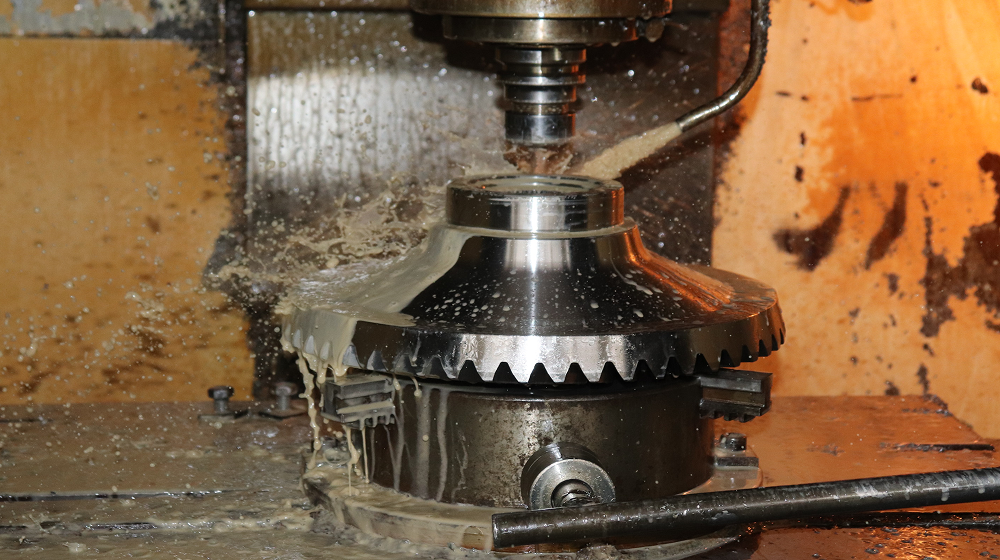
Gear Planing
Heat Treatment
ID & OD Grinding
CNC Machining
Marking
Clean & Package
1
2
3
4
5
6
7
8
High-precision-forging-gear-production-process-Belon-China-manufacturer

Forging

When gears need high performance that needs to withstand high loads, high stress, impact loads or fatigue loads, forgings are suggested to use. Forging allows metal fibers to be continuously distributed along the gear profile, significantly improving root strength and fatigue life.
High-precision-turning-gear-production-process-Belon-manufacturer

Turning

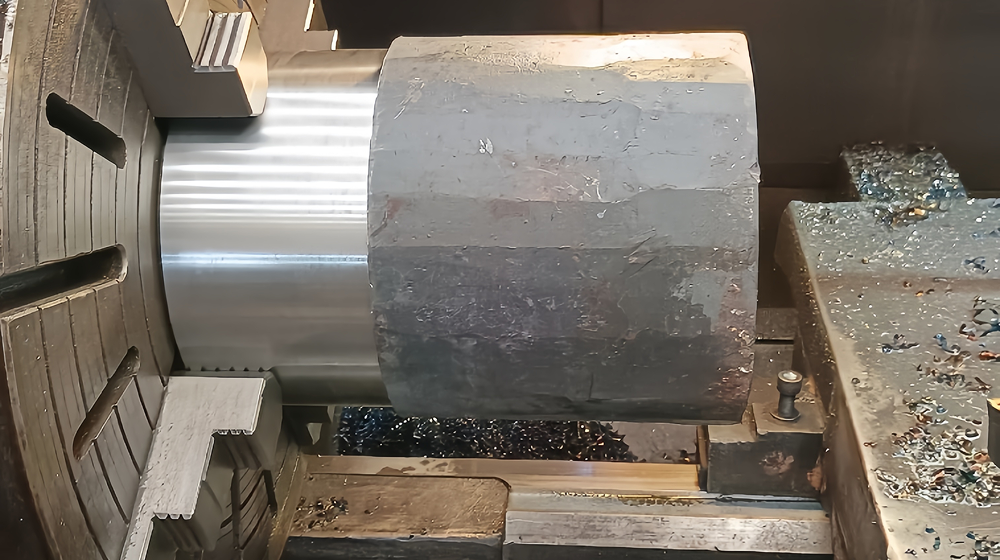
This is the process of cutting and shaping solid materials into precise parts. It uses tools like lathes, mills, and drills to remove excess material. Machining transforms a simple block of metal into a finished, functional component.
Medium-straight-bevel-gear-planing-custom-gear-manufacturer-Belon

Gear Planing

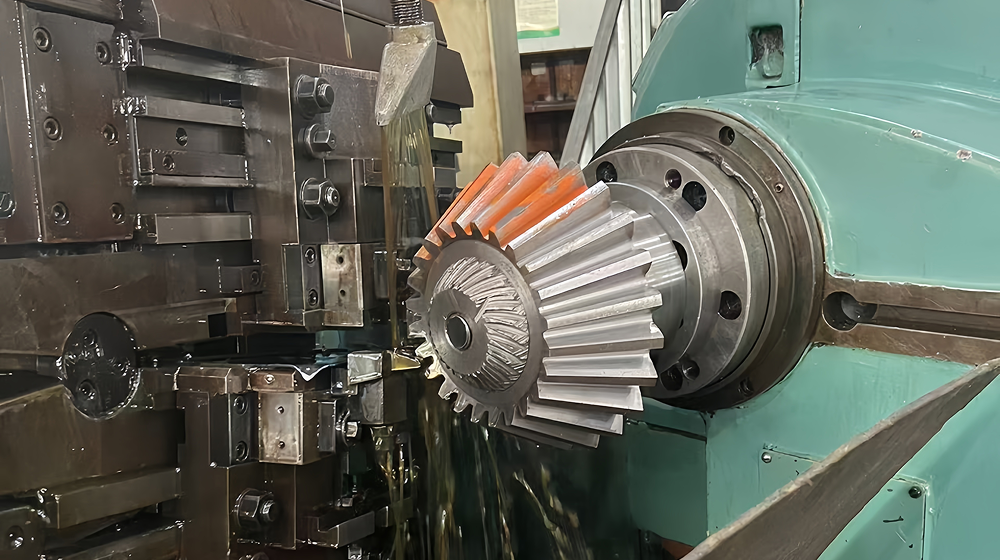
Gear planing is a cutting process that uses reciprocating motion to generate precise gear teeth profiles.
Gear-Heat-Treatment-process-Belon-gear-manufacturer

Heat Treatment

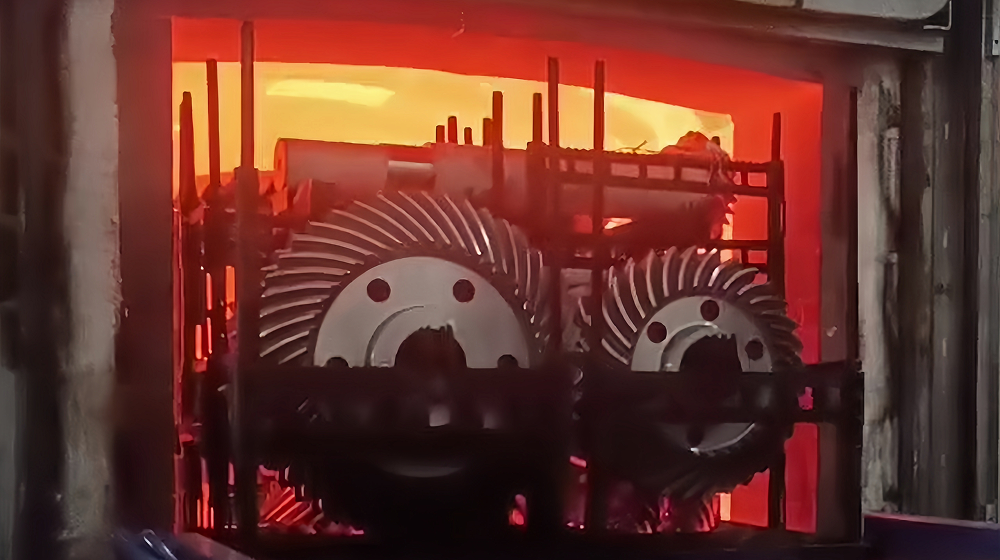
Gears need to be running with two gears or above two gears, that makes them easy to be worn-out. That’s why most types of gears need to be harden through heat treatment.
ID-OD-grinding-straight-bevel-gear-manufacturer-gear-solutions-Belon

ID & OD Grinding

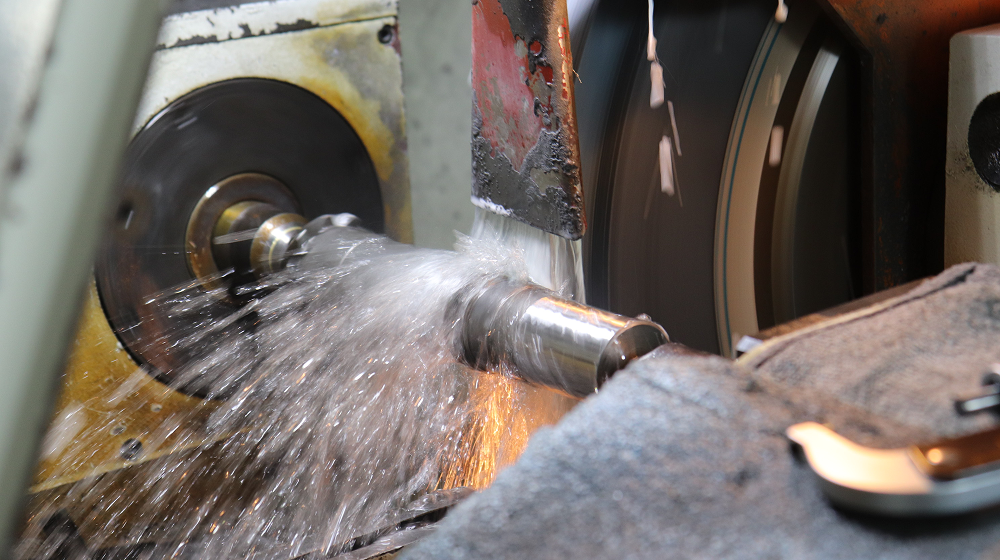
ID grinding, OD grinding, Surface grinding are all belonging to CNC grinding which are the foundational precision abrasive machining processes used to achieve exceptional dimensional accuracy and surface finishes, especially on hardened materials.
CNC-machining-large-straight-bevel-gear-supplier-gear-manufacturing company-Belon

CNC Machining

CNC machining is a an automated manufacturing process controlled by pre-programmed computer software and code. Normally gears are designed in CAD software. CAM software translates the CAD model into G-Code, a machine language that dictates tools paths, speeds, feeds, and all movements.
Marking-process-straight-bevel-gear-supplier-custom-gear-manufacturer-Belon

Marking

Precision laser marking permanently engraves traceability data (part numbers, date codes, logos) onto gears, ensuring reliable identification and quality tracking throughout the product lifecycle.
Carton-outside-straight-bevel-gear-manufacturer-gear-solutions-Belon

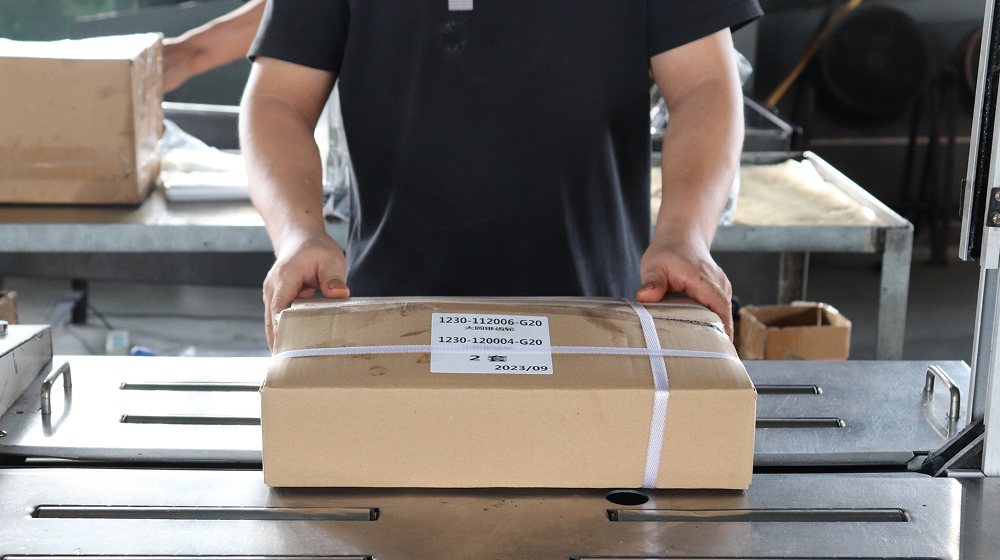
Clean & Package

Before shipment, every gear is carefully cleaned, dried, and rust-protected – ensuring they arrive in optimal condition, ready for immediate installation.
Inspection

Strict Quality Inspection

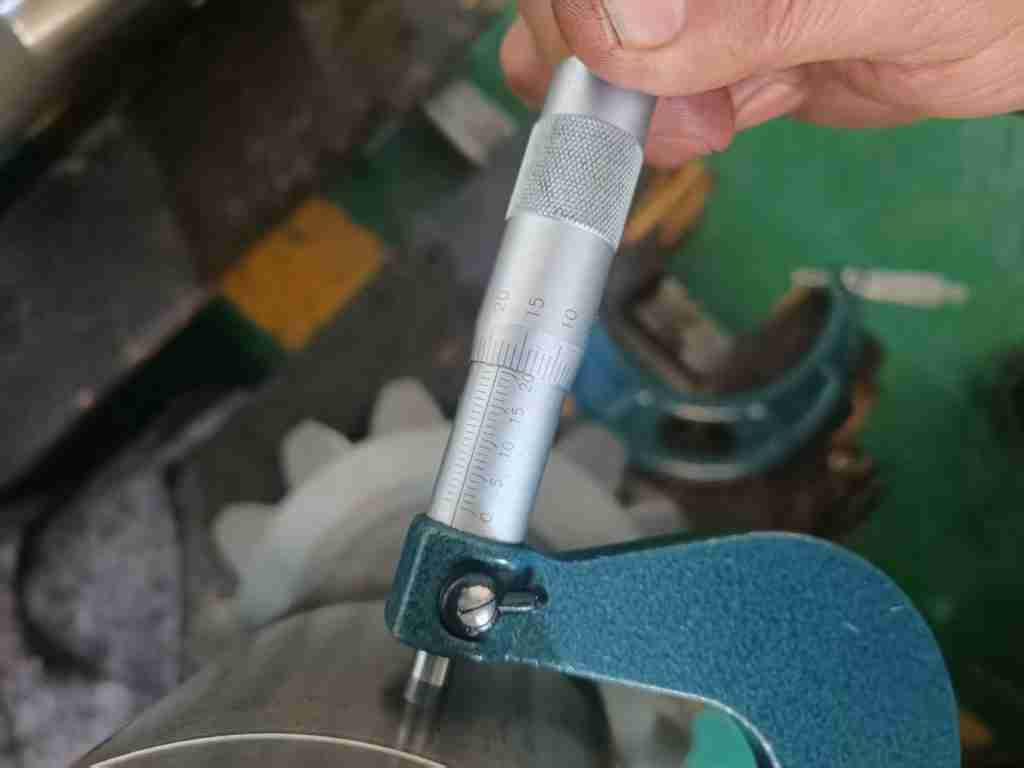
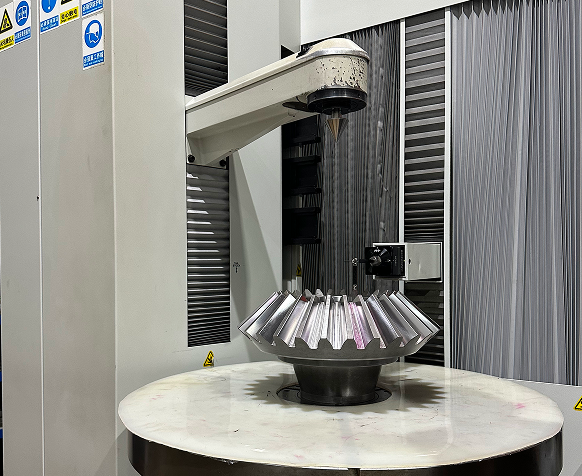
Dimension-Inspection-Gear-Quality-Control-Spur-Gear-Manufacturing-Company-Belon

Dimension Inspection

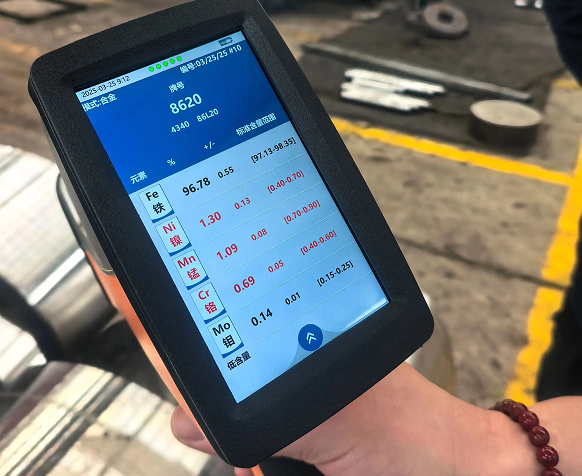
Material-testing-gear-manufacturing-process-equipment-Belon

Material Testing

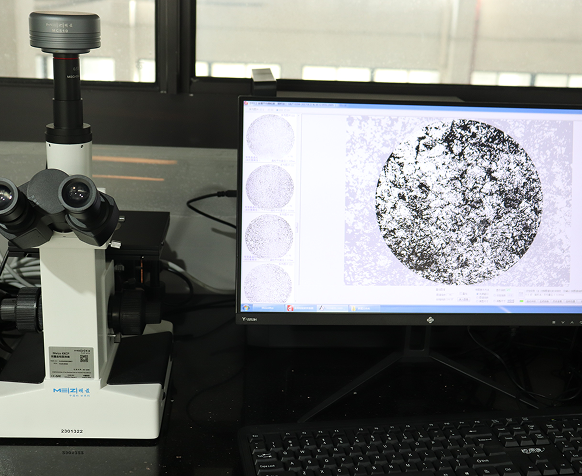
Heat-treatment-testing-gear-manufacturing-quality-control-process-Belon

Heat Treatment Testing

Accuracy-inspection-gear-quality-custom-gear-manufacturer-Belon

Accuracy Inspection

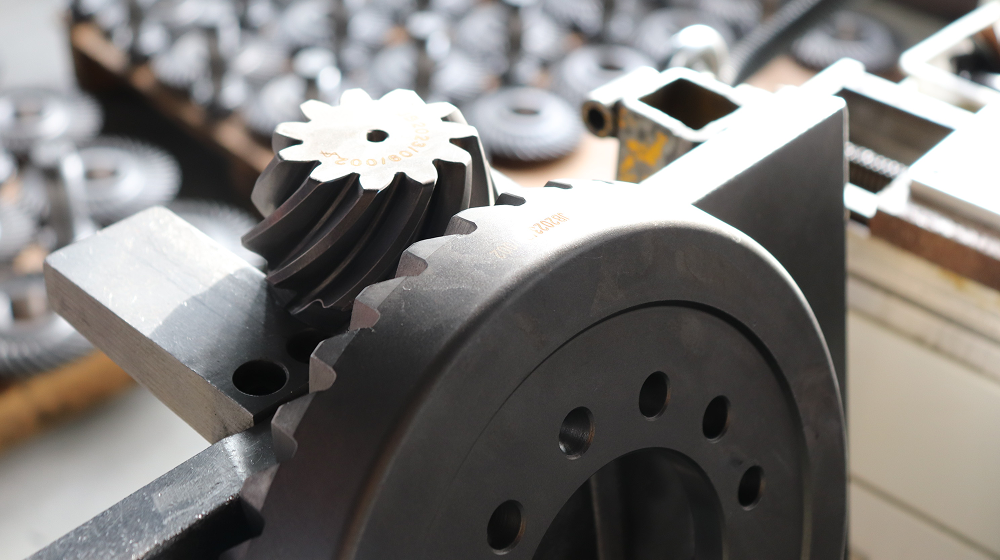
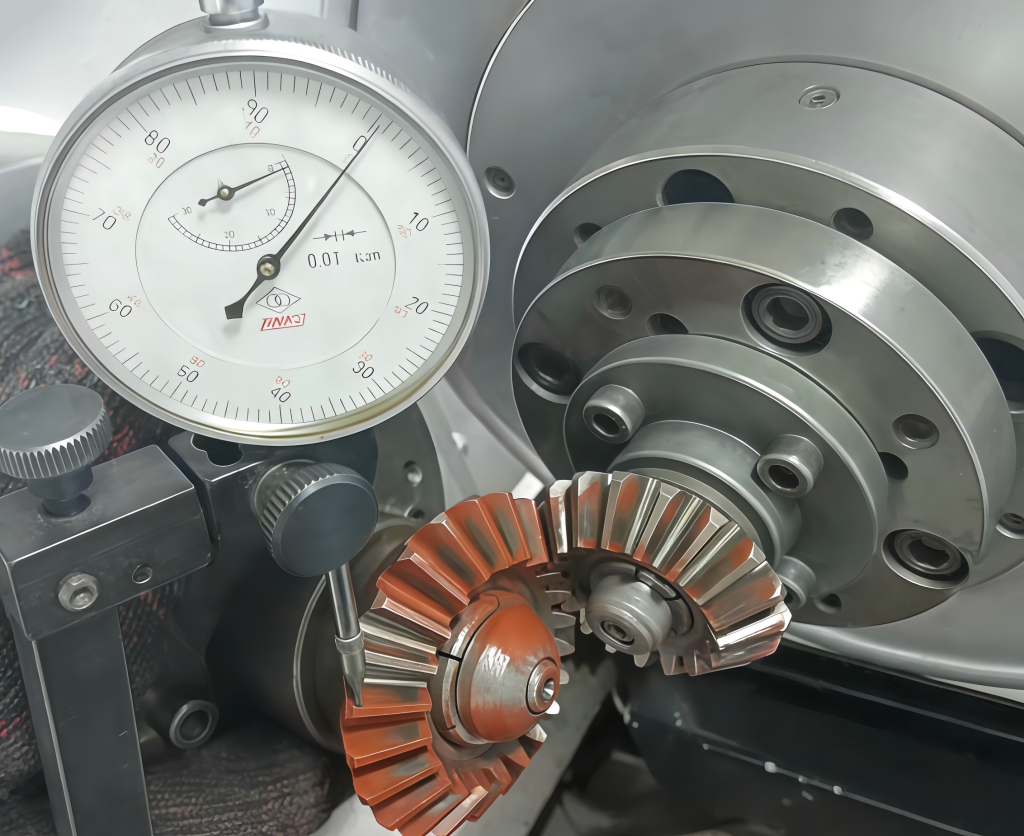
Meshing-testing-gear-quality-custom-gear-manufacturer-gear-solutions-Belon

Meshing Testing

Dimension-Inspection-Gear-Quality-Control-Spur-Gear-Manufacturing-Company-Belon

Dimension Inspection

Material-testing-gear-manufacturing-process-equipment-Belon

Material Testing

Heat-treatment-testing-gear-manufacturing-quality-control-process-Belon

Heat Treatment Testing

Accuracy-inspection-gear-quality-custom-gear-manufacturer-Belon

Accuracy Inspection

Meshing-testing-gear-quality-custom-gear-manufacturer-gear-solutions-Belon

Meshing Testing

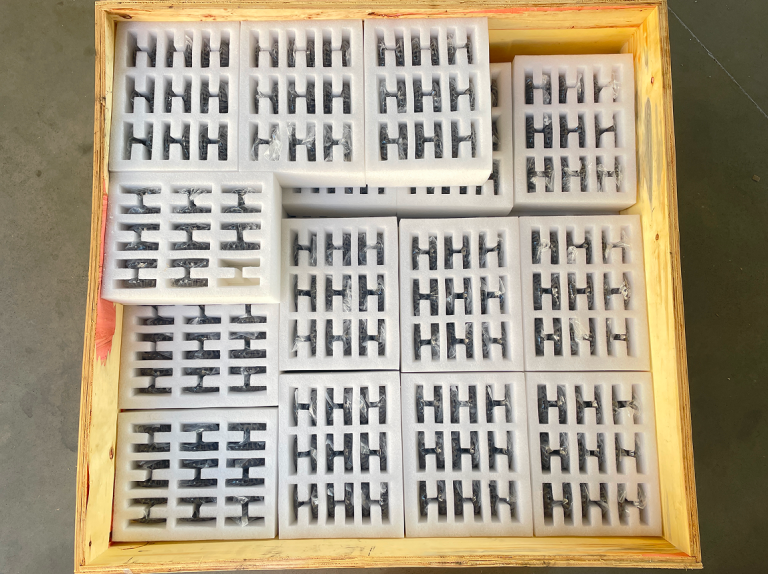
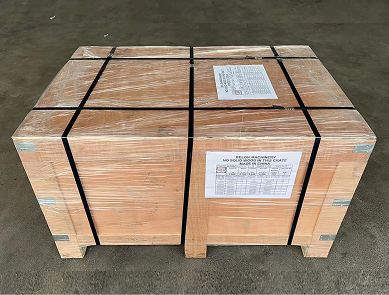
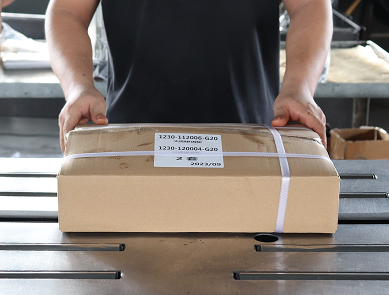
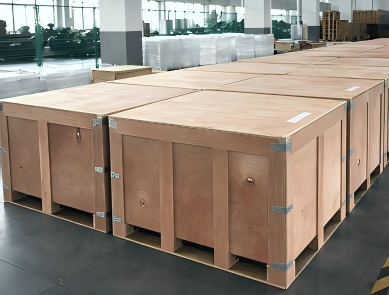
Packages

Professional Packaging Safe Arrival

Customized cost-effective packages for products protection. We select multi-model solutions, combining air, sea, or land freight for the optimal balance of cost, speed, and reliability.
Inner-package-straight-bevel-gear-custom-gear-solutions-belon

Inner Package

Crate-straight-bevel-gear-custom-gear-manufacturer-gear-solutions-Belon

Out Package

Carton-Package-Gear-Manufacturing-Company-Belon

Carton

Wooden-package-gear-manufacturer-gear-solutions-Belon

Wooden Package

Similar products

You May Be Interested In

straight-bevel-pinion-custom-gear-supplier-belon-machinery

Straight Bevel Pinion For Metal Cutting Machine

  • Material: 20CrMnTi
  • Heat treatment: HRC 58-62
  • Accuracy: GB/T 12368
module-2-straight-bevel-gears-for-gearbox-custom-gear-shaft-belon

Module 2 Straight Bevel Gears For Gearbox

  • Material: 20MnCr5
  • Heat treatment: Carburising (58-62 HRC)
  • Accuracy: DIN 7
straight-bevel-gear-for-gearbox-custom-gear-supplier-belon

Straight Bevel Gears For Gearbox

  • Material: 20MnCr5
  • Heat treatment: Carburising (0.5-0.7 mm) + case hardening (58-62 HRC)
  • Accuracy: DIN 7
straight-tooth-bevel-gear-straight-cut-bevel-gear-custom-bevel-gear-supplier-Belon

Straight Tooth Bevel Gear

  • Material: 18CrNiMo7-6
  • Heat treatment: carburization 58-62HRC
  • Accuracy: 9-10
View all product

Your Precision
Transmission Partner

Do you have drawings to be implemented, or problems to be solved? Please feel free to contact us. From initial inquiry and technical specification confirmation to production and delivery, our dedicated team will provide you with one-on-one service, ensuring that every step meets your stringent requirements for precision.
Contact Us