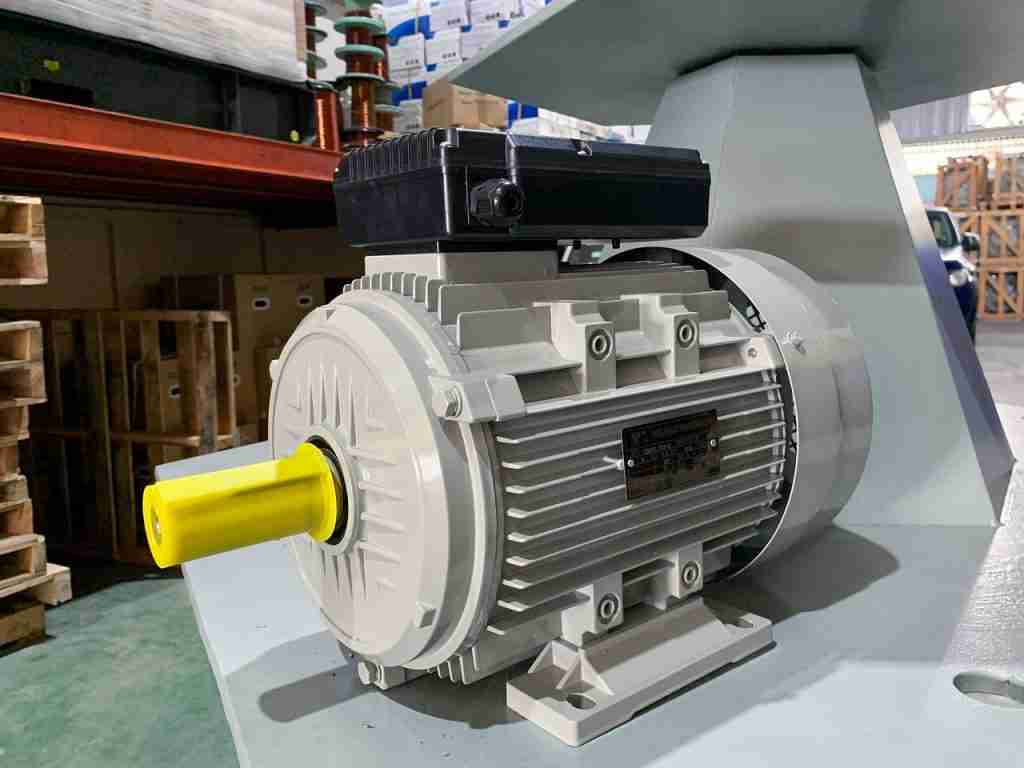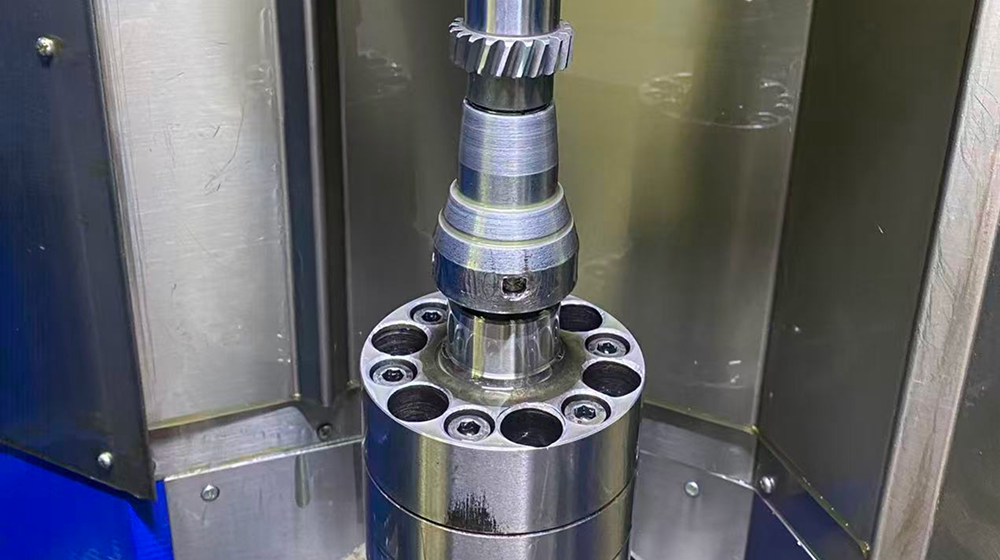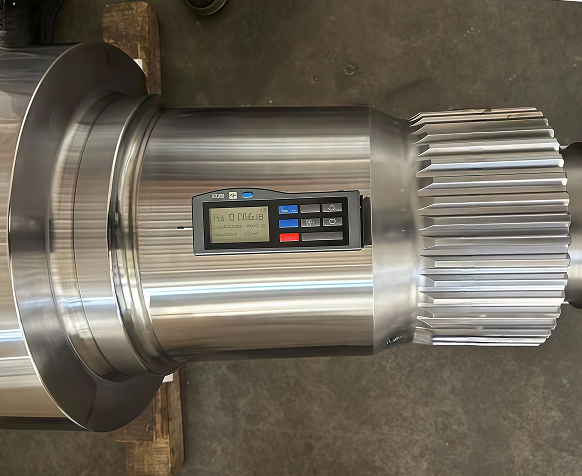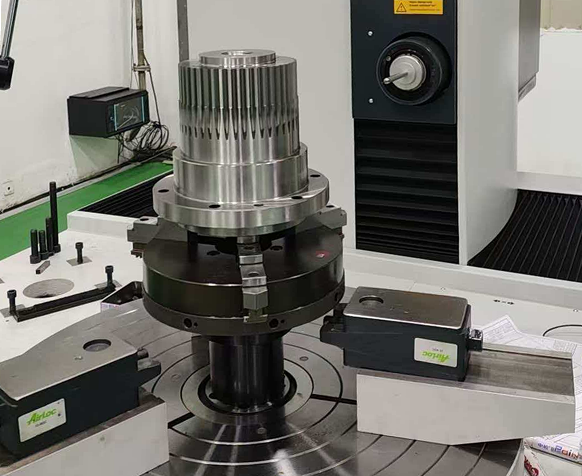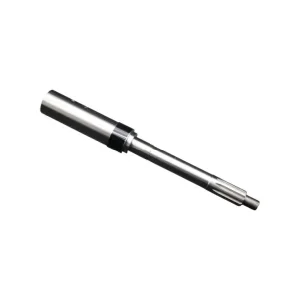
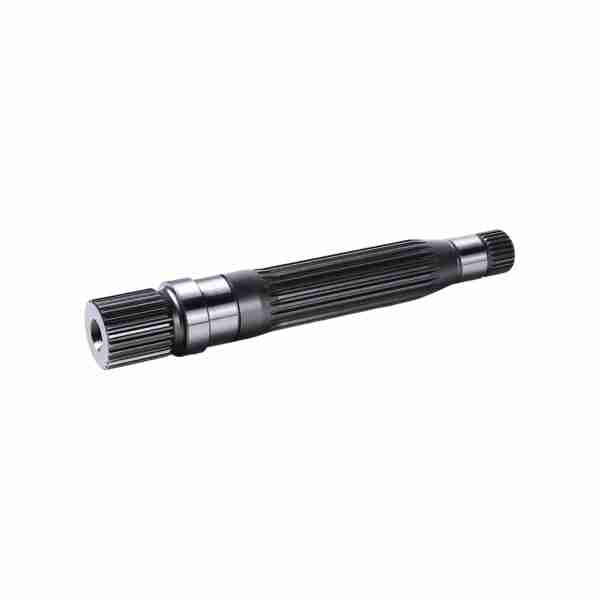
A spline motor shaft is just a motor shaft with grooves cut into it. That is really all “spline” means – grooves or teeth running along the shaft. And those grooves have one job: they keep the shaft locked tight to whatever it is connected to, like a gear or a wheel hub. No slipping, no wobbling, no extra parts needed.
Now, what does a spline motor shaft actually do? Same thing any motor shaft does – it takes the power from the motor and sends it somewhere else. Maybe to a wheel, maybe to a pump, maybe to a conveyor belt. The difference is, because of those grooves, the connection is solid. You do not have to worry about it coming loose over time. And that is a big deal, especially with electric motors that give you full power right from zero speed.
So where do you run into these things? More places than you might think.
Take electric cars. The motor shaft that connects to the gearbox almost always has splines. That connection takes a real beating every time you step on the gas. A regular shaft with a key might start to wiggle after a while. But a spline motor shaft stays put because the load is spread out across all those little teeth.
Robots use them a lot too. Robot arms need to move exactly where you tell them, with no slop. Splines give you that kind of precision. Plus, they make assembly easier – you just push the parts together and the grooves line everything up. No messing around with little keys or screws in a tight spot.
Power tools? Yep. Drills, saws, angle grinders – they all have spline motor shafts inside. Tools get dropped and bumped and run hard. A spline shaft handles that better because the grooves are cut right into the metal. There is no separate key that can fall out or break.
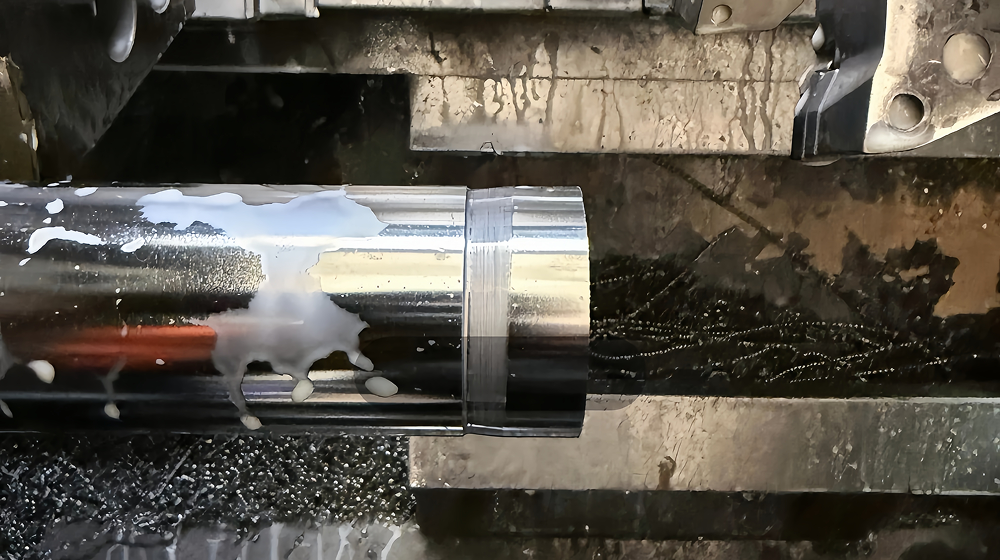
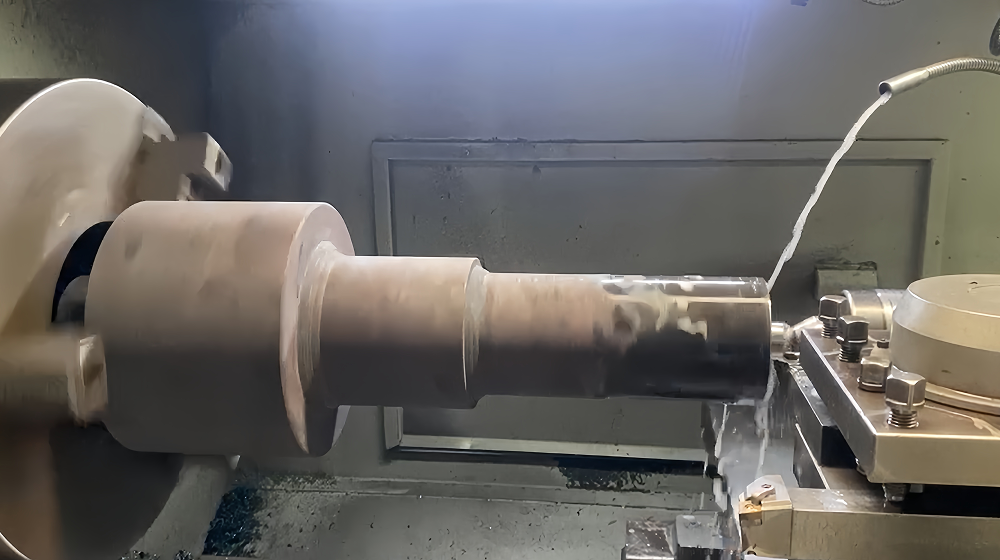
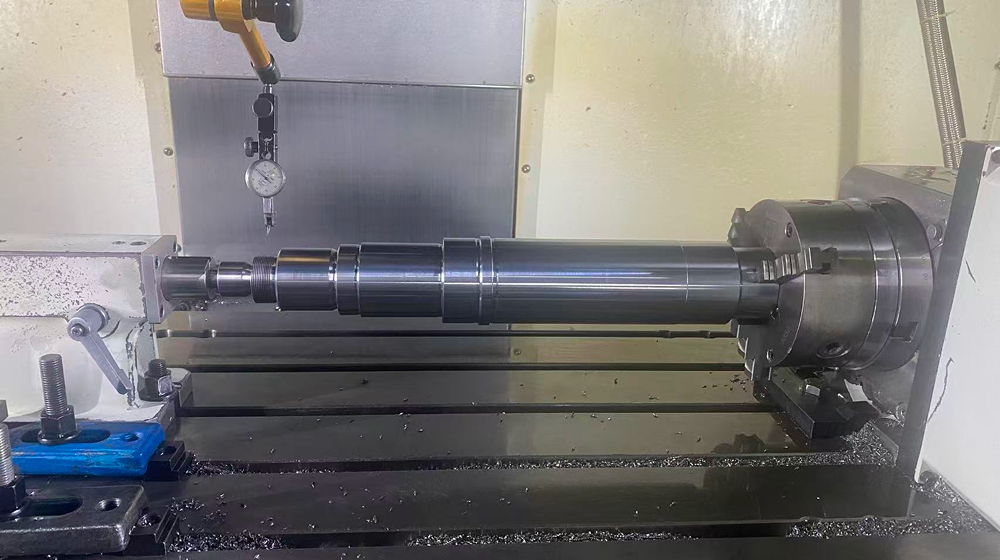
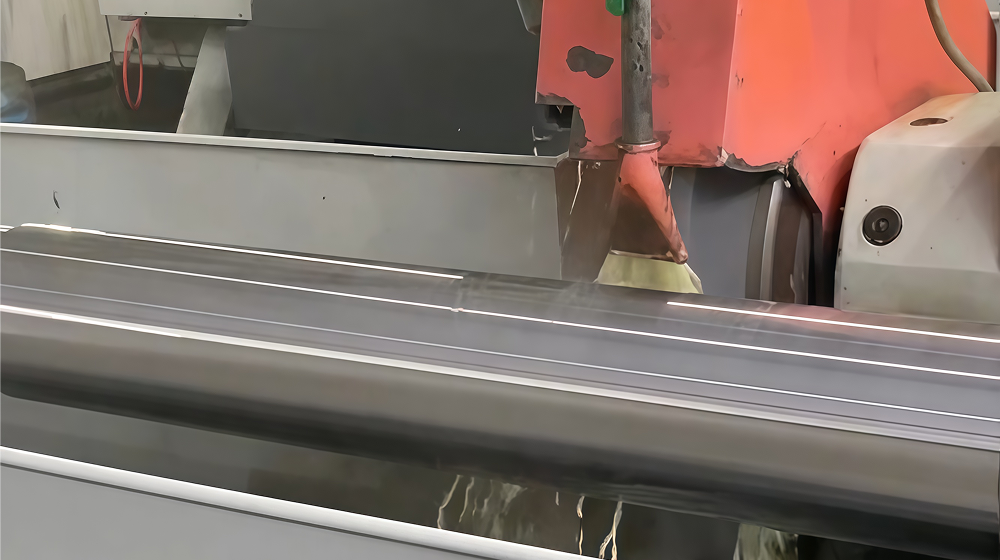
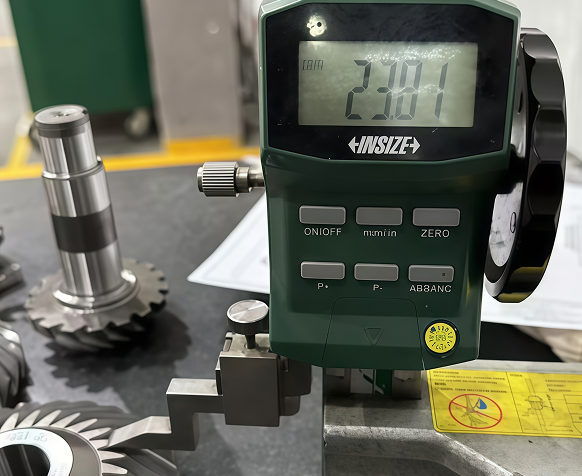
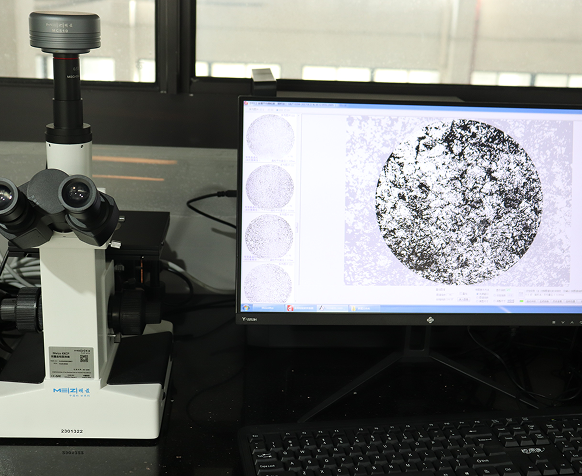
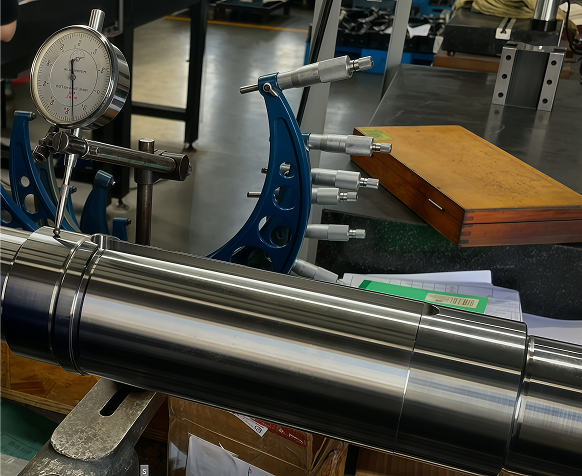
Making one of these takes a few extra steps compared to a plain shaft. You start with a steel bar, cut it to size, then cut the splines. We usually do this by rolling or hobbing. Rolling is faster and makes the metal grain follow the teeth, so the shaft ends up stronger. Hobbing is more precise, good for small batches or weird sizes. After that, we heat treat it to harden the surface, then grind things smooth if needed.
The material is usually alloy steel – strong enough to take the torque, hard enough to keep the teeth from wearing down. If the motor lives in a wet or dirty place, we can use stainless steel or put a coating on it.
So if you have a motor that needs to connect to something and stay connected under load, a spline motor shaft is probably the right answer. Nothing fancy. It just works.