Shaft Assembly Applications
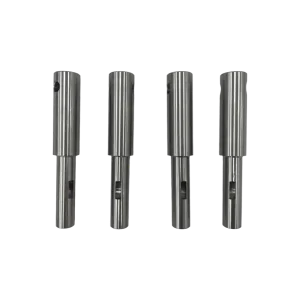
A shaft assembly is a shaft that holds multiple components together – like gears, bearings, couplings, and rollers – all lined up in the right place. It is the part that makes sure everything stays aligned and works together. You will find assembly shafts in all kinds of equipment. Here are some of the most common applications.
Paper machines
This is where shaft assemblies are used a lot. Paper machines are huge and have many sections – forming, pressing, drying, and winding. The shafts connect the drive motors to the rollers in each section. They also connect one section to the next, making sure the paper moves through the machine at the right speed and tension. These shafts have to be balanced because paper machines run at high speeds. Any vibration would show up as marks on the paper.
Printing presses
Printing presses have many rollers that feed paper or other materials through the machine. Shaft assemblies connect the drive system to all those rollers. The shafts keep everything in sync so the print comes out sharp and clean. If the shafts are off even a little, the print will be crooked or blurry.
Textile machinery
Textile machines spin, weave, and knit fabric at high speeds. Shaft assemblies connect the motors to the rollers, spindles, and other moving parts. These shafts help keep all the sections of the machine working together so the fabric comes out even.
Converting equipment
Converting machines take large rolls of material – like paper, plastic, or foil – and turn them into finished products like bags, boxes, or labels. These shafts connect the motors to the rollers that unwind, cut, fold, and rewind the material.
Packaging machinery
Packaging lines use shaft assemblies in their drive systems. The shafts connect the motors to the rollers, belts, and conveyors that move products through the line. These machines run at high speed and stop often. The shafts have to handle the frequent starts and stops without losing alignment.
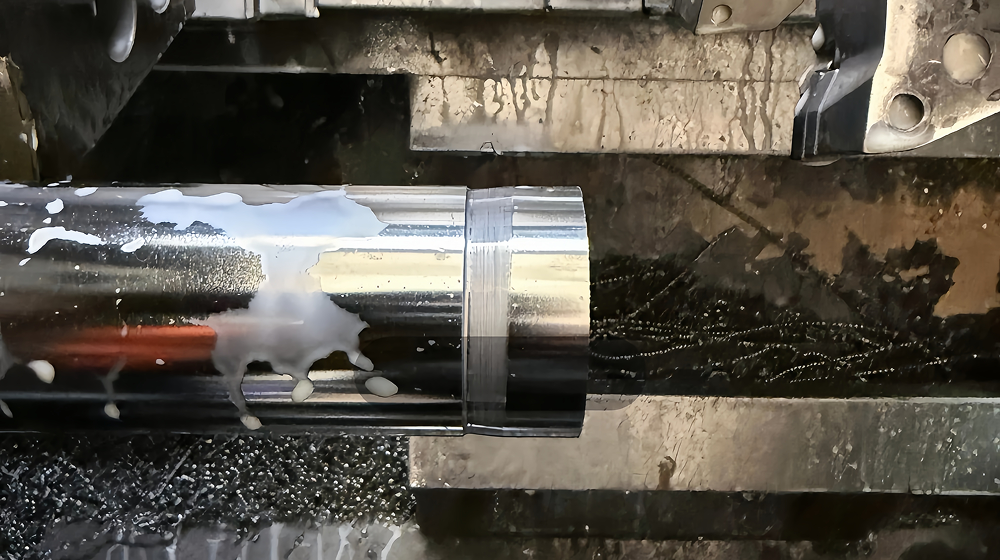
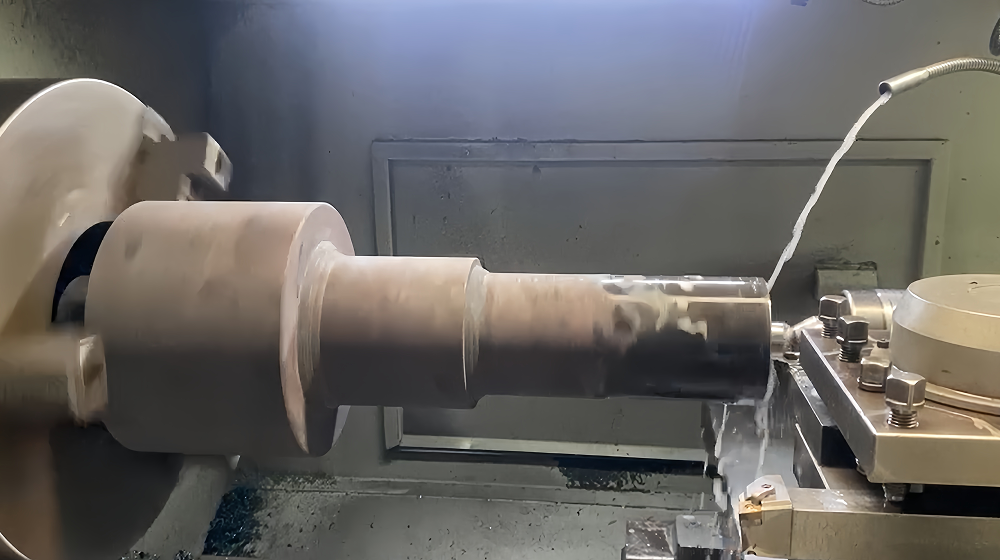
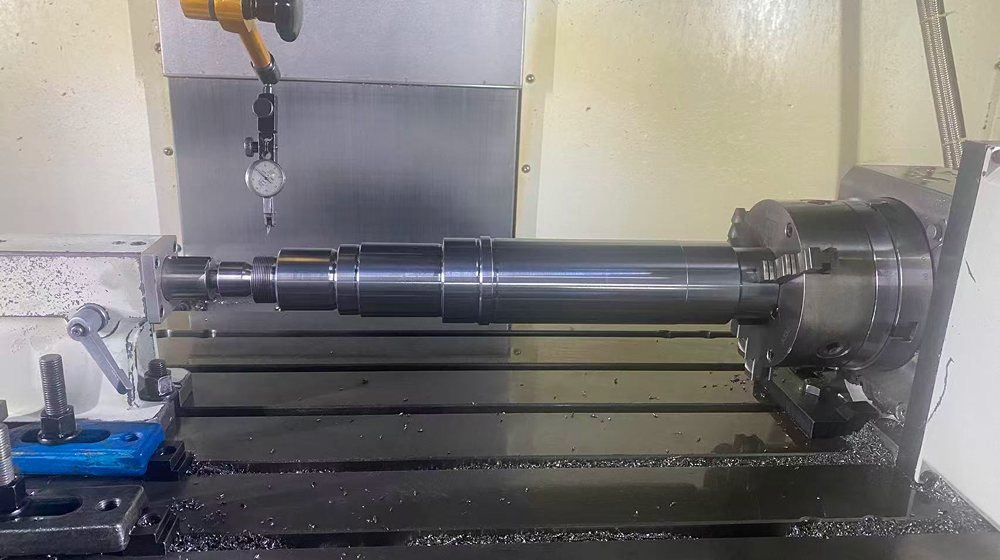
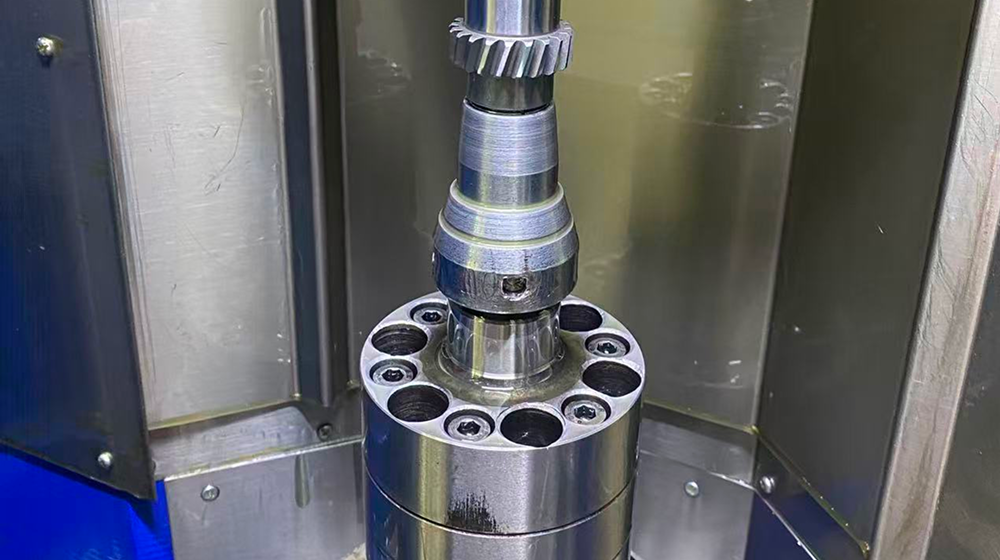
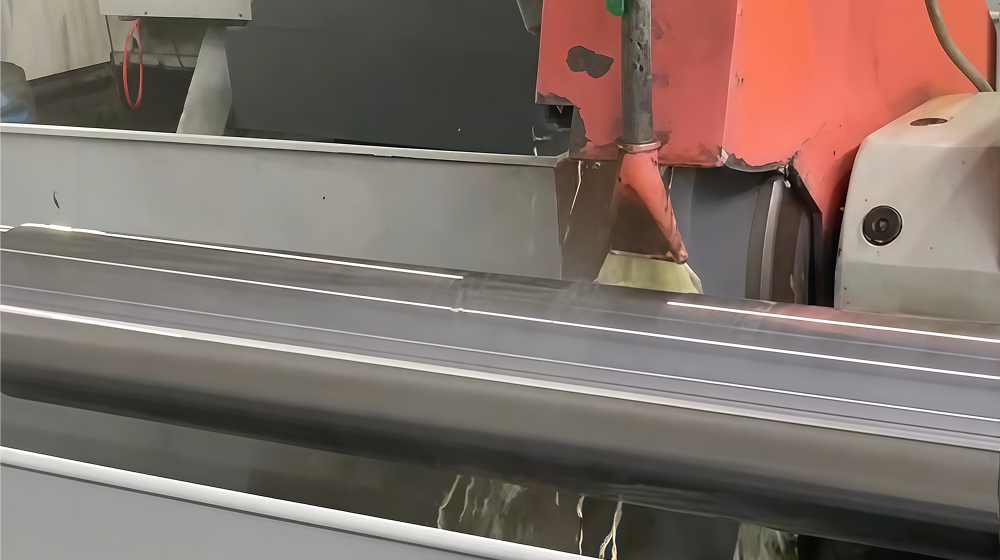
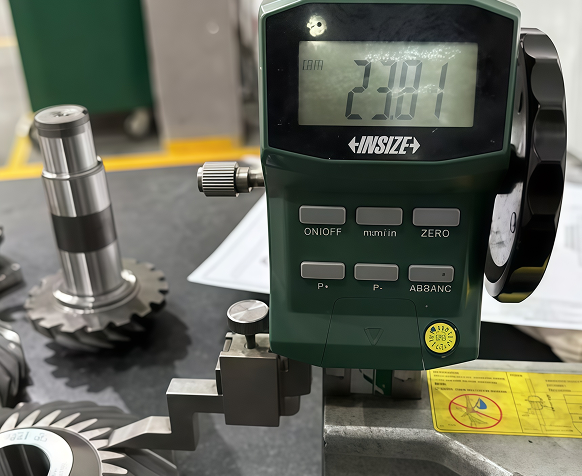
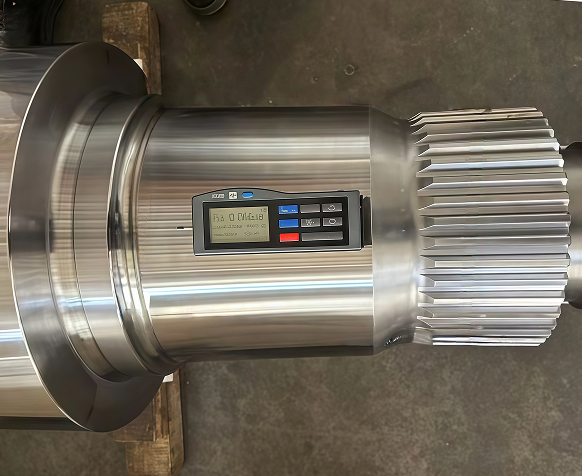
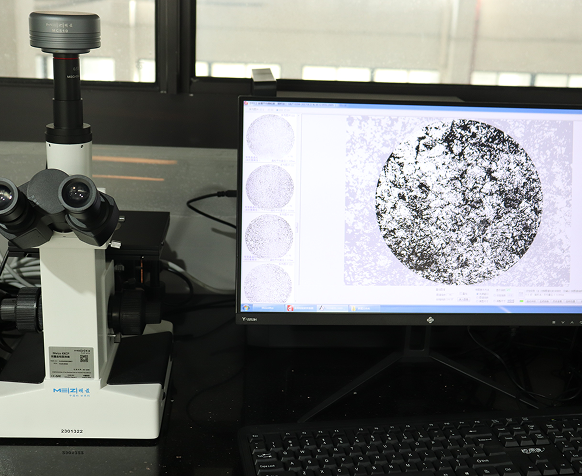
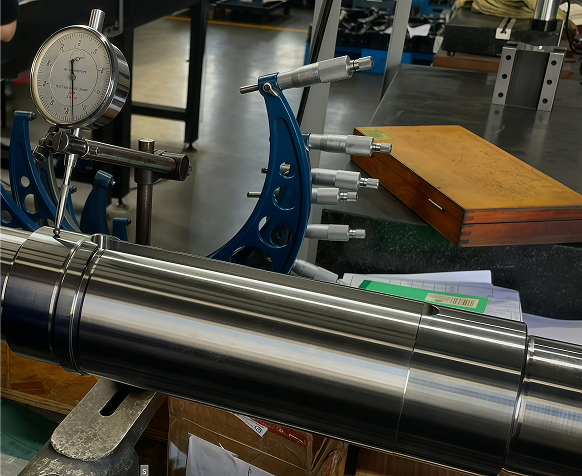
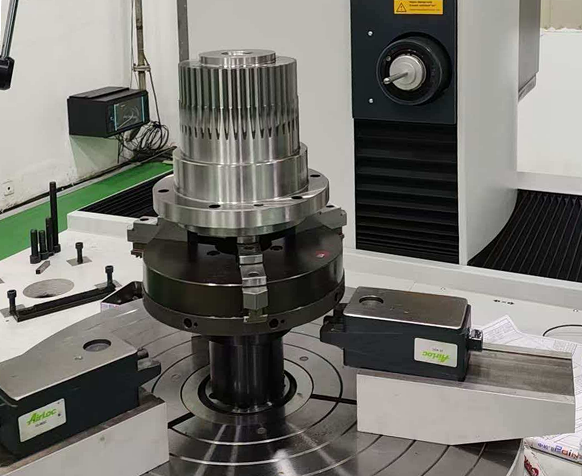
Making a shaft assembly takes careful work. You start with a bar of strong steel – usually alloy steel. The shaft is machined to size. Journals are ground smooth for bearings. Keyways and splines are cut to lock gears and couplings in place. The shaft goes through heat treatment to harden the surface and keep the inside tough. After that, the journals are ground again to final size. The whole shaft is checked for straightness and balance.
A shaft assembly is not a flashy part. But it is one of those things that keeps equipment running. Without it, rollers would slip, belts would wander, and machines would break down. It sits in the middle, holding everything together, day after day. And that is exactly what a good shaft assembly does.