Long Shaft Applications
A long shaft is not something most people think about. But if you look at heavy machinery, you will see them everywhere. These shafts are used when power needs to travel from one end of a machine to the other. Here are some of the places where you will find a long shaft doing its job.
Construction equipment
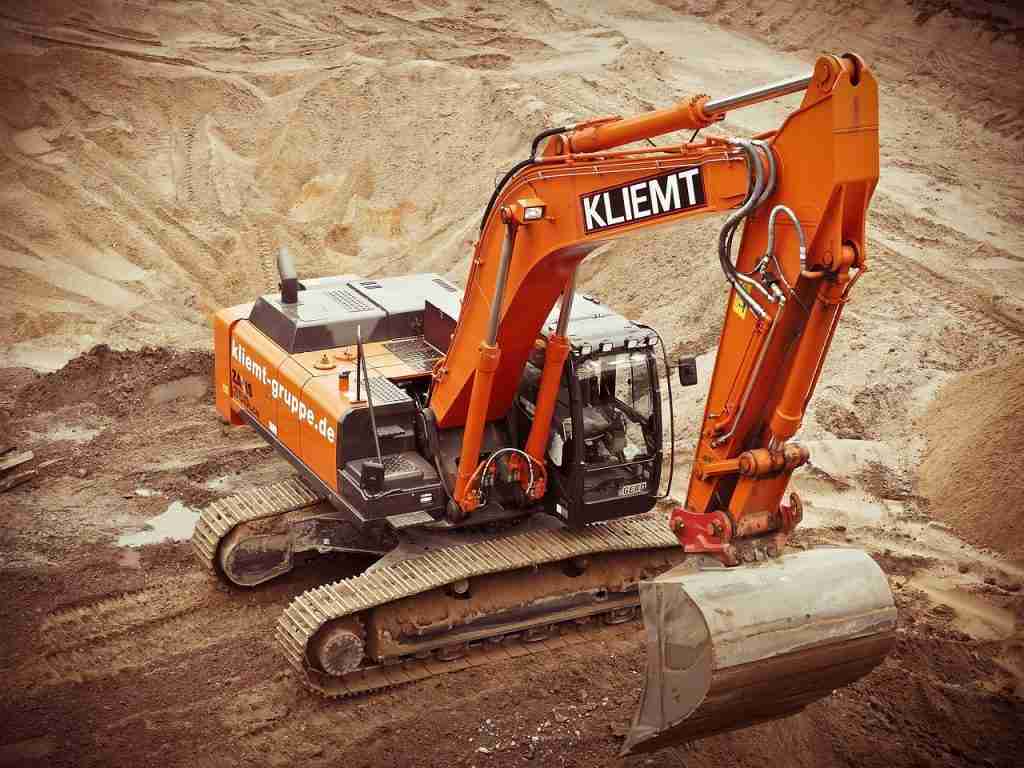
Construction machines are big. Excavators, bulldozers, concrete pumps, and cranes all have engines in one spot and wheels or pumps in another. The power has to get from the engine to where the work happens. That is where a long shaft comes in. It carries the spinning power across the machine so the wheels turn, the pump pushes concrete, or the crane lifts a load.
These shafts have to handle a lot of abuse. Construction sites are rough. The ground is uneven. The machines hit rocks and bump over debris. The shaft has to be strong enough to take those shocks without bending. It also has to be straight and balanced so it spins smoothly. If it wobbles, bearings wear out fast and the whole machine shakes.
Agricultural equipment
Farms use big machines too. Tractors, combines, and sprayers all have long shafts. In a tractor, a long shaft runs from the engine to the transmission or from the PTO to the implement behind it. In a combine, long shafts connect the engine to the cutting head and the grain auger. These shafts work in dusty, dirty fields and have to keep running season after season.
Marine propulsion
Ships and boats use long shafts to connect the engine to the propeller. The engine sits inside the hull, and the propeller is outside at the back. The shaft runs through the bottom of the boat, through seals and bearings, all the way to the propeller. These shafts are long and have to be built to handle the torque of a ship’s engine. They also have to resist corrosion from saltwater.
Industrial conveyors
Factories and warehouses use conveyor belts to move products. The motor that runs the conveyor is often at one end, and the belt runs the length of the line. A long shaft connects the motor to the drive pulley at the other end. These shafts run for hours every day, carrying steady loads without complaint.
Pumping stations
Water treatment plants and irrigation systems use pumps to move water. In some setups, the pump is far from the motor. A long shaft bridges that distance, spinning the pump impeller from a motor located elsewhere.
Paper mills
Paper mills use huge machines that dry and roll paper. Long shafts connect motors to different sections of the machinery. These shafts often run in hot, humid conditions and have to be reliable.
A long shaft might seem simple. But it has to be made right. The material has to be strong enough for the job. The shaft has to be straight, balanced, and properly supported. When it is done right, you do not notice it. It just works, quietly, keeping the machine running. And that is exactly what you want from a good shaft.