Input Shaft Applications
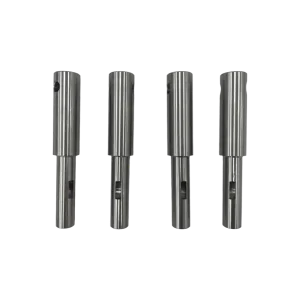
Every machine fitted with a gearbox receives power from a motor or engine. The component that transfers this rotational power into the gearbox is the input shaft. As the first shaft inside the gearbox, it accepts rotating power from the drive source and transmits it to the internal gear set.
Input shafts are widely used across many types of machinery. Common applications are listed below:
Marine propulsion
Vessels use input shafts to transfer engine power to the propeller. The engine rotates the input shaft, which drives the gearbox gears and then the propeller shaft. These shafts must withstand massive torque and saltwater corrosion. Robust construction is critical, as failure at sea must be avoided.
Industrial gearboxes
Factories deploy gearboxes for conveyors, crushers, mixers and other heavy machinery. The motor connects to the input shaft to drive internal gears. For continuous daily operation, input shafts require high reliability and durability.
Wind turbines
Wind turbine blades turn a low-speed shaft linked to the gearbox. The gearbox input shaft receives slow, high-torque rotation, and the gear train increases rotational speed for the generator. Located high up in the nacelle with difficult access, these shafts are engineered for long service life with minimal maintenance.
Automotive transmissions
In passenger cars and trucks, the input shaft connects the engine to the transmission. When engaging the clutch or shifting gears, the input shaft delivers engine power into the transmission. It must endure high rotational speeds and frequent gear shifts.
Agricultural machinery
Tractors, combines and balers all use gearboxes equipped with input shafts. The engine drives the input shaft, transferring power via gears to wheels or working attachments such as mowers and balers. Built to operate amid dust, mud and harsh field conditions.
Mining equipment
Mining crushers and conveyors use large gearboxes with input shafts. This equipment bears heavy and shock loads from rock handling, so input shafts must have sufficient strength to withstand extreme working stress.
Paper & steel mills
Heavy-duty mills rely on gearbox input shafts to drive rollers and presses. These shafts operate under hot, humid and demanding working environments.
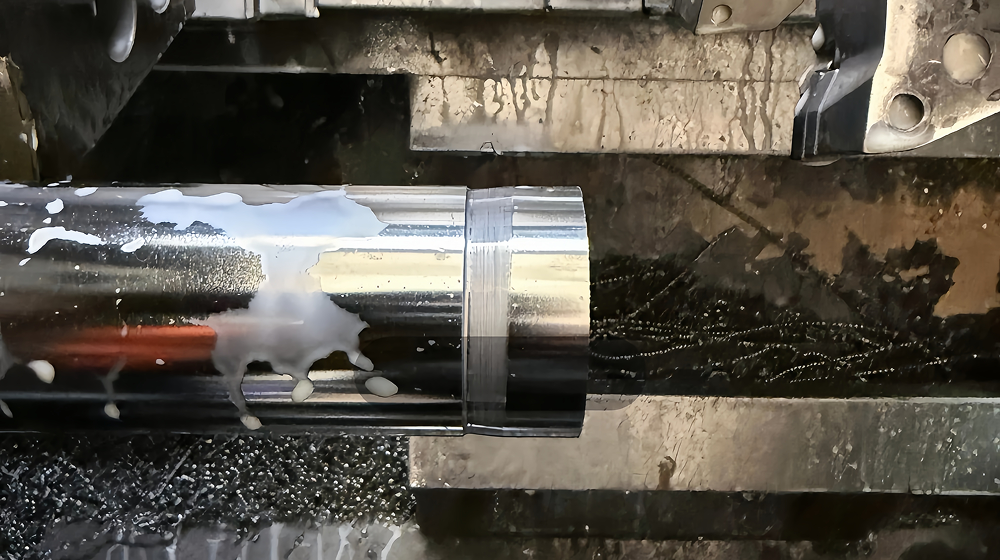
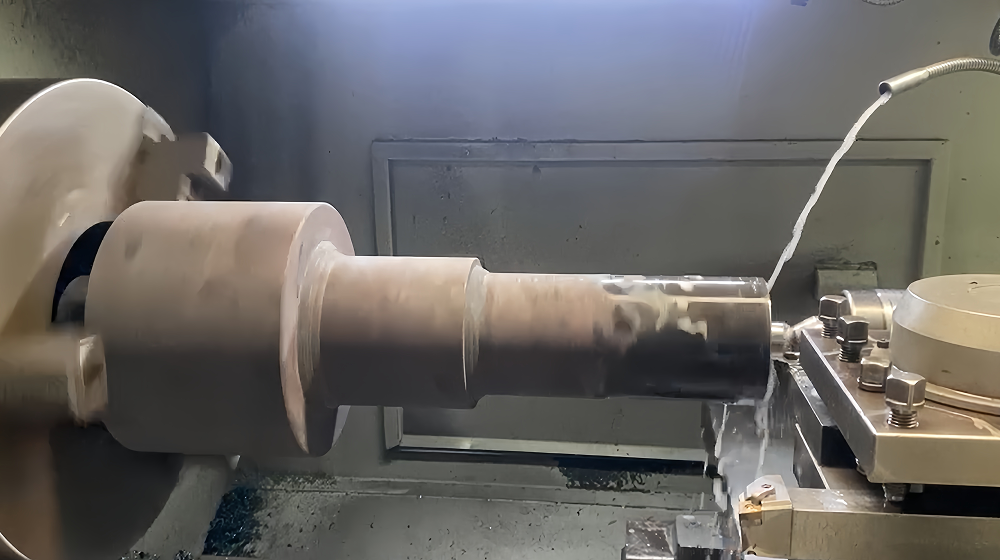
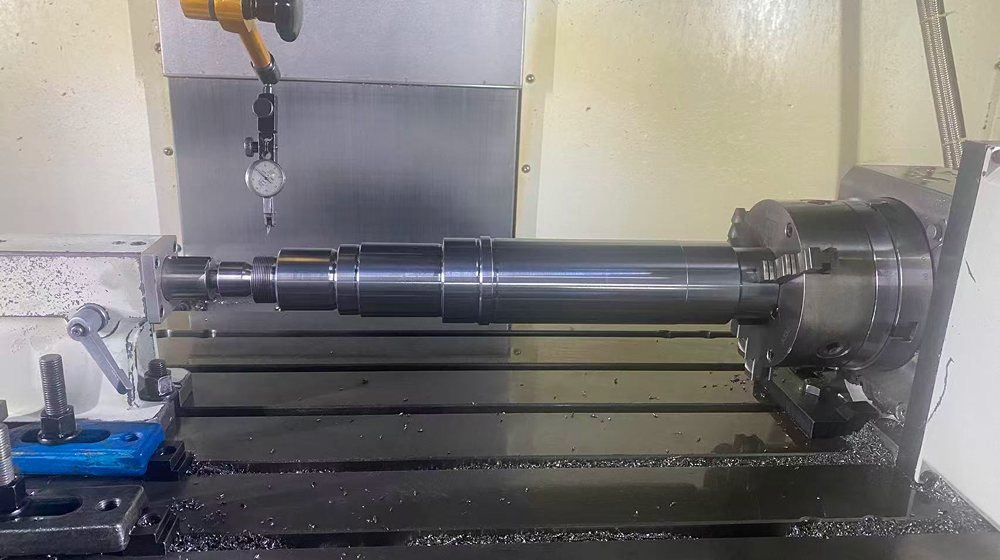
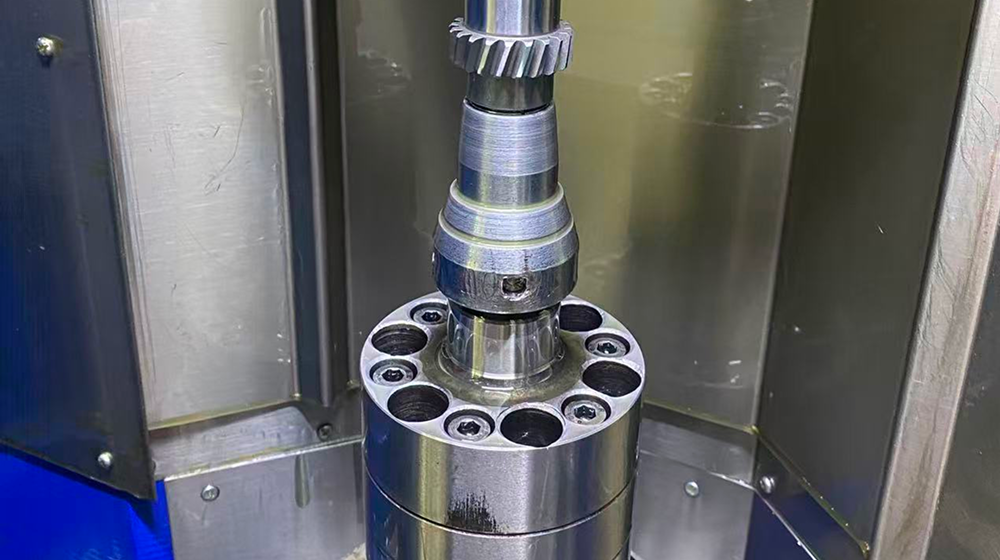
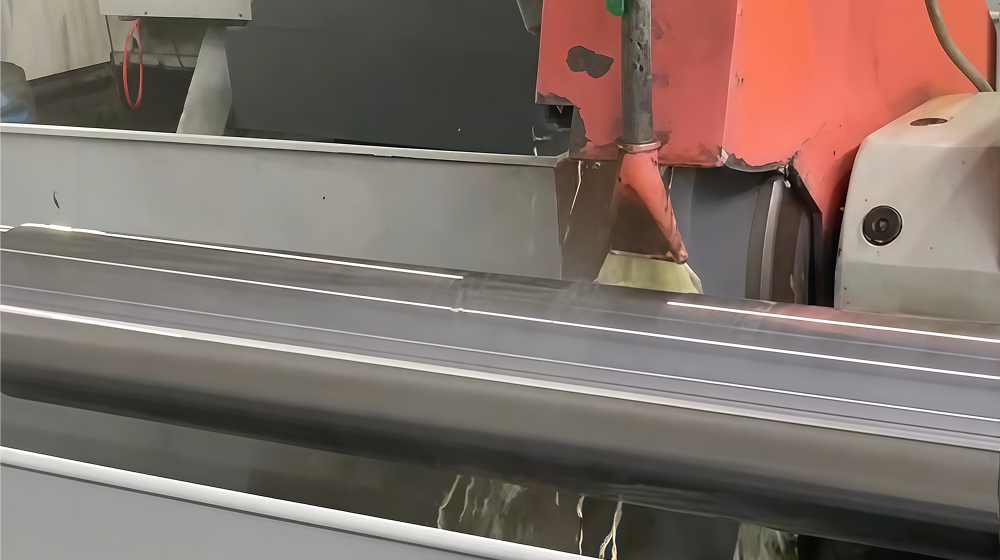
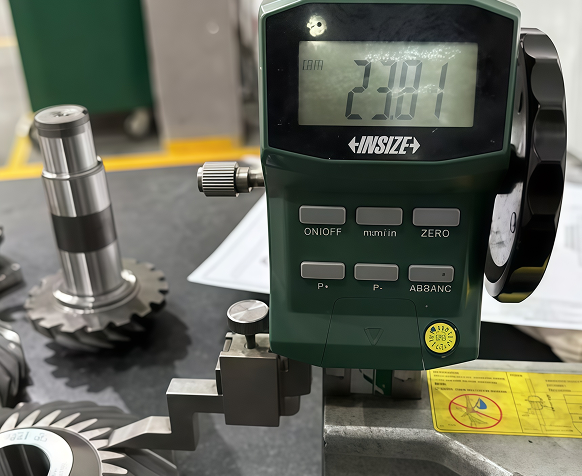
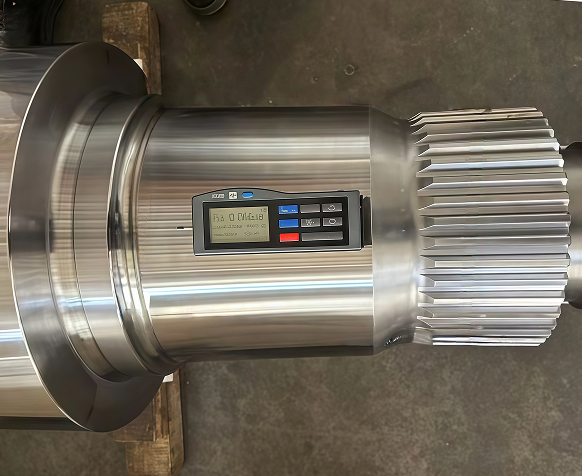
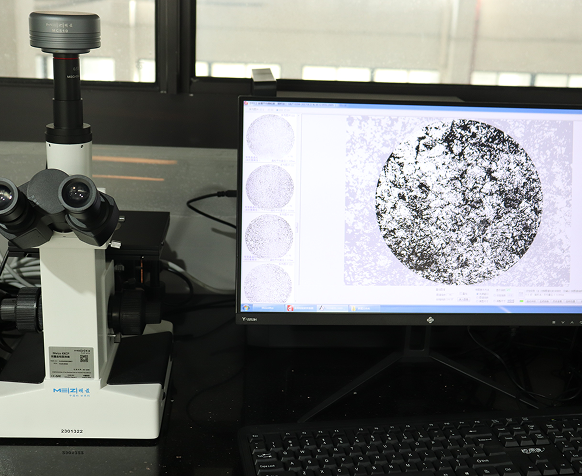
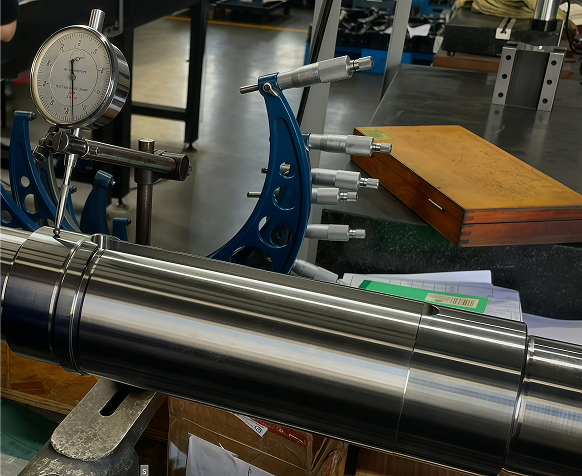
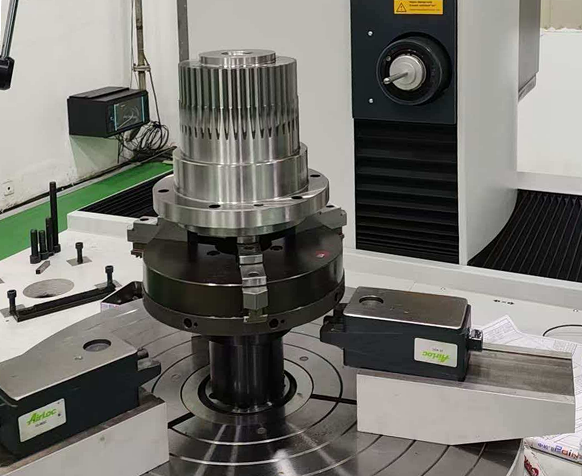
Manufacturing an input shaft involves multiple processes. Starting from solid alloy steel stock, the shaft is precision machined to dimension. Splines or keyways are cut on the end for motor connection. If integrated gears are required, gear teeth are machined. Bearing journals are finely ground, followed by heat treatment: this hardens the shaft surface while maintaining a tough core. Journals then receive final grinding to reach finished tolerances.
An input shaft is an inconspicuous component, yet it is the power entry point for any gearbox. Without it, power cannot be delivered to where it is needed. Positioned at the front of the gearbox, it absorbs full operational loads and keeps rotating steadily. A quality input shaft operates quietly and reliably, continuously handling power transmission.