Belon-machinery-gear-manufacturing-company-gear-solutions-providerBelon-machinery-gear-manufacturing-company-gear-solutions-provider
Contact Us
input-shaft-for-marine-propulsion-belon-machinery

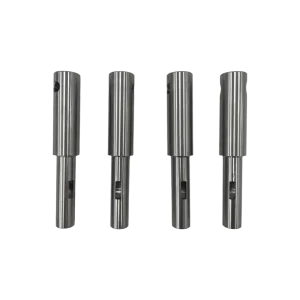
Input Shaft For Marine Propulsion

We all know that ships are big and very heavy. And they need a lot of power to move through the water. That power starts in the engine room, deep inside the hull. But the engine alone does not move the ship. Something has to carry that power from the engine to the propeller. That something is the input mainshaft, which belongs to one type of input shaft.

An input mainshaft for marine propulsion is the first shaft in the ship’s gearbox. It connects directly to the engine. The engine spins, and the input mainshaft spins with it. That spinning power then goes through the gears inside the gearbox, which change the speed and torque before sending it to the propeller shaft. Without the input mainshaft, the engine’s power would just spin in place and never reach the propeller.

So what does an input shaft for marine propulsion actually look like? It is a thick, solid metal rod – usually made from strong alloy steel. One end connects to the engine, usually through a flexible coupling that absorbs vibration. The other end has gears or splines that lock into the gearbox. The shaft has to be strong enough to handle all the torque the engine puts out. Marine engines can produce thousands of horsepower, and all of that power goes through the input mainshaft first.

Marine gearboxes are different from gearboxes on land. Ships pitch and roll in the water. The engine and gearbox move slightly as the ship moves. The input mainshaft has to handle that movement without binding or breaking. It also has to resist corrosion from the salty, humid air in the engine room.

Making an input mainshaft for marine propulsion takes careful work. You start with a high-quality steel forging. Forging makes the metal grain flow in one direction, which gives the shaft extra strength. The shaft is then machined to size. The bearing journals are ground smooth so the bearings spin freely. The splines or gears on the end are cut precisely to lock into the gearbox. Then the shaft goes through heat treatment. This hardens the surface so it resists wear, while the inside stays tough to handle shock loads.

Once the shaft is finished, it gets installed in the gearbox. The engine connects to one end. The gearbox connects to the other. When the engine starts, the input mainshaft spins, the gears turn, and the propeller shaft spins. The ship moves.

An input mainshaft for marine propulsion does not get much attention. It sits deep inside the ship, hidden from view. But without it, the ship would not go anywhere. It takes all the power from the engine and sends it on its way. And out at sea, that is exactly what you need.

Specification
Application
Marine propulsion
Material
16MnCr5
Heat Treatment
Case hardening 30-40HRC
Contact Us

Input Mainshaft Applications


Every machine that uses a gearbox has to get power from somewhere. That somewhere is usually a motor or an engine. And the part that carries that power into the gearbox is called an input mainshaft. It is the first shaft in the gearbox – the one that takes the spinning power from the motor and hands it off to the gears inside.


Input mainshafts show up in all kinds of equipment. Here are some of the most common places where they do their job.

Marine propulsion

Ships and boats rely on the special input shafts to get power from the engine to the propeller. The engine spins the input mainshaft, which turns the gears in the gearbox, which then turns the propeller shaft. These shafts have to handle huge amounts of torque and resist corrosion from saltwater. They are built tough because a breakdown at sea is not an option.

Industrial gearboxes

Factories use gearboxes to run conveyors, crushers, mixers, and other heavy equipment. The motor connects to the input mainshaft, which drives the gears inside the gearbox. These gearboxes run for hours every day, so the input mainshaft has to be reliable and durable.

Wind turbines

Inside a wind turbine, the blades spin a low-speed shaft, which connects to a gearbox. The input mainshaft inside that gearbox takes the slow, high-torque rotation and sends it through the gears to speed it up for the generator. These shafts sit high in the air and are hard to reach, so they have to be built to last for years without maintenance.

Automotive transmissions

In cars and trucks, the input mainshaft is the part that connects the engine to the transmission. When you press the clutch or shift gears, the input mainshaft is what carries the engine’s power into the gearbox. It has to handle high speeds and frequent shifting.

Agricultural machinery

Tractors, combines, and balers all use gearboxes with input mainshafts. The engine drives the input mainshaft, which sends power through the gears to the wheels or to attachments like mowers and balers. Farm equipment works in dust, mud, and rough fields, so the shafts have to be tough.

Mining equipment

Mining machines like crushers and conveyors use large gearboxes with input mainshafts. These machines handle heavy loads and shock loads from rocks. The input mainshaft has to be strong enough to take that abuse.

Paper mills and steel mills

Heavy industrial mills use gearboxes with input mainshafts to drive rollers and presses. These shafts run in hot, humid, and demanding conditions.


Making the input shafts takes several steps. You start with a solid bar of steel – usually alloy steel. The shaft is machined to size. Splines or keyways are cut on the end to connect to the motor. Gear teeth are cut if the input shaft has integrated gears. Bearing journals are ground smooth. Then the shaft goes through heat treatment to harden the surface and keep the inside tough. The journals are ground again to final size.

An input mainshaft is not a flashy part. But it is the start of everything in a gearbox. Without it, power does not get where it needs to go. It sits at the front of the gearbox, takes all the load, and keeps spinning. Quietly, reliably, day after day. That is exactly what a good input mainshaft does.

input-shaft-for-marine-propulsion-belon-machinery-gear-supplier
Production process

7-Step Production Process

Material Baiting
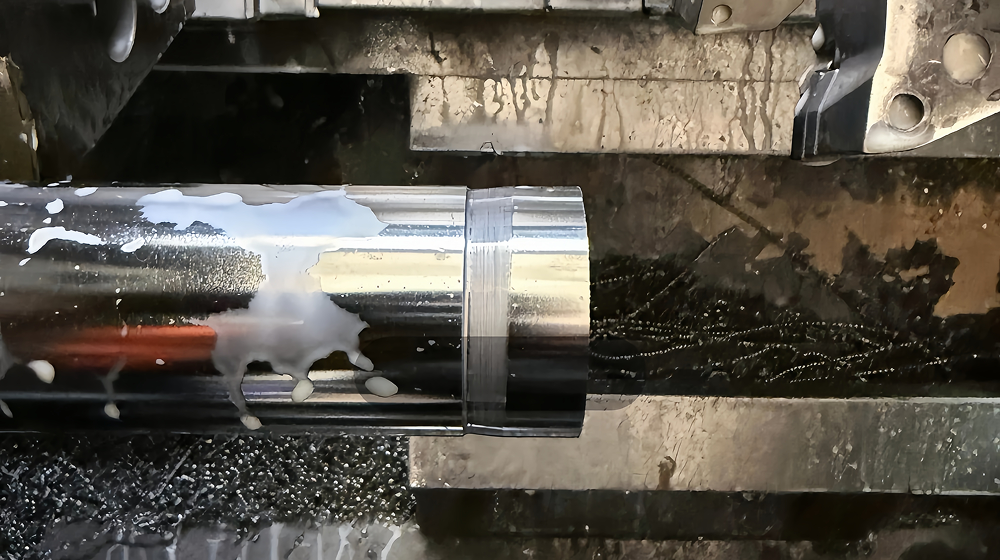
Rough Turning
Fine Turning
CNC Machining
ID & OD Grinding
Spline Shapping
Gear Shaft Grinding
1
2
3
4
5
6
7
Worm-shaft-baiting-custom-gear-manufacturer-Belon-large-diameter-heavy-duty-shaft

Material Baiting

BELON tailor the manufacturing process—selecting from Bar Baiting, Tube Baiting or Precision Forging—based on the specific geometry and performance requirements of each gear.
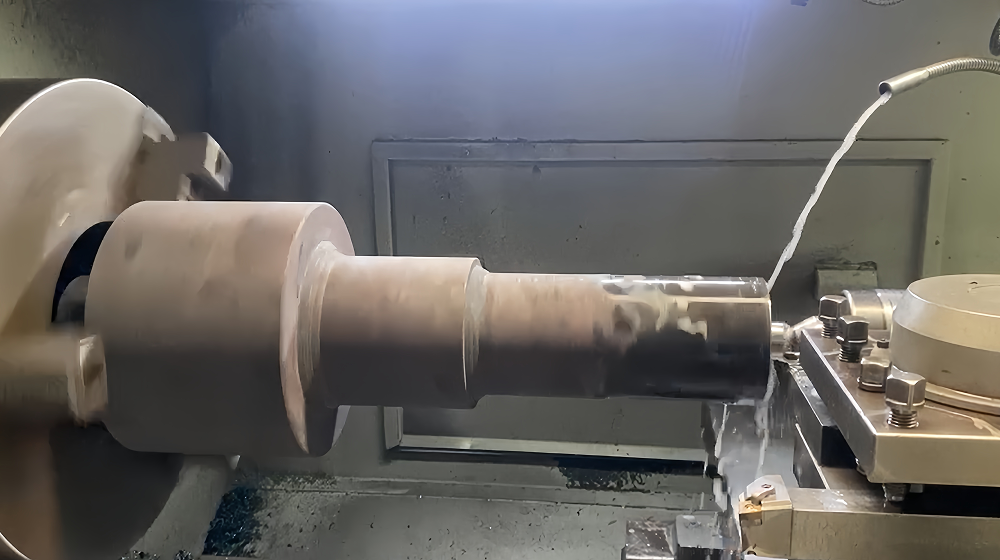
Rough-turning-large-diameter-shafts-custom-gear-manufacturer-Belon

Rough Turning

Rough Turning is the first and fast-cutting stage done on a lathe for gears shape, which is a machining process to rapidly remove the bulk of material from a workpiece, bringing it close to its final shape which is like using a chainsaw to carve a block of wood down to its basic form.
Fine-turning-large-diameter-shafts-gear-shaft-supplier-Belon

Fine Turning

Fine Turning is a precision finish machining process on a lathe. It is in order to achieve the final dimensions of the finish gears, tight tolerances, and excellent surface finish specified on the engineering drawing which is like using fine sandpaper and a polishing cloth to achieve a smooth, precise final surface.
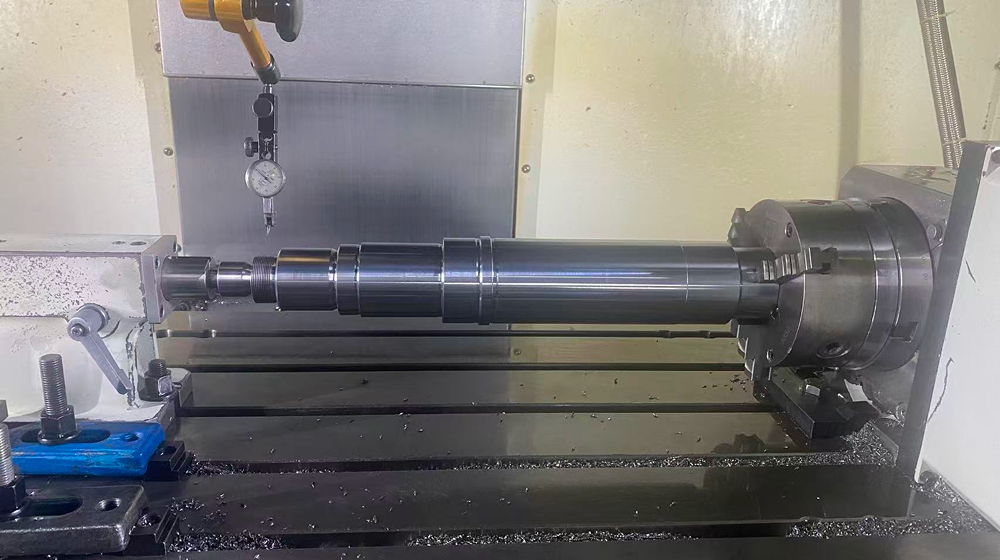
CNC-Machining-Large-diameter-Shafts-custom-gear-manufacturer-Belon

CNC Machining

CNC machining is a an automated manufacturing process controlled by pre-programmed computer software and code. Normally gears are designed in CAD software. CAM software translates the CAD model into G-Code, a machine language that dictates tools paths, speeds, feeds, and all movements.
ID&OD-Grinding-large-diameter-shafts-custom-gear-manufacturer-Belon

ID & OD Grinding

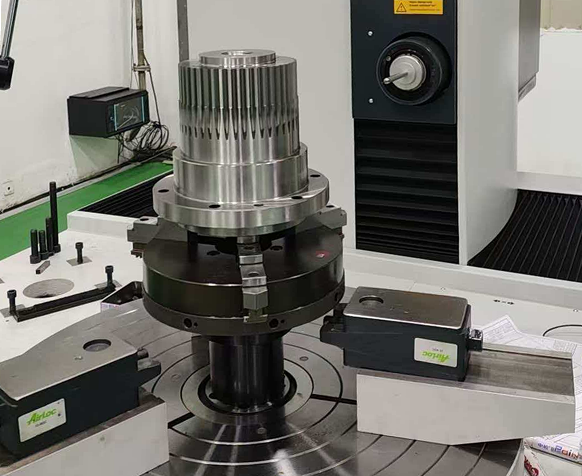
ID grinding, OD grinding, Surface grinding are all belonging to CNC grinding which are the foundational precision abrasive machining processes used to achieve exceptional dimensional accuracy and surface finishes, especially on hardened materials.
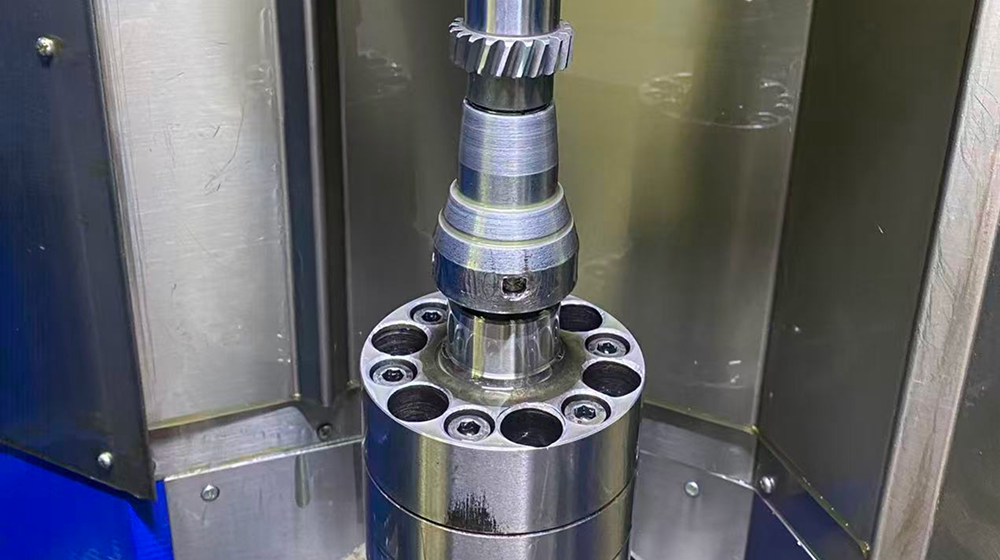
Spline-shaping-large-diameter-shaft-custom-gear-manufacturer-Belon

Spline Shapping

Gear shaping is a gear cutting process using a reciprocating master gear cutter, and is especially effective for cutting internal gears, including splines.
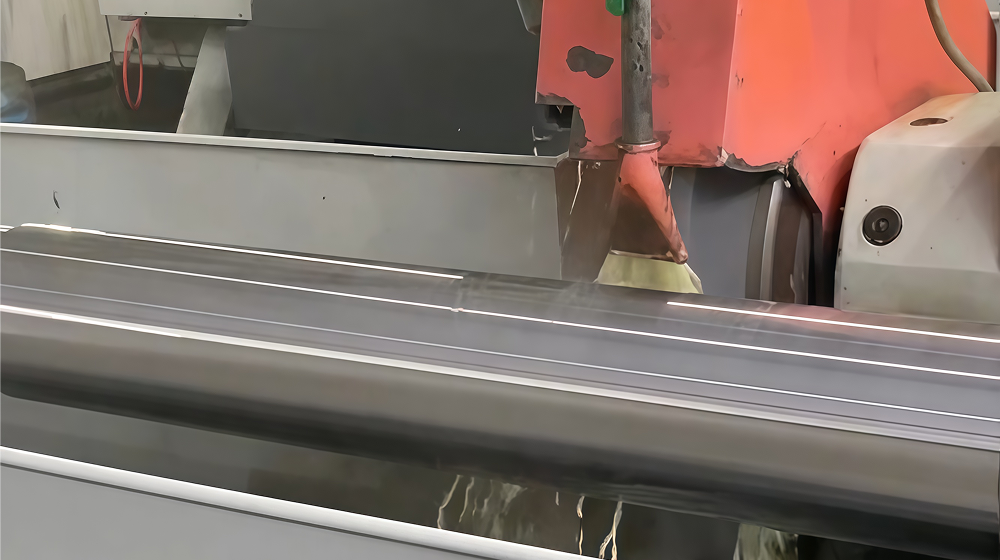
Gear-shaft-grinding-large-diameter-shaft-custom-gear-manufacturer-Belon-small-diameter-precision-shaft

Gear Shaft Grinding

Gear shaft grinding is the final precision machining operation that refines shaft diameters and surfaces to achieve exact tolerances, superior finish, and perfect geometric alignment.
Inspection

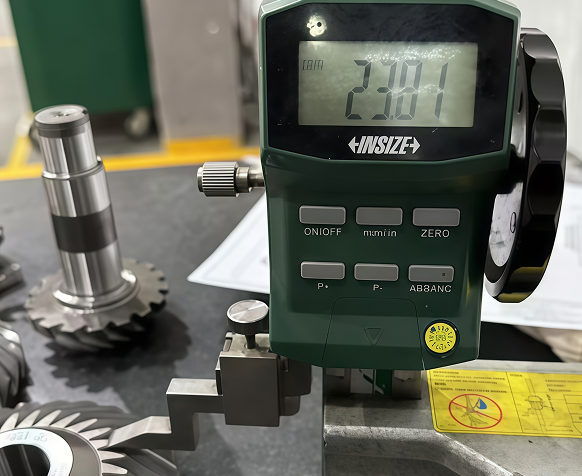
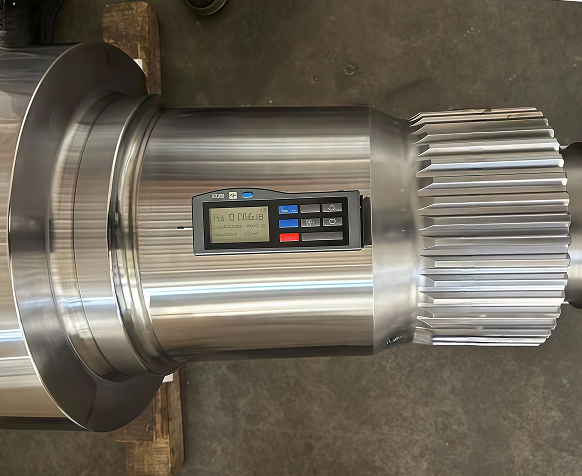
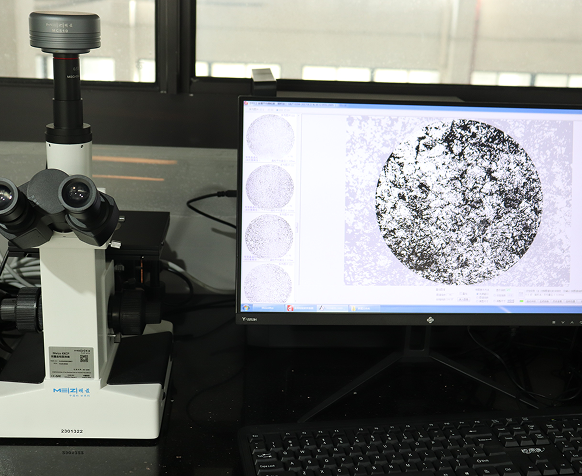
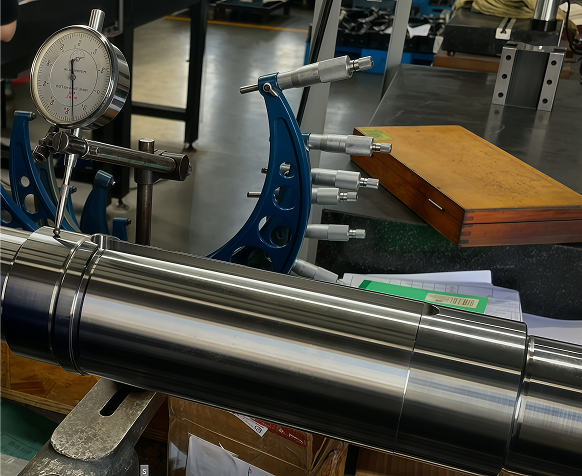
Strict Quality Inspection

Dimension-inspection-gear-manufacturing-process-equipment-Belon

Dimension Inspection

Roughness-inspection-large-diameter-shafts-custom-gear-supplier-Belon

Roughness Inspection

Heat-treatment-testing-gear-manufacturing-quality-control-process-Belon

Heat Treatment Testing

Runout-testing-large-diameter-shafts-custom-gear-supplier-Belon

Runout Testing

Accuracy-testing-large-diameter-heavy-duty-shafts-custom-gear-supplier-Belon

Accuracy Testing

Dimension-inspection-gear-manufacturing-process-equipment-Belon

Dimension Inspection

Roughness-inspection-large-diameter-shafts-custom-gear-supplier-Belon

Roughness Inspection

Heat-treatment-testing-gear-manufacturing-quality-control-process-Belon

Heat Treatment Testing

Runout-testing-large-diameter-shafts-custom-gear-supplier-Belon

Runout Testing

Accuracy-testing-large-diameter-heavy-duty-shafts-custom-gear-supplier-Belon

Accuracy Testing

Packages

Professional Packaging Safe Arrival

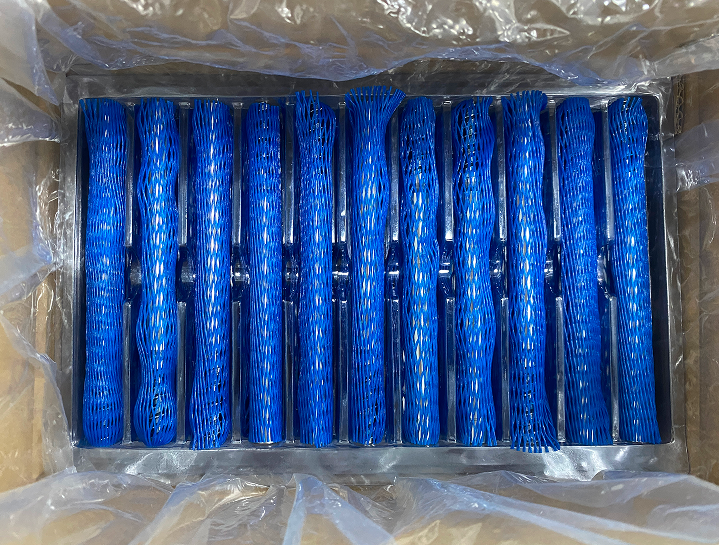
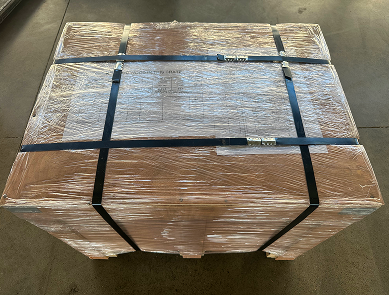
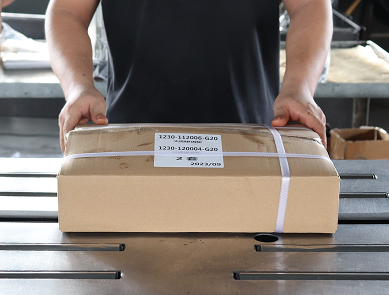
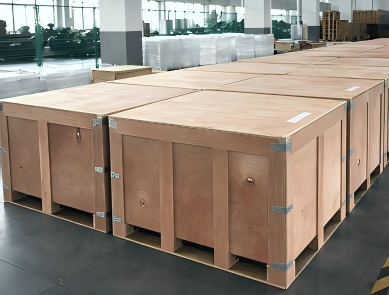
Customized cost-effective packages for products protection. We select multi-model solutions, combining air, sea, or land freight for the optimal balance of cost, speed, and reliability.
Gear-shaft-inner-package-custom-gear-product-Belon

Inner Package

Gear-Outer-Package-Gear-Manufacturing-company-Belon

Out Package

Carton-Package-Gear-Manufacturing-Company-Belon

Carton

Wooden-package-gear-manufacturer-gear-solutions-Belon

Wooden Package

Similar products

You May Be Interested In

spindle-shaft-for-machining-tools-belon-machinery

Spindle Shaft for Machining Tools

  • Material: Stainless Steel 304
  • Heat treatment: QT and Hardening 40-52 HRC
hex-shaft-for-lathe-custom-shaft-supplier-belon

Hex Shaft For Lathe

  • Material: 8620
  • Heat treatment: Quenching and tempering 52-55 HRC
high-precision-gearshaft-custom-gear-shaft-supplier-belon

Gearshaft

  • Material: C45
  • Heat treatment: Hardening and tempering 52-55HRC
Splined-shaft-for-mower-shaft-manufacturer-Belon

Splined Shaft for Mowers

  • Material: 20CrMo
  • Heat treatment: Temper and hardening
View all product

Your Precision
Transmission Partner

Do you have drawings to be implemented, or problems to be solved? Please feel free to contact us. From initial inquiry and technical specification confirmation to production and delivery, our dedicated team will provide you with one-on-one service, ensuring that every step meets your stringent requirements for precision.
Contact Us