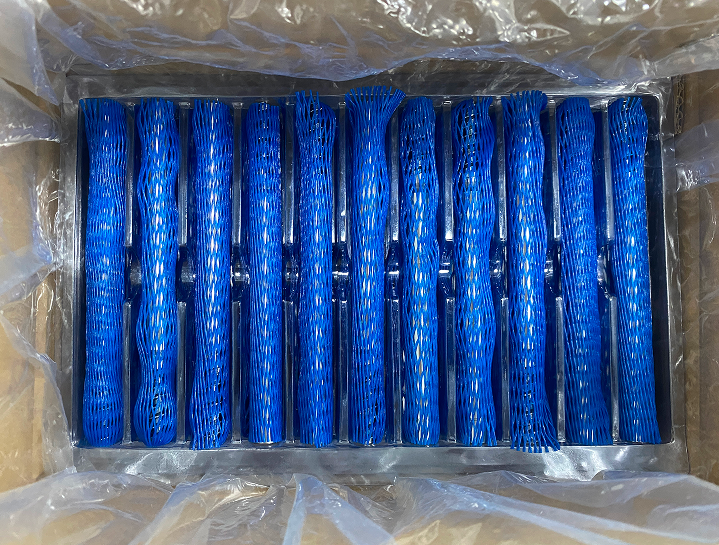

A drive shaft is a rotating mechanical shaft that transmits torque and rotational power from the driving component to driven equipment.
Watercraft of all types, including jet skis, speedboats, fishing boats and yachts, rely on watercraft drive shafts to transfer power from the engine to propellers or jet pumps. This solid metal rod links the engine and propulsion parts: as the engine rotates, the drive shaft spins together, turning the impeller or propeller to push water backward and propel the vessel forward.
Unlike drive shafts for land vehicles, marine shafts operate continuously in wet fresh or saltwater environments, bringing three core requirements: sufficient mechanical strength to withstand high engine torque (sometimes hundreds of horsepower), corrosion resistance (typically stainless steel or anti-corrosion coatings instead of ordinary steel), and precision dynamic balancing to avoid high-speed wobble, excessive vibration and premature wear of bearings and seals.
There are two primary designs:
- Jet drive watercraft (jet skis/PWCs): Short, straight drive shafts run inside the hull tube, connecting engine and jet pump impeller. Splines on both ends mate with engine coupling and impeller; dedicated seals prevent hull water ingress.
- Propeller-driven boats: Longer shafts extend from the gearbox/transmission through the hull bottom to the propeller. The propeller end features taper, keyway and threads for the propeller nut, with stuffing boxes or seal assemblies blocking water leakage.
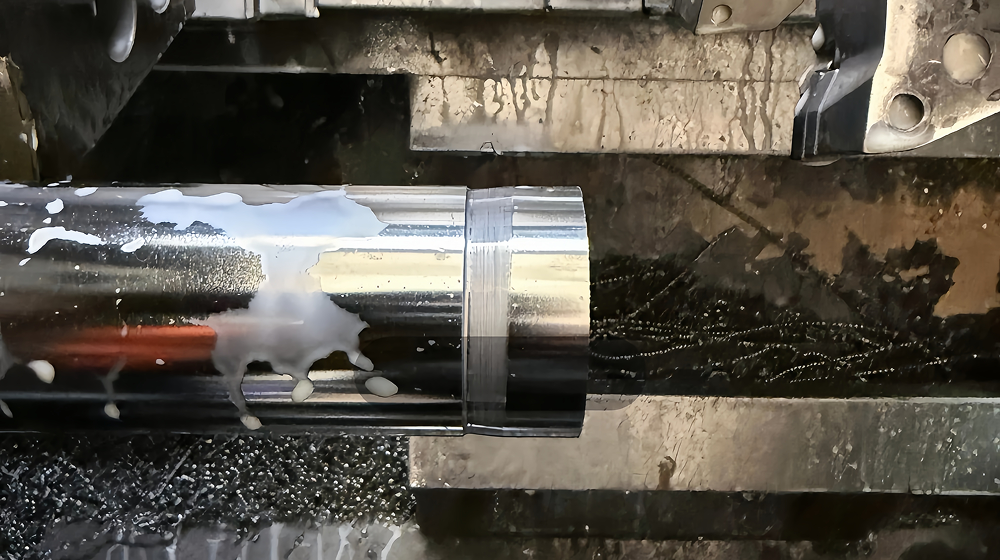
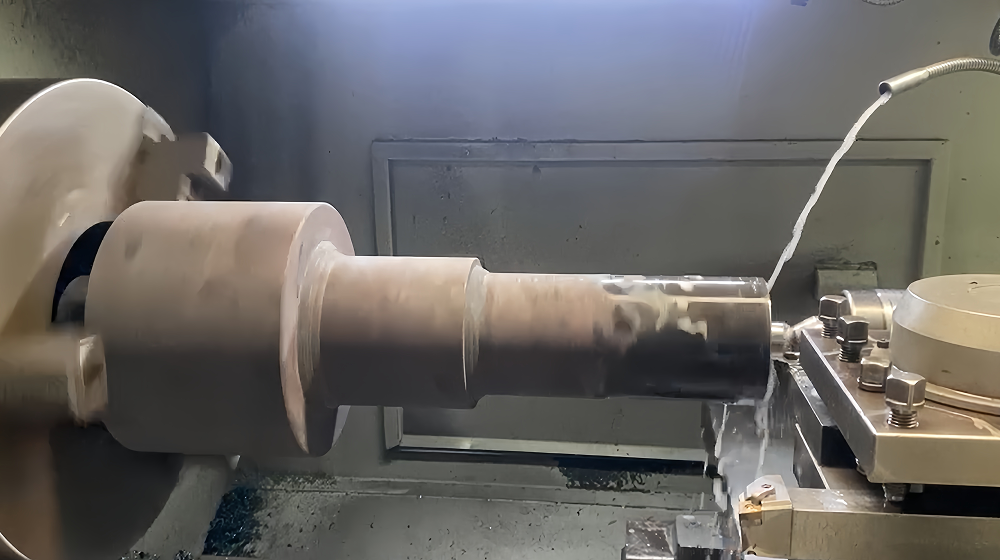
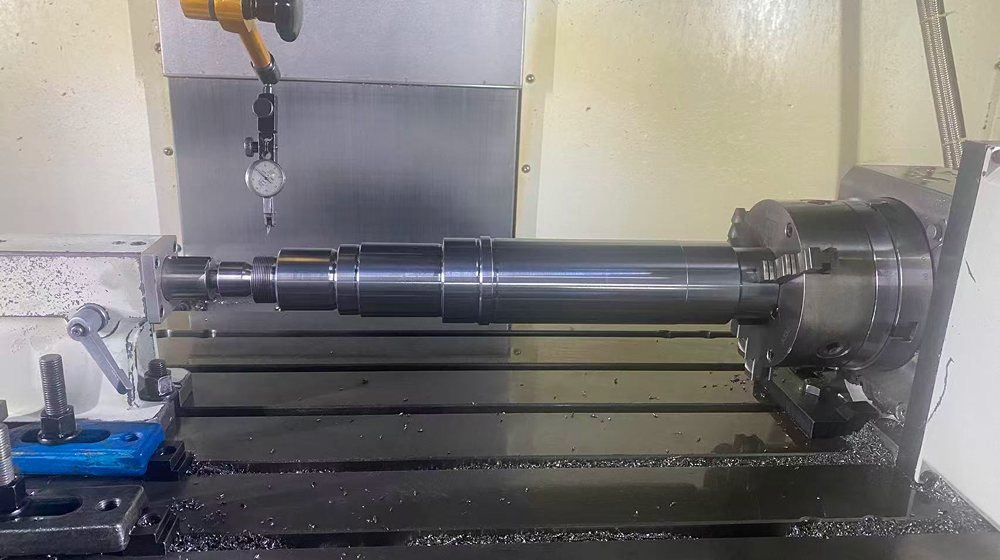
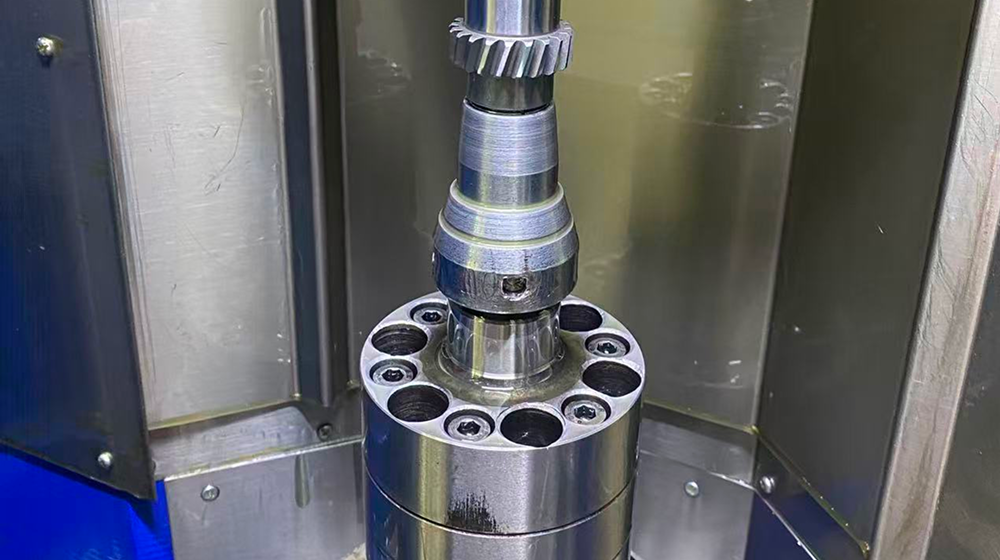
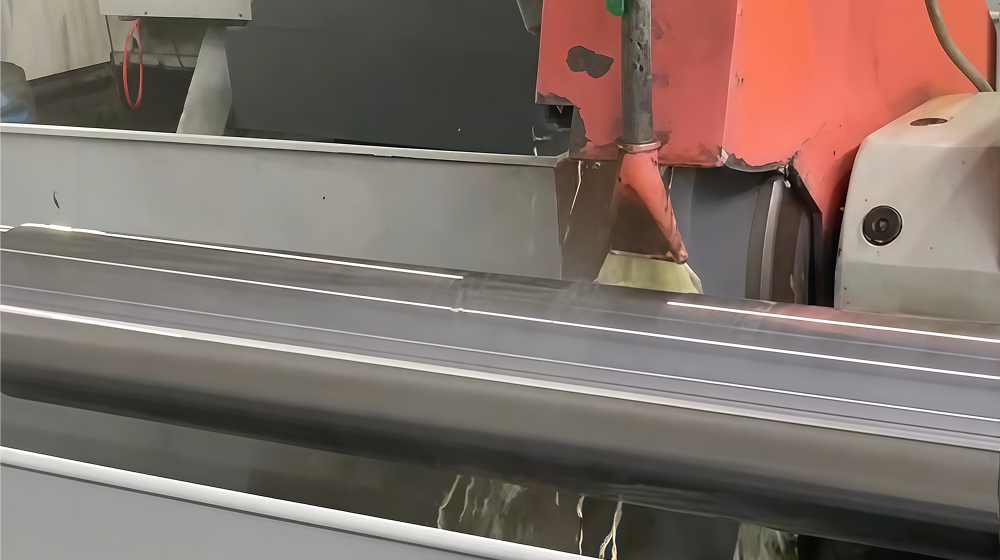
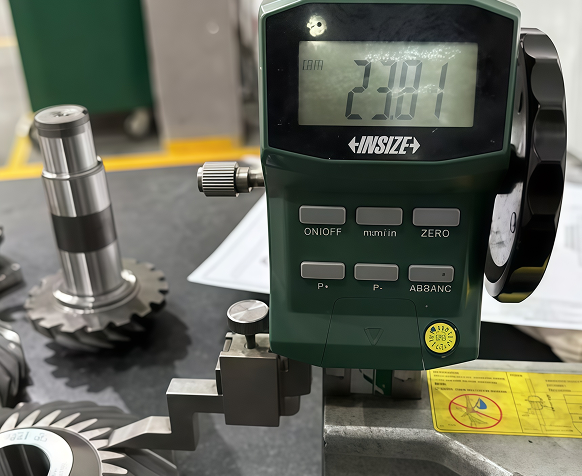
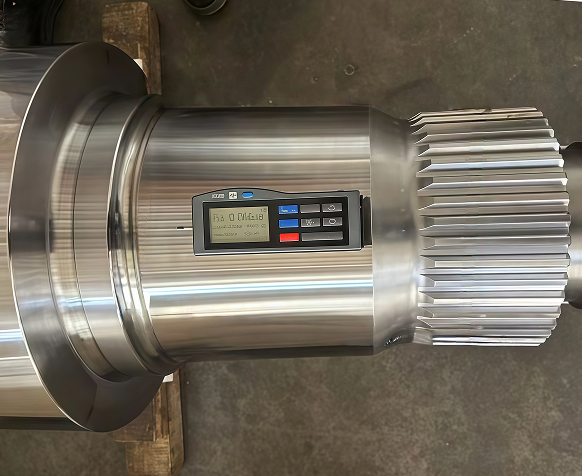
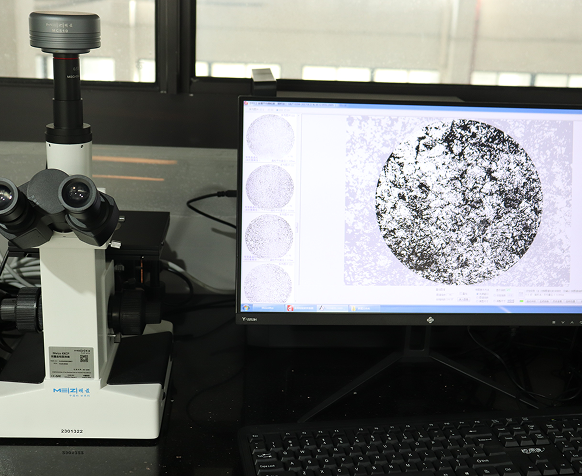
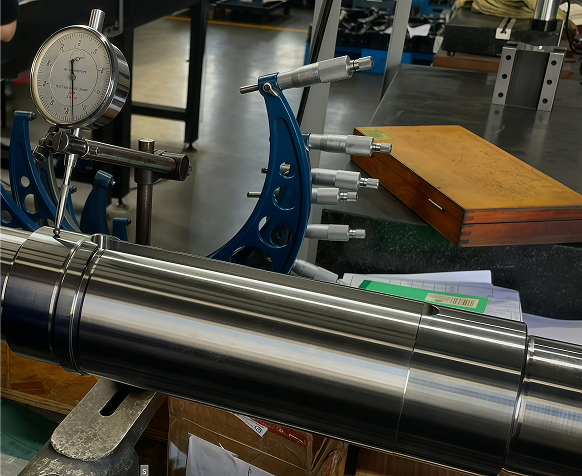
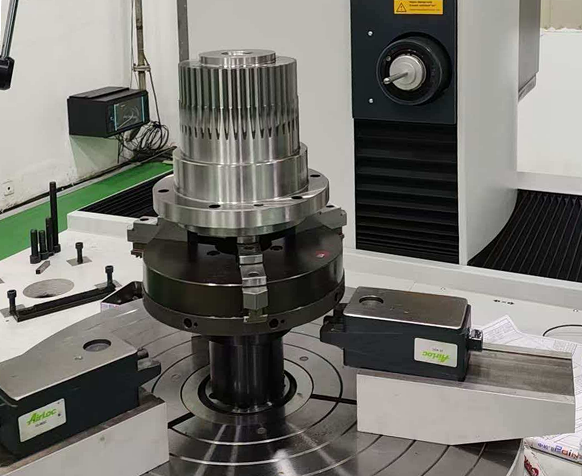
Manufacturing marine drive shafts demands high-precision machining. Raw materials are normally 17-4 PH or 316 stainless steel. Processes include sizing, spline cutting, grinding smooth bearing journals, polishing sealing surfaces, precision taper grinding and full dynamic balancing. BELON aims to manufacture reliable drive shafts working quietly and consistently, which delivers long-lasting performance in harsh aquatic conditions.