Belon-machinery-gear-manufacturing-company-gear-solutions-providerBelon-machinery-gear-manufacturing-company-gear-solutions-provider
Contact Us
lapped-gears-lapping-spiral-bevel-gear-custom-gear-manufacturer-Belon

Lapped Gears Bevel Gears

A lapping bevel gear is not a special type of gear. It is a standard bevel gear that has been finished using the lapping process. Lapped gears adopt a low-speed abrasive method that removes microscopic high spots from the tooth surface. The goal is not to change the gear’s dimensions or profile but to create a smooth, uniform contact pattern between mating gears. This matters because no cutting process produces a perfectly smooth surface. Every gear cut by face milling, face hobbing, or any other method leaves behind tiny ridges, feed marks, and irregularities. On a large module gear, these imperfections are small relative to the tooth size. On a small gear, the same imperfections become significant. They cause noise, vibration, localized stress, and premature wear.

The gear lapping process is simple in concept but requires careful control. The gear is assembled with its mating gear on a lapping machine. An abrasive compound – typically silicon carbide or aluminum oxide suspended in oil – is applied between the teeth. The gears are run together under controlled speed and pressure. The abrasive particles are harder than the gear material. As the gears rotate, these particles remove material only where the teeth make contact. High spots, which touch first and hardest, are removed first. As they disappear, more of the tooth surface comes into contact. The process continues until the contact pattern is uniform across the tooth width and height. A well-lapped gear shows a smooth, even pattern covering at least 60 percent of the tooth width and 50 percent of the tooth height.

The benefits of lapping are measurable and significant. Noise levels typically drop by 3 to 5 decibels. Vibration decreases proportionally. Contact stress is reduced because the load spreads across more surface area. Wear life extends by 30 to 50 percent or more. Break-in time – the period during which a new gear set must run at reduced load – is drastically shortened. A non-lapped large module gear set may require 50 to 100 hours of break-in. A lapped set can often go directly to full load. For heavy industry, where downtime costs thousands of dollars per hour, this reduction alone justifies the cost of lapping. For smaller gears, lapping delivers smoother operation and longer life at a modest cost increase. In short, lapping transforms a functional gear into a high-performance component.

Specification
Module
2.2
Application
Gearbox
Material
8620
Heat Treatment
Case hardening 58-62 HRC
Accuracy
DIN 7
Contact Us

Application – Lapping Process and Manufacturing Control


The lapping process does not exist in isolation. It is one step in a larger manufacturing sequence that includes cutting, heat treatment, inspection, and cleaning. Understanding how lapping fits into this sequence is essential for producing consistent, high-quality gears.

Cutting before lapping. Lapping is a finishing process, not a roughing operation. The gear must be properly cut before it reaches the lapping machine. For bevel gears, this typically means face milling or face hobbing on a dedicated cutting machine. The cutting process must produce a gear that is close to final dimensions – usually within 0.05 to 0.10 mm of target. Lapping cannot correct major errors in tooth spacing, runout, or profile. If the gear is badly cut, lapping will not save it. The rule is simple: cut well, then lap.

Heat treatment between cutting and lapping. For steel gears that require case hardening – such as 20MnCr5 or 8620 – heat treatment is performed after cutting but before lapping. The gear is carburized and hardened to 58-62 HRC. During heat treatment, distortion is inevitable. The gear may warp slightly. The tooth surfaces may develop scale or oxidation. Lapping after heat treatment serves two purposes: it removes surface irregularities caused by heat treatment, and it establishes the final contact pattern. The standard sequence is cut, heat treat, lap.

Lapping parameters. Key parameters require careful control. Lapping pressure is typically 10 to 30 kg per tooth contact. Higher pressure removes material faster but risks damaging the gear. Lapping speed is usually 200 to 500 RPM for large gears and higher for small gears. Abrasive type: silicon carbide for steel gears, aluminum oxide for softer materials. Grit size ranges from 120 to 600 mesh – coarser cuts faster but leaves a rougher finish, finer produces a smoother finish but takes longer. Cycle time: small gears may lap in 2 to 3 minutes; large module gears may require 10 to 20 minutes or more.

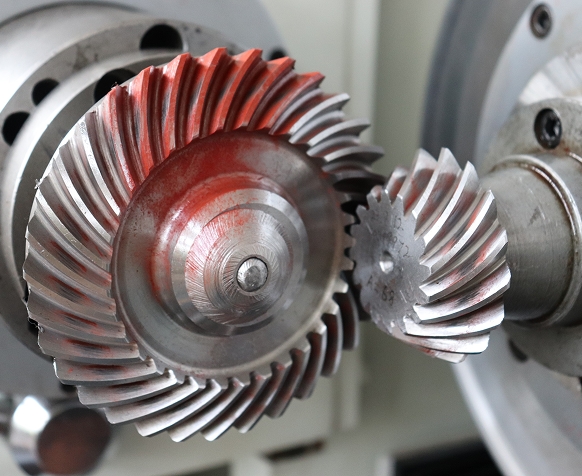
Inspection after lapping. The standard method uses marking compound. The inspector applies a thin layer to the gear teeth, runs the gear against its mating gear under light load, and examines the contact pattern. A good lapped gear shows a smooth, uniform pattern centered on the tooth face, not running off the edges.

Cleaning after lapping. This step is critical and often underestimated. Lapping leaves abrasive particles embedded in the tooth surface. If not removed, these particles will continue to wear the gear in service. Cleaning typically involves high-pressure washing, solvent baths, and ultrasonic cleaning for small gears. Large gears may require multiple cleaning cycles. Some manufacturers use a separate break-in lap with a soft abrasive followed by thorough cleaning.

Common defects. Edge loading – contact concentrated at tooth edges – indicates incorrect lapping pressure or misalignment. Uneven patterns across teeth suggest runout or spacing errors from cutting. Scratches or gouges indicate contaminated abrasive or excessive pressure. Each defect has a known cause and a known fix. When cutting, heat treatment, lapping parameters, inspection, and cleaning are all properly executed, lapping produces bevel gears that run smoother, quieter, and longer than cut gears alone.

lapped-gears-custom-gear-manufacturer-Belon
Production process

9-Step Production Process

Forging
Turning
Gear Milling
Heat Treatment
ID & OD Grinding
CNC Machining
Gear Lapping
Marking
Clean & Package
1
2
3
4
5
6
7
8
9
High-precision-forging-gear-production-process-Belon-China-manufacturer

Forging

When gears need high performance that needs to withstand high loads, high stress, impact loads or fatigue loads, forgings are suggested to use. Forging allows metal fibers to be continuously distributed along the gear profile, significantly improving root strength and fatigue life.
High-precision-turning-gear-production-process-Belon-manufacturer

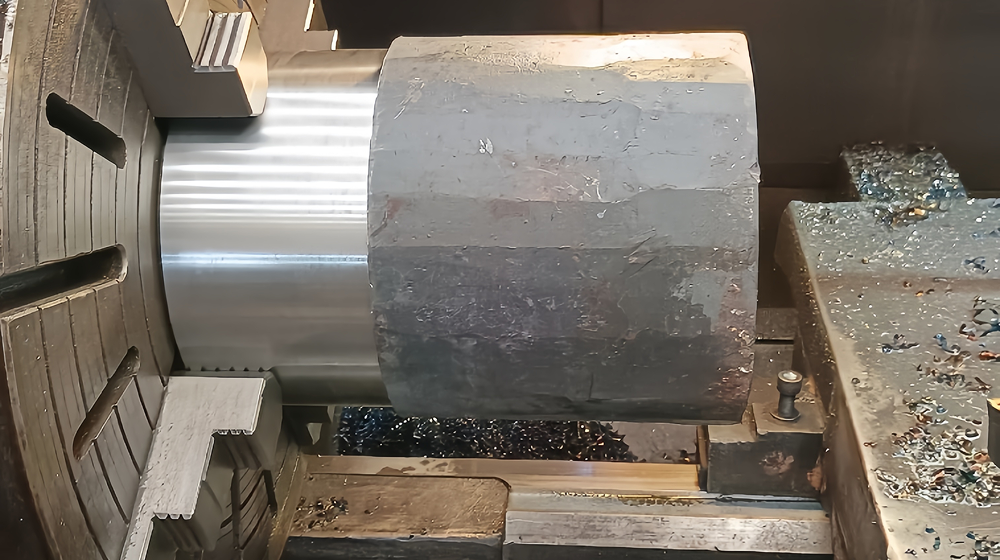
Turning

This is the process of cutting and shaping solid materials into precise parts. It uses tools like lathes, mills, and drills to remove excess material. Machining transforms a simple block of metal into a finished, functional component.
Large-module-lapping-bevel-gear-custom-gear-manufacturer-gear-supplier-Belon

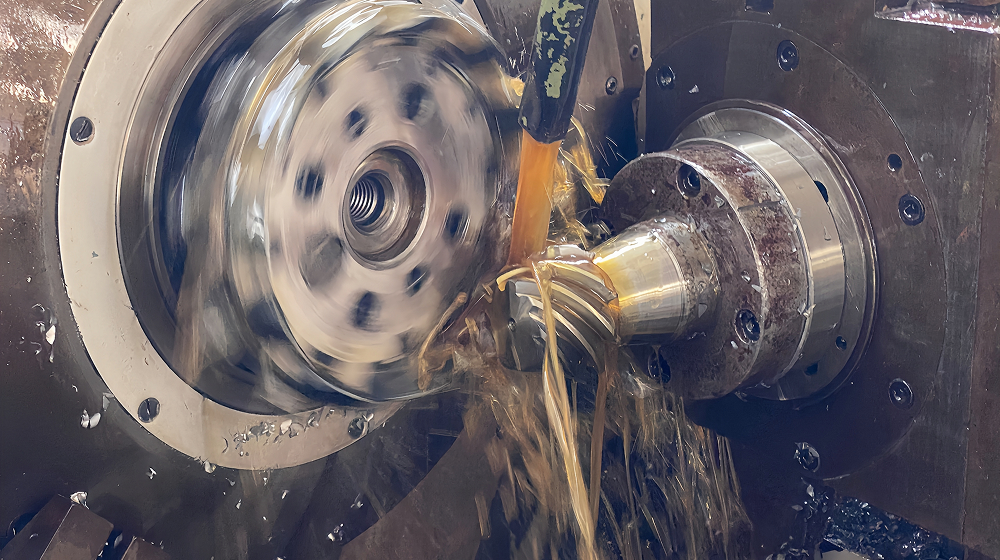
Gear Milling

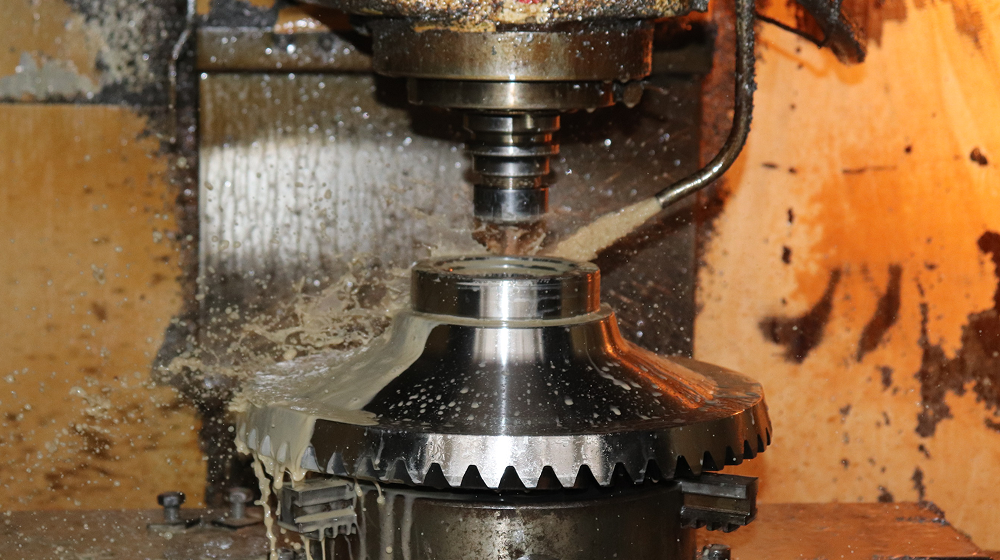
Gear Milling is a gear cutting process that used a rotating from cutter shaped to match the exact space between two gear teeth is plunged into the gear blank. After cutting one tooth space, the blank is indexed to the next position .
Gear-Heat-Treatment-process-Belon-gear-manufacturer

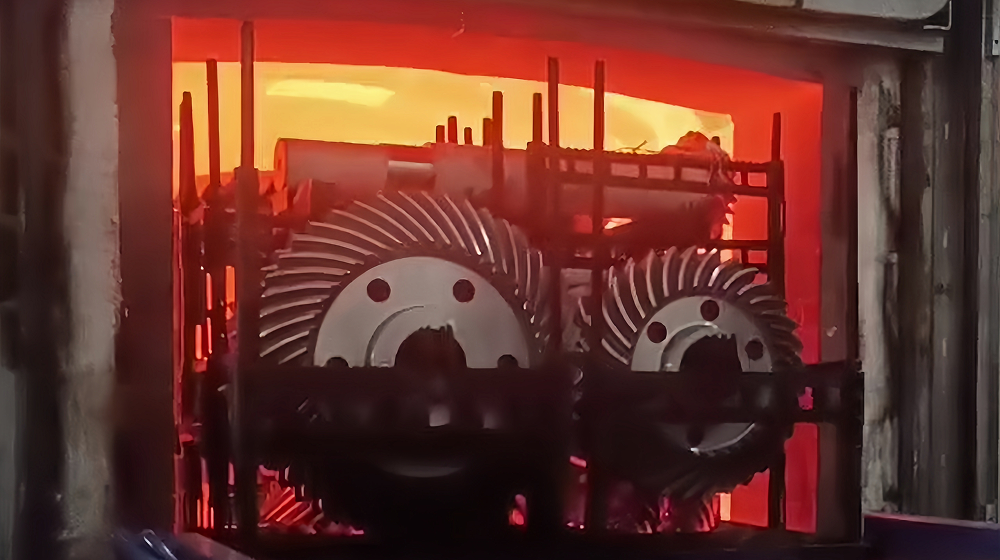
Heat Treatment

Gears need to be running with two gears or above two gears, that makes them easy to be worn-out. That’s why most types of gears need to be harden through heat treatment.
Large-module-lapping-bevel-gear-OD-grinding-process-gear-manufacturer-Belon

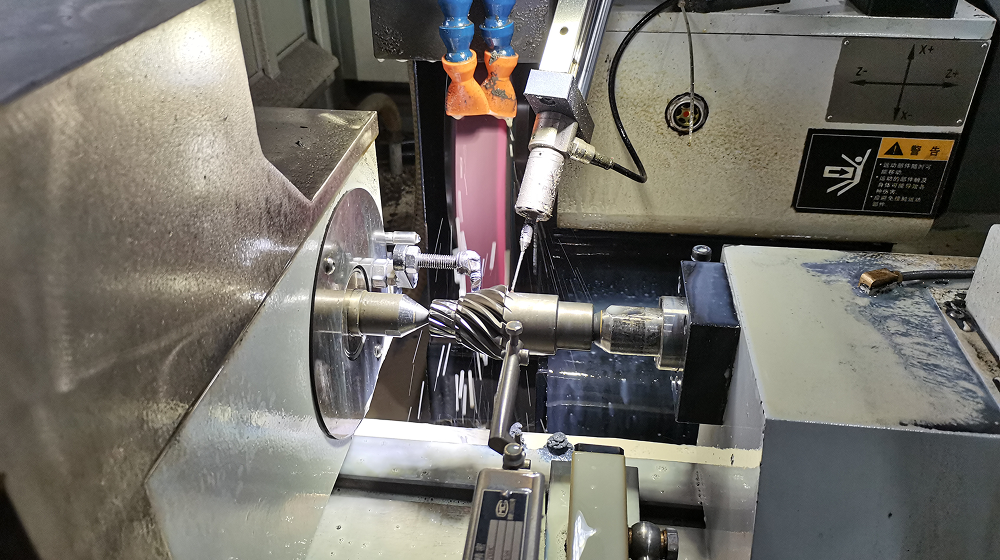
ID & OD Grinding

ID grinding, OD grinding, Surface grinding are all belonging to CNC grinding which are the foundational precision abrasive machining processes used to achieve exceptional dimensional accuracy and surface finishes, especially on hardened materials.
Lapping-bevel-gear-Lapped-bevel-gear-supplier-custom-gear-manufacturer-Belon

CNC Machining

CNC machining is a an automated manufacturing process controlled by pre-programmed computer software and code. Normally gears are designed in CAD software. CAM software translates the CAD model into G-Code, a machine language that dictates tools paths, speeds, feeds, and all movements.
Lapping-bevel-gear-supplier-custom-gear-manufacturer-gear-lapping-process-Belon

Gear Lapping

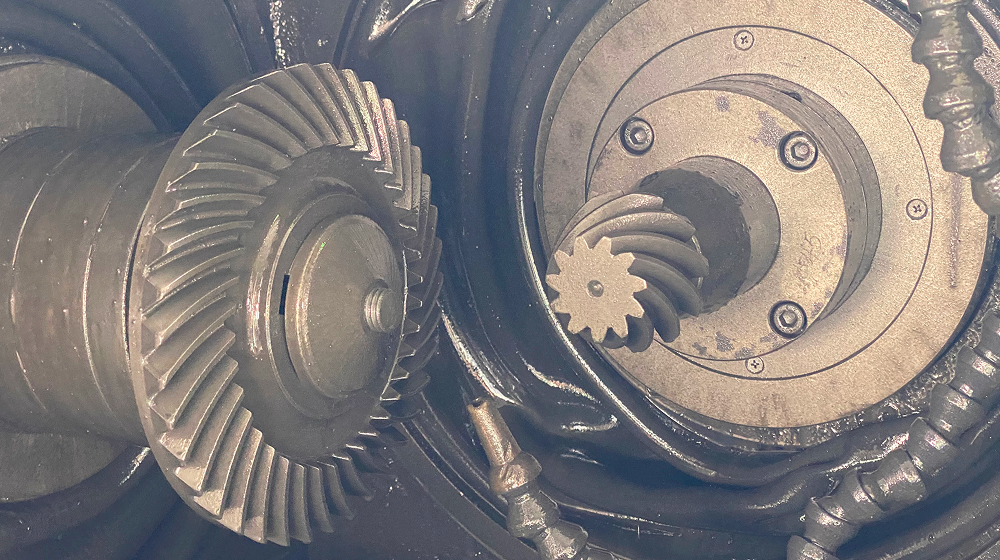
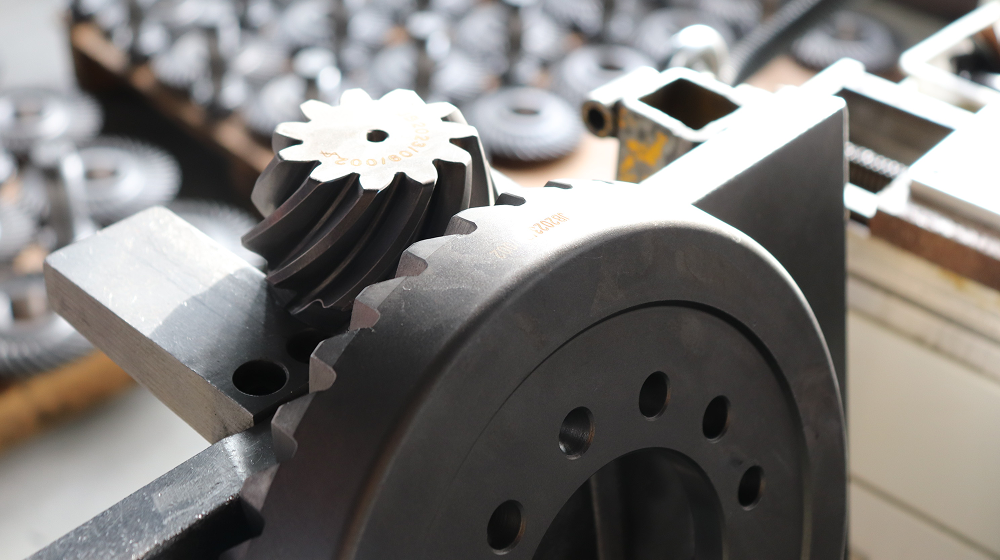
Gear lapping is a process for for finishing hardened bevel gears under gleason profile. This process can greatly improve surface finish and noise, however which could not correct geometric errors. It’s often done in paired sets (gears are lapped together and must remain matched). That is usual to use in high-volume bevel gears, where quiet operation is paramount.
Marking-process-straight-bevel-gear-supplier-custom-gear-manufacturer-Belon

Marking

Precision laser marking permanently engraves traceability data (part numbers, date codes, logos) onto gears, ensuring reliable identification and quality tracking throughout the product lifecycle.
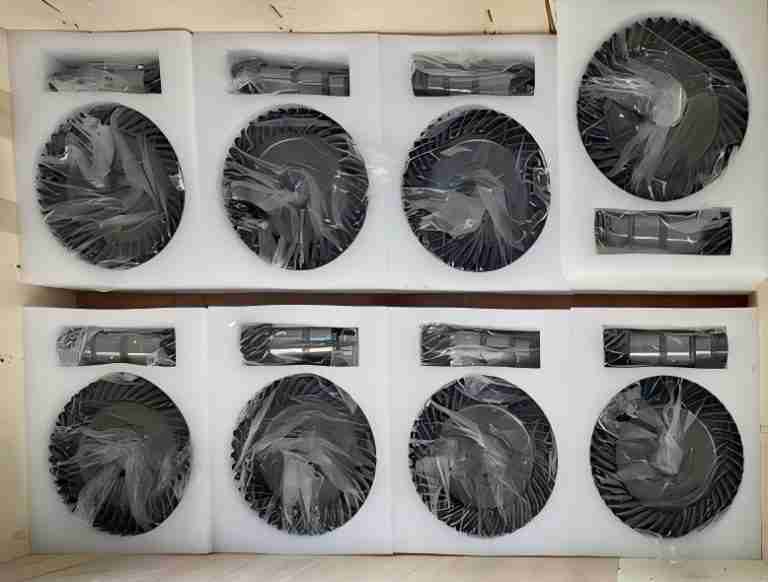
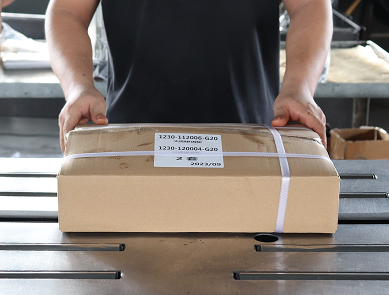
Carton-outside-straight-bevel-gear-manufacturer-gear-solutions-Belon

Clean & Package

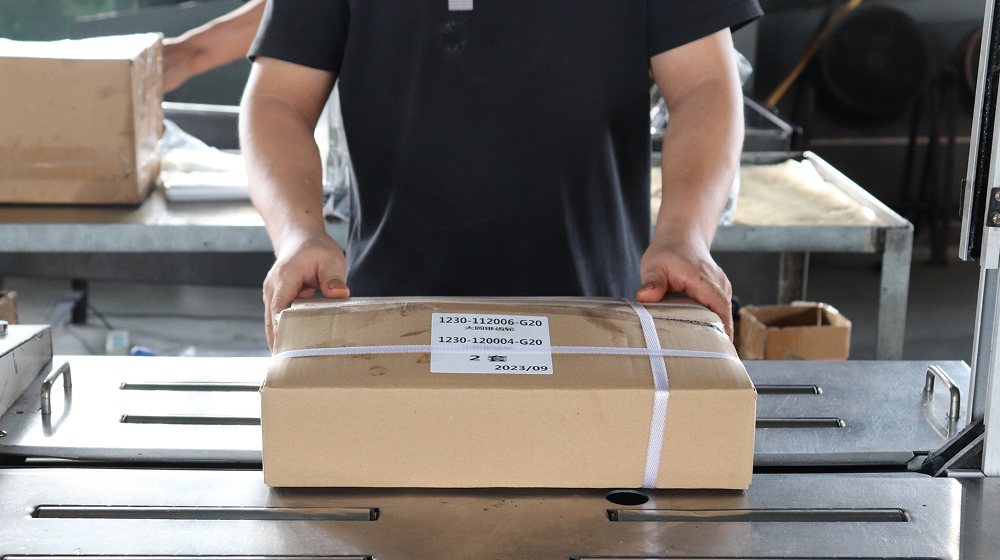
Before shipment, every gear is carefully cleaned, dried, and rust-protected – ensuring they arrive in optimal condition, ready for immediate installation.
Inspection

Strict Quality Inspection

Dimension-inspection-gear-manufacturing-process-equipment-Belon

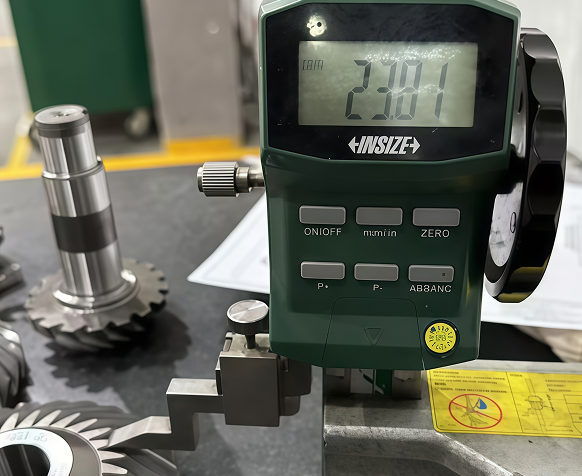
Dimension Inspection

Material-testing-gear-manufacturing-process-equipment-Belon

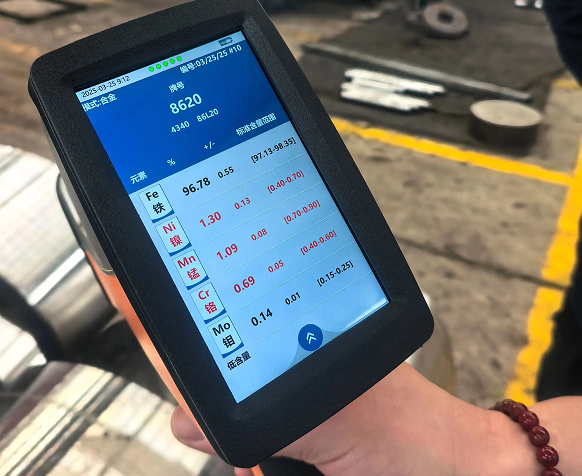
Material Testing

Hardness-inspection-gear-manufacturing-process-belon

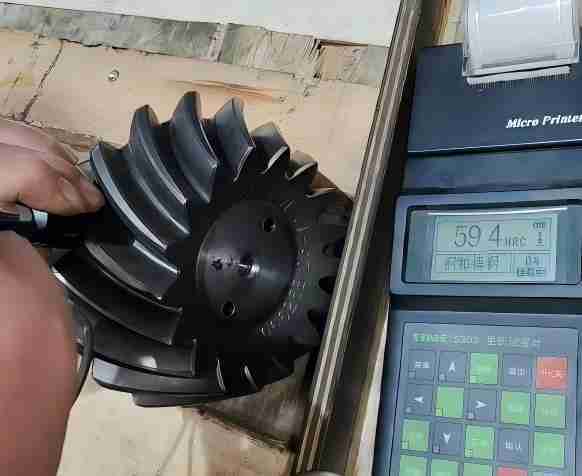
Hardness Inspection

Heat-treatment-testing-gear-manufacturing-quality-control-process-Belon

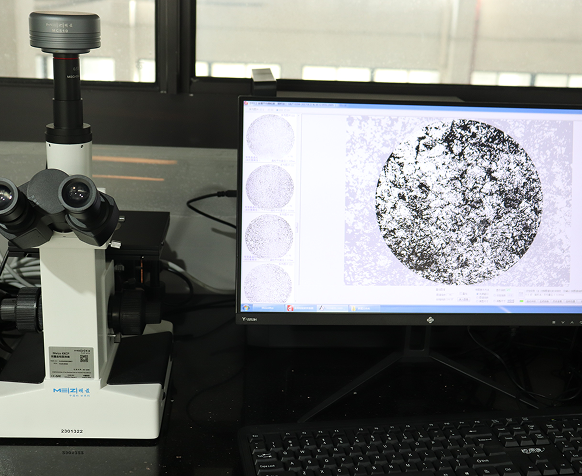
Heat Treatment Testing

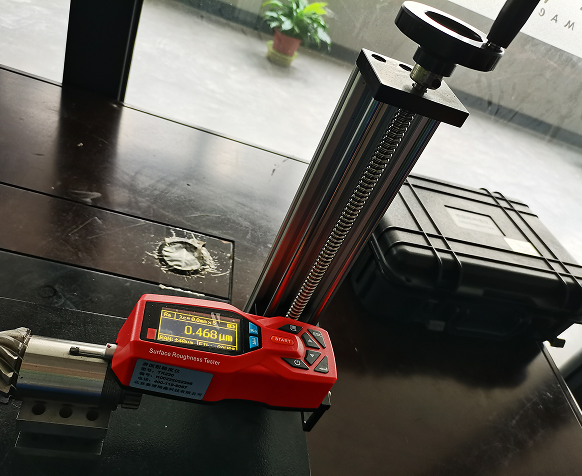
Roughness-test-lapped-bevel-gear-manufacturing-company-gear-supplier-Belon

Roughness Testing

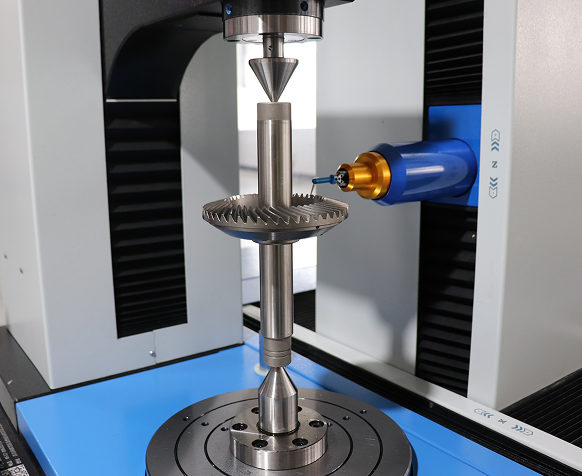
Accuracy-inspection-lapped-bevel-gear-manufacturing-company-Belon

Accuracy Inspection

Lapped-bevel-gear-meshing-testing-gear-manufacturing-company-Belon

Meshing Testing

Dimension-inspection-gear-manufacturing-process-equipment-Belon

Dimension Inspection

Material-testing-gear-manufacturing-process-equipment-Belon

Material Testing

Hardness-inspection-gear-manufacturing-process-belon

Hardness Inspection

Heat-treatment-testing-gear-manufacturing-quality-control-process-Belon

Heat Treatment Testing

Roughness-test-lapped-bevel-gear-manufacturing-company-gear-supplier-Belon

Roughness Testing

Accuracy-inspection-lapped-bevel-gear-manufacturing-company-Belon

Accuracy Inspection

Lapped-bevel-gear-meshing-testing-gear-manufacturing-company-Belon

Meshing Testing

Packages

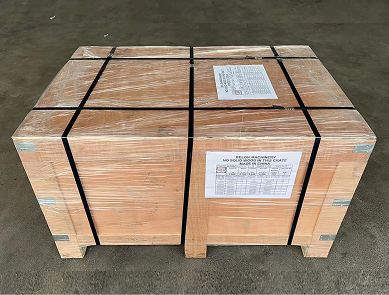
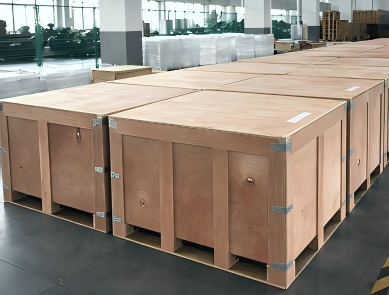
Professional Packaging Safe Arrival

Customized cost-effective packages for products protection. We select multi-model solutions, combining air, sea, or land freight for the optimal balance of cost, speed, and reliability.
Gear-product-inner-package-custom-gear-manufacturer-Belon

Inner Package

Crate-straight-bevel-gear-custom-gear-manufacturer-gear-solutions-Belon

Out Package

Carton-Package-Gear-Manufacturing-Company-Belon

Carton

Wooden-package-gear-manufacturer-gear-solutions-Belon

Wooden Package

Similar products

You May Be Interested In

spiral-bevel-gear-for-harvester-belon-machinery

Spiral Bevel Gear For Harvester

  • Material: 20CrMo
  • Heat treatment: HRC 58-62
  • Accuracy: GB/T 10095
bevel-gear-set-used-in-gearbox-supplier-belon-machinery

Bevel Gear Set Used In Gearbox

  • Material: 18CrNiMo7-6
  • Heat treatment: Carburizing 58-62HRC
  • Accuracy: DIN 8
spiral-bevel-gear-set-for-gearbox-custom-gear-belon

Spiral Bevel Gear Set For Gearbox

  • Material: 18CrNiMo7-6
  • Heat treatment: Carburizing 58-62HRC
  • Accuracy: DIN 8
heavy-duty-gears-lapped-bevel-gears-custom-gear-belon

Heavy Duty Gear

  • Material: 20CrMnTi
  • Heat treatment: Carburization 58-62HRC
  • Accuracy: DIN 8
View all product

Your Precision
Transmission Partner

Do you have drawings to be implemented, or problems to be solved? Please feel free to contact us. From initial inquiry and technical specification confirmation to production and delivery, our dedicated team will provide you with one-on-one service, ensuring that every step meets your stringent requirements for precision.
Contact Us