Belon-machinery-gear-manufacturing-company-gear-solutions-providerBelon-machinery-gear-manufacturing-company-gear-solutions-provider
Contact Us
heavy-duty-gears-lapped-bevel-gears-custom-gear-belon

Heavy Duty Gear

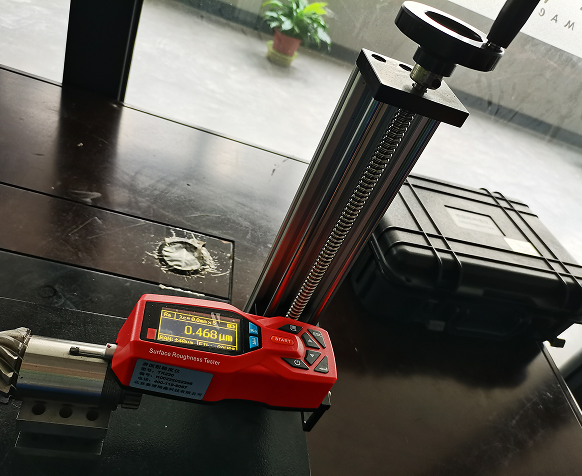
Lapped bevel gears represents a sophisticated surface finishing process that fundamentally transforms the functional performance of heavy duty gear sets by refining tooth surfaces to exceptional smoothness and establishing geometric harmony that conventional cutting operations alone cannot achieve. The process involves applying a precisely formulated abrasive compound, typically composed of silicon carbide or aluminum oxide particles suspended in a specialized carrier fluid, between the mating teeth of a bevel gear pair, and then rotating the gears together under controlled load and speed parameters, allowing the abrasive particles to roll and slide across the tooth flanks, microscopically removing minute peaks and irregularities while establishing an intimately matched contact interface between the two gears. This self-correcting mechanism is one of the most remarkable aspects of lapping, because the process inherently tends to produce a heavy duty gear pair that meshes optimally with each other under real-world operating conditions, rather than merely adhering to theoretical geometric standards, which means the finished gear set exhibits a contact pattern that distributes load uniformly across the tooth width and eliminates high-pressure concentrations that would otherwise initiate premature surface fatigue in heavy-load applications. The lapping operation is typically performed in multiple stages, beginning with coarser abrasives for rapid stock removal and surface leveling, followed by progressively finer compounds that refine the surface to near-mirror finishes with roughness values consistently below 0.4 microns Ra, and throughout this sequence, operators carefully monitor parameters such as lapping pressure, rotational speed, cycle duration, and compound flow rate to achieve the optimal balance between material removal and surface integrity for each specific gear geometry and material grade.

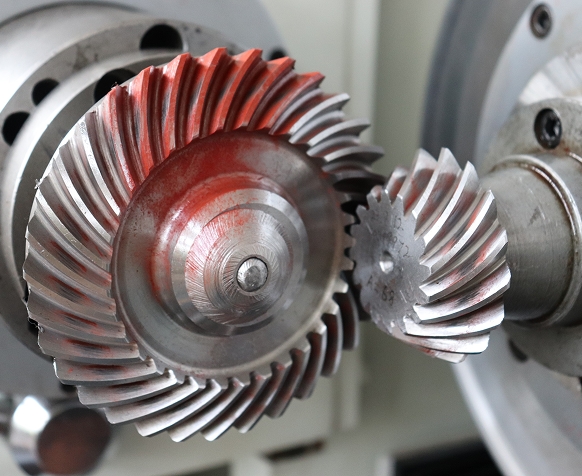
One of the most critical control elements in the lapping process is the contact pattern inspection, where specialized marking compounds are applied to the gear teeth to reveal the actual contact area under simulated load conditions, enabling operators to precisely adjust lapping parameters until the contact pattern matches predetermined specifications that guarantee optimal performance under real operating loads, shaft deflections, and housing deformations. The abrasive compounds used in industrial lapping are available in a broad spectrum of grit sizes and chemical compositions, allowing manufacturers to tailor the process to different gear materials ranging from conventional alloy steels to case-hardened grades and even powder metal components, each requiring specific abrasive characteristics to achieve efficient cutting without damaging the tooth profiles or introducing surface anomalies. Unlike grinding, which relies on rigid wheels and can introduce localized heat damage or micro-cracks if improperly applied, lapping employs free-flowing abrasives that act gently upon the tooth surfaces, producing a beneficial compressive residual stress layer that actually enhances surface fatigue resistance rather than compromising it, a characteristic that makes lapping particularly advantageous for hardened gears where surface integrity is paramount in demanding mining applications. The benefits of lapping extend beyond surface finish alone, as the process also effectively reduces runout, improves tooth-to-tooth spacing consistency, and eliminates harmful edge burrs that could generate unwanted stress risers during operation, all while preserving the basic tooth geometry established by prior cutting operations. While lapping demands specialized equipment, skilled operators, and rigorous process monitoring, the investment is thoroughly justified by the dramatic performance improvements it delivers in heavy industrial settings, including reduced friction losses, lower operating temperatures, extended lubricant life, quieter operation, and substantially increased gear durability, making it an indispensable finishing technology for mining conveyors, crusher drives, and other applications where reliability and longevity are non-negotiable.

Specification
Module
5.4
Application
Gearbox
Material
20CrMnTi
Heat Treatment
Carburization 58-62HRC
Accuracy
DIN 8
Contact Us

Lapping Bevel Gears in Mining Conveyor Gearboxes


In the demanding world of underground and open-pit mining operations, conveyor systems serve as the circulatory system of material transport, and the application of lapped bevel gears within these critical gearboxes has become a defining factor in achieving the exceptional reliability and extended service life that modern mining operations demand. Mining conveyor gearboxes, whether employed in overland belt systems, slope conveyors, feeder breakers, or stacker-reclaimer drives, are typically subjected to continuous operation under heavy loads, often running 24 hours a day in environments characterized by high dust concentrations, moisture ingress, temperature extremes, and severely limited access for maintenance interventions, and it is precisely under these challenging conditions that the benefits of lapped bevel gears become most valuable. The lapping process, by refining tooth surfaces to roughness values below 0.4 microns Ra and establishing optimal contact patterns that distribute load uniformly across the entire tooth width, dramatically reduces frictional losses and localized stress concentrations that are the primary causes of premature gear failure in heavy-duty reducer applications, effectively extending operational lifespan by factors that often exceed 200 percent compared to non-lapped gears operating under identical conditions. This extended durability translates directly into reduced downtime for maintenance and replacement, which is one of the most significant economic considerations in mining operations where every hour of unplanned stoppage can result in substantial production losses, costly emergency repairs, potential safety hazards, and contractual penalties for unfulfilled delivery commitments, and mine maintenance managers consistently report that the premium investment in lapped bevel gears is recovered many times over through improved uptime.

The superior surface finish also contributes to lower operating temperatures within the gearbox housing, because reduced friction generates less heat during meshing, which extends lubricant service life, minimizes thermal degradation of seals and bearings, and prevents oil viscosity breakdown that accelerates wear across the entire drive train, creating a positive cascade of reliability improvements throughout the conveyor system. The noise and vibration reduction characteristics imparted by lapped bevel gears are particularly beneficial in underground mining environments where gearboxes are installed within confined spaces in proximity to workers, as quieter operation contributes to occupational health by reducing noise exposure, facilitates easier detection of other mechanical anomalies that might otherwise be masked by excessive gear noise, and protects sensitive monitoring instrumentation installed on the same structural supports. Contact pattern optimization achieved through lapping is especially critical in mining conveyors where shaft deflections, housing deformations, and thermal expansions under full load can significantly alter meshing geometry, and the lapping process can be precisely tailored to produce patterns that accommodate these real-world deflections, ensuring proper load distribution even under maximum torque conditions during belt startup and emergency braking events. In applications such as long overland conveyors or underground slope belts where shock loads from sudden material surges or belt ripples are common, the enhanced surface integrity and compressive residual stress layer imparted by lapping provide additional resistance to impact damage and crack initiation, giving mine operators greater confidence in their critical material transport equipment.

Precision lapping also enables conveyor gearboxes to achieve higher power density, meaning that for a given gear size, lapped gears can transmit greater torque safely, allowing equipment designers to specify more compact reducer packages that save valuable underground space without sacrificing performance or reliability. The consistency of lapped gear sets is another significant advantage where multiple conveyors operate in parallel or spare gearbox assemblies must be interchangeable, because the controlled lapping process produces pairs with highly uniform contact patterns, ensuring replacement gears perform identically to originals and eliminating time-consuming trial-and-error fitting during scheduled maintenance outages. Ultimately, for maintenance engineers and operations managers responsible for heavy mining conveyor systems, specifying lapped bevel gears represents a proven strategy for achieving the combination of strength, smoothness, and longevity that keeps production moving and maximizes return on capital equipment investments in one of the most challenging industrial environments on earth.

Production process

9-Step Production Process

Forging
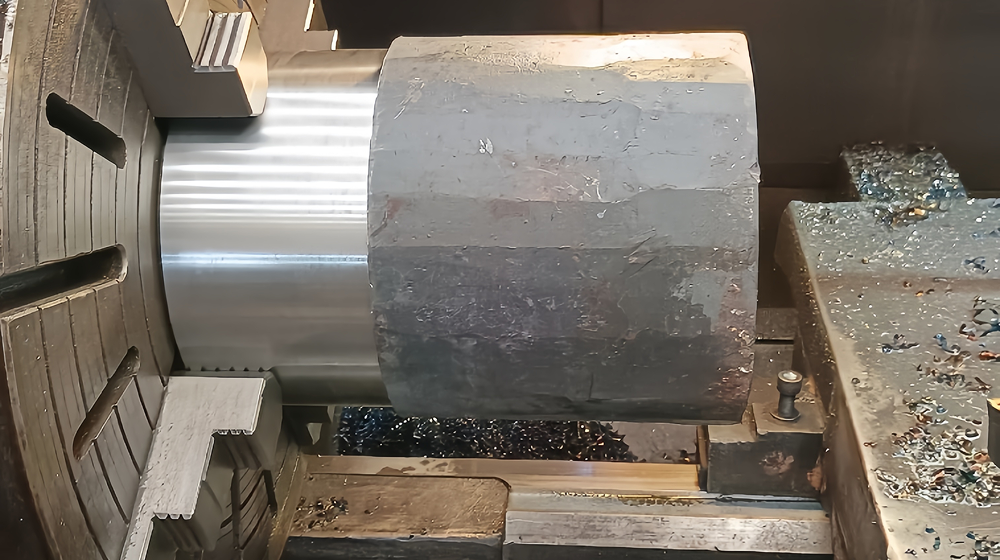
Turning
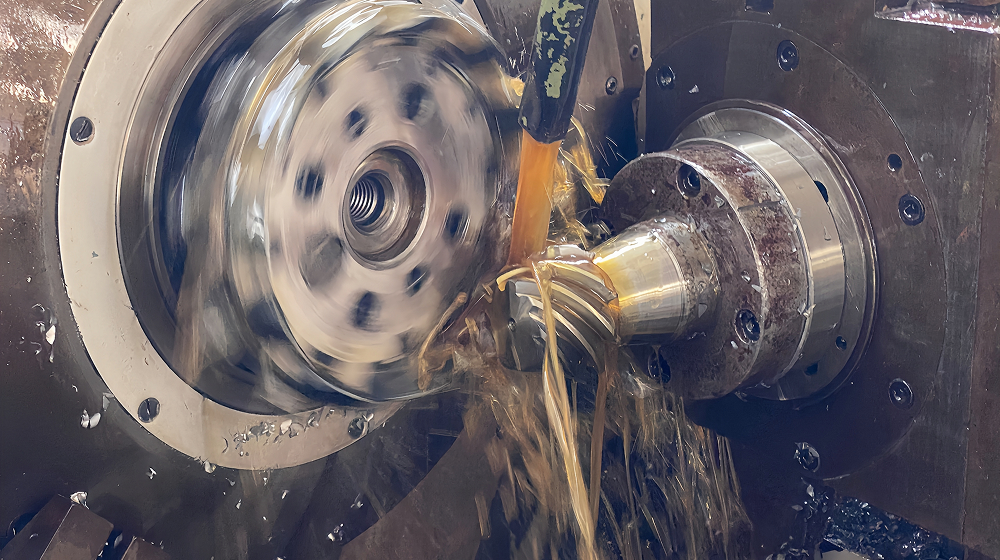
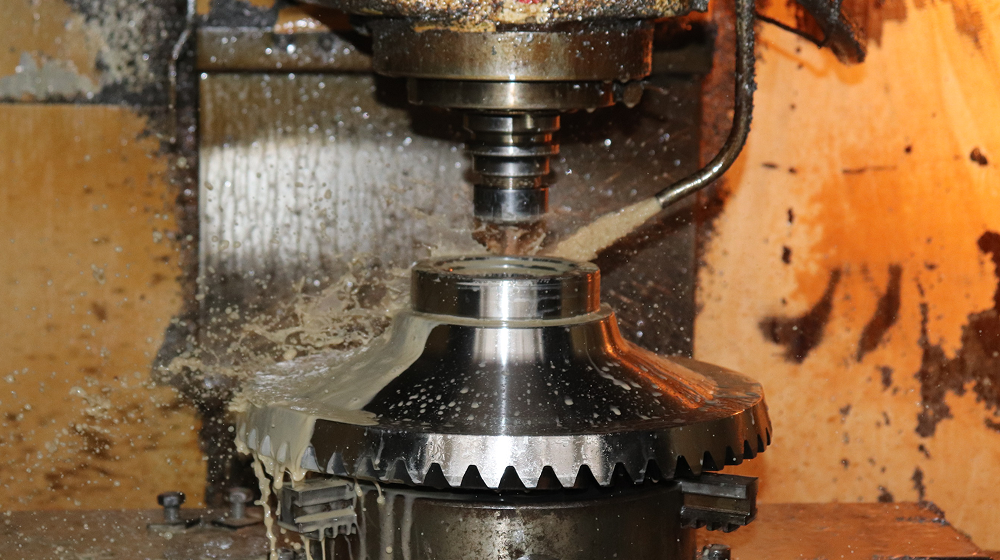
Gear Milling
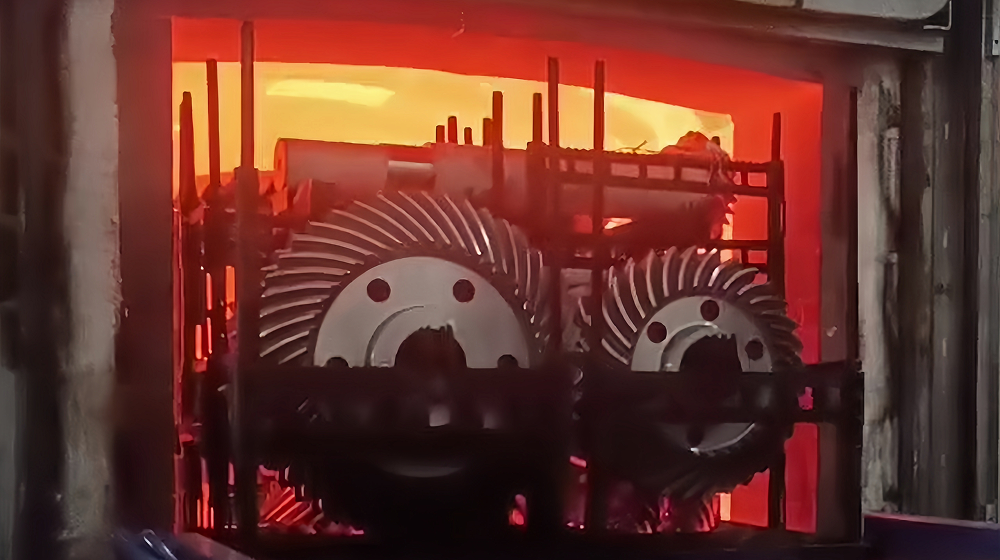
Heat Treatment
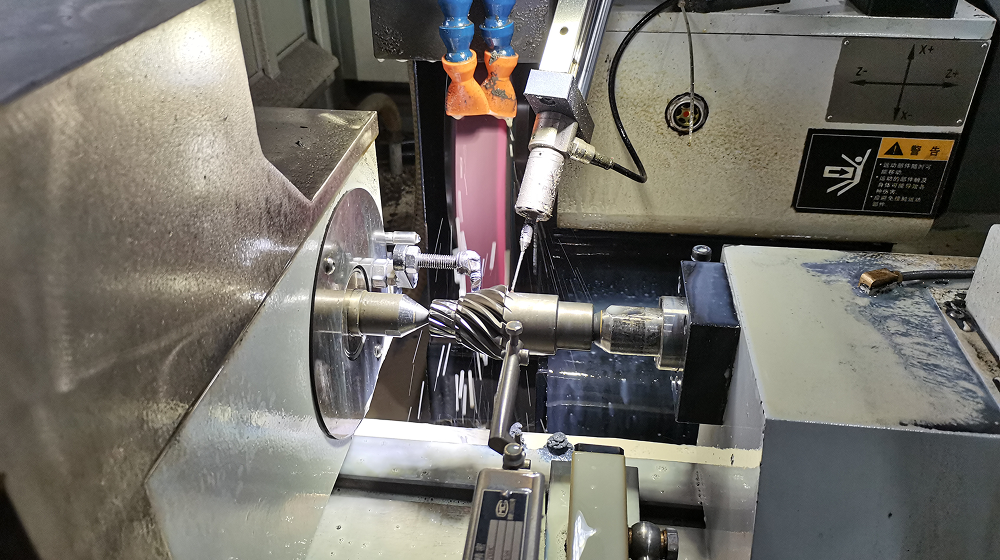
ID & OD Grinding
CNC Machining
Gear Lapping
Marking
Clean & Package
1
2
3
4
5
6
7
8
9
High-precision-forging-gear-production-process-Belon-China-manufacturer

Forging

When gears need high performance that needs to withstand high loads, high stress, impact loads or fatigue loads, forgings are suggested to use. Forging allows metal fibers to be continuously distributed along the gear profile, significantly improving root strength and fatigue life.
High-precision-turning-gear-production-process-Belon-manufacturer

Turning

This is the process of cutting and shaping solid materials into precise parts. It uses tools like lathes, mills, and drills to remove excess material. Machining transforms a simple block of metal into a finished, functional component.
Large-module-lapping-bevel-gear-custom-gear-manufacturer-gear-supplier-Belon

Gear Milling

Gear Milling is a gear cutting process that used a rotating from cutter shaped to match the exact space between two gear teeth is plunged into the gear blank. After cutting one tooth space, the blank is indexed to the next position .
Gear-Heat-Treatment-process-Belon-gear-manufacturer

Heat Treatment

Gears need to be running with two gears or above two gears, that makes them easy to be worn-out. That’s why most types of gears need to be harden through heat treatment.
Large-module-lapping-bevel-gear-OD-grinding-process-gear-manufacturer-Belon

ID & OD Grinding

ID grinding, OD grinding, Surface grinding are all belonging to CNC grinding which are the foundational precision abrasive machining processes used to achieve exceptional dimensional accuracy and surface finishes, especially on hardened materials.
Lapping-bevel-gear-Lapped-bevel-gear-supplier-custom-gear-manufacturer-Belon

CNC Machining

CNC machining is a an automated manufacturing process controlled by pre-programmed computer software and code. Normally gears are designed in CAD software. CAM software translates the CAD model into G-Code, a machine language that dictates tools paths, speeds, feeds, and all movements.
Lapping-bevel-gear-supplier-custom-gear-manufacturer-gear-lapping-process-Belon

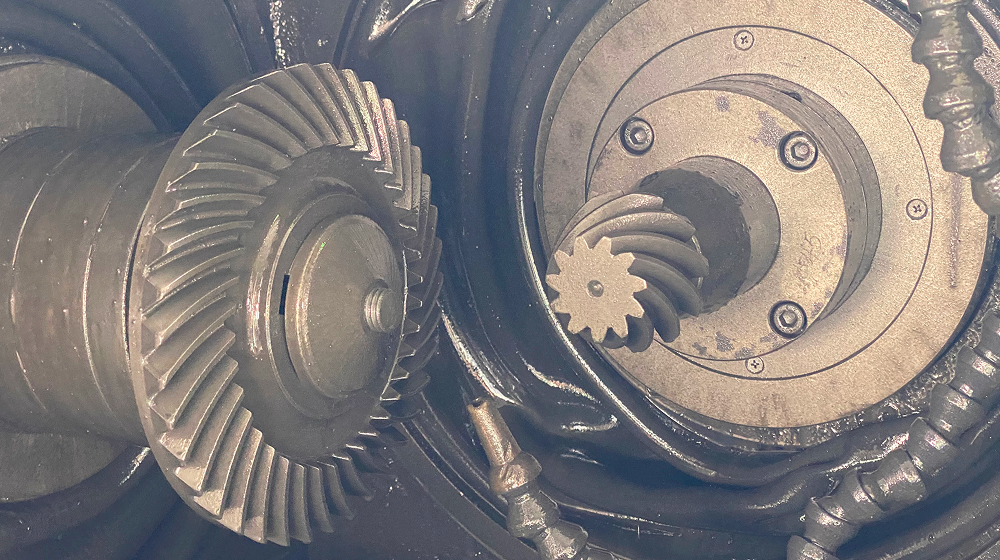
Gear Lapping

Gear lapping is a process for for finishing hardened bevel gears under gleason profile. This process can greatly improve surface finish and noise, however which could not correct geometric errors. It’s often done in paired sets (gears are lapped together and must remain matched). That is usual to use in high-volume bevel gears, where quiet operation is paramount.
Marking-process-straight-bevel-gear-supplier-custom-gear-manufacturer-Belon

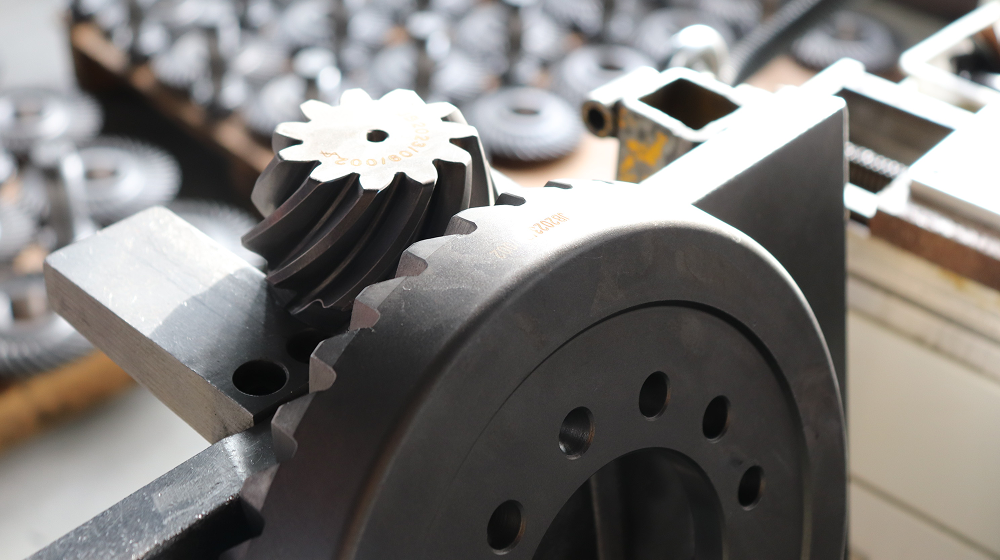
Marking

Precision laser marking permanently engraves traceability data (part numbers, date codes, logos) onto gears, ensuring reliable identification and quality tracking throughout the product lifecycle.
Carton-outside-straight-bevel-gear-manufacturer-gear-solutions-Belon

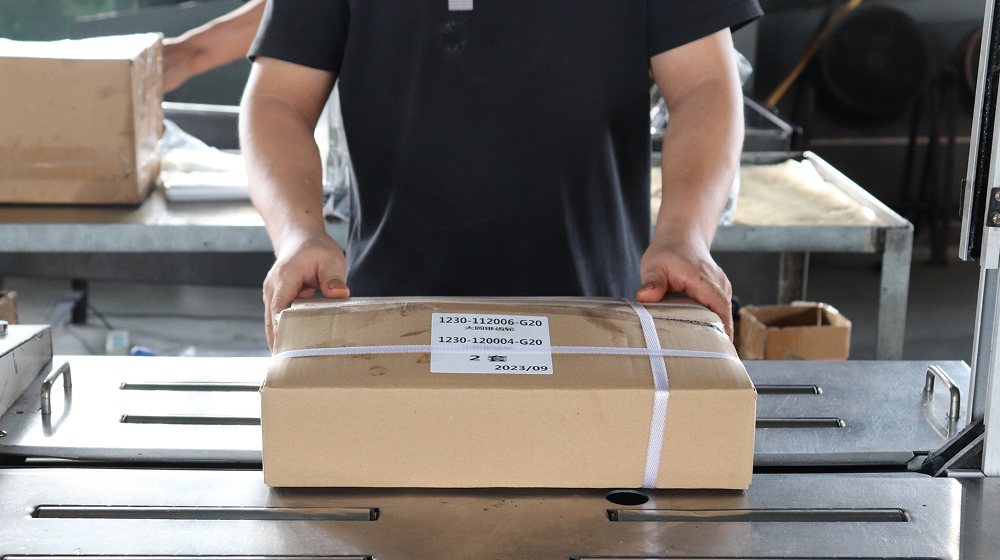
Clean & Package

Before shipment, every gear is carefully cleaned, dried, and rust-protected – ensuring they arrive in optimal condition, ready for immediate installation.
Inspection

Strict Quality Inspection

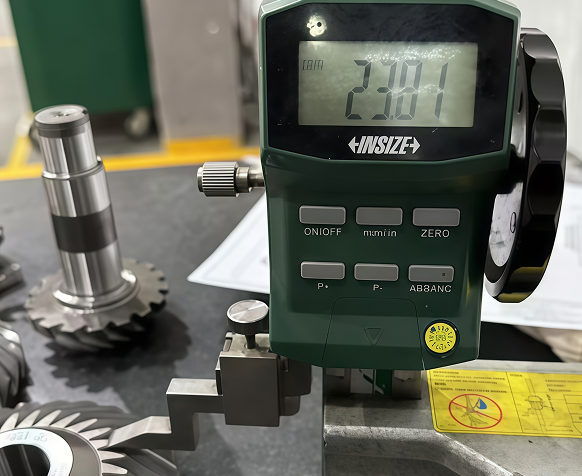
Dimension-inspection-gear-manufacturing-process-equipment-Belon

Dimension Inspection

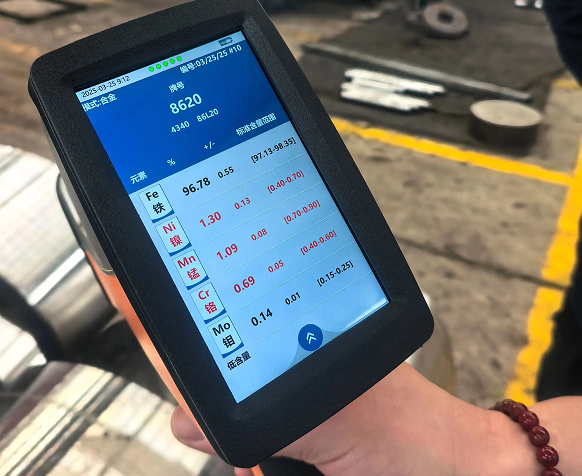
Material-testing-gear-manufacturing-process-equipment-Belon

Material Testing

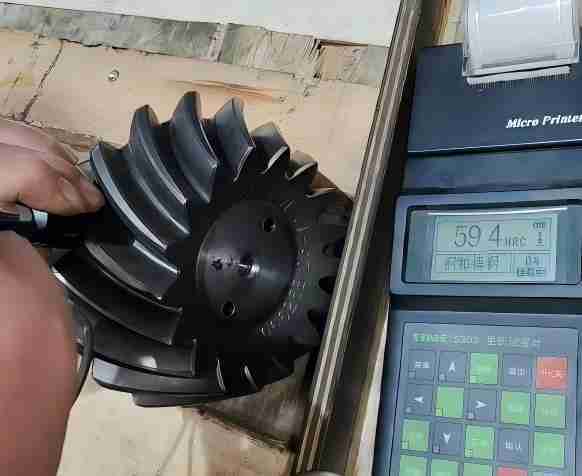
Hardness-inspection-gear-manufacturing-process-belon

Hardness Inspection

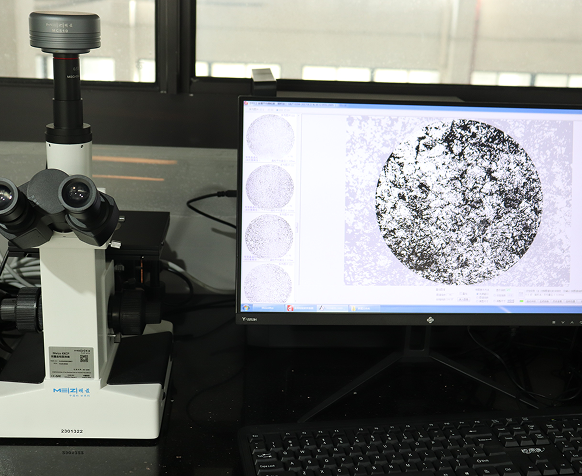
Heat-treatment-testing-gear-manufacturing-quality-control-process-Belon

Heat Treatment Testing

Roughness-test-lapped-bevel-gear-manufacturing-company-gear-supplier-Belon

Roughness Testing

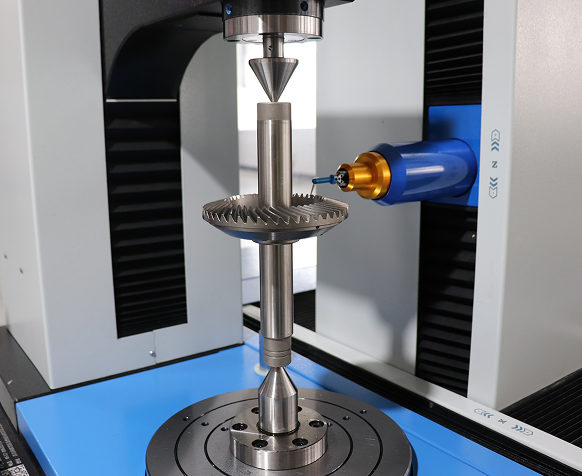
Accuracy-inspection-lapped-bevel-gear-manufacturing-company-Belon

Accuracy Inspection

Lapped-bevel-gear-meshing-testing-gear-manufacturing-company-Belon

Meshing Testing

Dimension-inspection-gear-manufacturing-process-equipment-Belon

Dimension Inspection

Material-testing-gear-manufacturing-process-equipment-Belon

Material Testing

Hardness-inspection-gear-manufacturing-process-belon

Hardness Inspection

Heat-treatment-testing-gear-manufacturing-quality-control-process-Belon

Heat Treatment Testing

Roughness-test-lapped-bevel-gear-manufacturing-company-gear-supplier-Belon

Roughness Testing

Accuracy-inspection-lapped-bevel-gear-manufacturing-company-Belon

Accuracy Inspection

Lapped-bevel-gear-meshing-testing-gear-manufacturing-company-Belon

Meshing Testing

Packages

Professional Packaging Safe Arrival

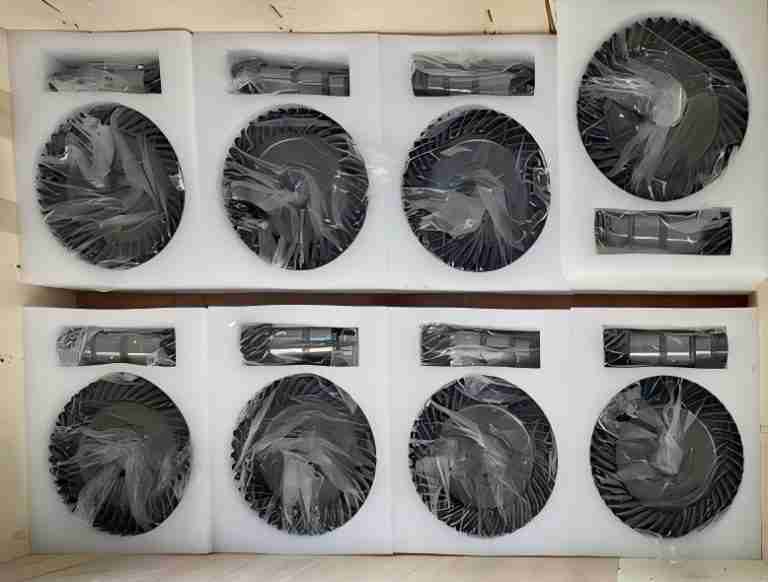
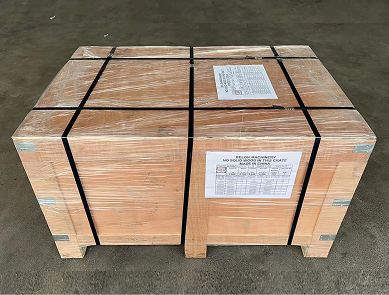
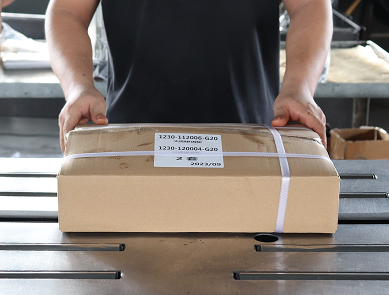
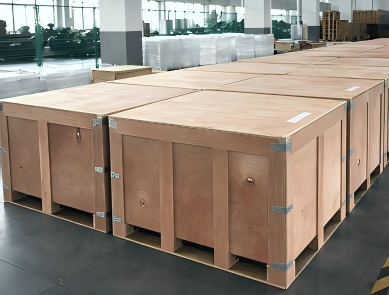
Customized cost-effective packages for products protection. We select multi-model solutions, combining air, sea, or land freight for the optimal balance of cost, speed, and reliability.
Gear-product-inner-package-custom-gear-manufacturer-Belon

Inner Package

Crate-straight-bevel-gear-custom-gear-manufacturer-gear-solutions-Belon

Out Package

Carton-Package-Gear-Manufacturing-Company-Belon

Carton

Wooden-package-gear-manufacturer-gear-solutions-Belon

Wooden Package

Similar products

You May Be Interested In

spiral-bevel-gear-for-harvester-belon-machinery

Spiral Bevel Gear For Harvester

  • Material: 20CrMo
  • Heat treatment: HRC 58-62
  • Accuracy: GB/T 10095
bevel-gears-used-in-gearbox-custom-gear-belon

Bevel Gears Used In Gearbox

  • Material: 18CrNiMo7-6
  • Heat treatment: Carburizing 58-62HRC
  • Accuracy: DIN 8
lapped-gears-lapping-spiral-bevel-gear-custom-gear-manufacturer-Belon

Lapped Gears Bevel Gears

  • Material: 8620
  • Heat treatment: Case hardening 58-62 HRC
  • Accuracy: DIN 7
lapped-spiral-bevel-gear-custom-spiral-bevel-gear-supplier-Belon

Customized Bevel Gears

  • Material: 8620
  • Heat treatment: carburization 58-62HRC
  • Accuracy: 8
View all product

Your Precision
Transmission Partner

Do you have drawings to be implemented, or problems to be solved? Please feel free to contact us. From initial inquiry and technical specification confirmation to production and delivery, our dedicated team will provide you with one-on-one service, ensuring that every step meets your stringent requirements for precision.
Contact Us