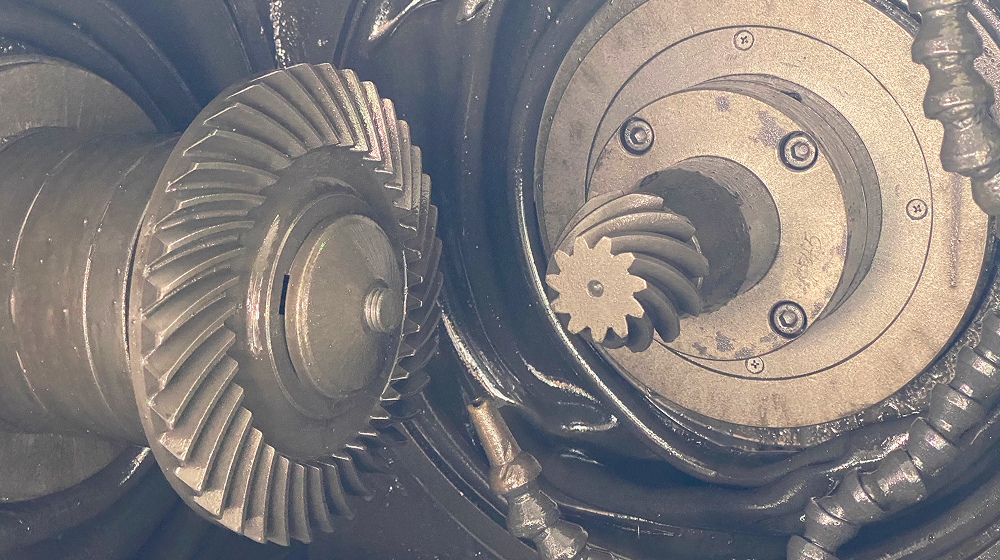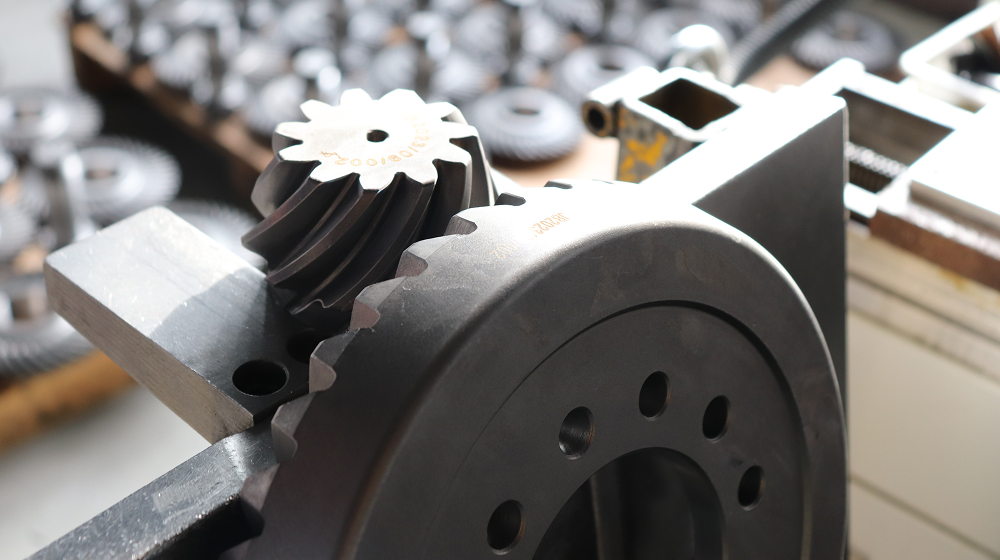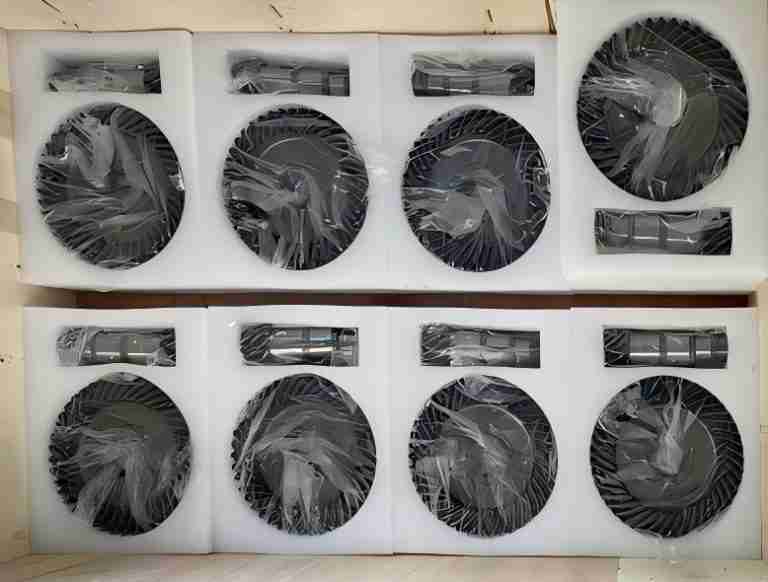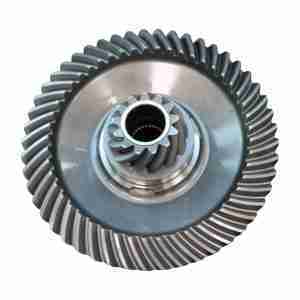

Bevel gear sets are matched pairs of bevel gear wheels (a smaller pinion and a larger driven bevel gear) that transmit torque and change rotational direction between intersecting shafts.
Gear teeth sit on a conical surface, tapering from the outer heel end to the inner toe end. This special geometry redirects power flow and delivers great flexibility for compact mechanical layouts.
By tooth profile, bevel gear sets fall into two primary types: straight bevel gears and spiral bevel gears.
- Straight bevel gear sets have straight tooth lines, simple production processes and lower costs. They fit low-speed applications (peripheral speed <5 m/s), though they produce more noise and impact load while running. Common uses include automotive differential planetary and side gears.
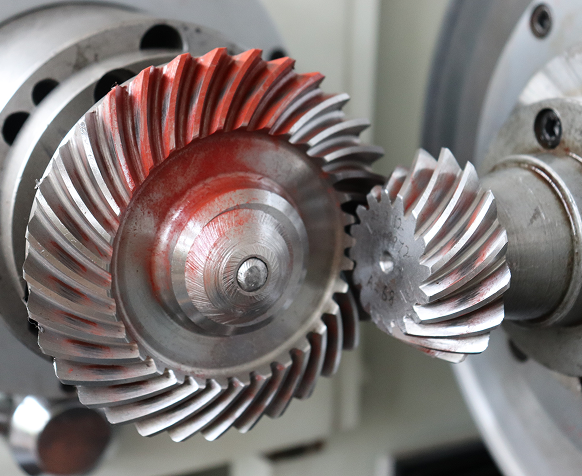
- Spiral bevel gear sets, or arc-tooth bevel gear sets, adopt curved spiral teeth. Multiple tooth pairs stay engaged at the same time during meshing, enabling ultra-smooth power transmission with less noise and vibration.
Boasting high load capacity, these bevel gear sets handle heavy-duty high-speed working scenarios, supporting power up to 3,700 kW and peripheral speeds over 40 m/s. Manufacturers can precisely adjust tooth contact patterns to prolong service life and improve the reliability of the whole transmission system. BELON customizes bevel gear sets for gearboxes to satisfy unique customer requirements and deliver optimized field performance.
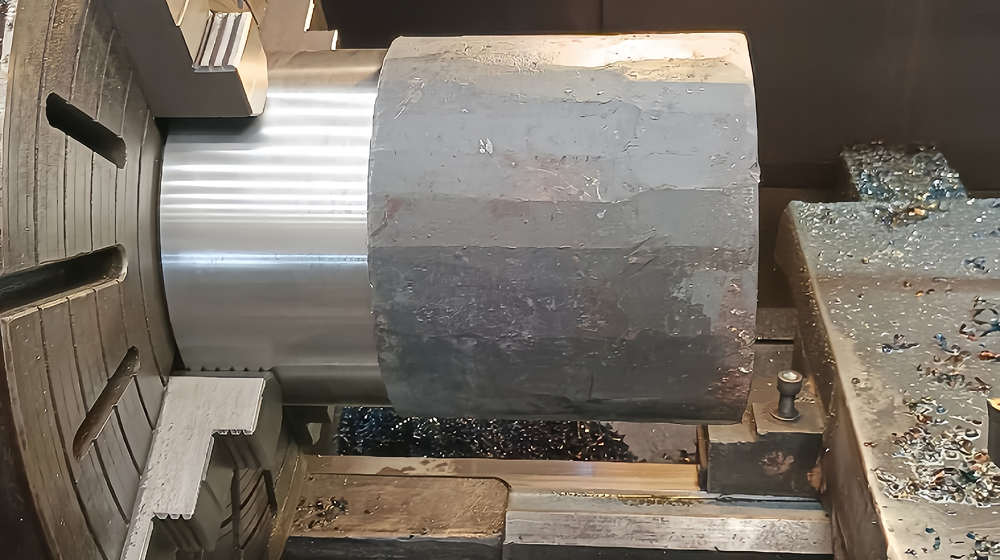
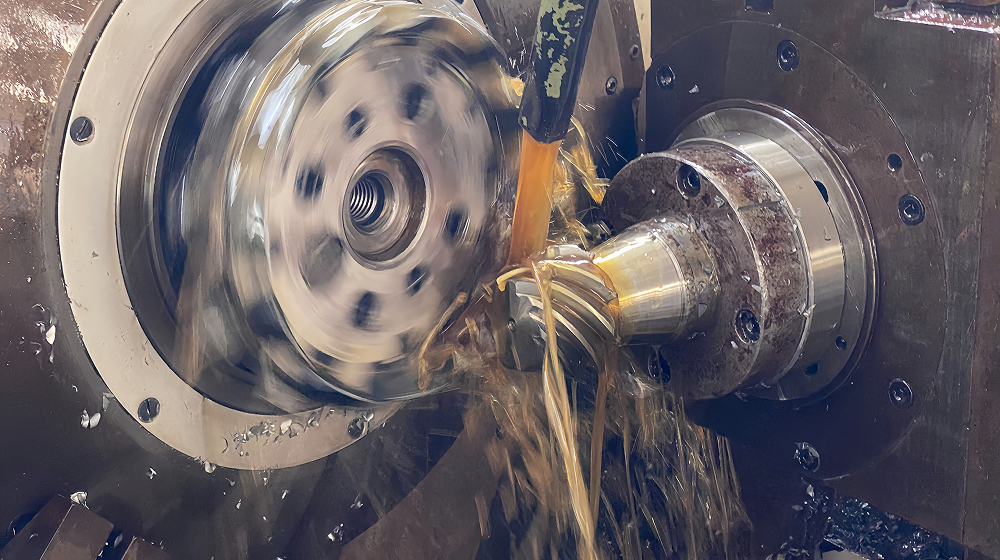
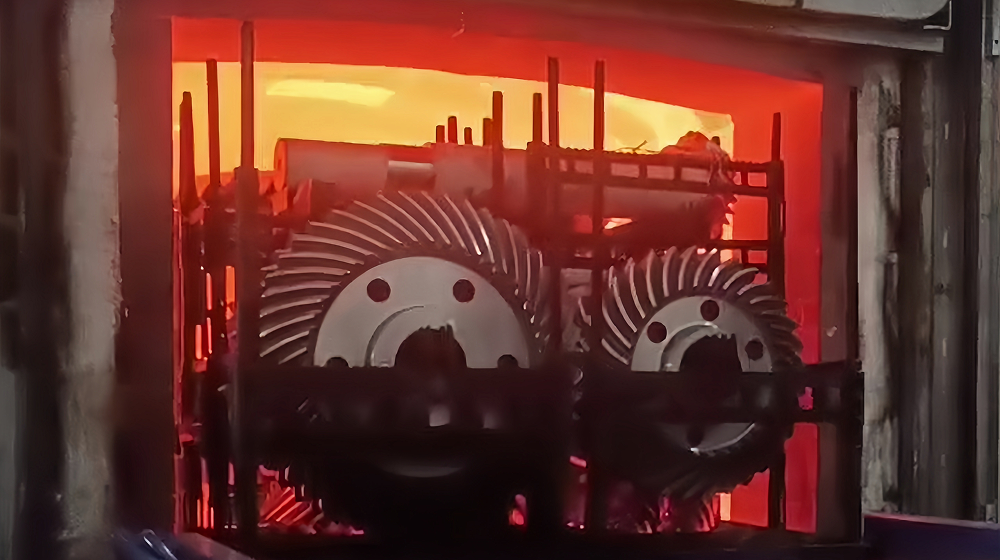
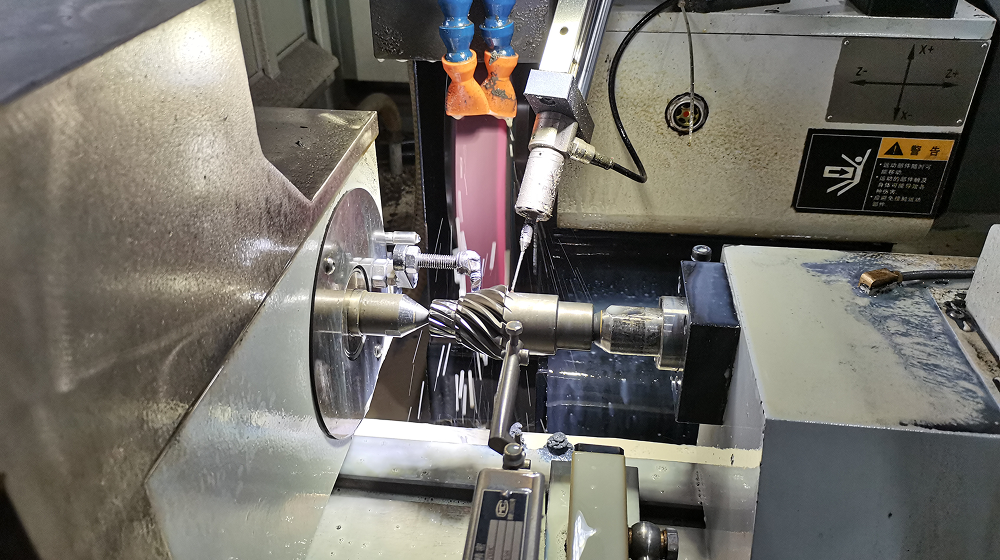
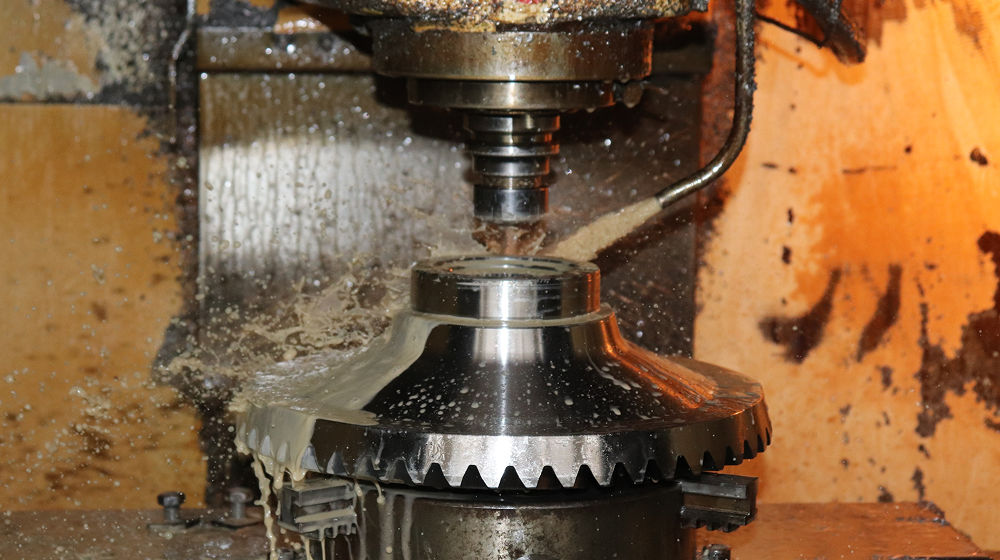
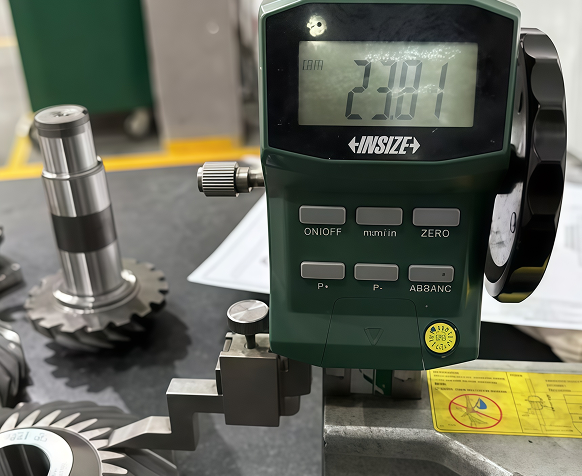
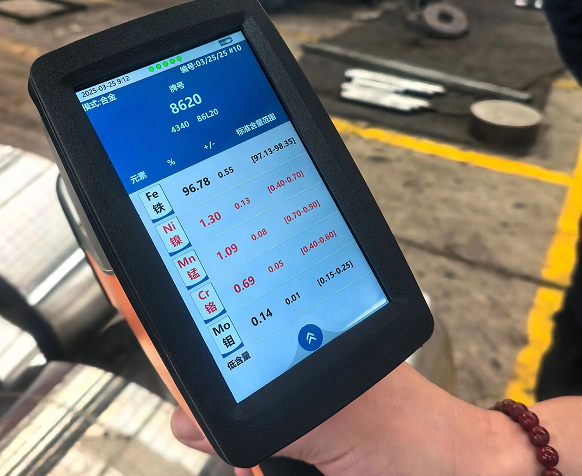
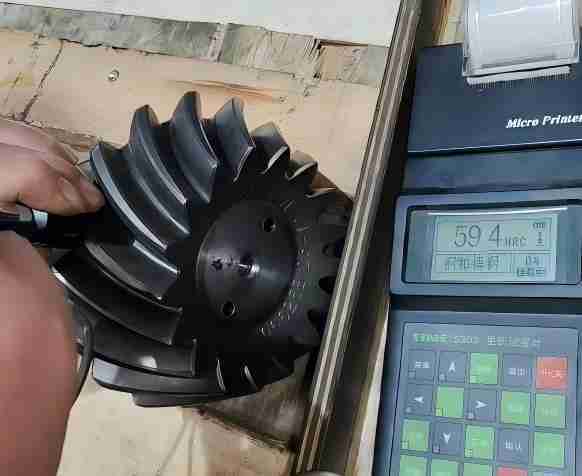
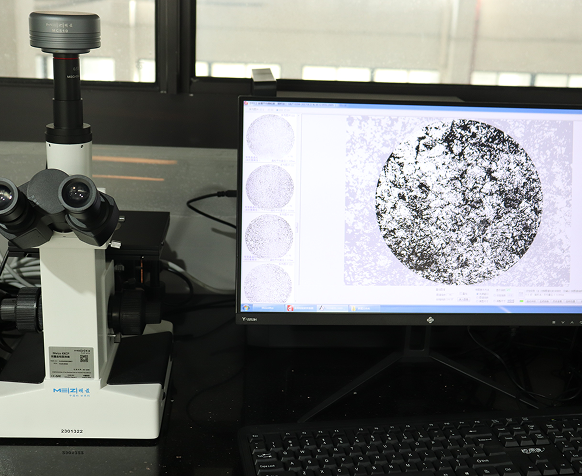
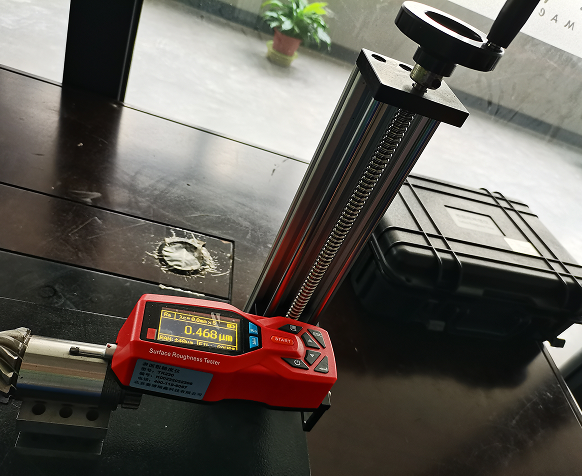
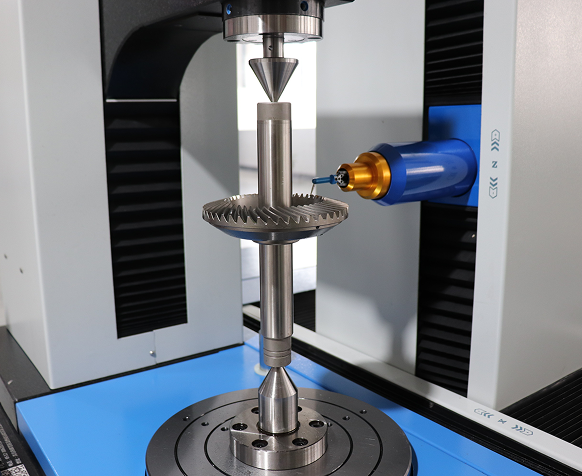
High-performance bevel gear sets are developed under a closed-loop workflow: active tooth surface design, multi-axis CNC cutting and grinding, coordinate measurement, full inspection, error compensation and performance tuning. Supported by dedicated simulation software, engineers accurately control tooth contact and predict transmission behavior. Our produced bevel gear sets reach ISO Grade 7 precision, with key dimensional tolerances compliant with H7 international standards. We select premium case-hardening steel like 20CrMnTi and 20CrMoH. After carburizing, quenching and shot peening, tooth surfaces achieve hardness HRC 58–62, combining outstanding flank wear resistance and high tooth root bending strength.