Application Benefits and Quality Assurance of Lapped Bevel Gear Set
The implementation of lapping as a finishing process for bevel gears delivers a compelling set of operational benefits that justify its widespread adoption in critical heavy-industrial, mobile, and energy-sector applications where gear reliability and performance directly affect operational continuity and profitability. The most significant benefit is the dramatic reduction in operating noise and vibration achieved through the establishment of an optimized contact pattern and the smoothing of surface irregularities, with typical noise reductions of 3 to 8 decibels observed after lapping compared to the same gear set in the as-ground or as-cut condition, a difference that is highly perceptible to operators and maintenance personnel and often determines compliance with workplace noise exposure regulations in confined equipment cabs or enclosed machinery spaces. This noise reduction is accompanied by a corresponding decrease in operating temperature at the gear mesh interface, because the improved surface finish reduces friction coefficients by 15 to 25 percent and the optimized contact pattern minimizes localized pressure spikes that generate frictional heat, resulting in gearbox sump temperature reductions of 5 to 10 °C under full-load conditions that extend lubricant service life, reduce thermal expansion-induced misalignment, and improve the stability of bearing preload settings over extended operating intervals.
The enhancement in surface fatigue resistance is equally significant: the lapping process removes the re-hardened layer or grinding burn that can result from conventional hard finishing operations, eliminating surface tensile residual stresses and producing a mildly compressive residual stress state that inhibits crack initiation, while the refined surface finish reduces the stress concentration effect of asperities that act as initiation sites for pitting and micropitting, collectively extending the pitting life of lapped gear sets by 30 to 50 percent compared to unlapped gears of identical material and accuracy grade.
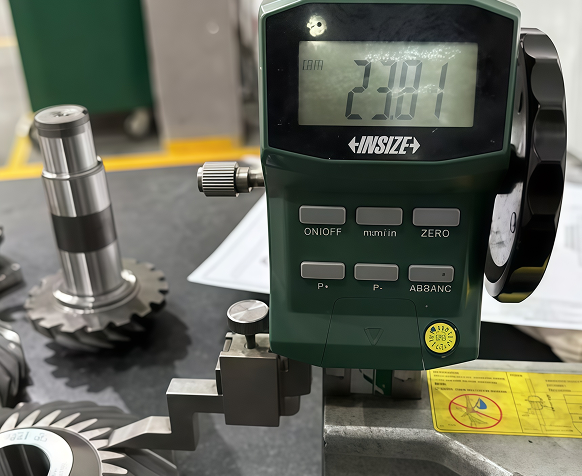
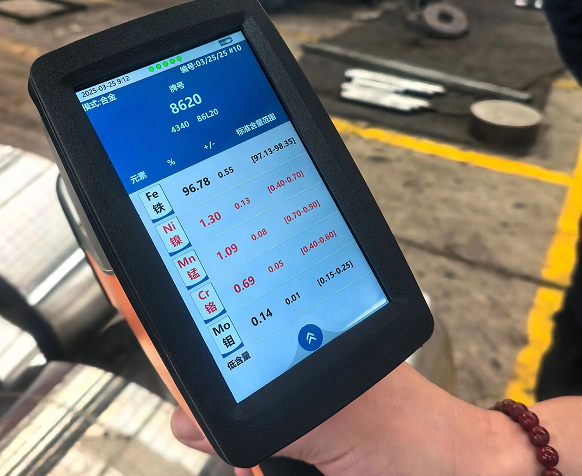
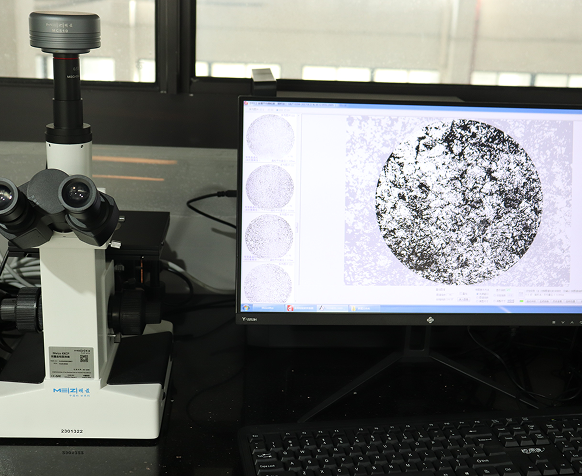
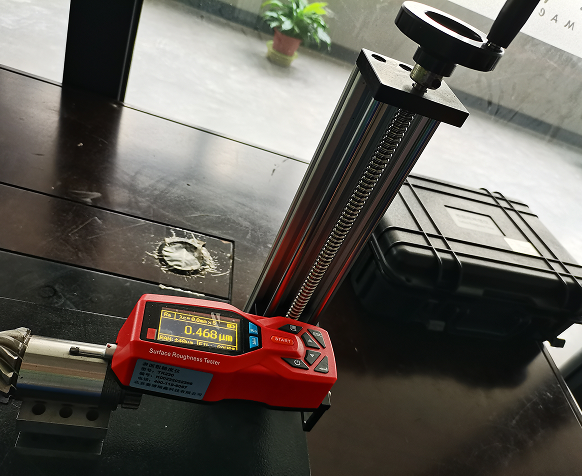
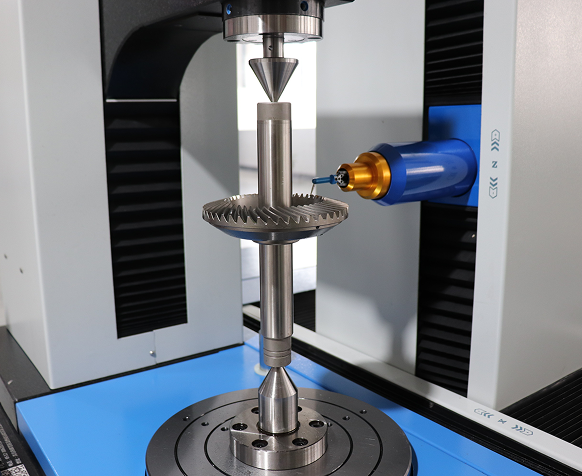
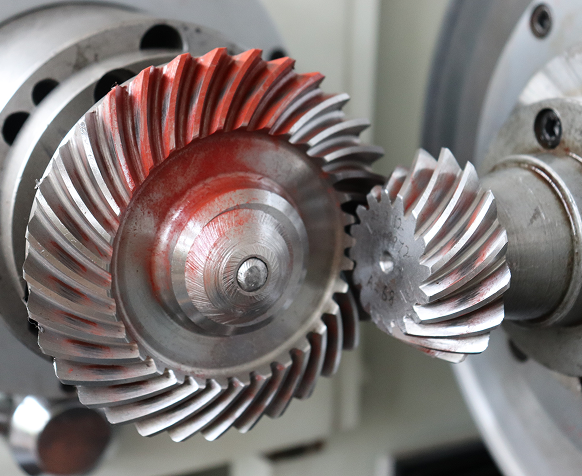
Quality assurance following the lapping operation involves multiple complementary inspection techniques, with the most critical being contact pattern verification using marking compounds that reveal the actual contact area under simulated operating loads, which must conform to established acceptance criteria for position, size, and shape; surface roughness measurement using profilometers or optical interferometry to confirm Ra values below the specified threshold, typically 0.4 μm Ra; and gear runout and tooth spacing measurement to ensure lapping has not introduced geometry deviations that would compromise proper meshing or increase transmission error beyond acceptable limits.
Additionally, many modern lapping systems incorporate in-process monitoring sensors that measure lapping torque and power consumption during the operation, providing real-time indications of process stability and enabling early detection of anomalies such as abrasive compound deterioration, excessive pressure application, inadequate compound flow, or machine alignment problems that could affect lapping quality, while advanced systems employ acoustic emission sensors to detect the transition from stock removal to surface finishing phases, automatically adjusting cycle parameters to achieve consistent results across production batches.
The cumulative effect of meticulous parameter selection, robust quality control protocols, and comprehensive in-process monitoring is the consistent production of lapped bevel gear sets that exhibit dramatic performance improvements in noise reduction, temperature reduction, and service life extension that readily justify the adoption of lapping in critical mining, construction, and material handling applications where gearbox reliability directly affects operational continuity, maintenance costs, and overall equipment profitability, making lapping an indispensable final operation in the production of premium-grade bevel gears for the world’s most demanding industrial sectors.