Opens in a new tab
Belon-machinery-gear-manufacturing-company-gear-solutions-providerBelon-machinery-gear-manufacturing-company-gear-solutions-provider
Contact Us
bevel-gear-and-pinion-custom-gear-supplier

Bevel Gear And Pinion

A bevel gear and pinion set transmits power between intersecting or offset shafts while changing the direction of rotation and, when required, the transmission ratio. Unlike a single bevel gear, a properly matched bevel pinion and gear set must be manufactured as a coordinated pair so that the tooth geometry, mounting dimensions, backlash, and contact pattern work together under operating load.

Custom bevel gear and pinion sets can be manufactured through a controlled sequence of CNC machining, bevel gear cutting, heat treatment, and precision finishing. Manufacturing processes may include Gleason cutting, CNC machining, heat treatment, grinding, lapping, and inspection if you request higher gear accuracy or want to use it in some certain applications.

For case-hardened bevel gear sets, materials such as alloy steels can be carburized and quenched to provide a hard, wear-resistant tooth surface while maintaining a tough core. Precision finishing after heat treatment helps you control tooth profile, lead, pitch, runout, surface roughness, and contact characteristics.

For lapped bevel gear and pinion sets, the mating gears can be run together under controlled conditions to refine the tooth contact pattern and remove microscopic surface irregularities. This process can be used especially when you have the needs of smooth engagement, low transmission noise, and stable load distribution.

Specification
Module
4.77
Application
Gearbox
Material
8620
Heat Treatment
Carburising (58-62 HRC)
Accuracy
DIN 8
Contact Us

Application Scenario for Lapped Bevel Gear and Pinion


In the demanding environment of industrial robotics, lapped bevel gears play an absolutely indispensable role in achieving the precision motion control required for modern automated manufacturing. Consider a six-axis articulated robotic arm used in automotive assembly lines, where each joint must position heavy payloads—often exceeding 100 kilograms—with repeatability of ±0.02 mm while operating continuously for 20,000 hours or more with minimal maintenance intervention. The harmonic drives and cycloidal reducers that power these joints rely on extremely precise gear pairs to convert high-speed motor input into high-torque, low-speed output with minimal backlash and consistent motion transfer. Without lapped gears, the inherent surface irregularities, tool marks, and suboptimal contact patterns left by previous machining operations would cause micro-vibrations and non-uniform motion transfer, leading to unacceptable positioning errors that would force the robot to overshoot or oscillate around target positions, resulting in rejected parts, damaged tooling, and costly production stoppages. By incorporating lapped bevel gear and pinion with their optimized surface finish and precisely controlled contact patterns, robot manufacturers achieve smooth, consistent motion transmission with minimal friction-induced torque ripple, enabling smooth trajectory control during high-speed pick-and-place operations and consistent weld seam tracking during arc welding tasks. The enhanced surface finish further reduces friction in the tooth contact zone, lowering operating temperatures by 10–15°C and significantly extending grease re-lubrication intervals—from months to years—a critical maintenance advantage in hard-to-reach robotic cells where access is restricted by safety cages and surrounding equipment. Moreover, the reduced friction and optimized contact pattern minimize the torque ripple transmitted through the gear train, which translates into smoother motion profiles and finer positional resolution, allowing robots to perform delicate assembly tasks such as inserting connectors, handling fragile electronic components, or performing precision fastening operations without causing damage or deviation.

Beyond robotics, lapped bevel gear and pinion are equally critical in the electric vehicle (EV) transmission sector, where acoustic comfort and efficiency are paramount differentiators in an increasingly competitive market. Today’s EV drivetrains operate at motor speeds exceeding 20,000 rpm, generating high-frequency whine and vibration that directly affect cabin comfort and brand perception. Traditional hobbed or shaped gears, even after shaving or honing, retain micro-waviness and surface irregularities that produce pronounced tonal noises at these elevated speeds—distinct orders that resonate through the vehicle structure and create an unpleasant auditory experience that OEMs find unacceptable for premium passenger vehicles. Lapped bevel gears, with their optimized tooth flank topography, controlled surface finish, and precisely refined contact patterns, reduce overall transmission noise by 6–10 dB(A)—a difference that the human ear perceives as a halving of loudness—transforming the driving experience from a noisy mechanical whir to a near-silent electric glide that enhances passenger comfort and reinforces the premium image of the vehicle brand. Moreover, the improved load distribution and reduced friction of lapped gears allow designers to reduce gear width and overall package size, contributing directly to weight reduction—a critical factor for extending EV range, as every kilogram saved reduces energy consumption and allows for additional battery capacity within the same vehicle weight budget. Leading transmission suppliers now mandate lapping as the final finishing step for all high-performance bevel gear sets, and many have developed dedicated lapping lines with integrated quality monitoring systems to achieve consistent contact pattern verification and 100% acoustic testing at the production level. In short, where precision, durability, and acoustics converge—in robotics, electric vehicles, and a growing array of advanced applications—lapped bevel gears provide the technical foundation upon which tomorrow’s intelligent, electrified, and automated machinery is built.

bevel-gear-and-pinion
Production process

9-Step Bevel Gear and Pinion Production Process

Forging
Turning
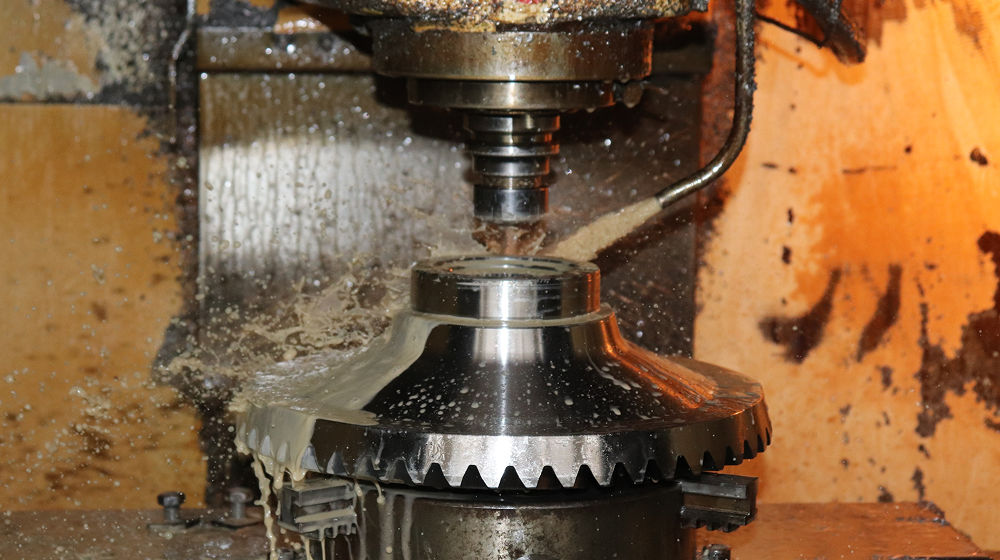
Gear Milling
Heat Treatment
ID & OD Grinding
CNC Machining
Gear Lapping
Marking
Clean & Package
1
2
3
4
5
6
7
8
9
gear-forging-process

Forging

When bevel gear and pinion need high performance that needs to withstand high loads, high stress, impact loads or fatigue loads, forgings are suggested to use. Forging allows metal fibers to be continuously distributed along the gear profile, significantly improving root strength and fatigue life.
High-precision-turning-gear-production-process-Belon-manufacturer

Turning

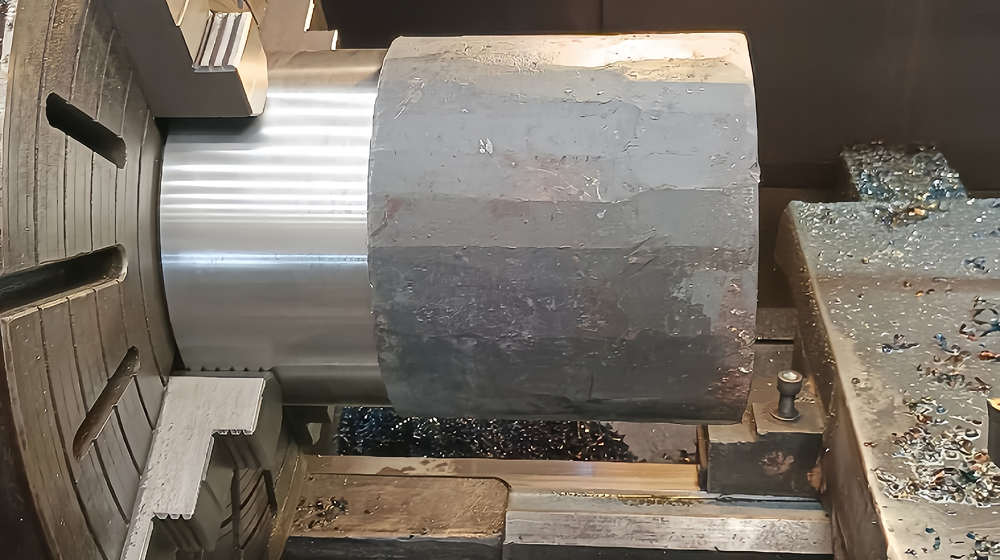
This is the process of cutting and shaping solid materials into precise parts. It uses tools like lathes, mills, and drills to remove excess material. Machining transforms a simple block of metal into a finished, functional component.
Large-module-lapping-bevel-gear-custom-gear-manufacturer-gear-supplier-Belon

Gear Milling

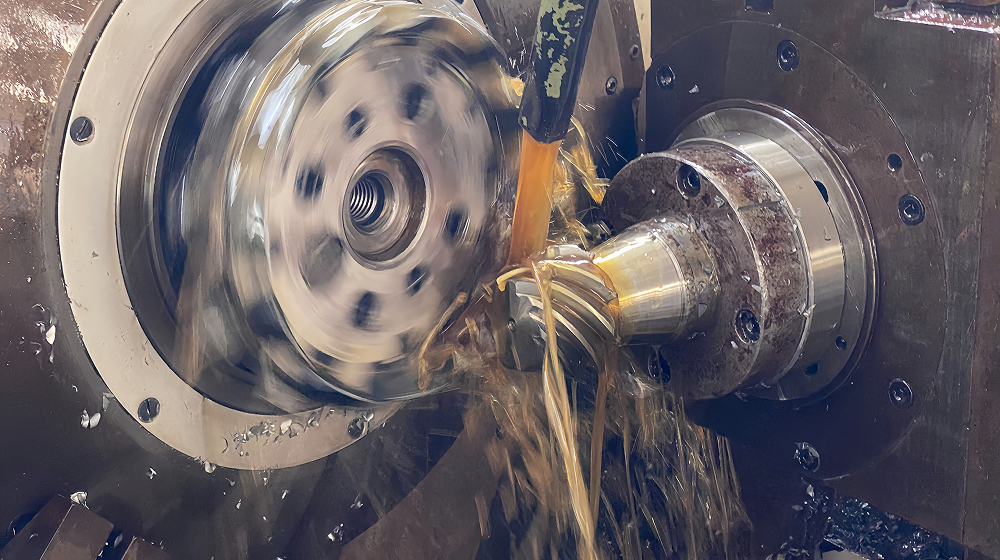
Gear Milling is a gear cutting process that used a rotating from cutter shaped to match the exact space between two gear teeth is plunged into the gear blank. After cutting one tooth space, the blank is indexed to the next position .
Gear-Heat-Treatment-process-Belon-gear-manufacturer

Heat Treatment

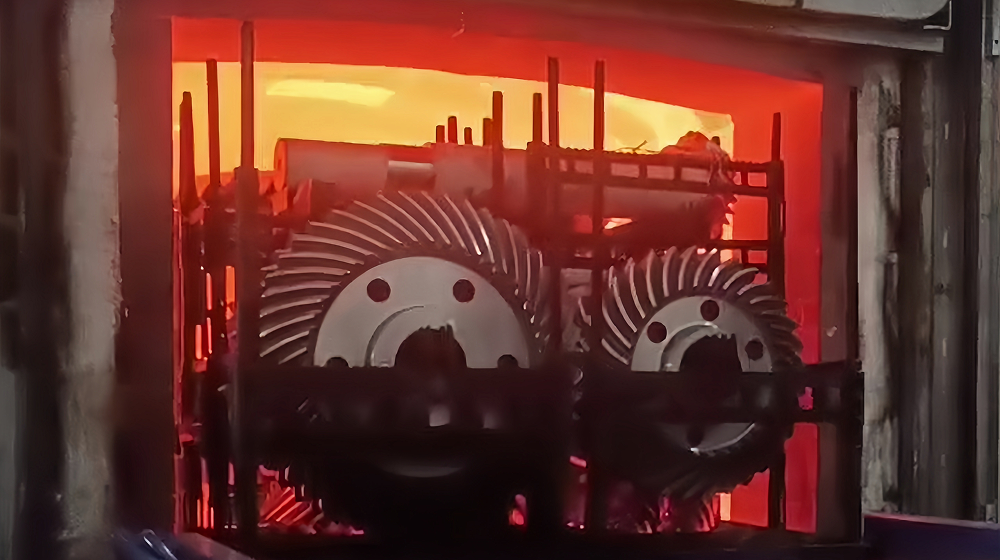
Gears need to be running with two gears or above two gears, that makes them easy to be worn-out. That’s why most types of gears need to be harden through heat treatment.
Large-module-lapping-bevel-gear-OD-grinding-process-gear-manufacturer-Belon

ID & OD Grinding

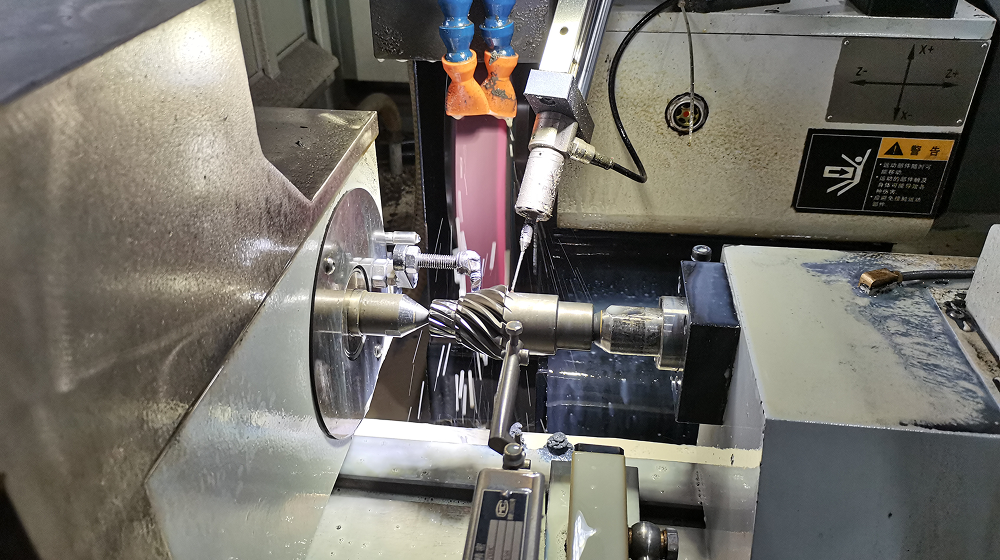
ID grinding, OD grinding, Surface grinding are all belonging to CNC grinding which are the foundational precision abrasive machining processes used to achieve exceptional dimensional accuracy and surface finishes, especially on hardened materials.
Lapping-bevel-gear-Lapped-bevel-gear-supplier-custom-gear-manufacturer-Belon

CNC Machining

CNC machining is a an automated manufacturing process controlled by pre-programmed computer software and code. Normally gears are designed in CAD software. CAM software translates the CAD model into G-Code, a machine language that dictates tools paths, speeds, feeds, and all movements.
Lapping-bevel-gear-supplier-custom-gear-manufacturer-gear-lapping-process-Belon

Gear Lapping

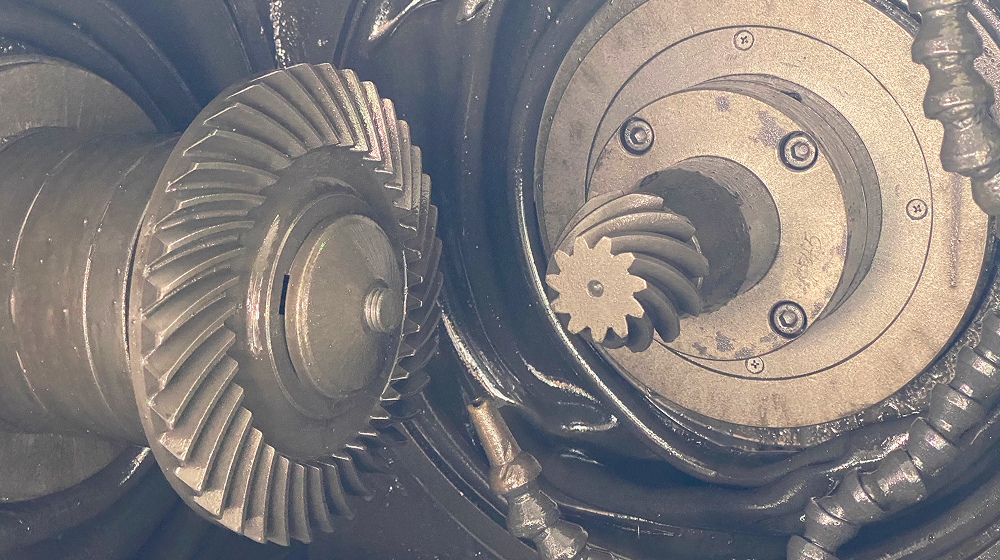
Gear lapping is a process for for finishing hardened bevel gears under gleason profile. This process can greatly improve surface finish and noise, however which could not correct geometric errors. It’s often done in paired sets (gears are lapped together and must remain matched). That is usual to use in high-volume bevel gears, where quiet operation is paramount.
Marking-process-straight-bevel-gear-supplier-custom-gear-manufacturer-Belon

Marking

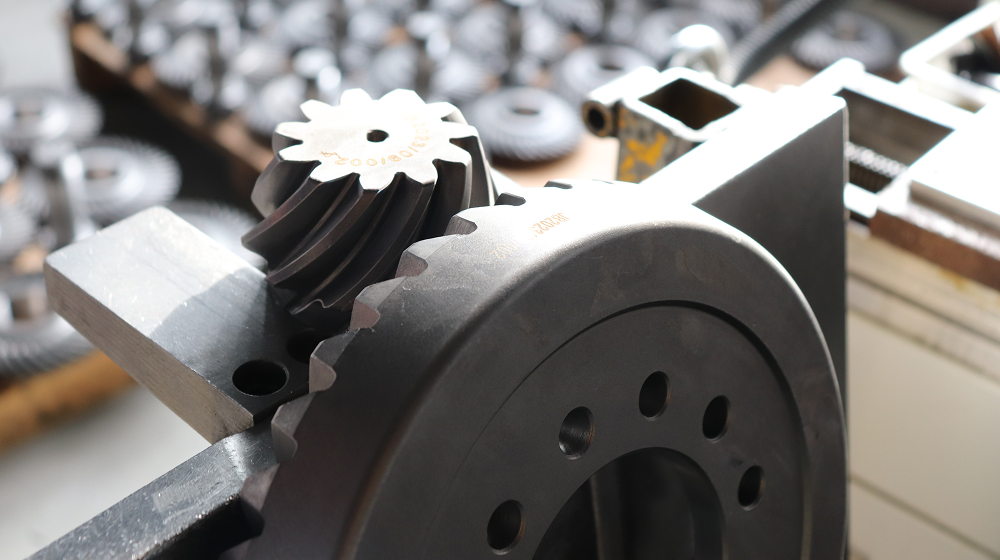
Precision laser marking permanently engraves traceability data (part numbers, date codes, logos) onto gears, ensuring reliable identification and quality tracking throughout the product lifecycle.
Carton-outside-straight-bevel-gear-manufacturer-gear-solutions-Belon

Clean & Package

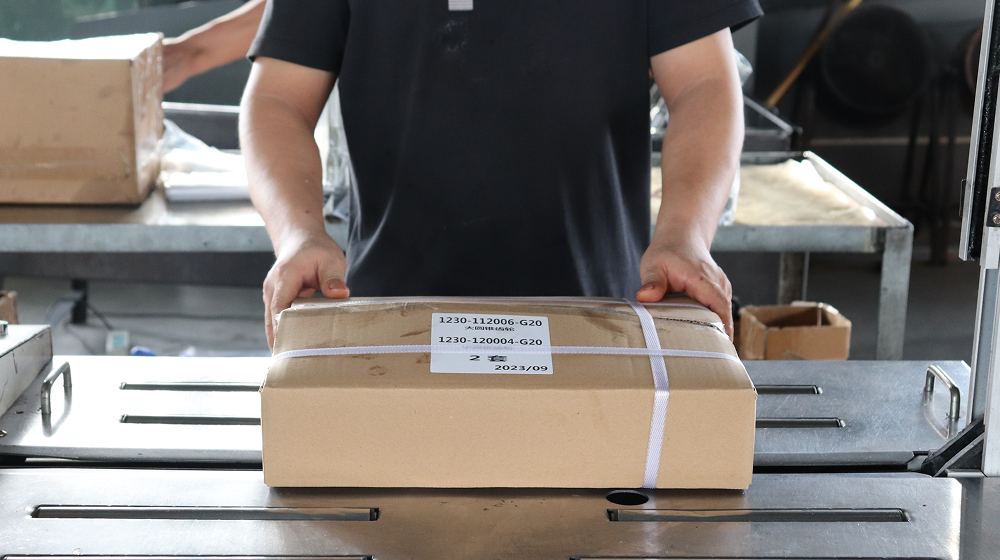
Before shipment, every gear is carefully cleaned, dried, and rust-protected – ensuring they arrive in optimal condition, ready for immediate installation.
Inspection

Strict Quality Inspection For Bevel Gear and Pinion

Dimension-inspection-gear-manufacturing-process-equipment-Belon

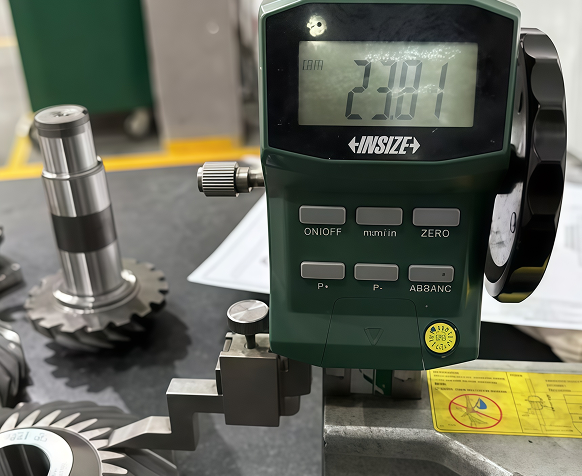
Dimension Inspection

Material-testing-gear-manufacturing-process-equipment-Belon

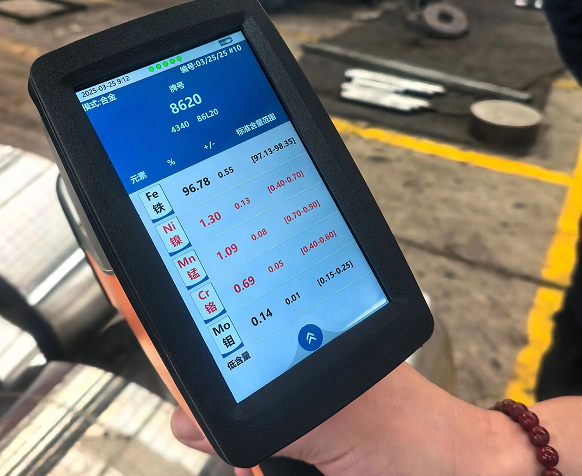
Material Testing

Hardness-inspection-gear-manufacturing-process-belon

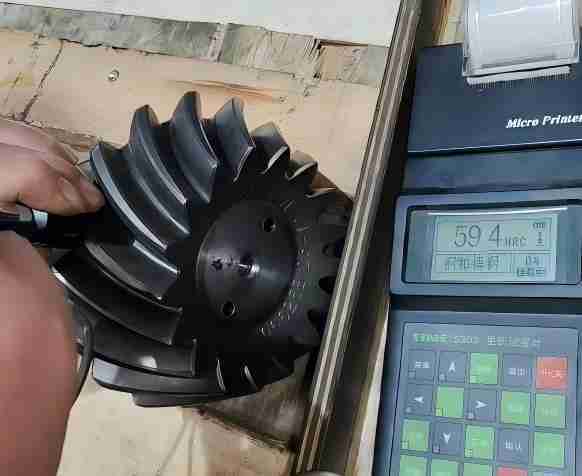
Hardness Inspection

Heat-treatment-testing-gear-manufacturing-quality-control-process-Belon

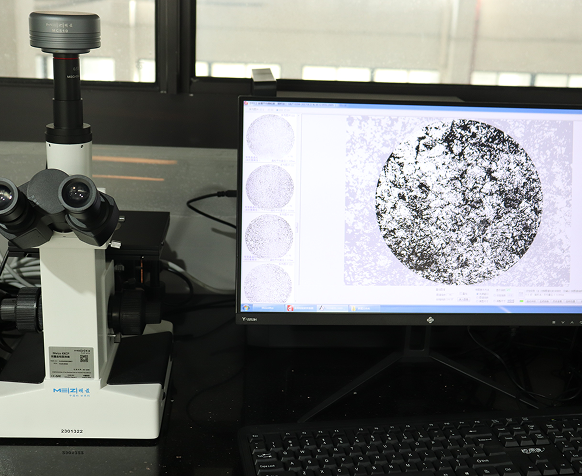
Heat Treatment Testing

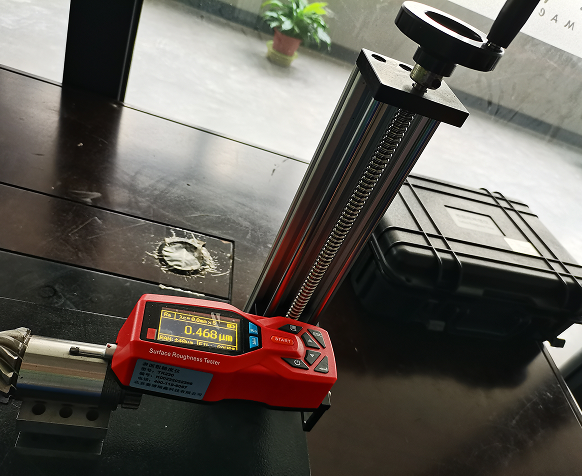
Roughness-test-lapped-bevel-gear-manufacturing-company-gear-supplier-Belon

Roughness Testing

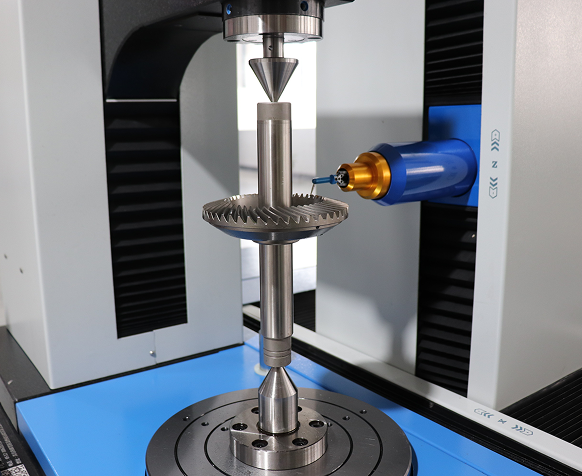
Accuracy-inspection-lapped-bevel-gear-manufacturing-company-Belon

Accuracy Inspection

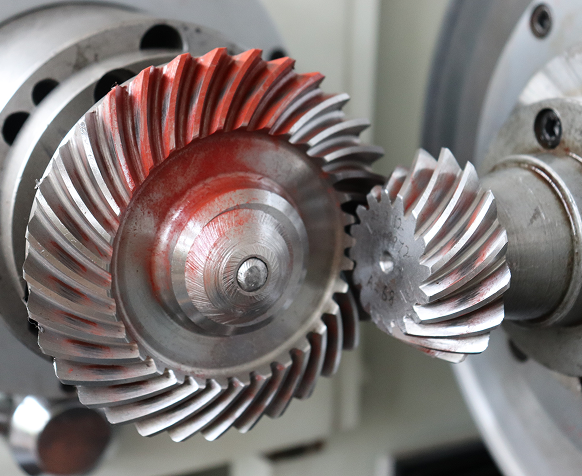
bevel-gear-wheels-meshing-testing-gear-manufacturing-company-Belon

Meshing Testing

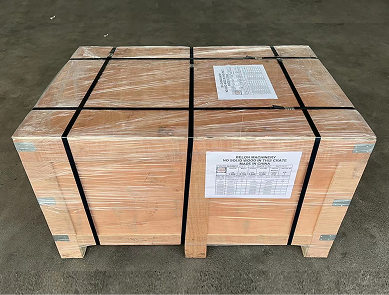
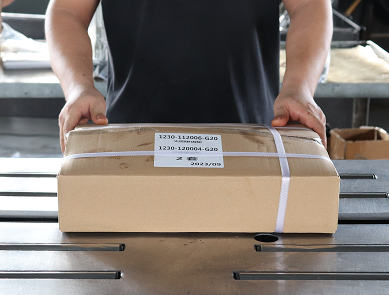
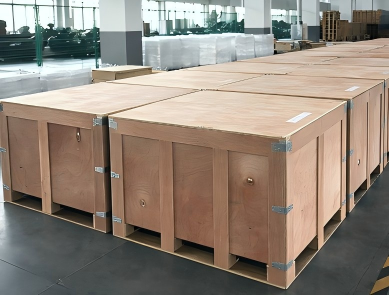
Packages

Professional Packaging Safe Arrival

Customized cost-effective packages for products protection. We select multi-model solutions, combining air, sea, or land freight for the optimal balance of cost, speed, and reliability.
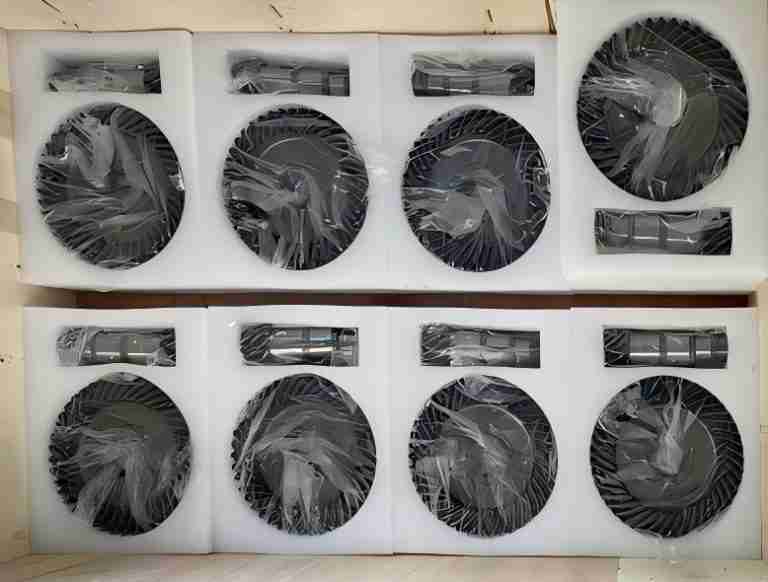
Gear-product-inner-package-custom-gear-manufacturer-Belon

Inner Package

Crate-straight-bevel-gear-custom-gear-manufacturer-gear-solutions-Belon

Out Package

Carton-Package-Gear-Manufacturing-Company-Belon

Carton

Wooden-package-gear-manufacturer-gear-solutions-Belon

Wooden Package

Similar products

You May Be Interested In

metal-bevel-gear-set-custom-bevel-gear

Metal Bevel Gear

  • Material: 20CrMnTi
  • Heat treatment: Carburization 58-62 HRC
  • Accuracy: DIN8
More About
gear-sets-belon-machinery

Gear Sets

  • Material: 18CrNiMo7-6
  • Heat treatment: Carburizing 58-62HRC
  • Accuracy: DIN 8
More About
bevel-gear-and-pinion-belon-machinery

Gear and Pinion

  • Material: 18CrNiMo7-6
  • Heat treatment: Carburizing 58-62HRC
  • Accuracy: DIN 8
More About
Grinding-spiral-bevel-gear-straight-bevel-gear-supplier-Belon

Spiral Bevel Gear

  • Material: 18CrNiMo7-6
  • Heat treatment: carburization 58-62HRC
  • Accuracy: 6
More About
View all product

Your Precision
Transmission Partner

Do you have drawings to be implemented, or problems to be solved? Please feel free to contact us. From initial inquiry and technical specification confirmation to production and delivery, our dedicated team will provide you with one-on-one service, ensuring that every step meets your stringent requirements for precision.
Contact Us