Klingelnberg Gear Bevel Gear: A Strategic Buyer’s Guide
When a power transmission application demands a combination of high torque density, smooth rolling motion, and exceptional surface finish, many engineers specify a Klingelnberg bevel gear. Klingelnberg, a German-Swiss machine builder with over 150 years of history, is renowned for its proprietary Cyclo-Palloid and Spiracon tooth systems, as well as its precision measuring centers. However, purchasing Klingelnberg bevel gear is fundamentally different from buying a standard off-the-shelf bevel gear. Buyers must understand the manufacturing philosophy, quality standards, and documentation requirements unique to this technology. This guide covers three essential areas before you place your order.
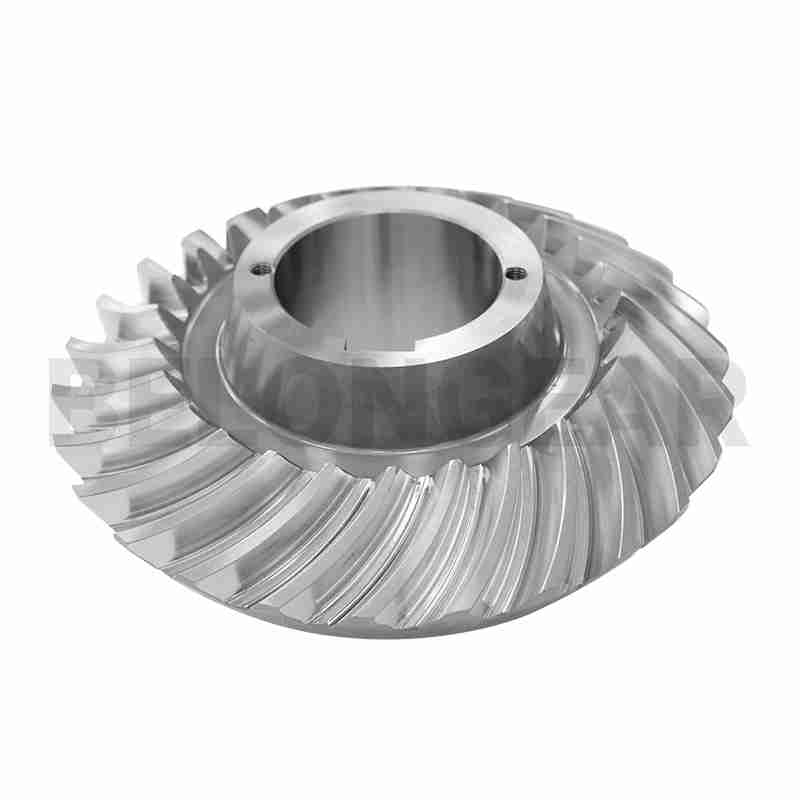
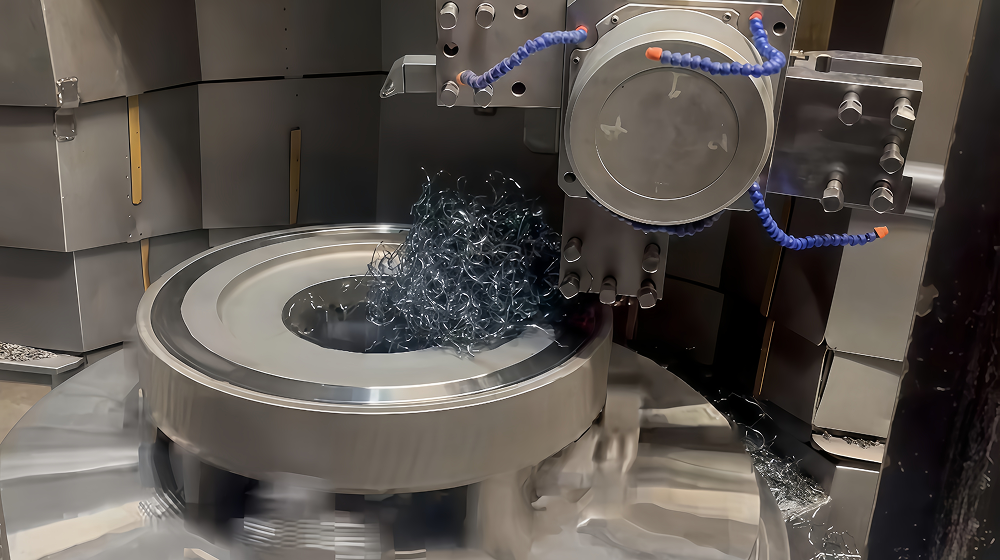
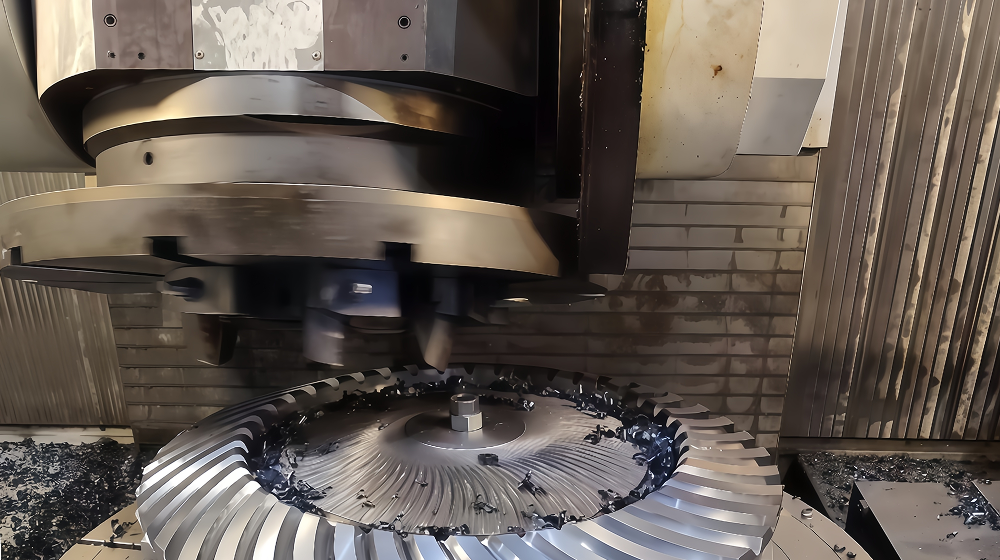
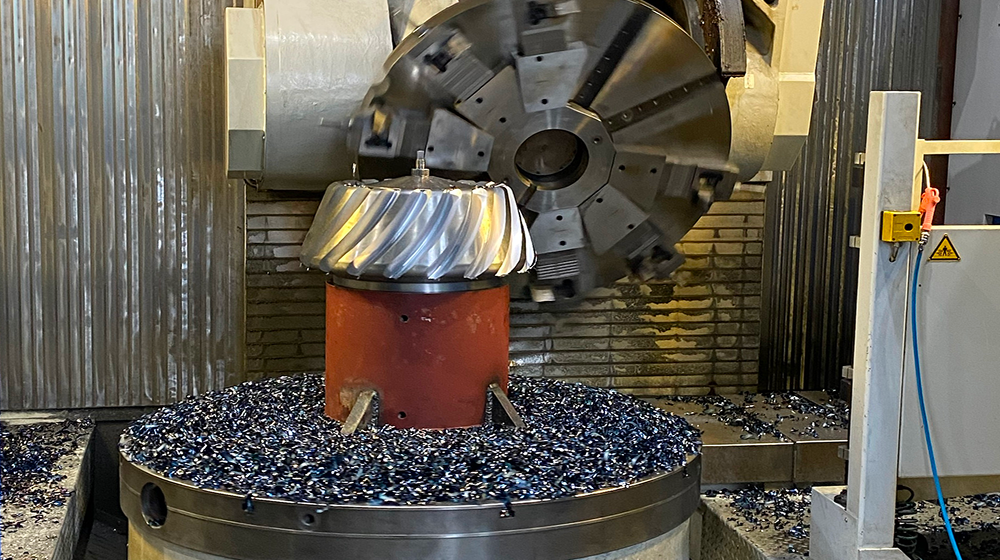
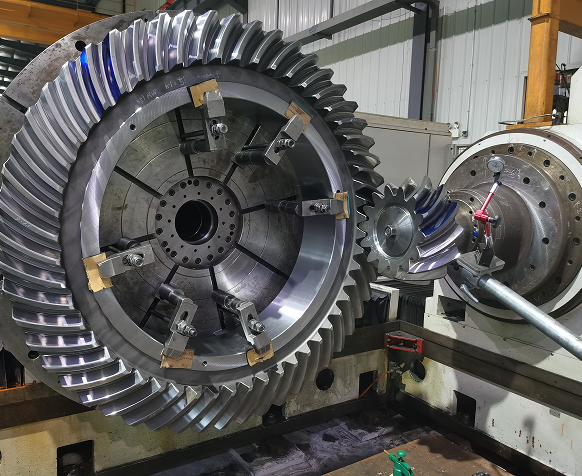
First, understand the tooth geometry and manufacturing process. When purchasing Klingelnberg bevel gear, you are not simply buying a component; you are buying into a specific generating method. Unlike Gleason-based gears (which use a face-milling or face-hobbing process), Klingelnberg’s Cyclo-Palloid system uses a continuous indexing process with a tapered grinding wheel or cutter. The resulting tooth flank has a characteristic epicycloidal curve rather than a pure involute. This offers advantages in certain applications: higher overlap ratio, smoother entry into mesh, and reduced sensitivity to housing deflection. For heavy-duty truck differentials, marine stern drives, and industrial robot joints, this geometry can significantly lower noise, vibration, and harshness (NVH). However, not every shop can manufacture or inspect such gears.
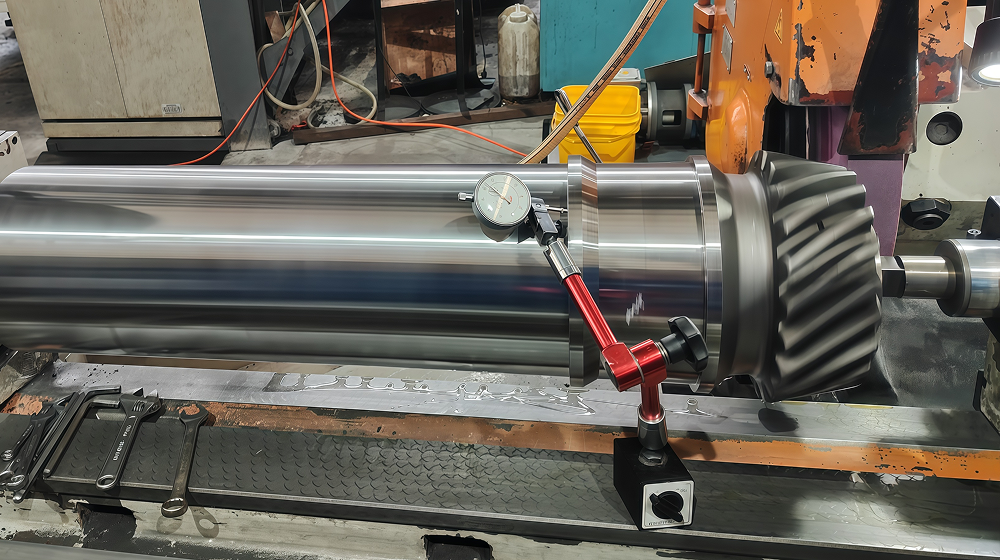
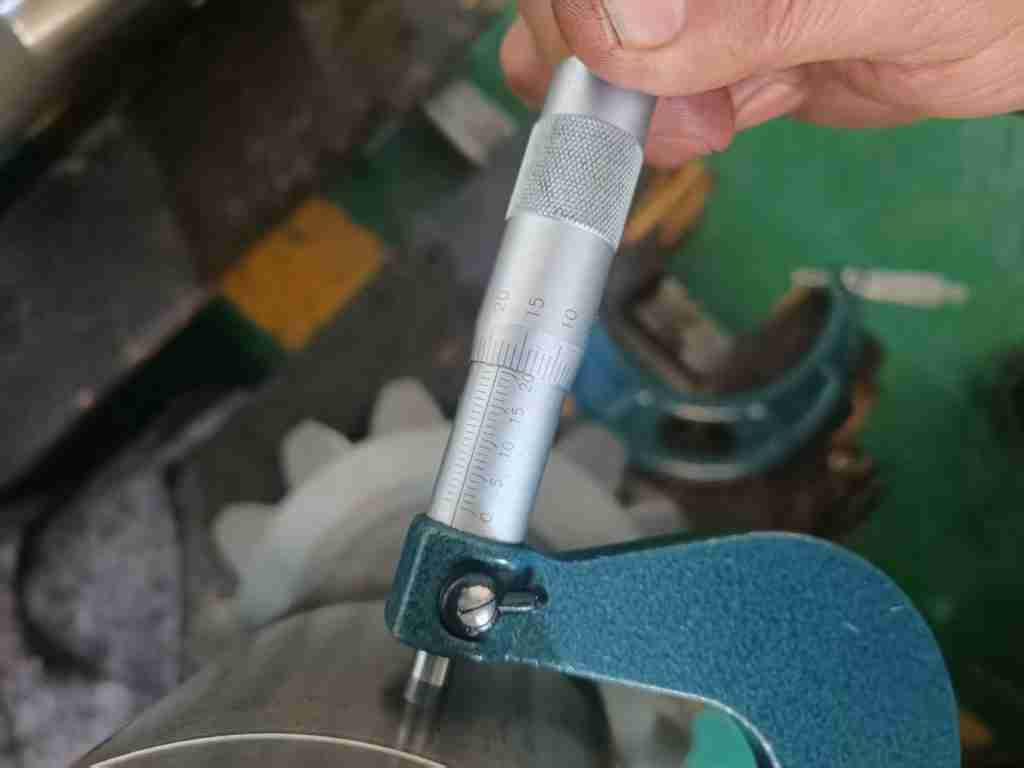
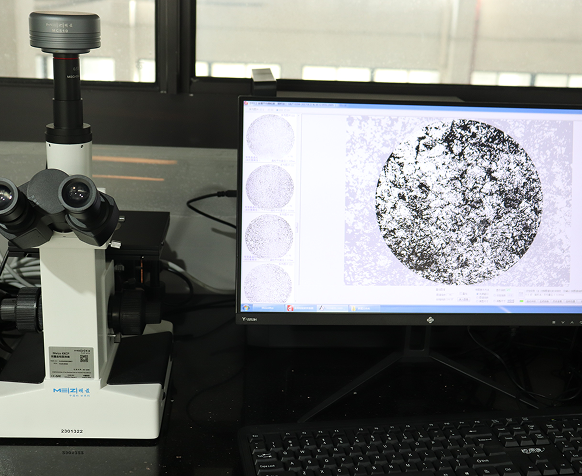
Second, specify quality grades and inspection protocols. Klingelnberg uses its own grading system (KN grades) rather than AGMA or DIN numbers, although correlations exist. For ground or lapped gears, typical quality targets are KN 5–6 (equivalent to AGMA Q10–11). For hard-ground gears intended for aerospace or racing applications, KN 3–4 is achievable. When purchasing Klingelnberg bevel gear, demand a full inspection report from a Klingelnberg P-series measuring center. This report should include: single flank deviation (f₁), kinematic error, tooth thickness variation, runout (Fᵣ), and a contact pattern simulation (TOCO—Tool Compensation).
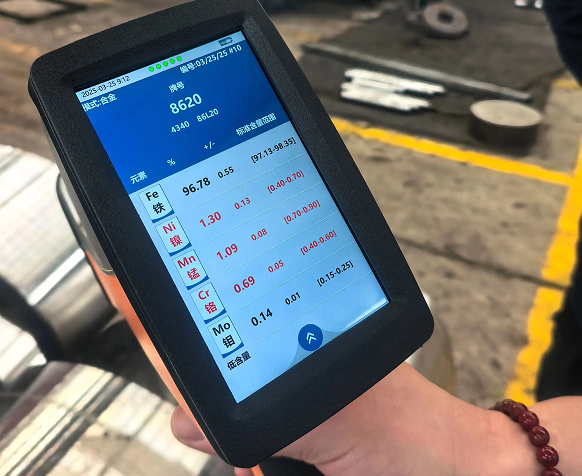
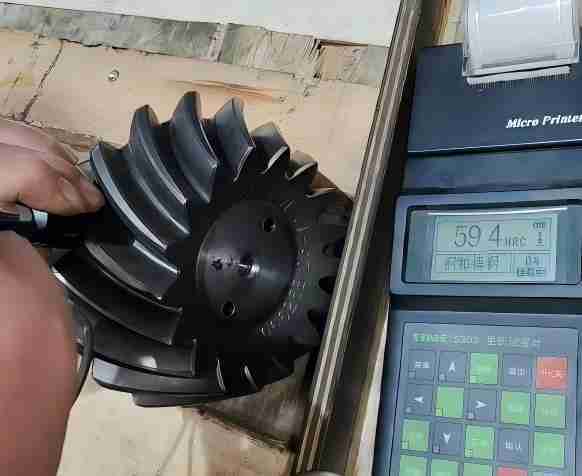
Third, evaluate total cost and lead time. Custom Klingelnberg bevel gears typically carry a premium over Gleason designs due to specialized tooling (hobs/cutter heads) and slower cycle times (continuous indexing versus intermittent indexing). Expect lead times of 8–12 weeks for prototypes and 6–8 weeks for production runs after initial setup. However, the field performance often justifies the investment: lower operating temperature, longer bearing life, and reduced warranty claims. Before finalizing, request a sample inspection report, a material test certificate (e.g., 20MnCr5 or 17NiCrMo6-4 case-hardened to 58–62 HRC), and a clear statement of interchangeability. By following these steps, purchasing Klingelnberg bevel gear becomes a strategic decision that delivers reliability rather than a reactive purchase driven by emergency breakdowns.