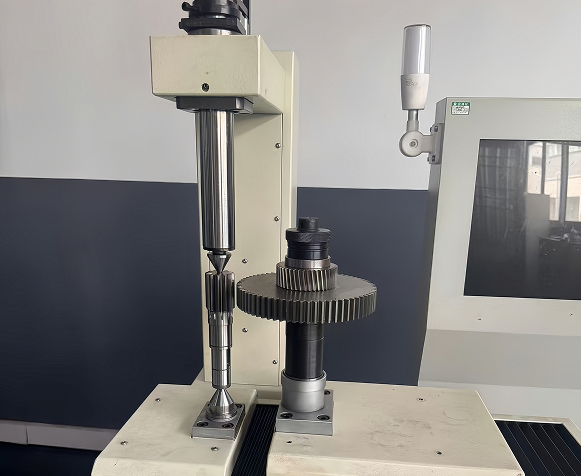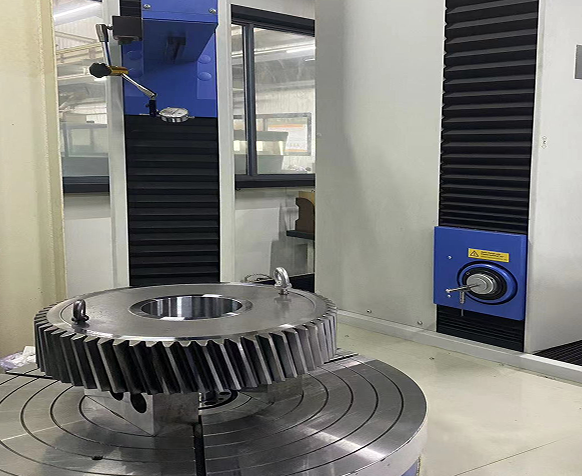

A precision helical gear is a helical-toothed cylindrical gear whose profile and lead are ground or fine-hobbed to DIN/ISO 5–6 accuracy (down to grade 4 where required) with surface finish around Ra 0.4 or better, delivering high contact ratio, low noise and low vibration in high-speed or positioning-critical drives.
Advantages of precision helical gears:
- Smoother, quieter transmission: The helical tooth form enters mesh progressively along the helix, so more tooth pairs share the load at any instant, cutting vibration and impact well below spur gears for noticeably quieter running.
- Higher torque capacity in the same envelope: Long-line contact lets the gear carry more torque at equal volume and module, with stress spread evenly across the tooth flank and far less local concentration.
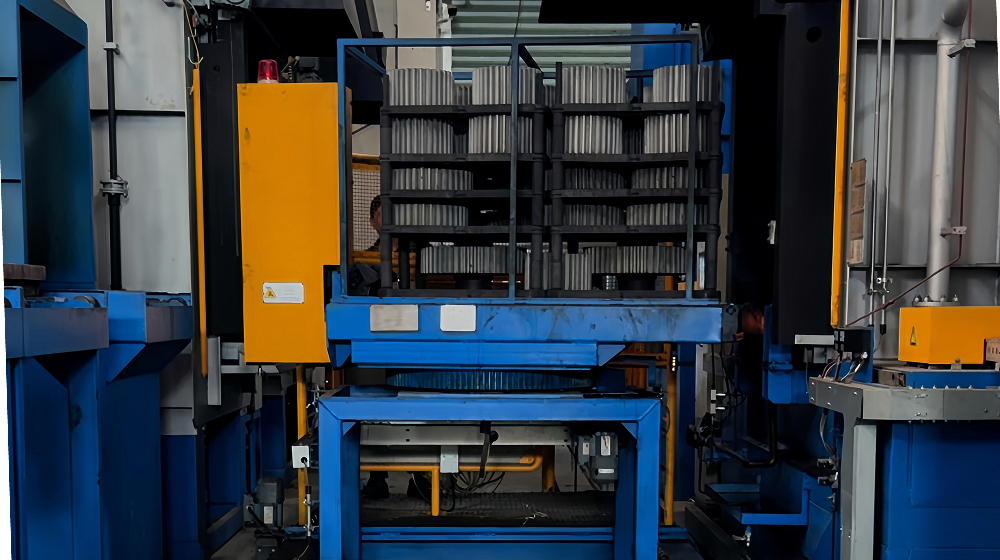
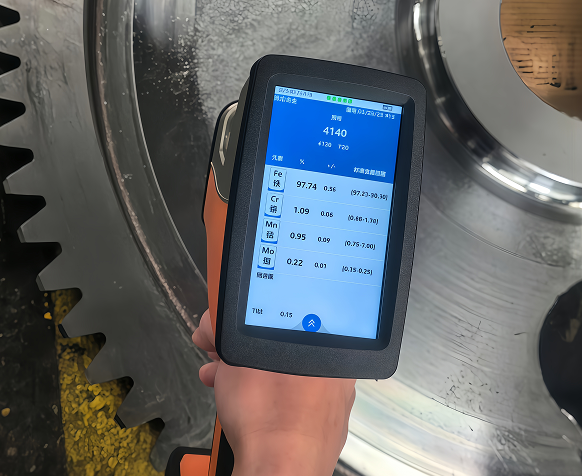
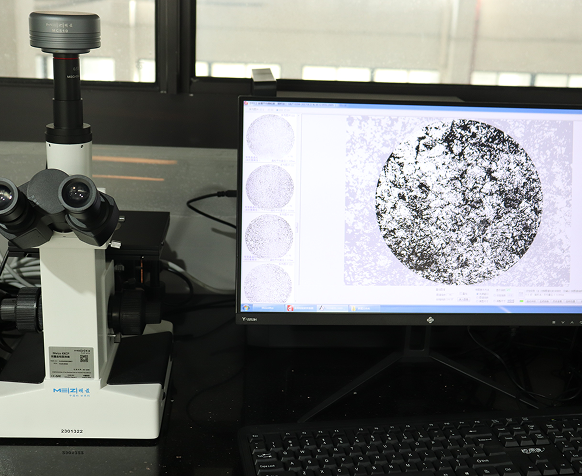
- Long life under heavy-load duty: Carburized 18CrNiMo7-6 delivers roughly 60 HRC at the surface for resistance to pitting, wear and spalling, while a tough core guards the tooth root against fracture during starts and shock loads.
- Accuracy customizable: Tooth grinding after heat treatment corrects distortion and stabilizes flank geometry, keeping backlash and efficiency under control and reducing gearbox set-up and rework on every lot.
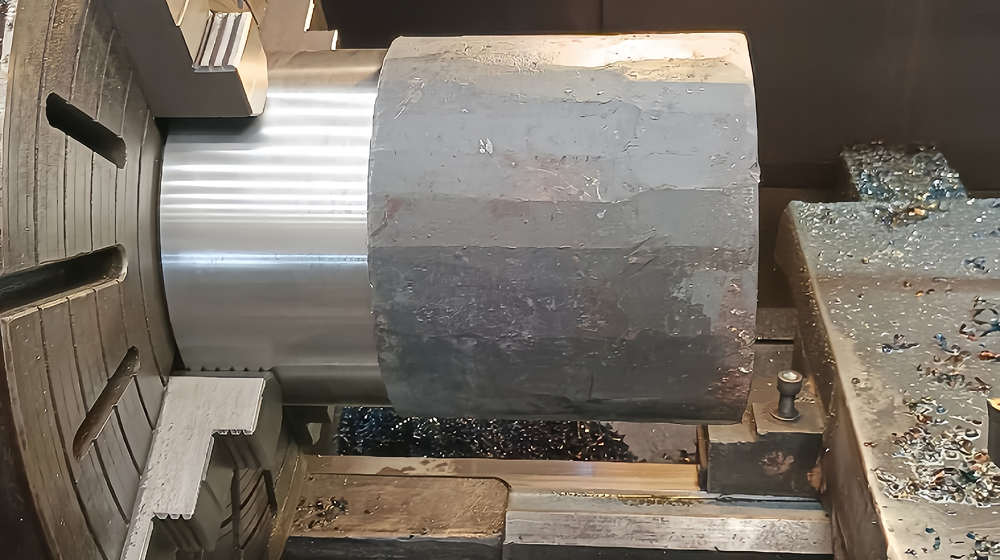
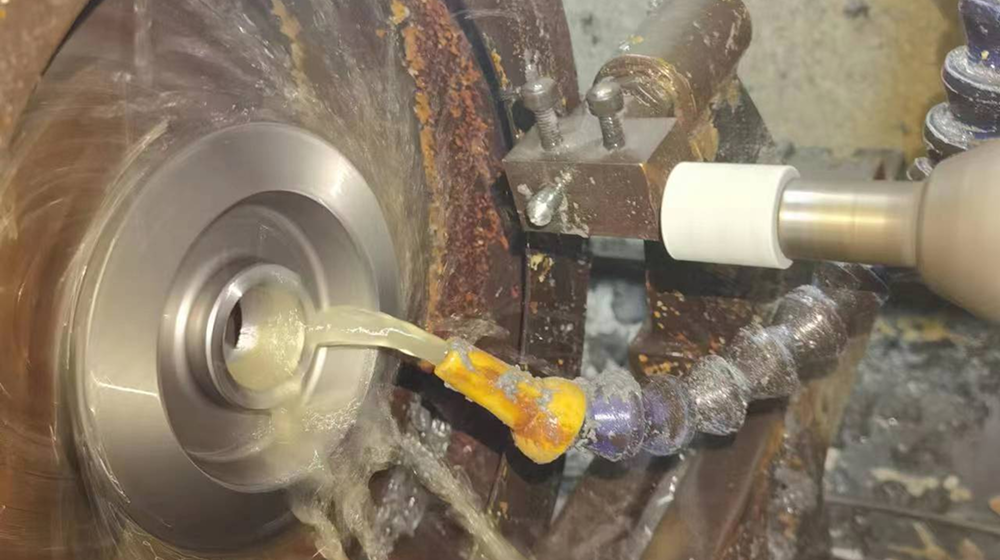
On precision helical gears, Belon’s real competitiveness lies less in how precise a single part can be than in turning accuracy, cost and lead time into a selectable combination of process routes. For the same drawing, we pick the best-fit route across hobbing, power skiving, hobbing plus shaving, hobbing plus grinding, milling plus grinding, 5-axis machining and rough hobbing/milling — high-speed hobbing and skiving for small-module, high-volume work; post-heat-treatment grinding for medium-module, high-accuracy parts; 5-axis machining with rough hobbing/milling for very large modules and diameters. Customers pay for the accuracy they actually need, not for process redundancy.
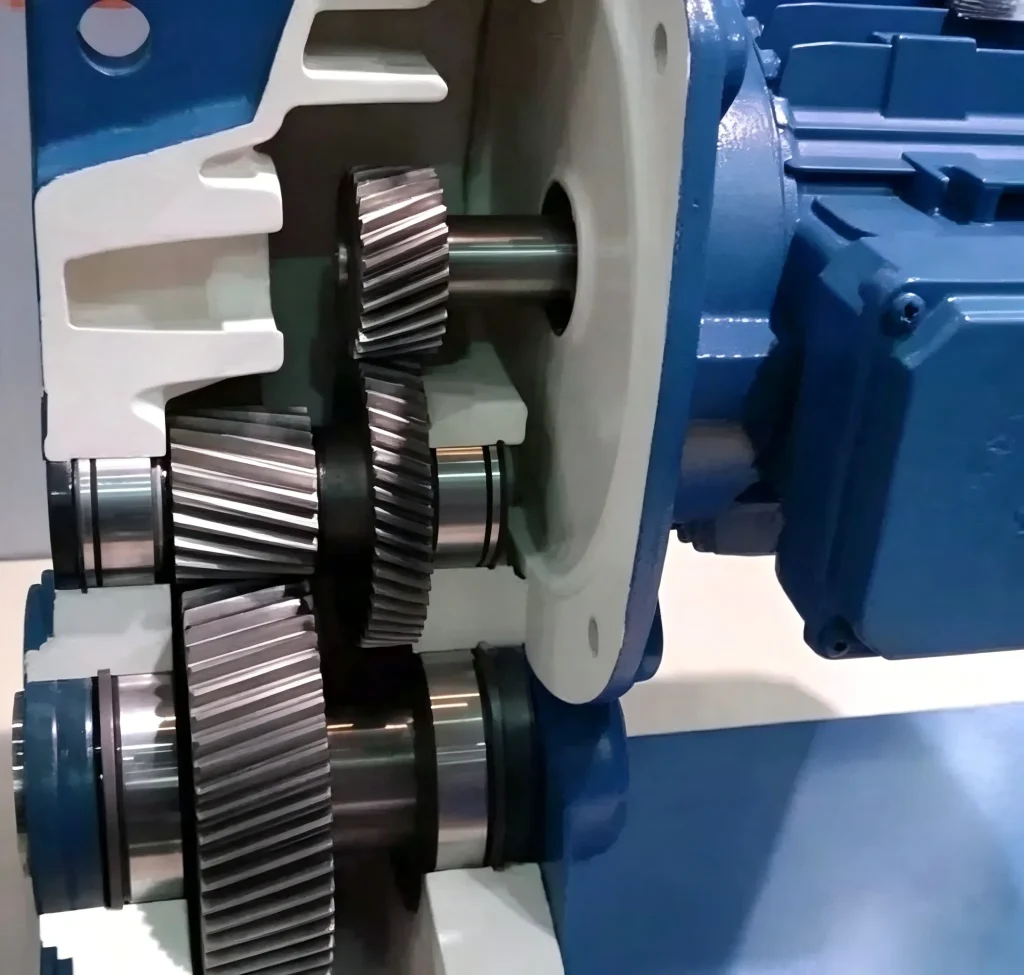
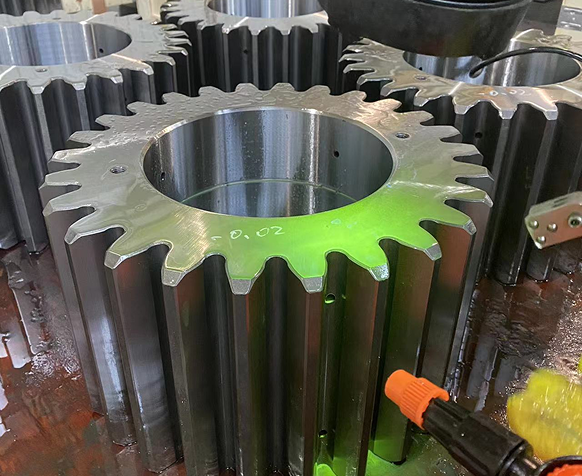
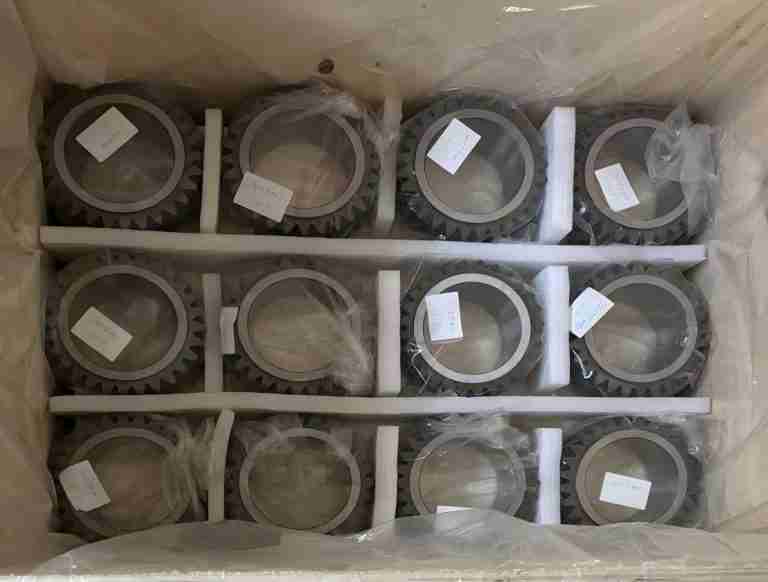
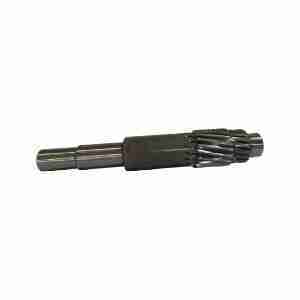
The photo showcases a typical example of precision helical gear made by BELON used for gearbox. This helical gear uses 18CrNiMo7-6 material, a high-end carburized alloy steel. After carburizing, the surface hardness reaches a stable 60HRC, making the tooth surface extremely wear-resistant. It is not prone to pitting, wear, or spalling during long-term high-speed, heavy-load operation. Simultaneously, the steel’s internal toughness is maximized, making it less susceptible to tooth root fracture under the enormous impact loads of heavy trucks, agricultural machinery, and high-power electric vehicles during starting, climbing, and sudden braking. Deformation after heat treatment is also minimal, thus achieving a high precision level of 6.