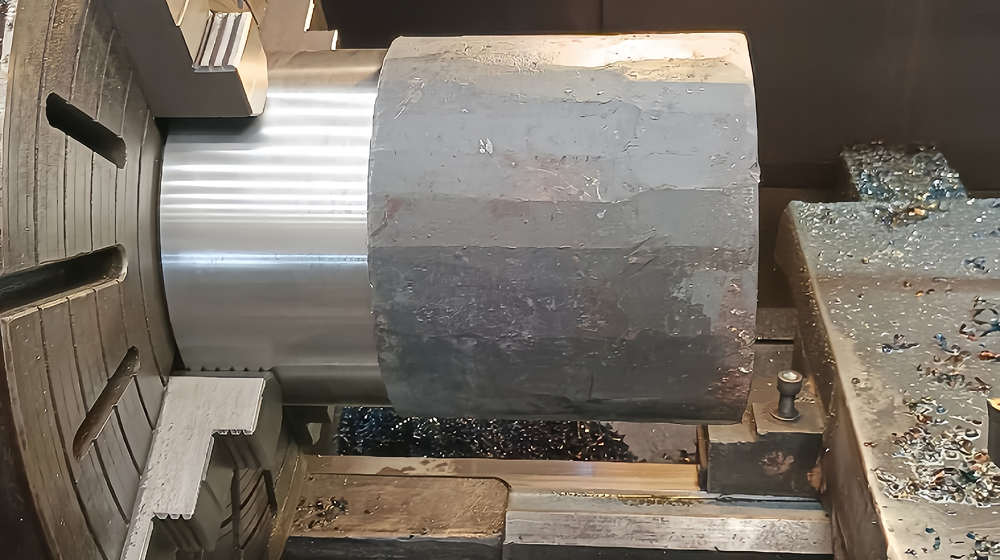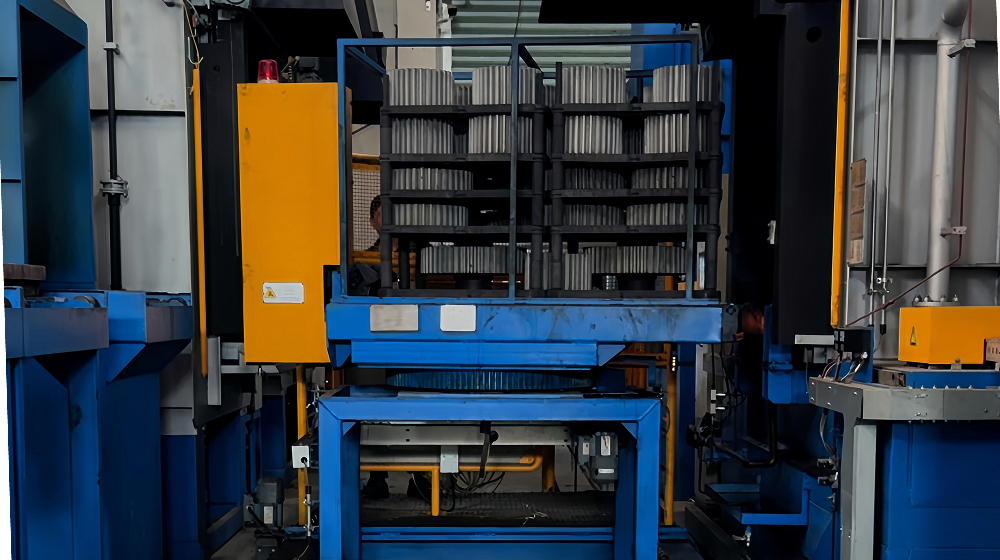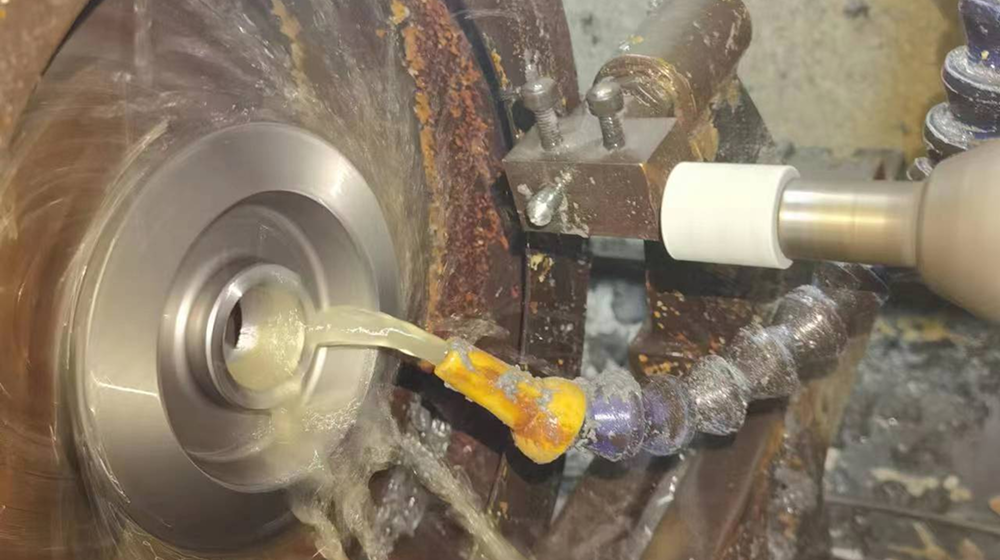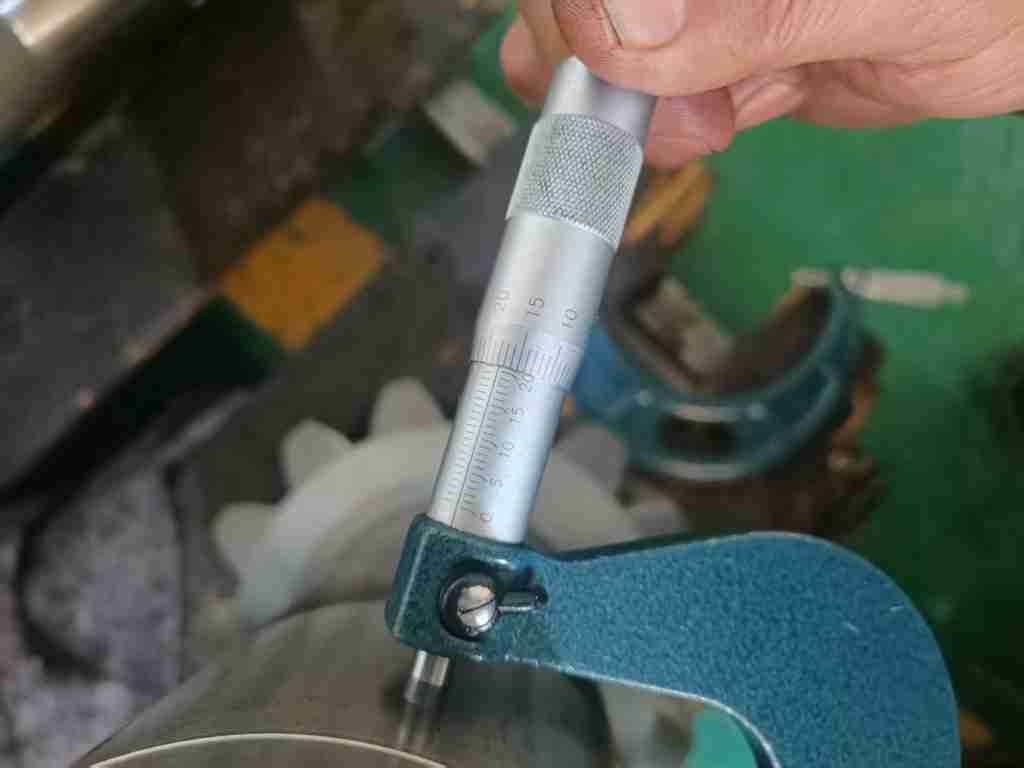

Helical gear parts are precision drive components with angled teeth that deliver smooth, low-noise power transmission for gearboxes and industrial machinery, including helical gears, pinion shafts and matched gear assemblies.
Key Features of Helical Gear Parts
- Higher load capacity and stable performance under high rotational speeds
- Available in precision grades ISO 6–7 for tight-tolerance industrial equipment
- Typically manufactured from alloy steel, with carburizing heat treatment for wear resistance and core toughness
- Suitable for precision machinery, printing equipment, material handling and general industrial gearbox drives
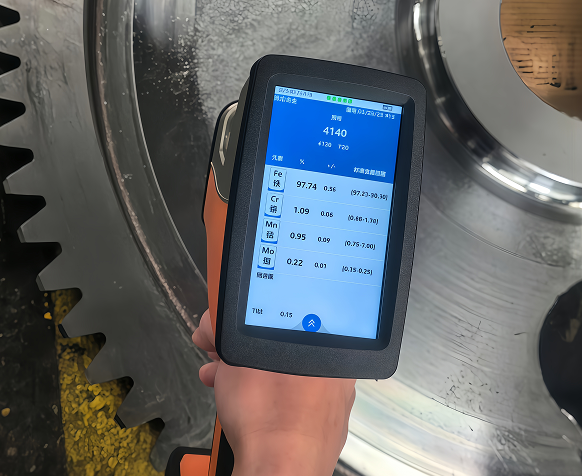
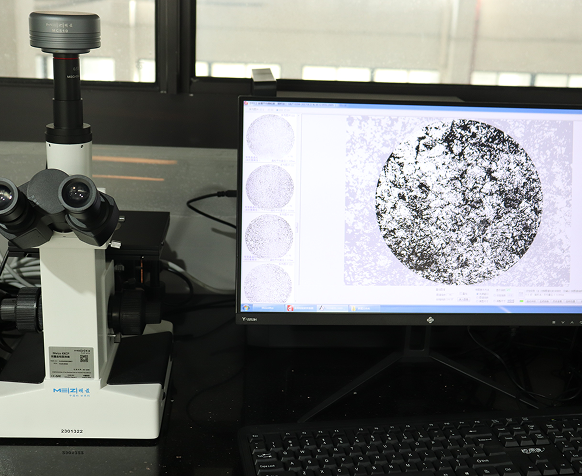
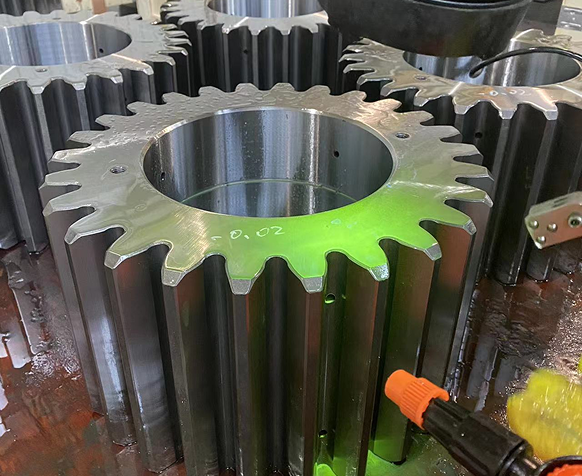
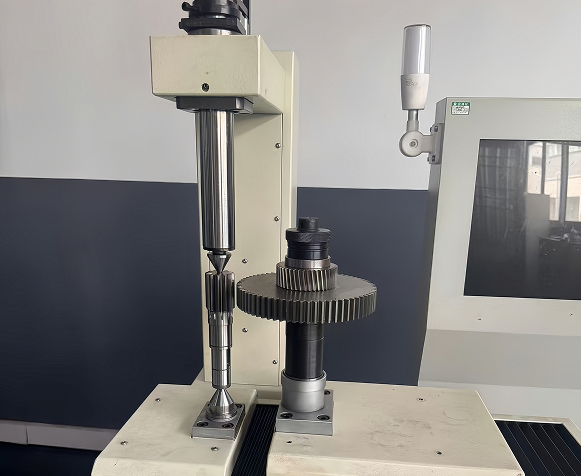
BELON supplies custom helical gear parts, covering fine‑pitch printing gears and heavy‑duty drive components. We achieve ISO 5–7 precision via power skiving and gear grinding for quiet, stable high‑speed meshing. Multiple alloy steel options such as 16MnCr5, 20CrMnTi and 8620 are available with reliable carburizing treatment. We accept OEM orders from drawings or samples with flexible MOQ, full quality inspection and professional engineering support for your transmission applications.
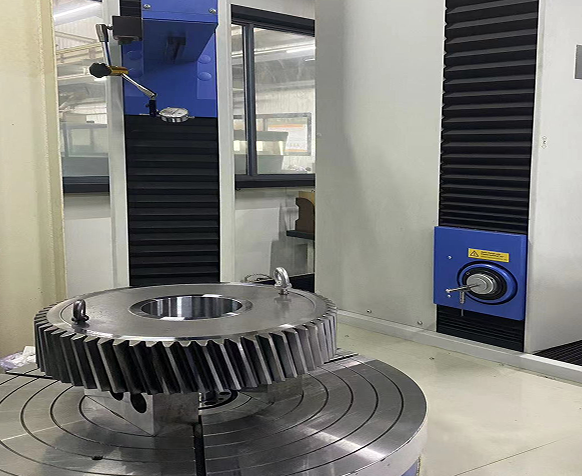
This helical gear shown in the photo is made by BELON, and it features 113 teeth; a higher tooth count increases the contact ratio, meaning more pairs of teeth share the load simultaneously during meshing. This results in more uniform load distribution across individual teeth, significantly reducing transmission shock and vibration, and quieter operation—making it ideal for applications requiring smooth performance and low noise levels. Furthermore, the multi-tooth engagement ensures a more even distribution of loads, thereby lowering the contact stress on individual teeth.
Additionally, the OEM helical gear is manufactured from 16MnCr5 steel using a carburizing and quenching process, achieving a surface hardness of HRC 58–62. This provides exceptional wear resistance, enabling the gear to withstand prolonged, high-frequency meshing friction while effectively preventing tooth surface wear and pitting, ultimately extending the gear’s service life.