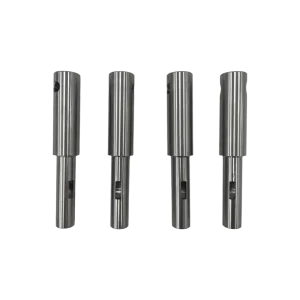

An idler shaft for automobile transmissions is not the star of the show. It does not send power to the wheels. It does not connect to the engine. Its job is simpler – it holds a gear that passes power from one gear to another. That is all. No flash, no glory.
So why do you even need one? Because gears do not always line up the way you want them to. Sometimes the gear that brings power in is too far from the gear that sends power out. You need something in between to bridge that gap. That is exactly what an idler shaft for automobile does. It holds that bridge gear and keeps everything spinning together.
Another reason is direction. Two gears that mesh together always spin in opposite directions. But sometimes you want them to spin the same way. The only way to do that is to put a third gear in between. That third gear sits on an idler shaft. So when you shift into reverse, that is what happens. An idler gear slides in, reverses the direction, and your car goes backward.
Idler shafts also help with packaging. Car transmissions have to fit in a tight space. You cannot just put gears wherever you want. Sometimes you need to move power from one shaft to another that is not close enough. The idler shaft solves that problem without taking up much room.
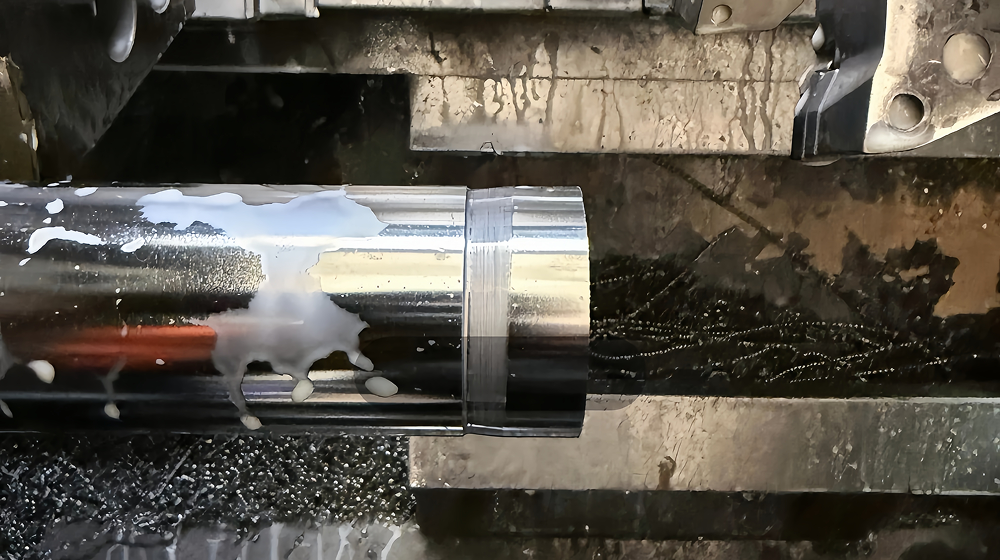
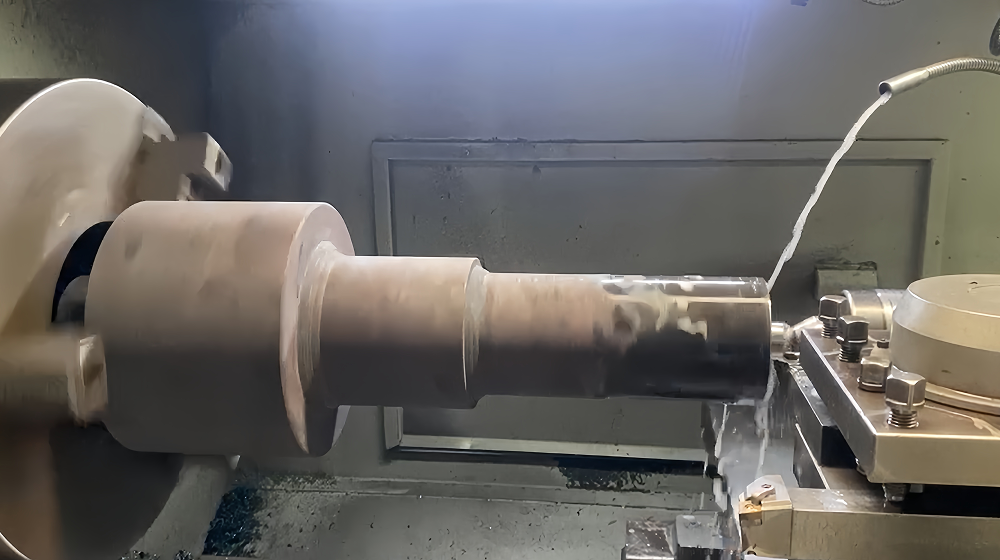
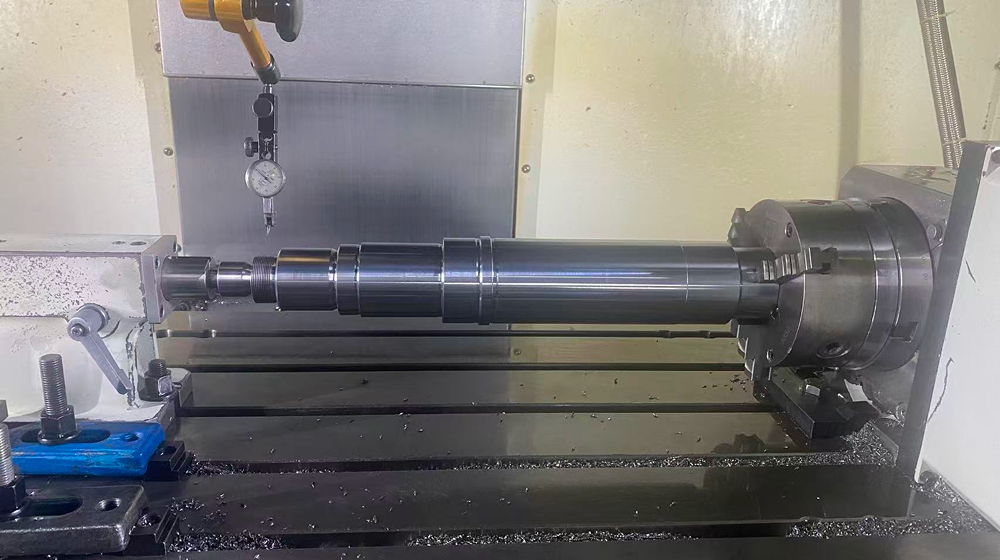
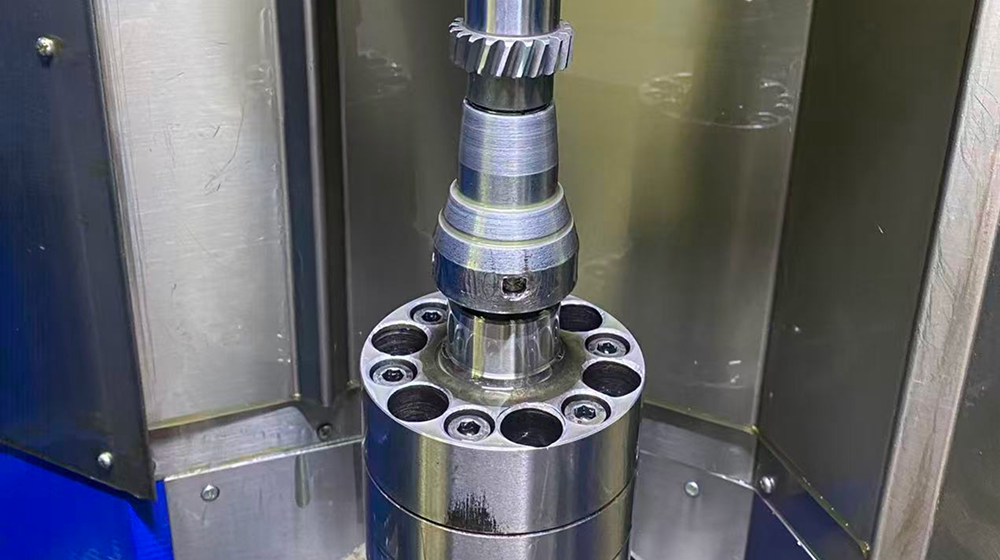
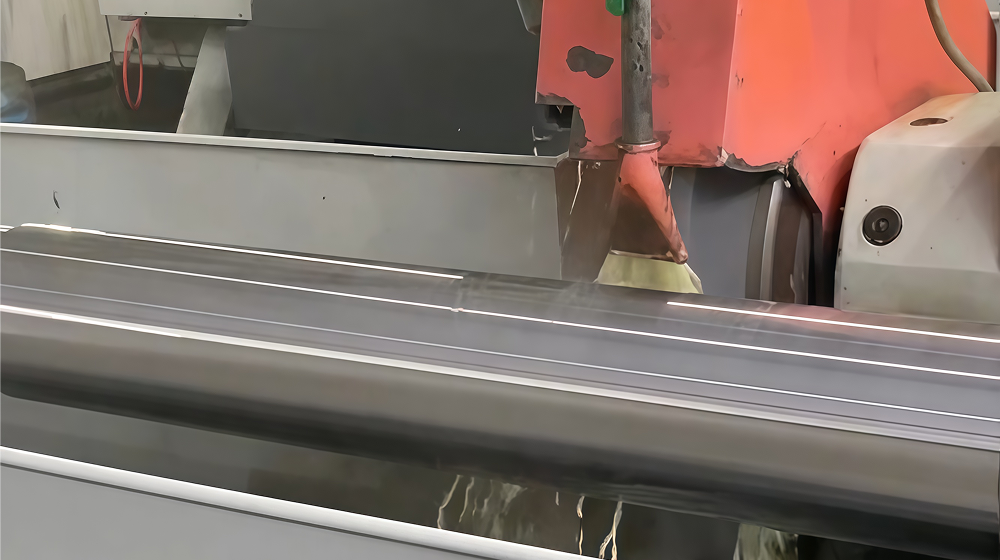
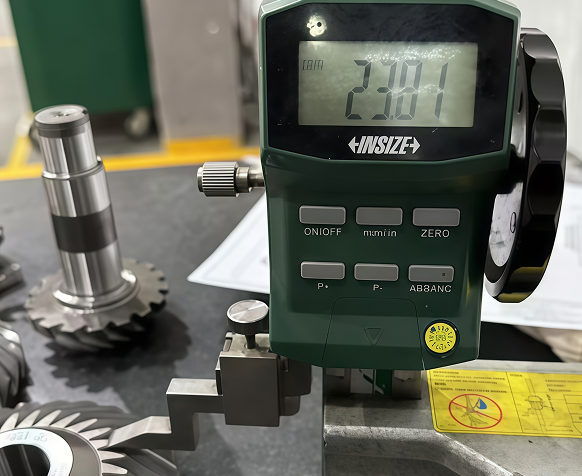
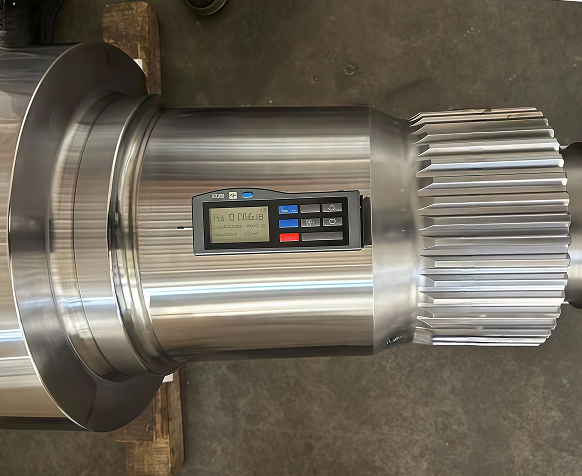
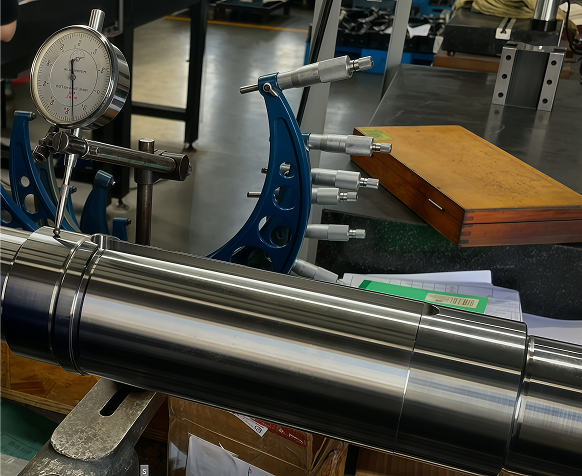
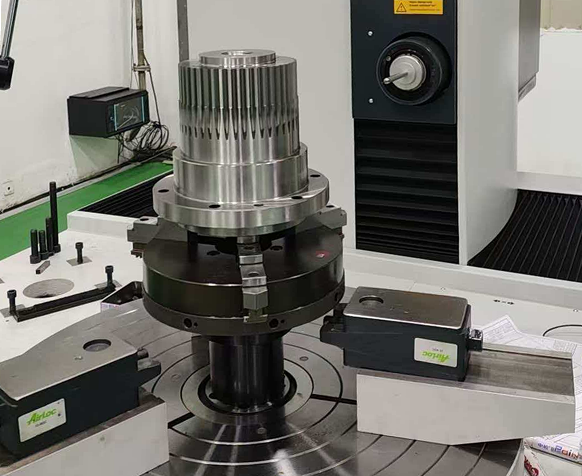
Making an idler shaft is not complicated. You start with a steel bar. Turn it down to size. Cut gear teeth into it if they are machined directly, or press a gear onto it. Heat treat it so the surface gets hard and lasts longer. Then grind the bearing journals so everything spins smoothly.
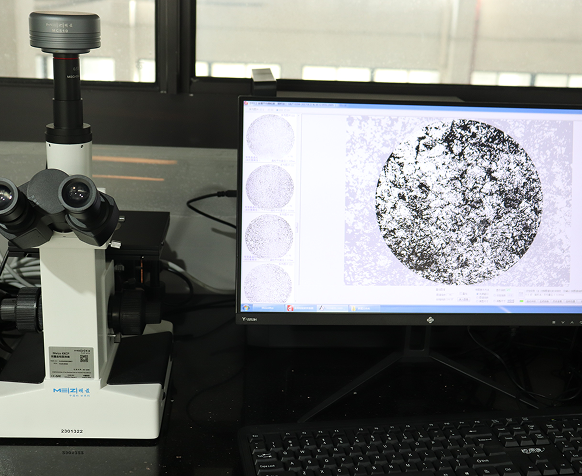
The material we use is good alloy steel – strong enough to handle the torque, tough enough to take shocks without breaking. Idler shafts do not carry heavy loads like the main shafts, but they still need to hold up.
So next time you put your car in reverse, there is an idler shaft for automobile doing its part. It is a small part that makes a big difference. You will not see it. You will not hear it. But it is there, working every time.