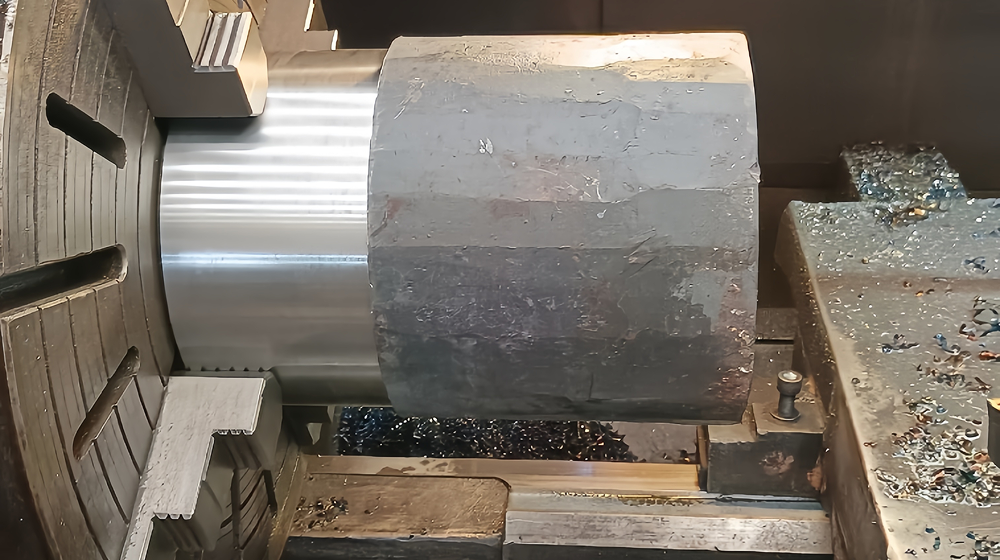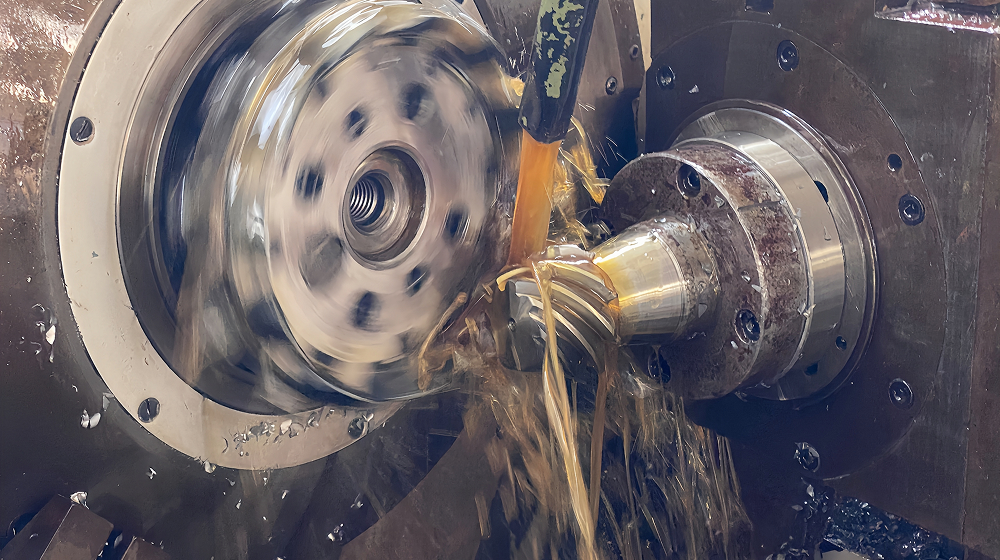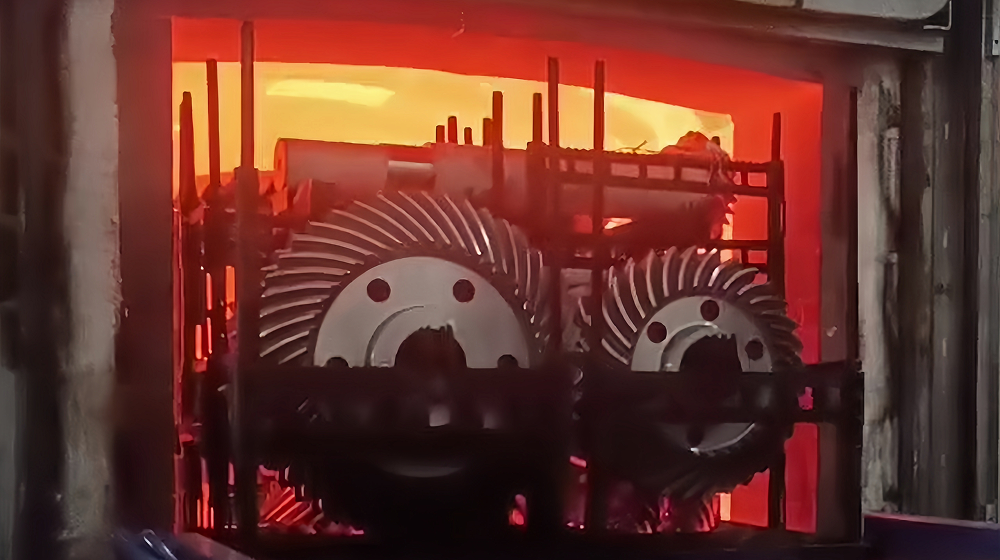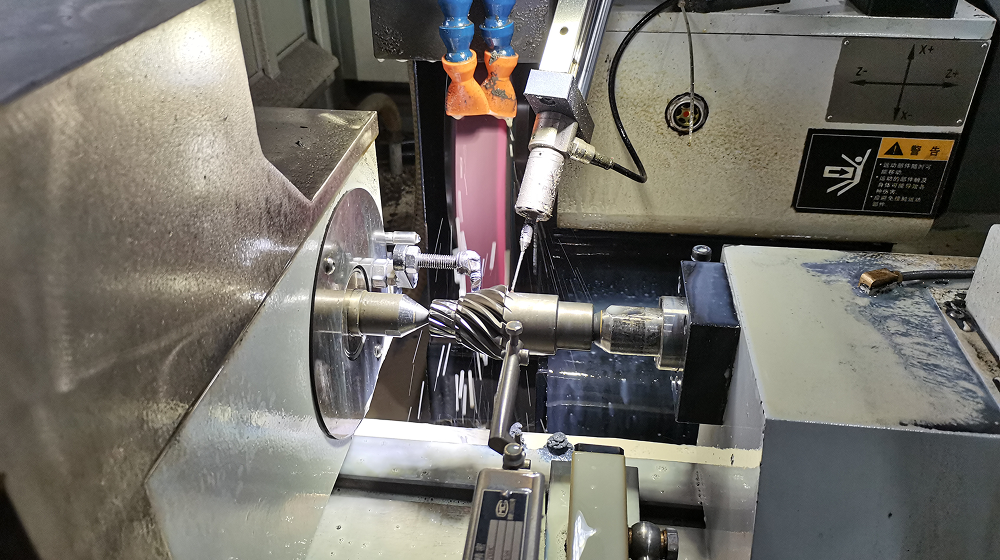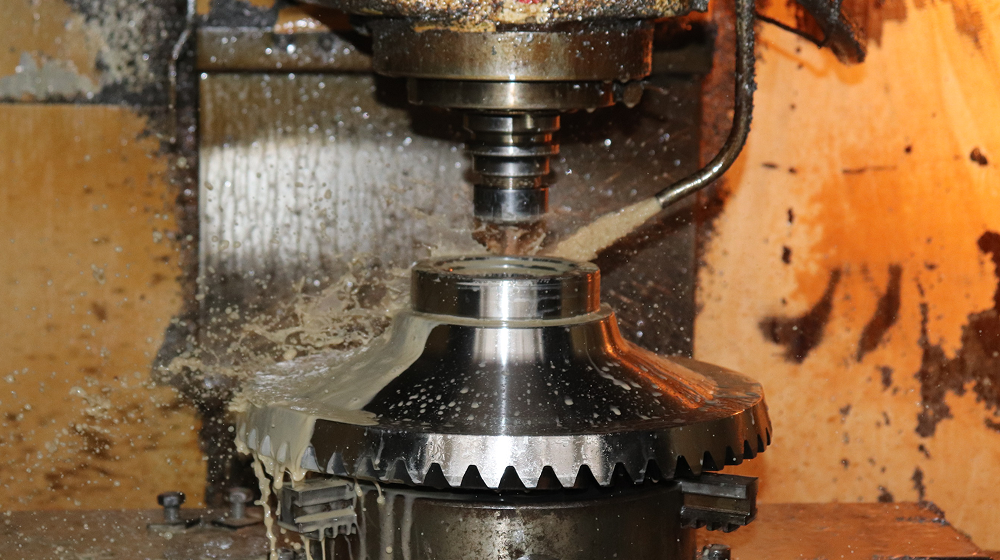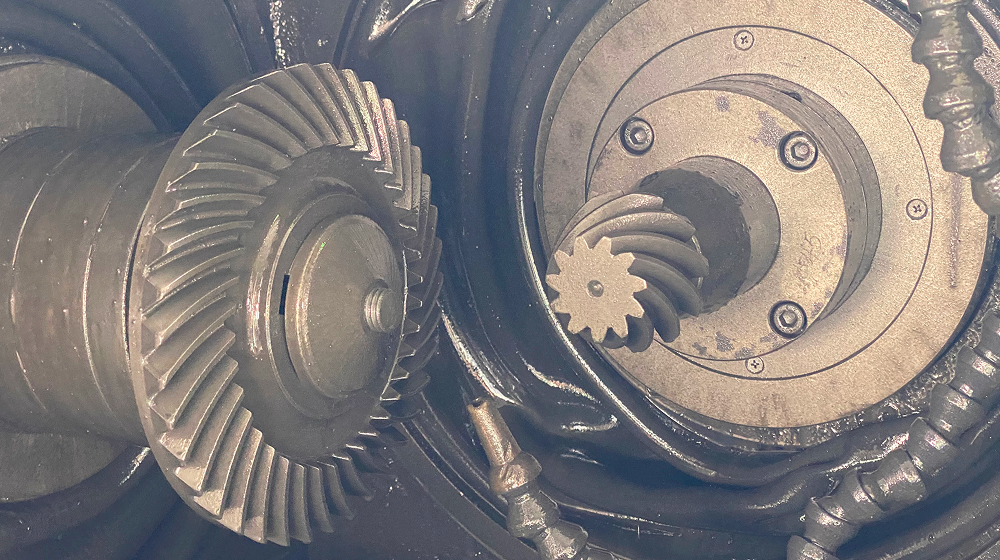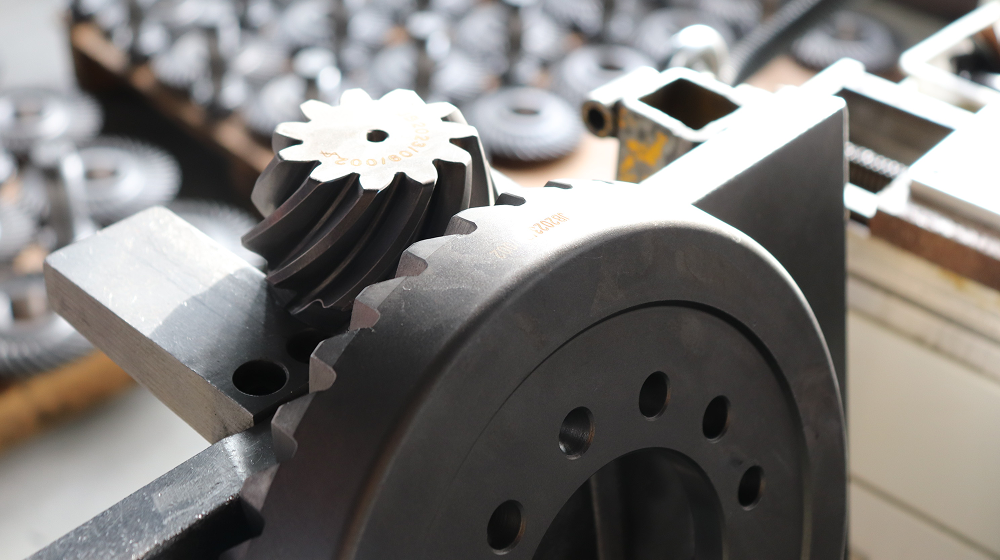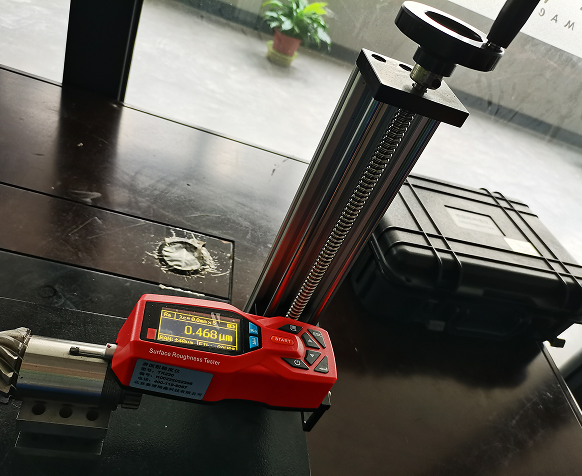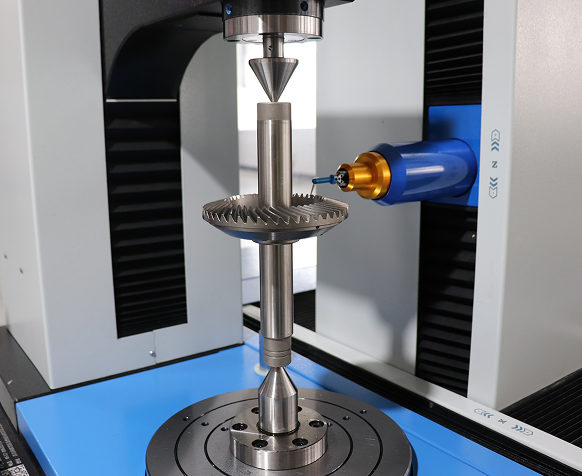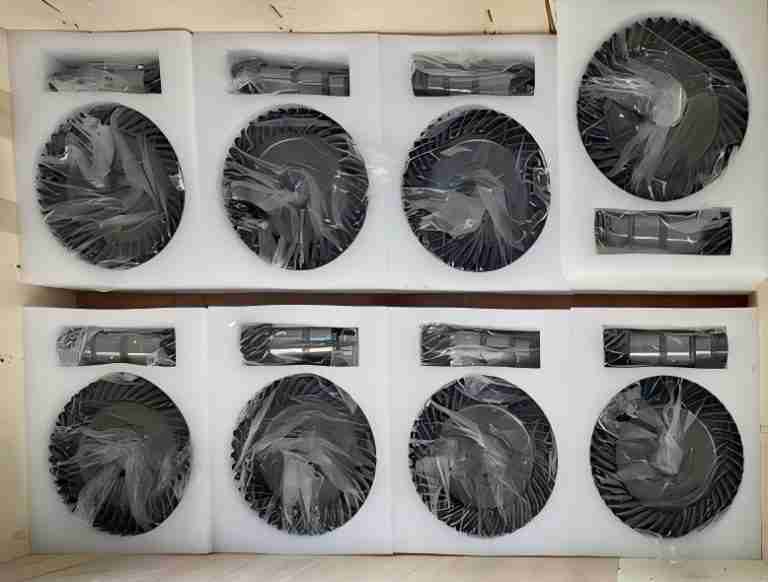

Lapped bevel gears represents a sophisticated surface finishing process that fundamentally transforms the functional performance of heavy duty gear sets by refining tooth surfaces to exceptional smoothness and establishing geometric harmony that conventional cutting operations alone cannot achieve. The process involves applying a precisely formulated abrasive compound, typically composed of silicon carbide or aluminum oxide particles suspended in a specialized carrier fluid, between the mating teeth of a bevel gear pair, and then rotating the gears together under controlled load and speed parameters, allowing the abrasive particles to roll and slide across the tooth flanks, microscopically removing minute peaks and irregularities while establishing an intimately matched contact interface between the two gears. This self-correcting mechanism is one of the most remarkable aspects of lapping, because the process inherently tends to produce a heavy duty gear pair that meshes optimally with each other under real-world operating conditions, rather than merely adhering to theoretical geometric standards, which means the finished gear set exhibits a contact pattern that distributes load uniformly across the tooth width and eliminates high-pressure concentrations that would otherwise initiate premature surface fatigue in heavy-load applications. The lapping operation is typically performed in multiple stages, beginning with coarser abrasives for rapid stock removal and surface leveling, followed by progressively finer compounds that refine the surface to near-mirror finishes with roughness values consistently below 0.4 microns Ra, and throughout this sequence, operators carefully monitor parameters such as lapping pressure, rotational speed, cycle duration, and compound flow rate to achieve the optimal balance between material removal and surface integrity for each specific gear geometry and material grade.
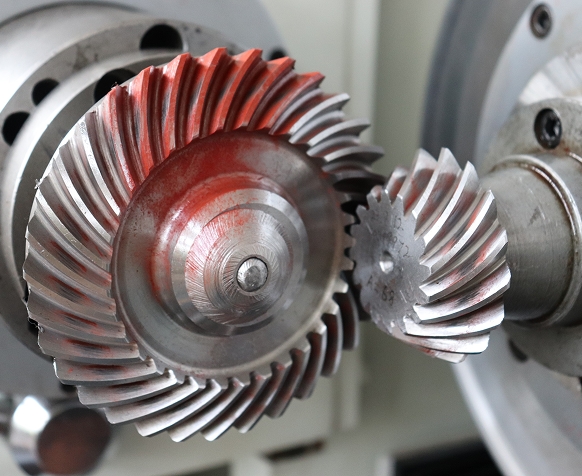
One of the most critical control elements in the lapping process is the contact pattern inspection, where specialized marking compounds are applied to the gear teeth to reveal the actual contact area under simulated load conditions, enabling operators to precisely adjust lapping parameters until the contact pattern matches predetermined specifications that guarantee optimal performance under real operating loads, shaft deflections, and housing deformations. The abrasive compounds used in industrial lapping are available in a broad spectrum of grit sizes and chemical compositions, allowing manufacturers to tailor the process to different gear materials ranging from conventional alloy steels to case-hardened grades and even powder metal components, each requiring specific abrasive characteristics to achieve efficient cutting without damaging the tooth profiles or introducing surface anomalies. Unlike grinding, which relies on rigid wheels and can introduce localized heat damage or micro-cracks if improperly applied, lapping employs free-flowing abrasives that act gently upon the tooth surfaces, producing a beneficial compressive residual stress layer that actually enhances surface fatigue resistance rather than compromising it, a characteristic that makes lapping particularly advantageous for hardened gears where surface integrity is paramount in demanding mining applications. The benefits of lapping extend beyond surface finish alone, as the process also effectively reduces runout, improves tooth-to-tooth spacing consistency, and eliminates harmful edge burrs that could generate unwanted stress risers during operation, all while preserving the basic tooth geometry established by prior cutting operations. While lapping demands specialized equipment, skilled operators, and rigorous process monitoring, the investment is thoroughly justified by the dramatic performance improvements it delivers in heavy industrial settings, including reduced friction losses, lower operating temperatures, extended lubricant life, quieter operation, and substantially increased gear durability, making it an indispensable finishing technology for mining conveyors, crusher drives, and other applications where reliability and longevity are non-negotiable.