Planetary Gear Sets in Marine Propulsion Systems
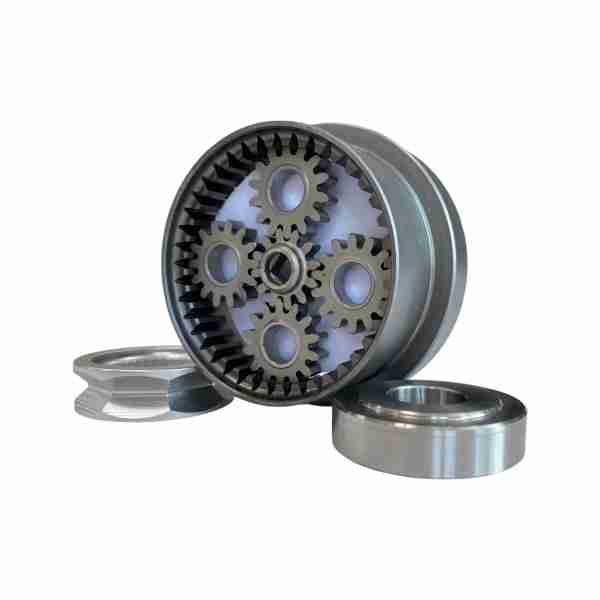
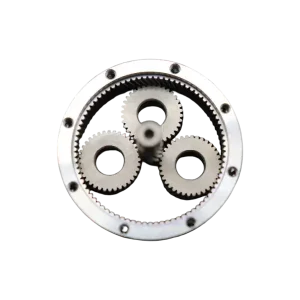
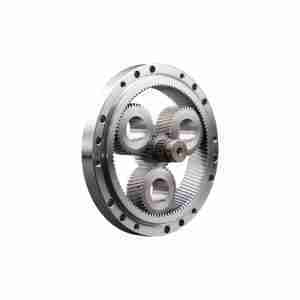
Planetary gear sets play a critical role in modern marine propulsion systems, serving as the core transmission component that transfers power from the main engine to the propeller shaft. In a typical vessel, the planetary gear unit is positioned between the prime mover (diesel engine, gas turbine, or electric motor) and the propeller, functioning as a speed reducer, speed increaser, or power-splitting device. It is most commonly found in main propulsion reduction gearboxes, where it reduces the high-speed rotation of the engine to the optimal lower speed required for efficient propeller operation.
Beyond basic speed reduction, planetary gears are also employed in more specialized marine applications. They are used in contra-rotating propeller systems, where two propellers are arranged coaxially and driven in opposite directions to recover rotational energy losses and improve overall propulsive efficiency. Additionally, planetary gear sets are found in auxiliary drives such as turbine generators, pumps, and compressors aboard ships.
So why do shipbuilders and operators prefer planetary gears over traditional parallel‑shaft designs? The reasons are compelling:
Fuel Efficiency and Environmental Benefits-Studies have demonstrated that vessels equipped with planetary gear drives can achieve fuel savings of up to 20 percent, with average energy savings of 13.5 percent recorded on car carrier vessels. This directly translates to reduced fuel consumption, lower operating costs, and decreased environmental pollution.
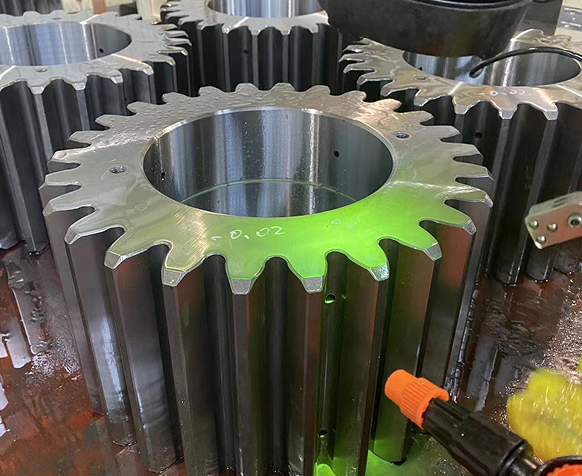
Compact Size and Weight Reduction-The inherent coaxial design of planetary gears allows for a much more compact transmission footprint compared to traditional parallel-shaft gearboxes. This compactness enables better engine room layout and frees up valuable space for cargo or other equipment. The low weight-to-power ratio also increases the vessel’s payload capacity.
High Reliability and Robustness-Planetary gear units distribute torque across multiple planet gears simultaneously, significantly reducing the load on individual gear teeth and enhancing overall durability. They are designed to be insensitive to ship hull deformation even under extreme operating conditions, ensuring high reliability throughout the vessel’s service life.
Low Noise and Vibration-The multiple load paths and inherent symmetry of planetary gear sets result in smooth, quiet operation with low vibration levels. This is particularly important for naval vessels requiring acoustic stealth and for luxury yachts where passenger comfort is paramount.
Operational Flexibility-Planetary gearboxes support auxiliary power take-off (PTO) and power take-in (PTI) configurations, allowing connection to secondary power sources such as electric motors for special operating modes like ultra-quiet low-speed running.