Belon-machinery-gear-manufacturing-company-gear-solutions-providerBelon-machinery-gear-manufacturing-company-gear-solutions-provider
Contact Us
custom-gear-lapped-gears-spiral-bevel-gears-gears-factory-Belon

Custom Lapped Gears Spiral Bevel Gears

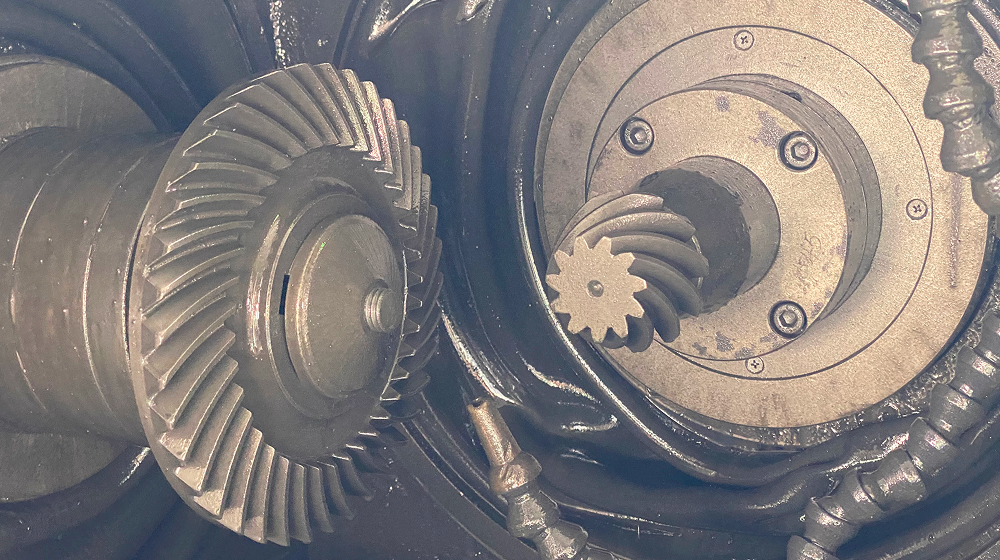
Lapping is a finishing process for gear teeth that removes microscopic high spots from the tooth surface. Unlike grinding, which removes material to achieve a precise dimension or tooth profile, lapping is about surface quality and contact pattern. The gear is assembled with its mating gear on a lapping machine. An abrasive compound – a mixture of hard particles such as silicon carbide or aluminum oxide suspended in oil – is applied between the teeth. The gears are rotated together under controlled pressure. The abrasive particles are harder than the gear material. As the gears turn, these particles cut or roll between the contacting tooth surfaces, removing material only where the teeth touch. High spots are removed first. As they are removed, contact spreads across more of the tooth surface. The process continues until the contact pattern is uniform across the tooth width and height.

Why is lapping necessary? Because no cutting process produces a perfectly smooth tooth surface. Every gear cutting method – hobbing, shaping, milling, broaching – leaves behind microscopic peaks and valleys. These peaks, or high spots, are where the teeth touch first when the gear is loaded. Under load, these high spots carry a disproportionate share of the force. They become localized stress concentrators. They generate heat. They break through the lubricant film. They wear rapidly, creating debris that accelerates wear on the rest of the tooth surfaces. This creates a self-accelerating wear cycle. Once it starts, it cannot be stopped. The gear will fail, and it will fail sooner than it should.

Lapping breaks this cycle. By removing the high spots before the gear enters service, lapping ensures that the load is spread evenly across the tooth surface. No single spot overheats. The oil film stays intact. Wear is slow and uniform. The results are measurable. Noise levels drop by 3 to 5 decibels. Vibration decreases. Contact stress is reduced. Wear life extends by 30 to 50 percent or more. Break-in time is drastically shortened. For large module gears – typically module 10 and above – lapping is almost mandatory. For smaller gears, lapping delivers smoother operation and longer life at a modest cost. Lapping is not a substitute for good design or proper heat treatment. But when combined with both, it produces gears that perform reliably under high load, run quietly, and last for years.

Specification
Module
4
Application
Gearbox
Material
20CrMnTi
Heat Treatment
Case hardening 58-62 HRC
Accuracy
DIN 7
Contact Us

Heat Treatment And Material Integration


For steel bevel gears that require high strength and wear resistance, heat treatment is essential. And for heat-treated gears, lapping is often the difference between a gear that performs and a gear that fails prematurely. Understanding the relationship between material, heat treatment, and lapping is critical for producing high-quality bevel gears.

  • Material selection: Not all materials lap equally well. The best materials for lapping are those that respond well to heat treatment and have a uniform microstructure. 20MnCr5 (similar to 8620) is a carburizing steel with low initial carbon content of 0.17 to 0.22 percent. After carburizing, surface carbon rises to 0.7 to 0.9 percent. The gear is then quenched and tempered to achieve a hard surface of 58-62 HRC and a tough core. This combination is ideal for lapping. The hard surface resists abrasive wear during lapping while allowing controlled material removal. The tough core prevents cracking under lapping pressure. 8620 is similar and laps well after carburizing. 40Cr is a through-hardening steel reaching approximately 48-52 HRC. It laps adequately but does not achieve the same surface quality as carburized steels because the hardness is lower and the microstructure is less uniform. Stainless steels and brass require finer abrasives and longer cycle times.
  • The sequence for carburized gears: The correct sequence is cut, then heat treat, then lap. Heat treatment is performed after cutting because cutting a hardened gear is difficult and expensive. However, heat treatment introduces distortion, scale, oxidation, or decarburization. Lapping after heat treatment removes these surface irregularities and establishes the final contact pattern. Heat treatment after lapping is almost never done, because the heat would relax surface stresses, alter the microstructure, and ruin the carefully established contact pattern. The only exception is a very light stress relief bake below 150°C.
  • How heat treatment affects lapping behavior: A properly heat-treated gear laps predictably. The hard surface resists excessive material removal. The lapping process removes only the high spots – typically 2 to 5 microns of material – leaving the bulk tooth geometry unchanged. A poorly heat-treated gear – one with soft spots, uneven case depth, or excessive distortion – does not lap well. The abrasive may dig into soft areas, creating gouges. Uneven case depth leads to uneven lapping rates across the tooth surface. Distortion may cause the gear to bind or contact incorrectly. Lapping reveals heat treatment problems; it does not fix them.
  • Case depth and lapping: For carburized gears, case depth is typically 0.5 to 1.5 mm depending on module size. Lapping removes only a few microns – far less than the case depth. The lapped surface remains fully hardened. This is important: if lapping removed enough material to reach the soft core, the gear would fail rapidly in service. But with proper case depth, lapping is completely safe.
  • Common heat treatment-related lapping issues: Soft spots are caused by uneven carburizing or quenching. Soft spots lap faster than hard areas, creating uneven tooth surfaces. The solution is to improve heat treatment consistency. Excessive distortion is caused by inadequate fixturing during heat treatment or improper quenching. Distorted gears cannot be lapped to a good contact pattern because the geometry is wrong. The solution is to control distortion before lapping. Decarburization is a thin layer of soft, low-carbon material on the tooth surface caused by oxygen exposure during heat treatment. Decarburized material laps away quickly, but if the decarburized layer is deeper than the lapping allowance, the final surface will be soft. The solution is to prevent decarburization with controlled atmosphere heat treatment. Residual abrasive retention occurs when hardened steel surfaces embed abrasive particles during lapping. If these particles are not thoroughly cleaned, they cause rapid wear in service. The solution is aggressive post-lapping cleaning including high-pressure washing and ultrasonic cleaning.

Lapping and heat treatment are partners. Heat treatment gives the gear its hardness and strength. Lapping gives it a smooth surface and correct contact pattern. Neither can replace the other. When both are done correctly, the result is a bevel gear that performs reliably under high load, runs quietly, and lasts for years.

lapped-gears-custom-gear-supplier-Belon-gears-factory
Production process

9-Step Production Process

Forging
Turning
Gear Milling
Heat Treatment
ID & OD Grinding
CNC Machining
Gear Lapping
Marking
Clean & Package
1
2
3
4
5
6
7
8
9
High-precision-forging-gear-production-process-Belon-China-manufacturer

Forging

When gears need high performance that needs to withstand high loads, high stress, impact loads or fatigue loads, forgings are suggested to use. Forging allows metal fibers to be continuously distributed along the gear profile, significantly improving root strength and fatigue life.
High-precision-turning-gear-production-process-Belon-manufacturer

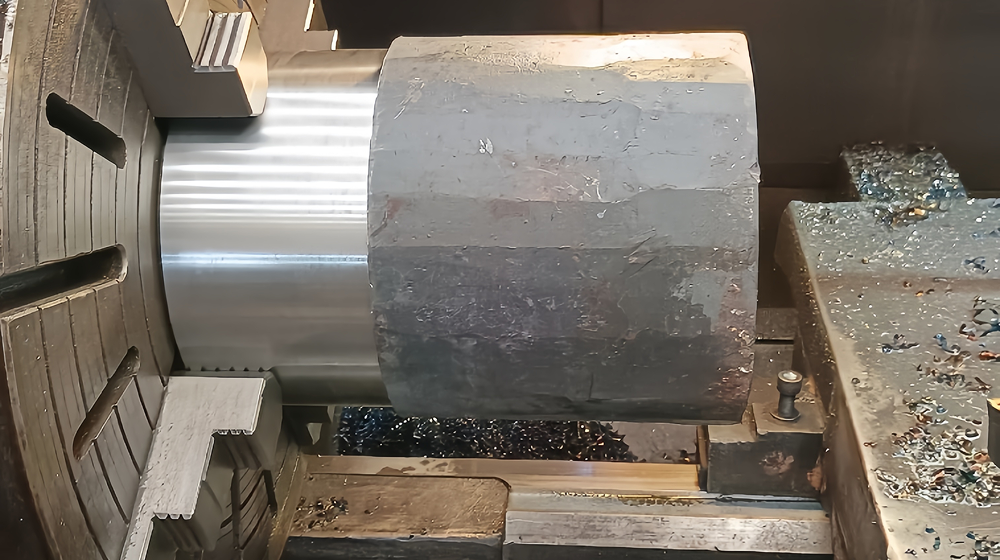
Turning

This is the process of cutting and shaping solid materials into precise parts. It uses tools like lathes, mills, and drills to remove excess material. Machining transforms a simple block of metal into a finished, functional component.
Large-module-lapping-bevel-gear-custom-gear-manufacturer-gear-supplier-Belon

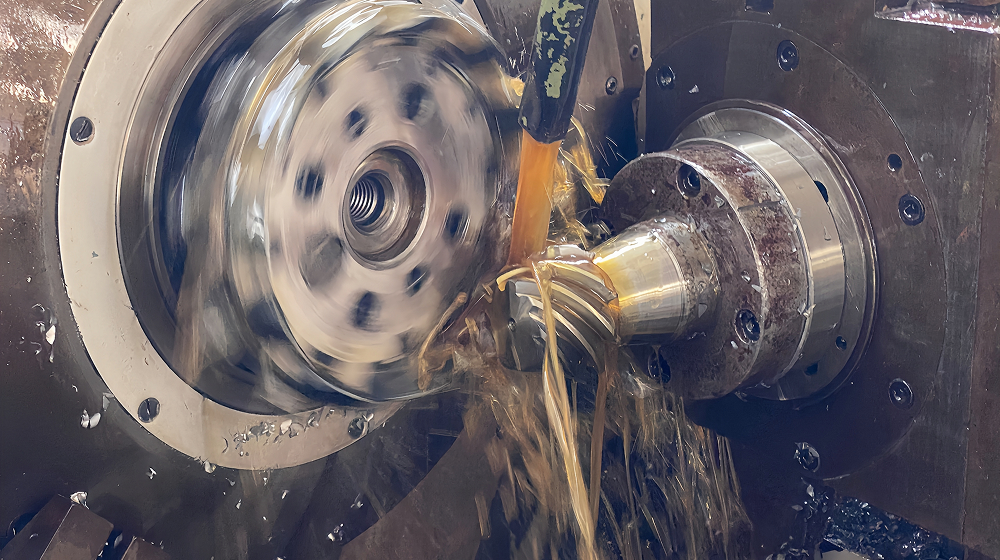
Gear Milling

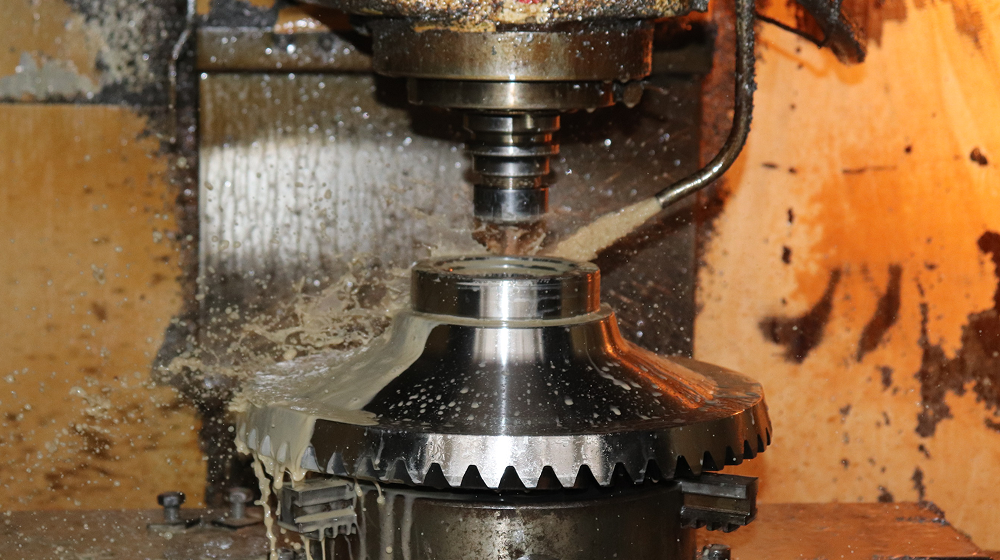
Gear Milling is a gear cutting process that used a rotating from cutter shaped to match the exact space between two gear teeth is plunged into the gear blank. After cutting one tooth space, the blank is indexed to the next position .
Gear-Heat-Treatment-process-Belon-gear-manufacturer

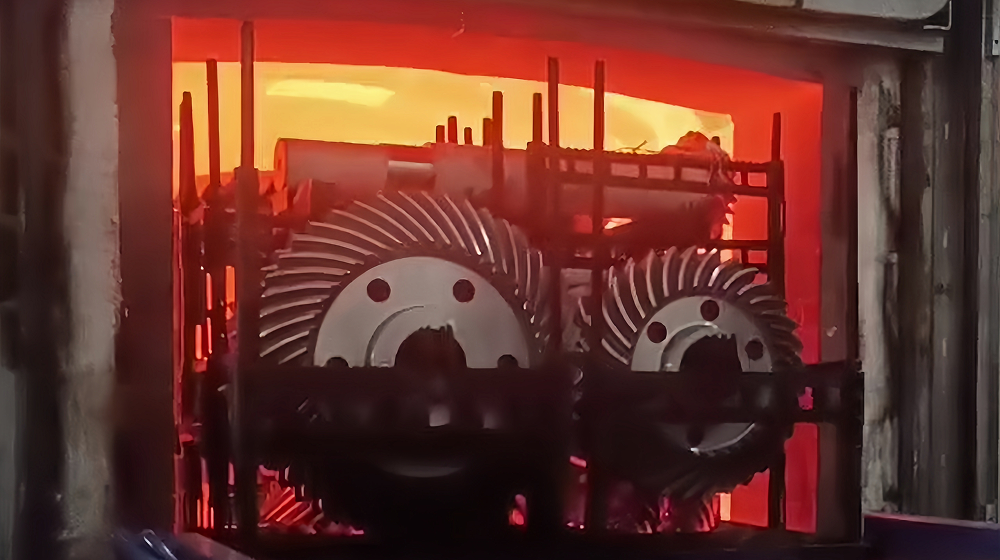
Heat Treatment

Gears need to be running with two gears or above two gears, that makes them easy to be worn-out. That’s why most types of gears need to be harden through heat treatment.
Large-module-lapping-bevel-gear-OD-grinding-process-gear-manufacturer-Belon

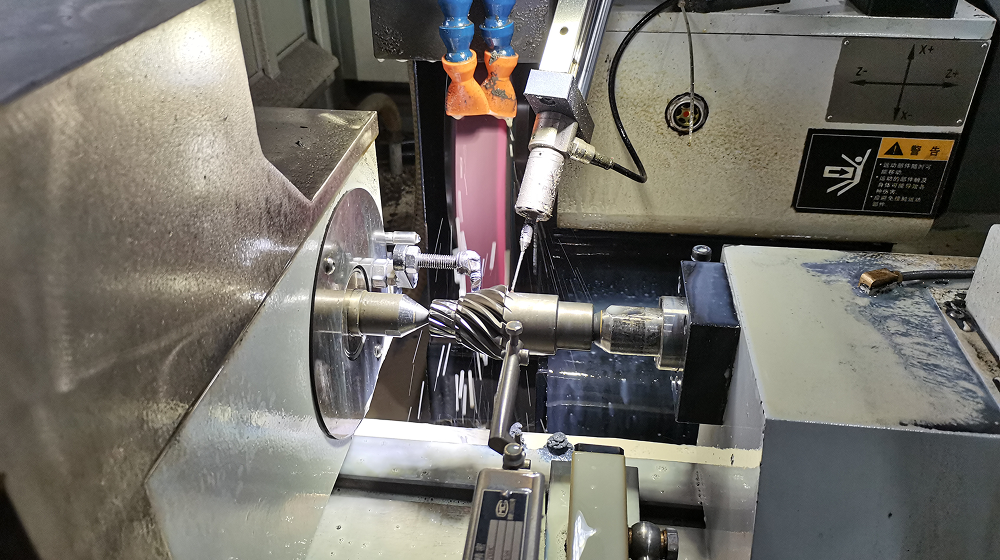
ID & OD Grinding

ID grinding, OD grinding, Surface grinding are all belonging to CNC grinding which are the foundational precision abrasive machining processes used to achieve exceptional dimensional accuracy and surface finishes, especially on hardened materials.
Lapping-bevel-gear-Lapped-bevel-gear-supplier-custom-gear-manufacturer-Belon

CNC Machining

CNC machining is a an automated manufacturing process controlled by pre-programmed computer software and code. Normally gears are designed in CAD software. CAM software translates the CAD model into G-Code, a machine language that dictates tools paths, speeds, feeds, and all movements.
Lapping-bevel-gear-supplier-custom-gear-manufacturer-gear-lapping-process-Belon

Gear Lapping

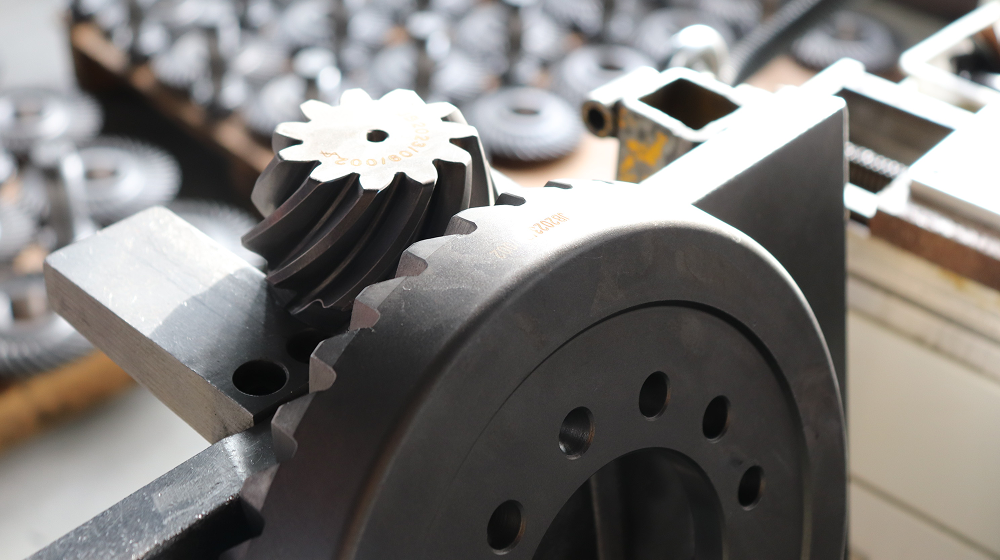
Gear lapping is a process for for finishing hardened bevel gears under gleason profile. This process can greatly improve surface finish and noise, however which could not correct geometric errors. It’s often done in paired sets (gears are lapped together and must remain matched). That is usual to use in high-volume bevel gears, where quiet operation is paramount.
Marking-process-straight-bevel-gear-supplier-custom-gear-manufacturer-Belon

Marking

Precision laser marking permanently engraves traceability data (part numbers, date codes, logos) onto gears, ensuring reliable identification and quality tracking throughout the product lifecycle.
Carton-outside-straight-bevel-gear-manufacturer-gear-solutions-Belon

Clean & Package

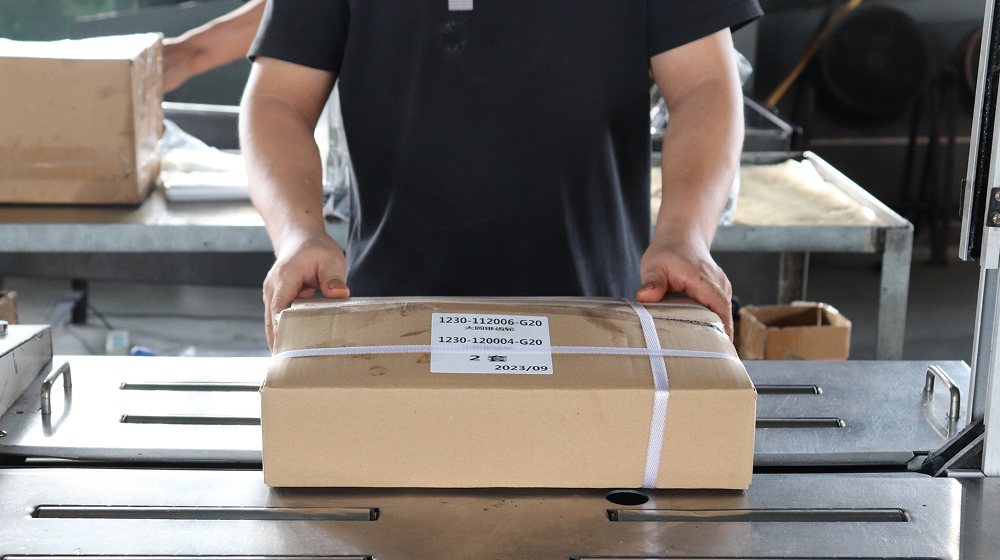
Before shipment, every gear is carefully cleaned, dried, and rust-protected – ensuring they arrive in optimal condition, ready for immediate installation.
Inspection

Strict Quality Inspection

Dimension-inspection-gear-manufacturing-process-equipment-Belon

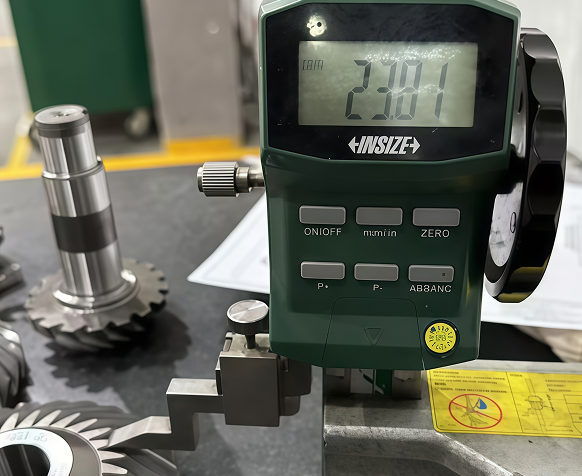
Dimension Inspection

Material-testing-gear-manufacturing-process-equipment-Belon

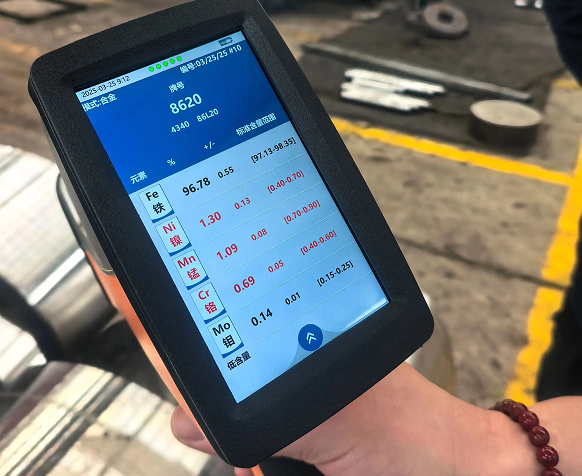
Material Testing

Hardness-inspection-gear-manufacturing-process-belon

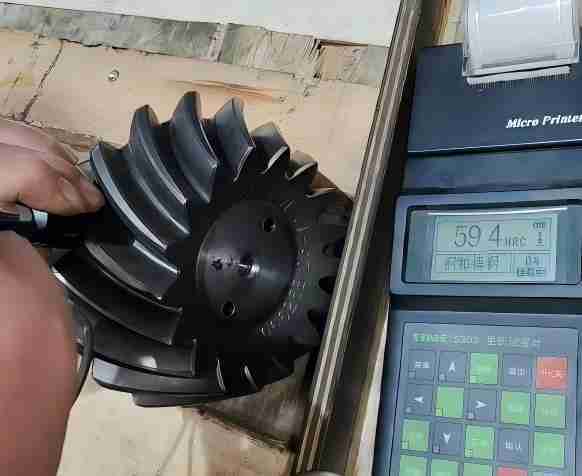
Hardness Inspection

Heat-treatment-testing-gear-manufacturing-quality-control-process-Belon

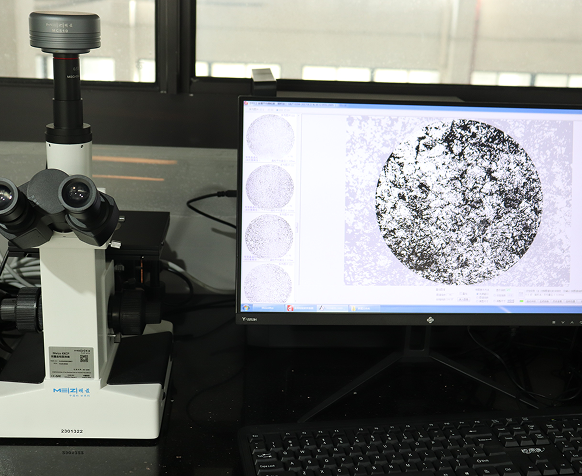
Heat Treatment Testing

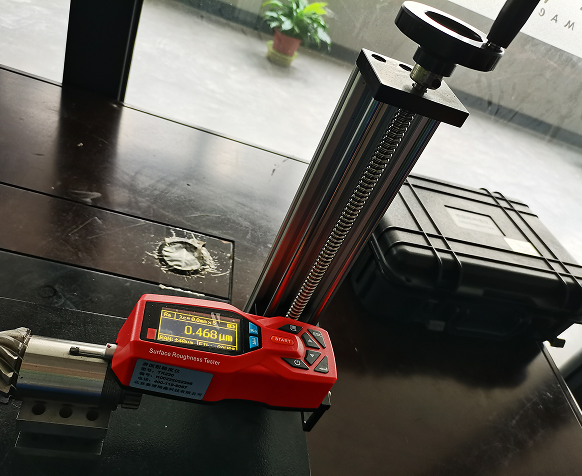
Roughness-test-lapped-bevel-gear-manufacturing-company-gear-supplier-Belon

Roughness Testing

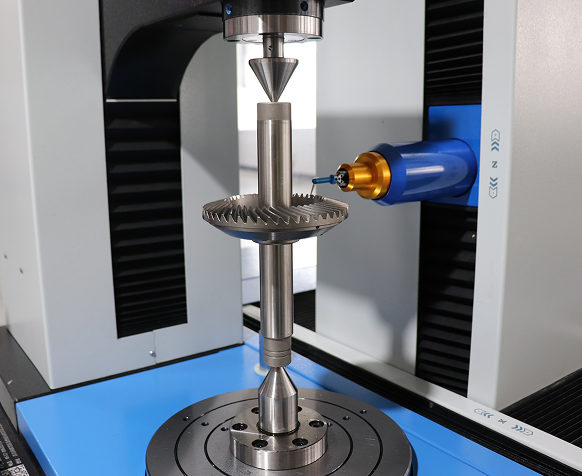
Accuracy-inspection-lapped-bevel-gear-manufacturing-company-Belon

Accuracy Inspection

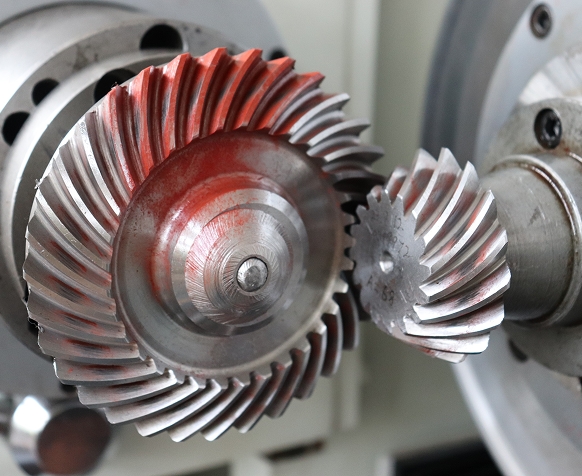
Lapped-bevel-gear-meshing-testing-gear-manufacturing-company-Belon

Meshing Testing

Dimension-inspection-gear-manufacturing-process-equipment-Belon

Dimension Inspection

Material-testing-gear-manufacturing-process-equipment-Belon

Material Testing

Hardness-inspection-gear-manufacturing-process-belon

Hardness Inspection

Heat-treatment-testing-gear-manufacturing-quality-control-process-Belon

Heat Treatment Testing

Roughness-test-lapped-bevel-gear-manufacturing-company-gear-supplier-Belon

Roughness Testing

Accuracy-inspection-lapped-bevel-gear-manufacturing-company-Belon

Accuracy Inspection

Lapped-bevel-gear-meshing-testing-gear-manufacturing-company-Belon

Meshing Testing

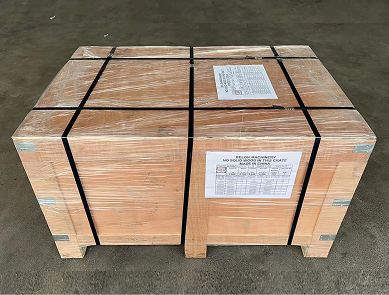
Packages

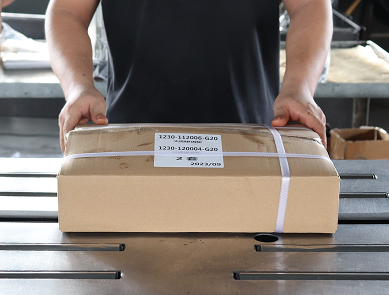
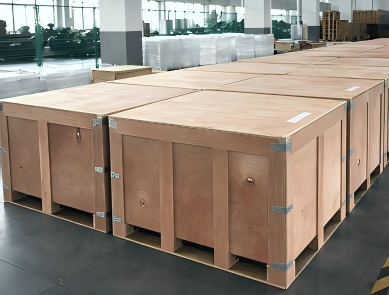
Professional Packaging Safe Arrival

Customized cost-effective packages for products protection. We select multi-model solutions, combining air, sea, or land freight for the optimal balance of cost, speed, and reliability.
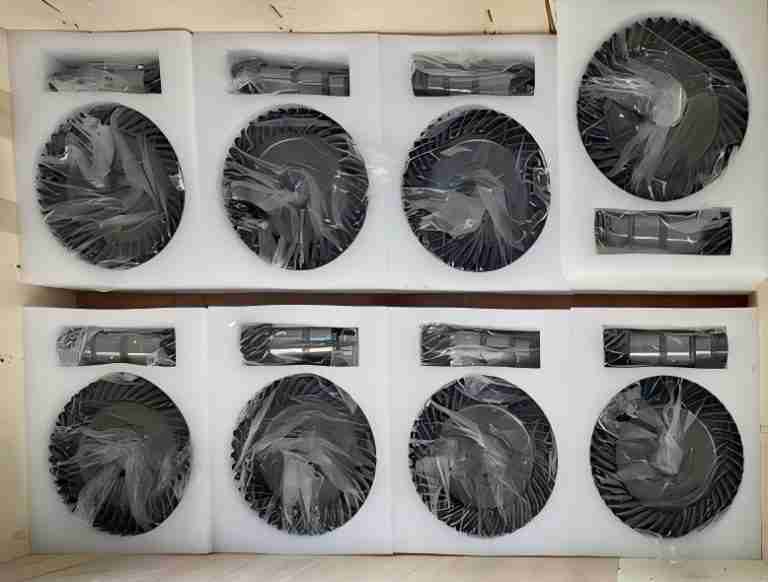
Gear-product-inner-package-custom-gear-manufacturer-Belon

Inner Package

Crate-straight-bevel-gear-custom-gear-manufacturer-gear-solutions-Belon

Out Package

Carton-Package-Gear-Manufacturing-Company-Belon

Carton

Wooden-package-gear-manufacturer-gear-solutions-Belon

Wooden Package

Similar products

You May Be Interested In

spiral-bevel-gear-for-harvester-belon-machinery

Spiral Bevel Gear For Harvester

  • Material: 20CrMo
  • Heat treatment: HRC 58-62
  • Accuracy: GB/T 10095
bevel-gear-set-for-robert-custom-bevel-gear-belon

Bevel Gear Set For Robot

  • Material: C45
  • Heat treatment: Quenching and Tempering
  • Accuracy: DIN 9
lapping-gears-lapped-spiral-bevel-gear-custom-gear-supplier-Belon

Lapping Gears

  • Material: 20CrMnTi
  • Heat treatment: carburization 58-62HRC
  • Accuracy: DIN 8
Grinding-spiral-bevel-gear-straight-bevel-gear-supplier-Belon

Spiral Bevel Gear

  • Material: 18CrNiMo7-6
  • Heat treatment: carburization 58-62HRC
  • Accuracy: 6
View all product

Your Precision
Transmission Partner

Do you have drawings to be implemented, or problems to be solved? Please feel free to contact us. From initial inquiry and technical specification confirmation to production and delivery, our dedicated team will provide you with one-on-one service, ensuring that every step meets your stringent requirements for precision.
Contact Us