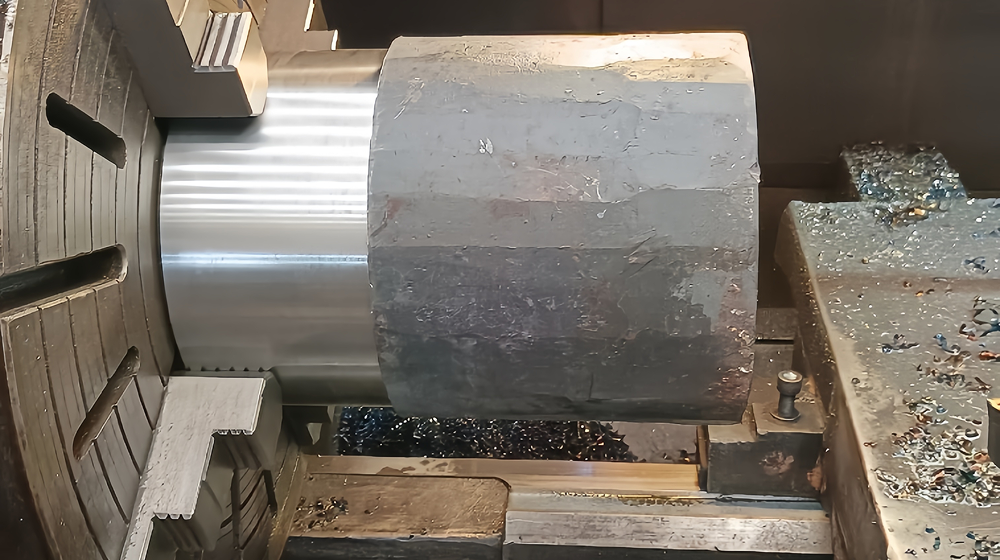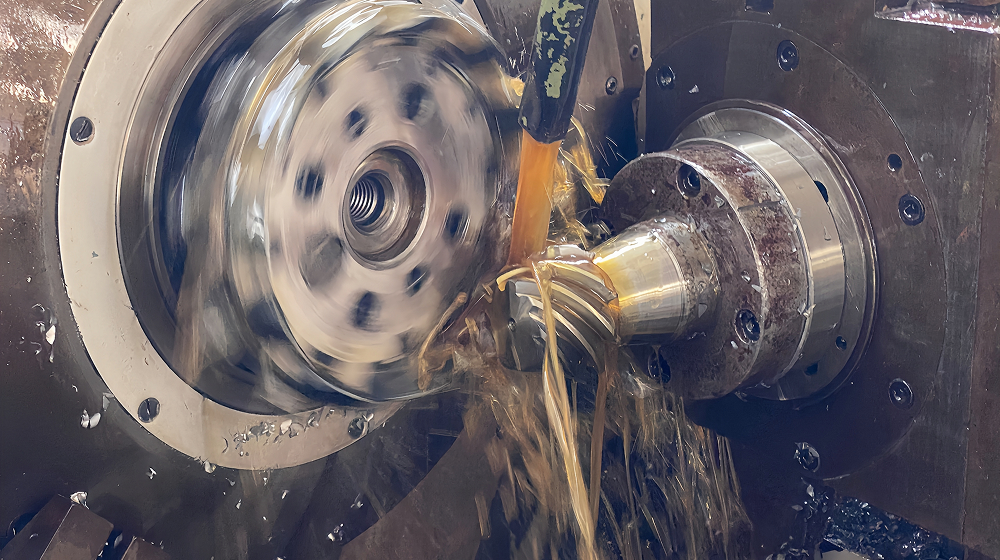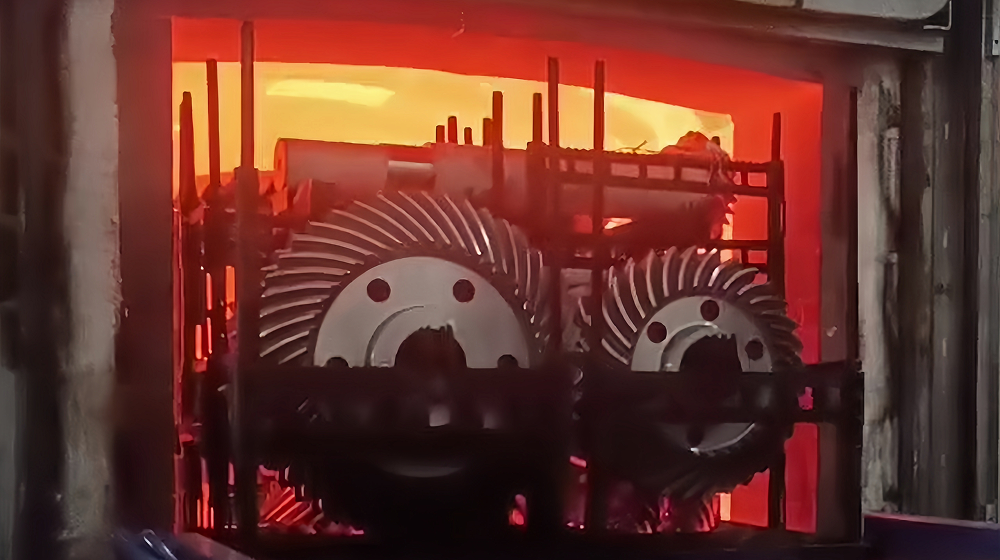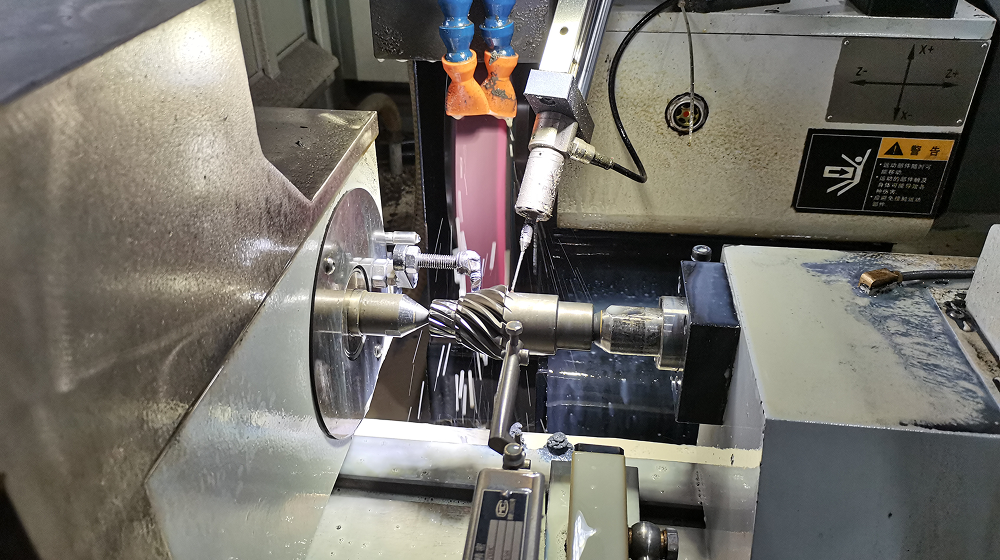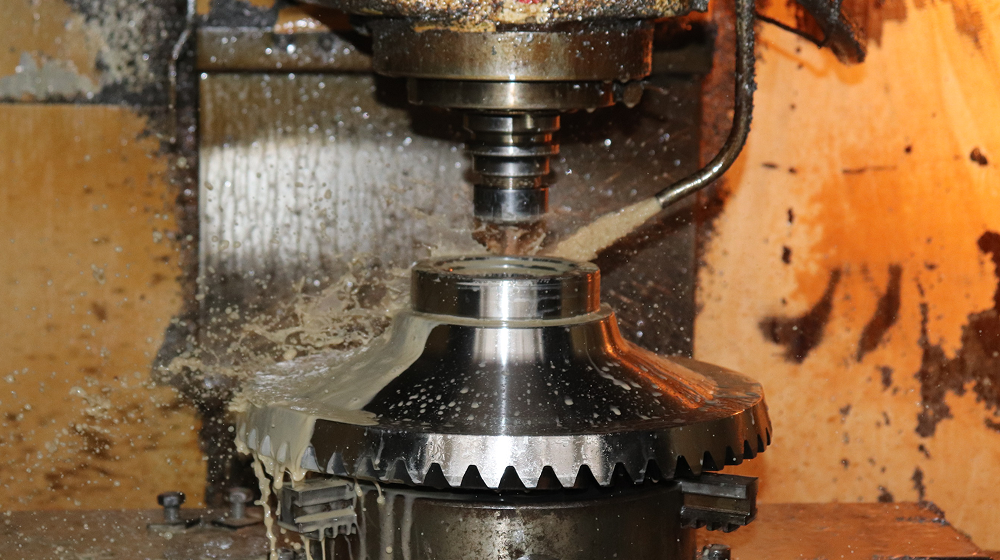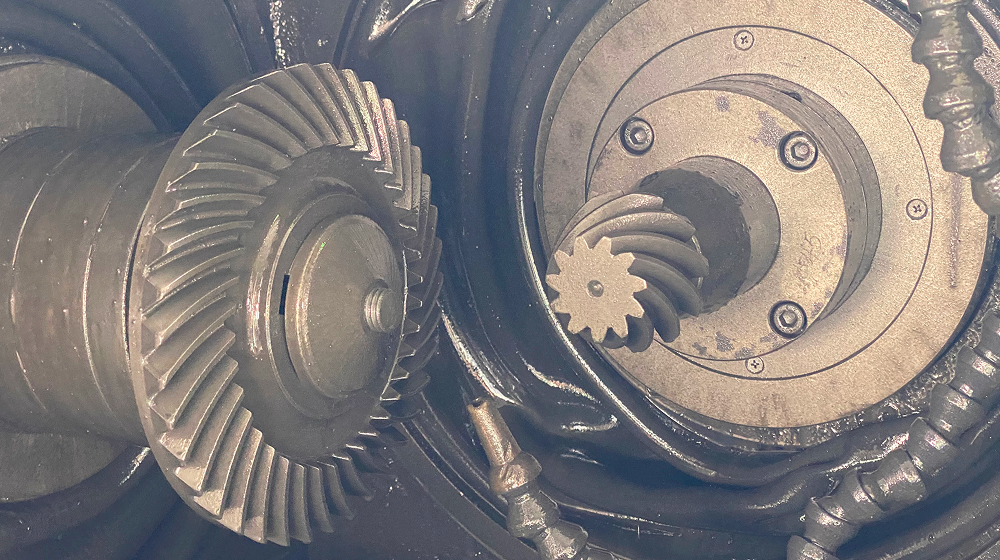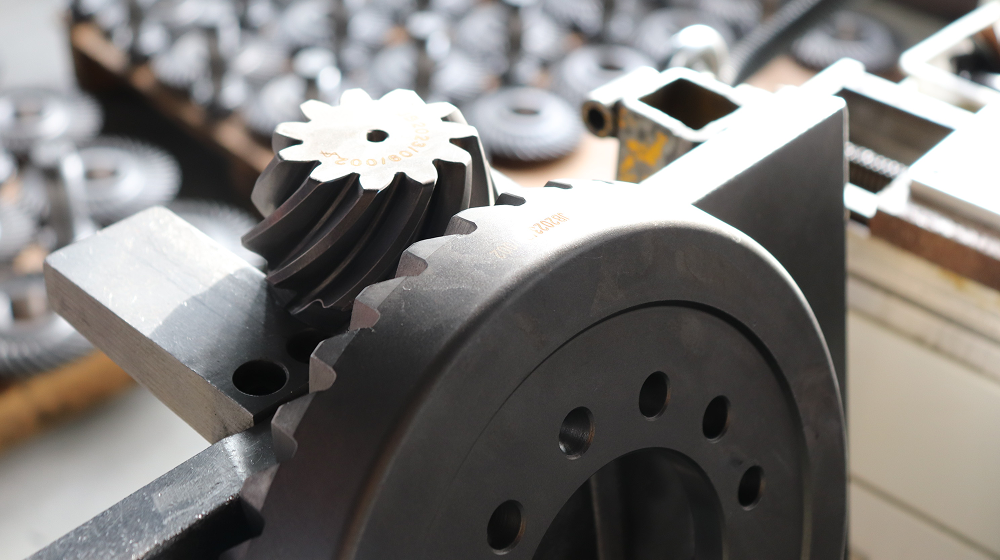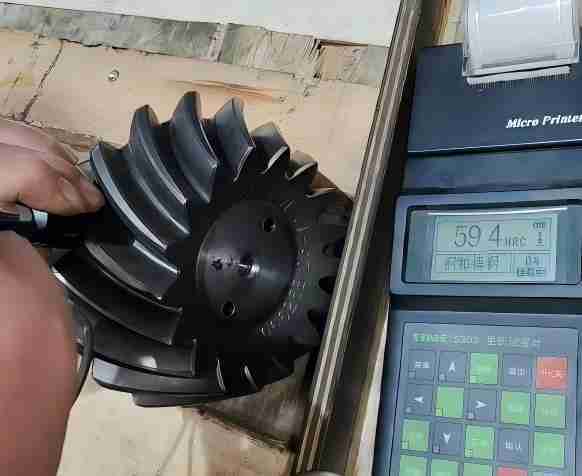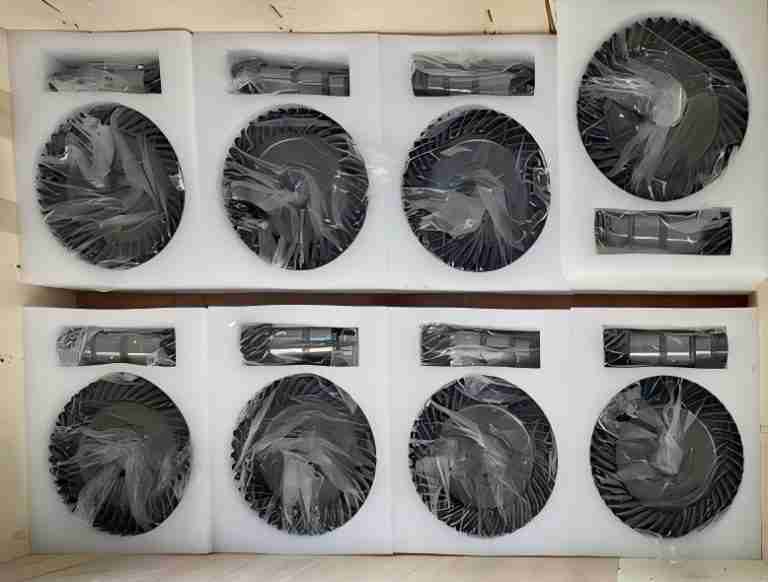
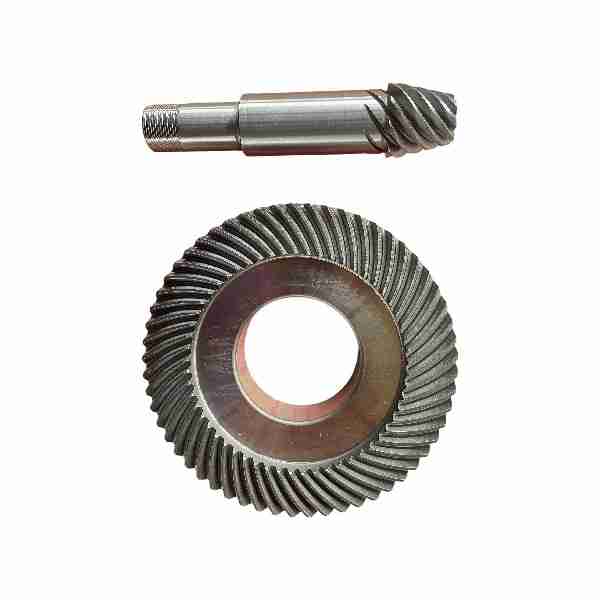
A lapping bevel gear is a finished gear that has been run against its mating gear to create smoother tooth surfaces for quieter operation and longer life. A lapping bevel gear starts as a standard cut bevel gear. After the gear is cut and heat-treated, it goes through an extra finishing step called lapping. This step is simple but important for many applications.
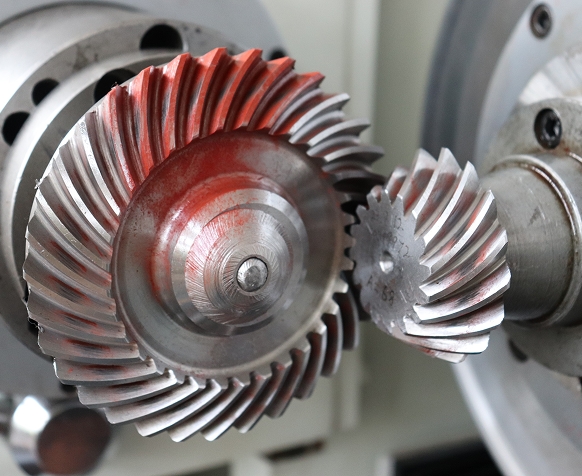
When a bevel gear is first cut by a gear cutting machine, the tooth surfaces are not perfectly smooth. There are tiny ridges, feed marks, and high spots left by the cutting tool. These small imperfections may not look like a big problem, but they affect how the gear runs. When the gear is under load, the high spots carry more force than the rest of the tooth. This creates uneven contact, which leads to noise, vibration, and faster wear. The lapping process solves this problem. To make a lapping bevel gear, the gear is paired with its matching gear. An abrasive compound is applied between the teeth. The two gears are then run together under light load and controlled speed. The abrasive slowly removes the tiny high spots and smooths out the tooth surface. The gears are run until the contact pattern becomes even across the tooth width. This process does not change the basic shape of the tooth. It only improves the surface finish and the contact pattern.
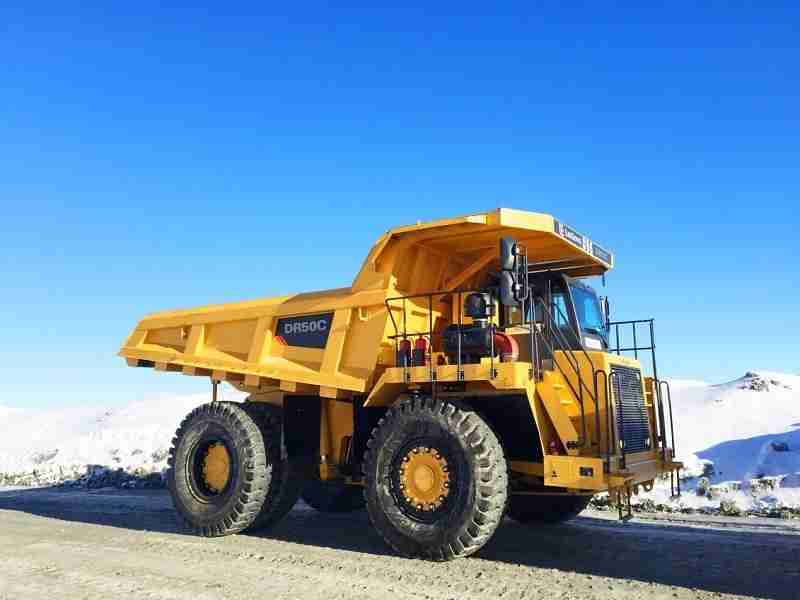
A lapping bevel gear runs quieter than a non-lapped gear. The smoother surfaces create less friction and less noise. This is important for applications where the gearbox is close to operators or in quiet environments. Marine auxiliary drives, industrial gearboxes in factories, and construction equipment all benefit from lapped gears.
Another benefit of a lapping bevel gear is longer life. When the load spreads evenly across the tooth, no single area carries too much stress. This reduces the risk of pitting, scoring, and tooth breakage. For heavy-duty applications like mining gearboxes and mill drives, lapping helps the gear set last longer between overhauls.
Lapping also helps with break-in. A non-lapped gear set may need many hours of running at reduced load to wear in the high spots. A lapped gear set is ready for full load much sooner. This saves time and reduces the risk of damage during the break-in period.
Not every bevel gear needs lapping. For low-speed or light-load applications, a cut gear may work fine. But for high-speed, high-load, or noise-sensitive applications, lapping is a smart choice. Many customers in mining, marine, and heavy industry ask for lapping because they need reliable performance.
In summary, a lapping bevel gear gives you smoother surfaces, better contact, quieter running, and longer life. If your application demands high reliability, lapping is worth the extra step.