
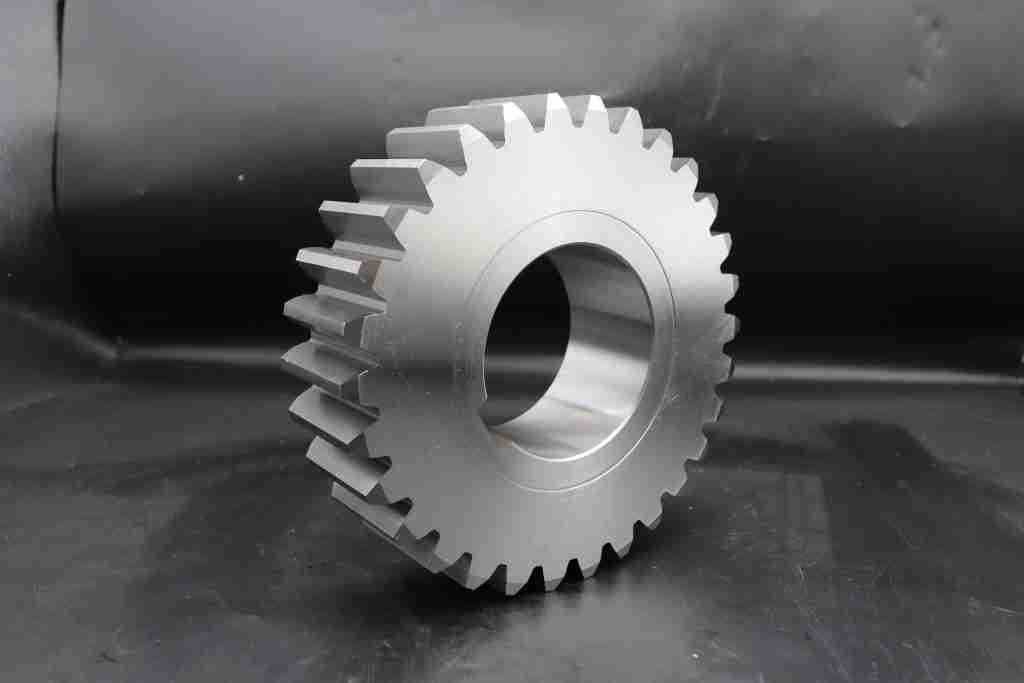
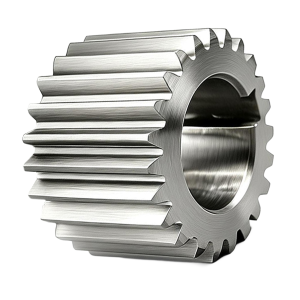
Spur gears are straightforward, cylindrical precision gears with straight teeth and parallel shafts. They transmit power through direct tooth meshing. When two matched spur gears engage with each other, the teeth mesh closely one by one. By means of mutual tooth contact, rotational force and motion are steadily transferred from one parallel shaft to another. Adopting fine machining technology, these spur gears show strict production tolerance and excellent precision performance.

High Precision Spur Gear
Specification
Module
M4.0-M15
Application
Cylindrical Reducer
Material
20MnCr5
Heat Treatment
Carburizing 58-62HRC
Accuracy
ISO 6
Spur Gear VS Helical Gear
Spur gears and helical gears are both type of cylindrical gears. However, there are key difference between these two gears and it’s important to understand how they vary.
Power Transmission Efficiency: Spur gears are more efficient in transmitting power because they produce no axial thrust.
Noise & Vibration: Helical gears’ angled teeth interact with rotational axes in a more gradual way, lowering vibration and noise generation.
Cost of Manufacture & Operation: Characterized by simple structure, spur gears are more economical to produce. They also generate less wear, reducing the frequency of replacement.
Load Bearing: Helical gears’ angled teeth create more surface area and contact between gears and drives, which typically supports higher load bearing.
Production process
6-Step Production Process
Forging
Turning
Gear Cutting
Heat Treatment
ID & OD & Surface Grinding
Tooth Grinding

Forging
When gears need high performance that needs to withstand high loads, high stress, impact loads or fatigue loads, forgings are suggested to use. Forging allows metal fibers to be continuously distributed along the gear profile, significantly improving root strength and fatigue life.
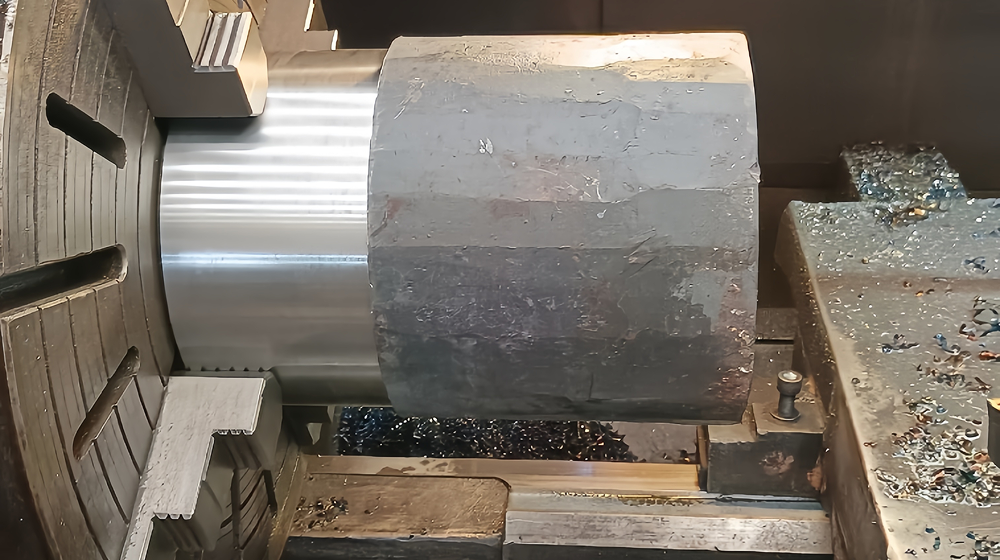
Turning
This is the process of cutting and shaping solid materials into precise parts. It uses tools like lathes, mills, and drills to remove excess material. Machining transforms a simple block of metal into a finished, functional component.

Gear Cutting
Gear Cutting includes all processes to create gear teeth after rough or fine machining. It shapes teeth to ensure smooth and efficient power transfer for performance, strength and cost efficiency.
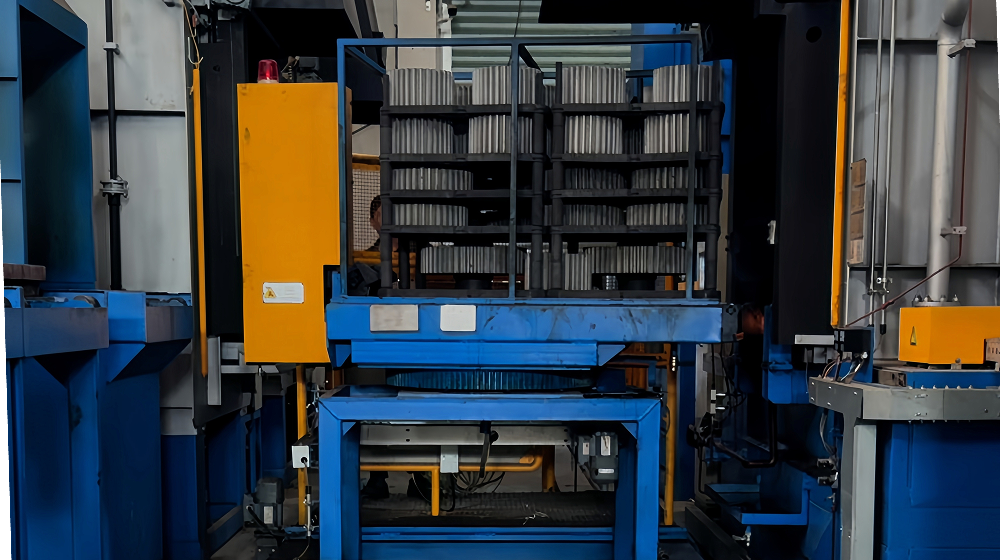
Heat Treatment
Gears need to be running with two gears or above two gears, that makes them easy to be worn-out. That’s why most types of gears need to be harden through heat treatment.
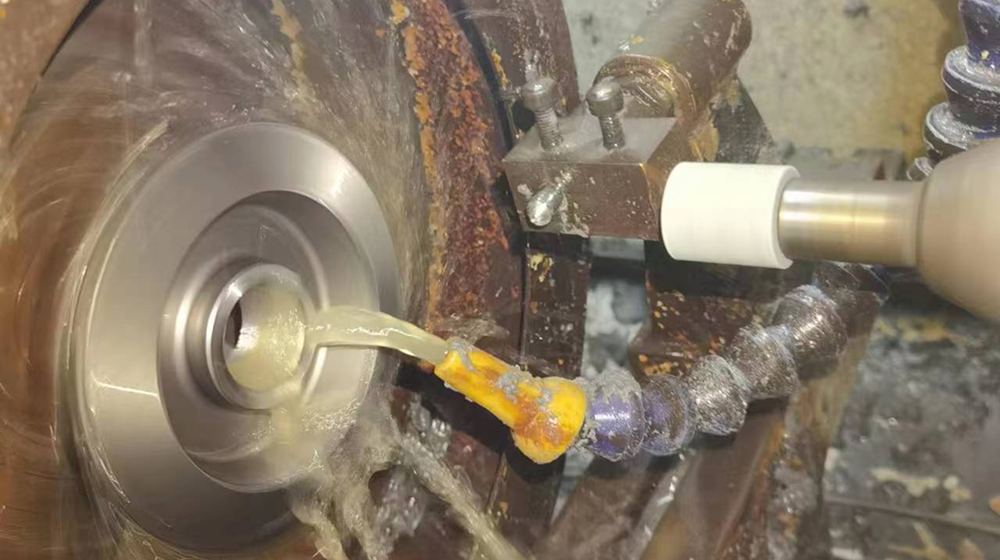
ID & OD & Surface Grinding
ID grinding, OD grinding, Surface grinding are all belonging to CNC grinding which are the foundational precision abrasive machining processes used to achieve exceptional dimensional accuracy and surface finishes, especially on hardened materials.

Tooth Grinding
Tooth Grinding are the final processes are applied after heat treatment to correct distortion, improve geometry, and achieve the final surface finish necessary for quiet, efficient power transmission.
Inspection
Strict Quality Inspection
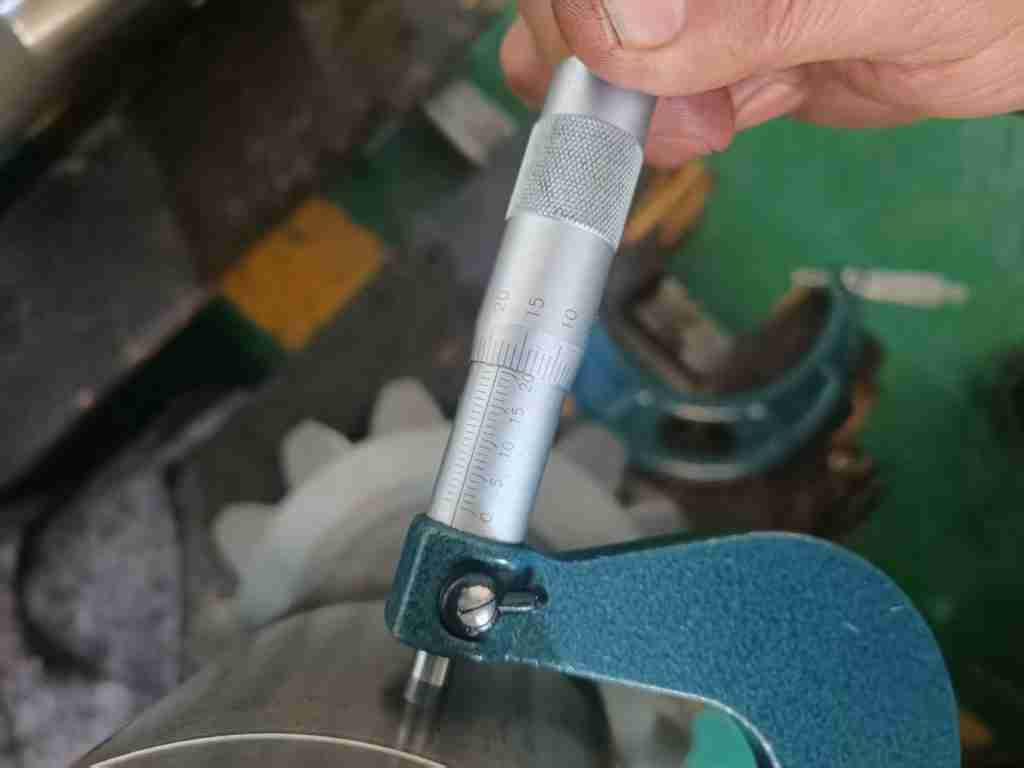
Dimension Inspection
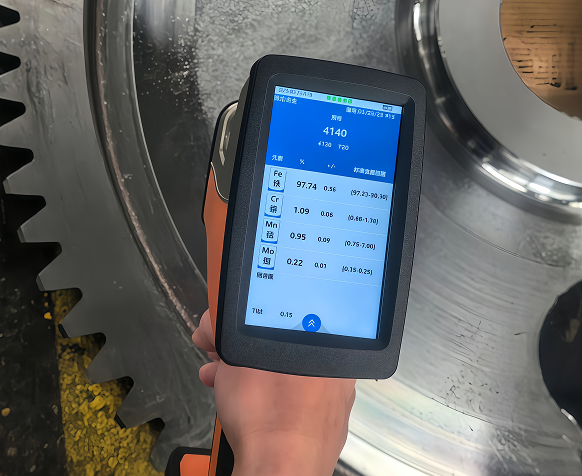
Material Inspection
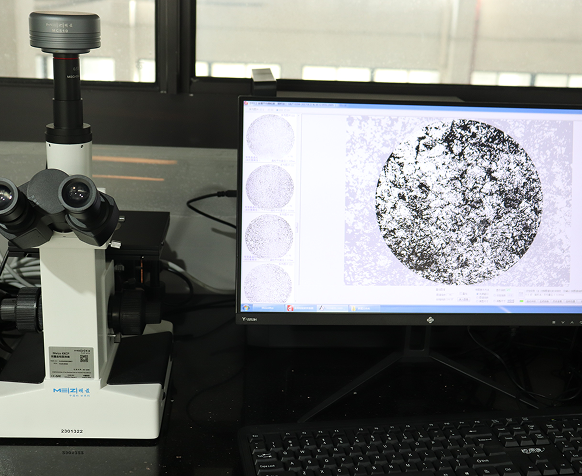
Heat Treatment Testing
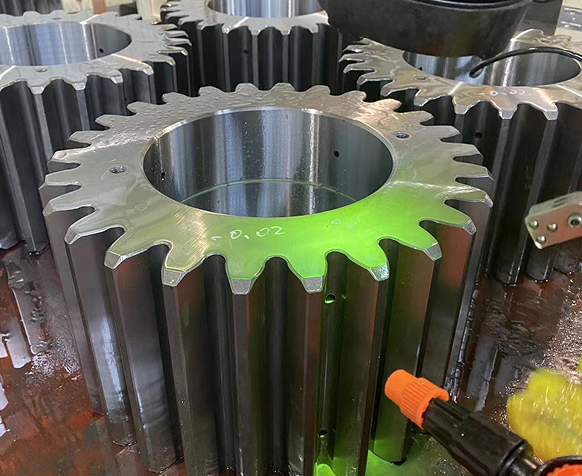
UT & MT Testing
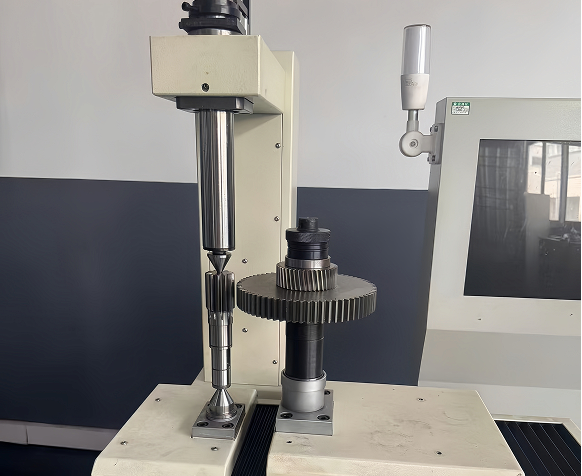
Meshing Testing
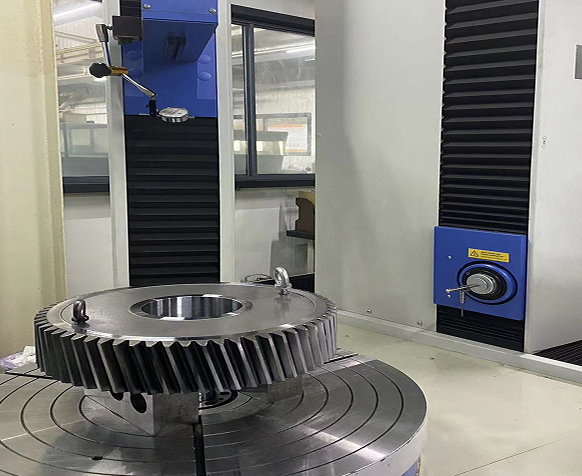
Accuracy Testing
Dimension Inspection
Material Inspection
Heat Treatment Testing
UT & MT Testing
Meshing Testing
Accuracy Testing
Packages
Professional Packaging Safe Arrival
Customized cost-effective packages for products protection. We select multi-model solutions, combining air, sea, or land freight for the optimal balance of cost, speed, and reliability.
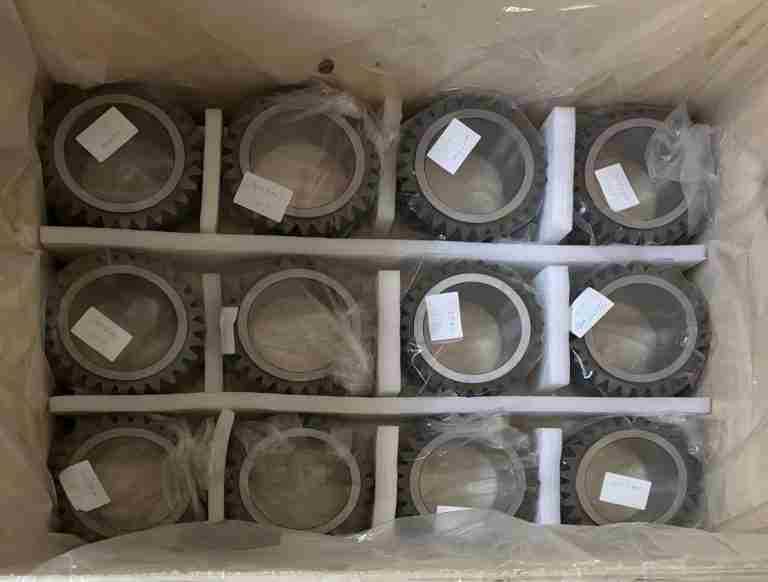
Inner Package
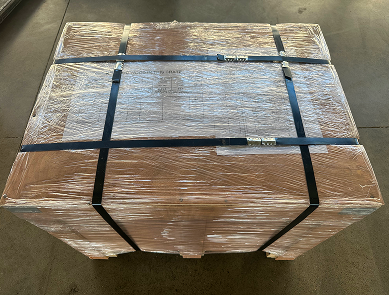
Out Package
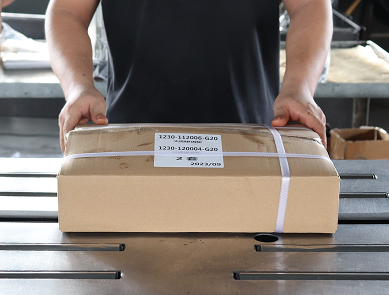
Carton
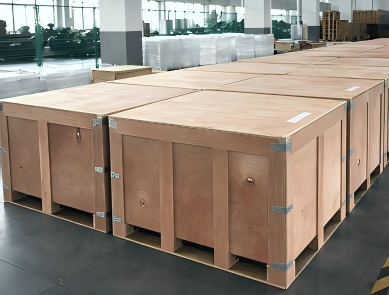
Wooden Package
Similar products
You May Be Interested In


Large Spur Gear For Gearbox
- Material: 18CrNiMo7-6
- Heat treatment: Teeth Case-carburized 58-62HRC
- Accuracy: DIN 6
Your Precision
Transmission Partner
Do you have drawings to be implemented, or problems to be solved? Please feel free to contact us. From initial inquiry and technical specification confirmation to production and delivery, our dedicated team will provide you with one-on-one service, ensuring that every step meets your stringent requirements for precision.
Contact Us